Wallenstein Gardens in Prague: visit, opening times & information
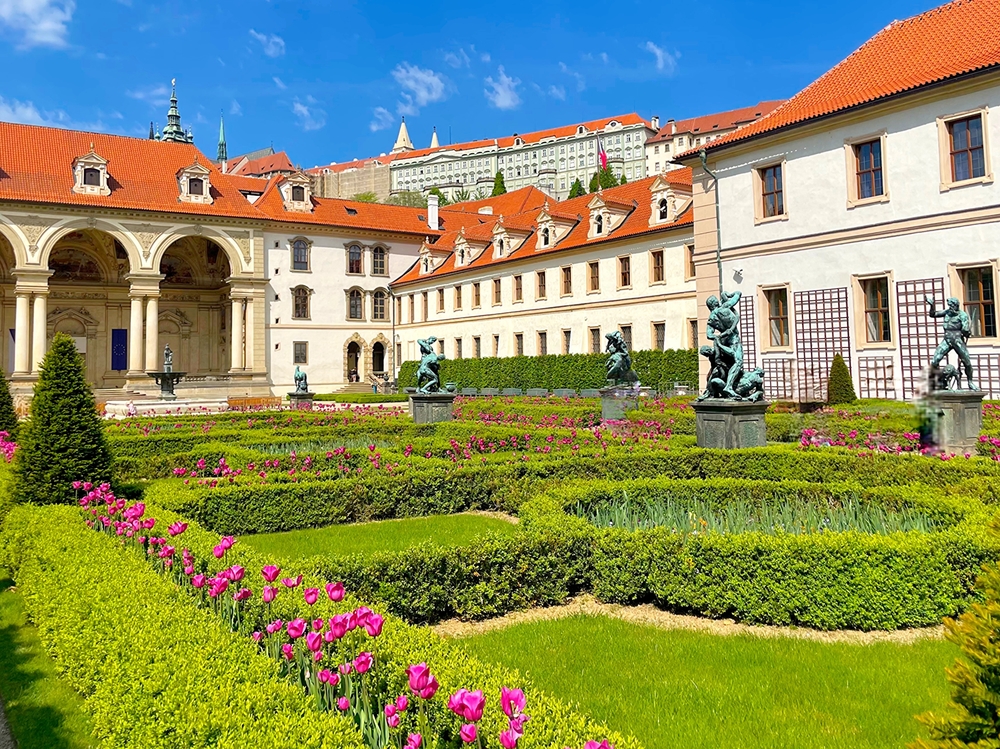

Nestling in the heart of the historic district of Malá Strana, the Wallenstein Gardens are one of the finest examples of Czech Baroque in Prague. This haven of peace, created in the 17th century for the powerful Duke Albrecht von Wallenstein, offers visitors a refreshing escape among majestic sculptures, elegant fountains and Italian-style gardens. Whether you’re a history buff, an architecture enthusiast or simply looking for some peace and quiet during your stay in the Czech capital, a visit to the Wallenstein Gardens is a must for an authentic Prague visit.
Why visit the Wallenstein Gardens in Prague?
The Wallenstein Gardens are much more than just a green space in the midst of urban bustle. They embody the grandeur and ambition of a bygone era, that of the Czech Baroque at its height. Created between 1623 and 1630 for Generalissimo Albrecht von Wallenstein, these gardens were designed to rival the splendours of Prague Castle itself. Now open to the public free of charge from April to October, they offer an authentic immersion in Italian Manierist landscape art, with remarkable Baroque sculptures and fascinating architecture.
A visit to the Wallenstein Gardens allows you to discover the Sala Terrena with its mythological frescoes, the mysterious wall of stalactites, a large central pool surrounded by statues created by the Venetian sculptor Adriaen de Vries, and free-roaming white peacocks that add to the charm of the place. Adjacent to the Wallenstein Palace, which today houses the Senate of the Czech Republic, this historic garden is a refreshing cultural break when exploring the Malá Strana district.
Also read the Prague guide :
- Visit Prague: The historic Baroque mosaic crossing
- Top 10 culinary specialities in Prague
- Top 7 things to do in Prague
- What are the best hotels to stay in Prague?
- Discover and visit Prague Castle
- Trainers, cap, wise competition at the Prague Marathon
- 18 strange and terrifying places in the world
- Where to spend Christmas? 11 magical destinations not to be missed
- 15 ideal destinations for the All Saints’ Day holidays
History of the Wallenstein Gardens
The grandiose vision of Albrecht von Wallenstein
The story of the Wallenstein Gardens begins in the early 17th century with Albrecht von Wallenstein, one of the most powerful and wealthiest generals of his time. Commander-in-chief of the imperial armies under Ferdinand II during the Thirty Years’ War, Wallenstein had an overweening ambition: to build a palatial complex that would rival the royal residence of Prague Castle, located just above Malá Strana.
To realise his grandiose project, Wallenstein had no fewer than 25 houses, 7 gardens, a brickworks and various plots of land acquired and demolished between 1623 and 1630. The result was an impressive architectural complex comprising the Wallenstein Palace and its Italianate gardens, designed in the Manierist style then prevalent in Europe. The Duke’s ambition was clear: to create a lasting testament to his power and prestige, a place where art and nature would combine to amaze his visitors.
A masterpiece of Czech Baroque
Developed between 1620 and 1630 under the direction of Italian architects, the gardens embody the quintessence of the Czech Early Baroque style. Adorned with sculptures created by the famous Venetian sculptor Adriaen de Vries between 1622 and 1625, the gardens were transformed into a veritable open-air museum. These works of art, depicting mythological figures, ancient divinities and legendary heroes, bore witness to the artistic refinement and wealth of their patrons.
Unfortunately, when Prague was sacked by Swedish troops in 1648, most of the original sculptures were taken as spoils of war. Now kept at Drottningholm Castle in Sweden, they have been replaced by copies that still adorn the garden paths. Despite this loss, the ensemble retains all its majesty and allows visitors to immerse themselves in the sumptuous atmosphere of the 17th century.
From private palace to Czech Senate
After the tragic death of Albrecht von Wallenstein, who was assassinated in 1634 on the orders of Emperor Ferdinand II, the palace and its gardens underwent a series of transformations. Over the centuries, the complex was restored several times to preserve its original design while adapting to changing needs. Today, the Wallenstein Palace houses the Senate of the Czech Republic, while the gardens, which have been open to the public for several decades, offer a haven of tranquillity much appreciated by locals and tourists looking for an authentic way to visit Prague.
What to see in the Wallenstein Gardens

1. La Sala terrena
The Sala terrena is one of the major attractions of the Wallenstein Gardens. This open pavilion, created between 1623 and 1630, impresses with its magnificent frescoes depicting mythological scenes in the early Baroque style. Located near the main entrance, this building offers an uninterrupted view of the entire garden. Its architecture is characterised by slender arches and delicate ornamentation that bear witness to the artistic refinement of the period. The frescoes on the ceilings depict scenes from Greco-Roman mythology and draw visitors’ attention with their preserved colours and dynamic composition.
2. The wall of stalactites
The stalactite wall in the northern part of the gardens is a unique Baroque curiosity. Built around 1625, it reproduces an artificial grotto by imitating natural limestone formations. This phantasmagorical architectural element creates a striking effect of shadows and relief. Get up close and you can see fantastic figures hidden among the fake rocks. This setting was designed to surprise and amaze visitors of the time, and today it remains a fascinating testament to the inventive landscape art and vivid imagination of Baroque designers.
3. The large central basin
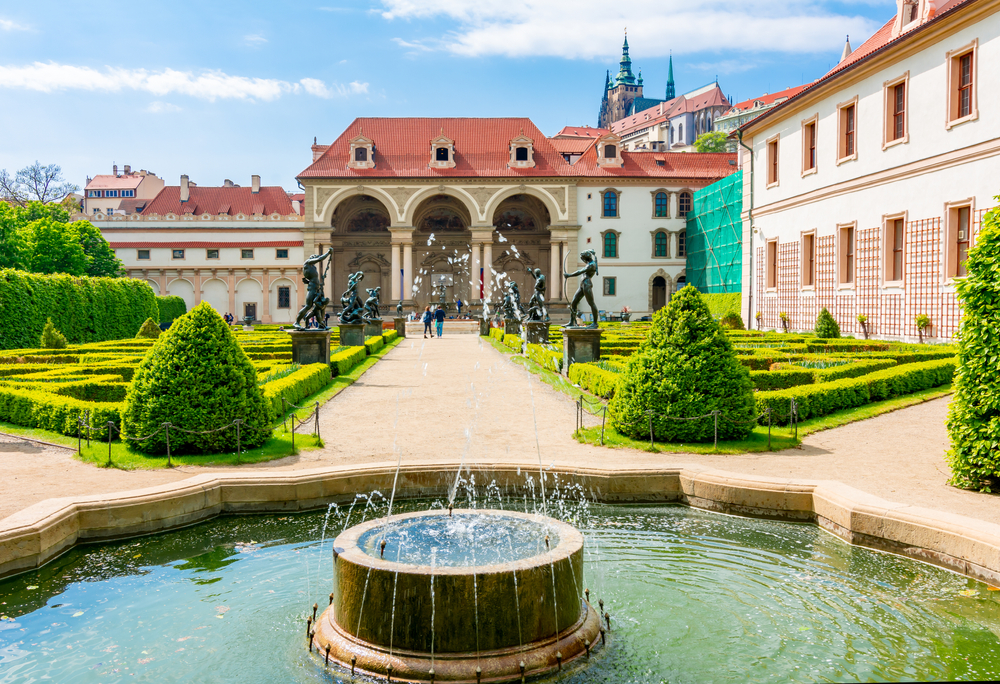
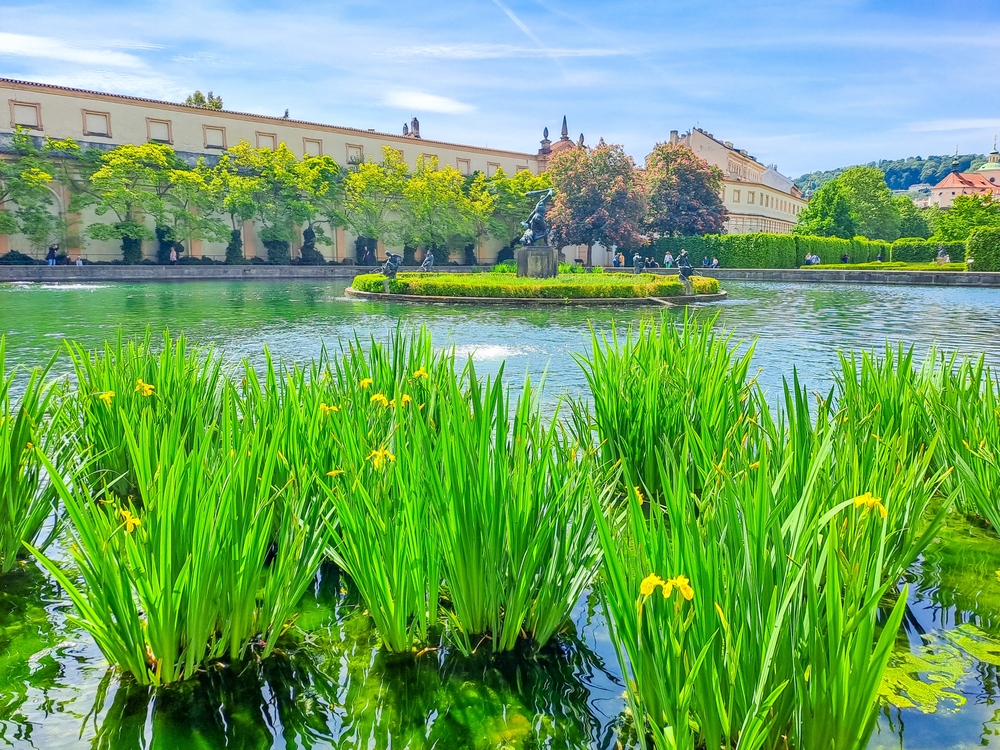
The large pool at the centre of the Wallenstein Gardens is the highlight of your walk. Designed in the 1620s, it is surrounded by wide paths that allow you to admire the perfect symmetry of the Italian garden. At its centre is a fountain embellished with antique-inspired sculptures. It’s a great place to watch the reflections of the surrounding Baroque facades on the water and enjoy the serene atmosphere at any time of day. Visitors are particularly keen to sit on the surrounding benches to contemplate this living tableau in complete tranquillity.
4. Baroque statues
The Baroque statues that line the Wallenstein Gardens are copies of original works by the Venetian sculptor Adriaen de Vries, created between 1622 and 1625. These sculptures depict mythological figures, ancient divinities and legendary heroes who adorn the paths and terraces, illustrating the grandeur sought by the commissioner. Each sculpture is distinguished by its dynamism, elaborate drapery and remarkable attention to detail. Although the originals were taken to Sweden in 1648, the reproductions installed during the 20th century allow visitors to appreciate the original layout and majestic atmosphere intended by Wallenstein.
5. Peacocks on the loose
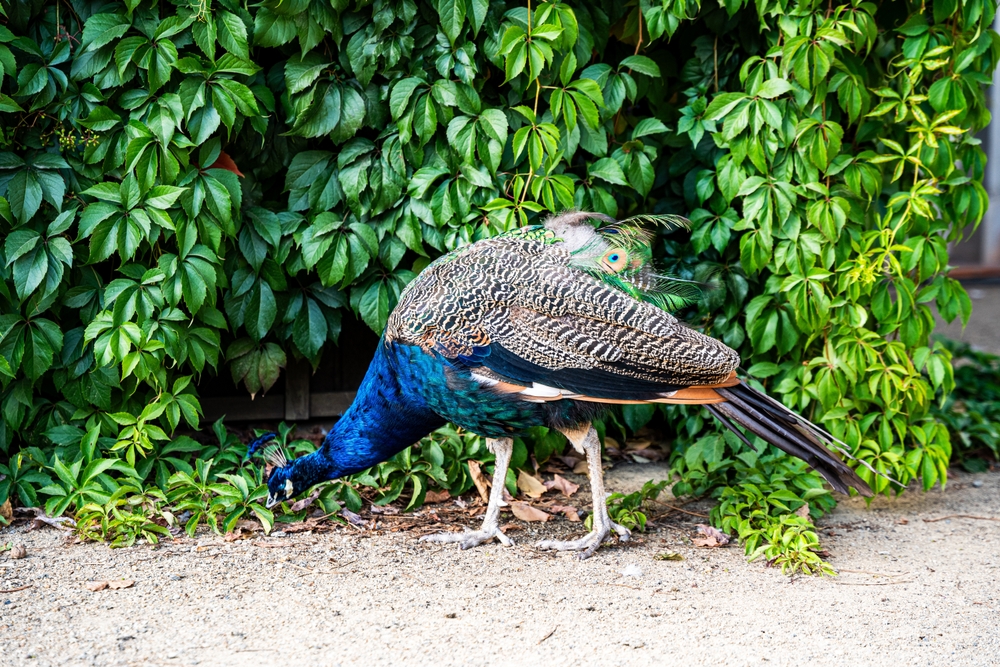
Free-roaming white peacocks are an integral part of the living charm of the Wallenstein Gardens. Introduced to enhance the prestigious atmosphere of the site, they move freely between the paths and lawns, catching the eye of visitors. Their dazzling white plumage, especially spectacular when on parade, blends beautifully with the surrounding Baroque splendour. Watching these majestic birds fly past the sculptures and the great pool is a unique sight, recalling the splendour of the 17th century and adding a touch of life and movement to this historic tableau.
6. Wallenstein Palace
The Wallenstein Palace, built between 1623 and 1630, dominates the site and was the main residence of Albrecht von Wallenstein, generalissimo of Emperor Ferdinand II (Letenská 123/4, 118 00 Malá Strana, rated 4.5/5 on Google for over 8,000 reviews). Its Baroque architecture impresses with its grandiose dimensions and richly ornate interior decorations. Today, the building houses the Senate of the Czech Republic, but some rooms are still open to the public on occasional guided tours. The Great Hall, with its frescoes and painted vaults, bears witness to the splendour of the period and the ambition of its patron.
7. The Riding Room
The Riding Hall, built around 1630, underlines the importance attached to the equestrian arts by Albrecht von Wallenstein, a great horse lover. This training and demonstration facility is distinguished by its vast proportions and elaborate galleries. Today, the building sometimes hosts temporary exhibitions, allowing visitors to discover this historic setting in a new light. This room bears witness to the sumptuous life led at the palace in the 17th century, when the nobility regularly organised equestrian shows to impress their guests.
Download the audio tour to discover Prague on foot and on your own
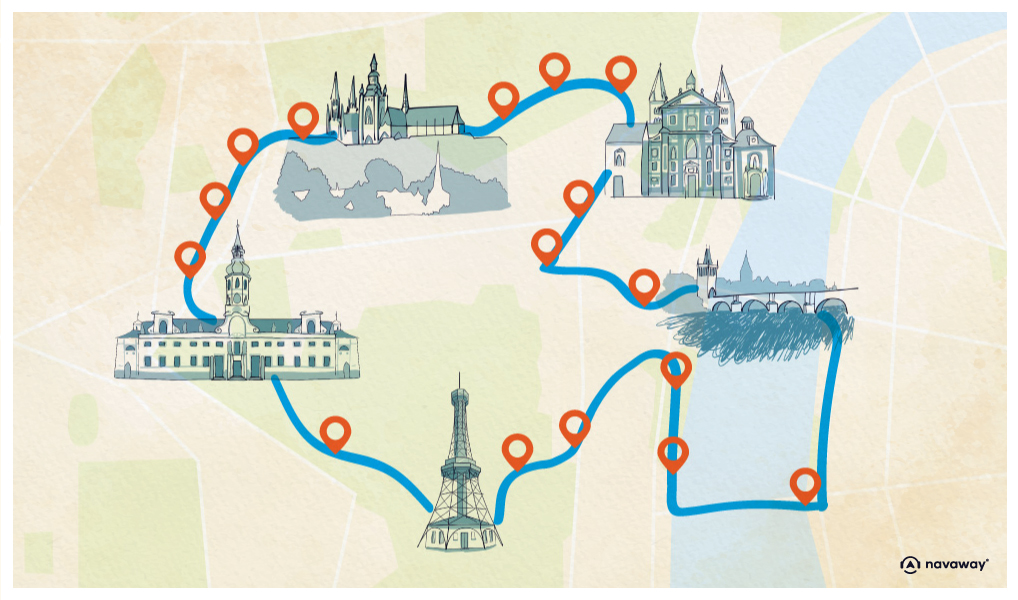
For a complete and enriching experience during your stay in the Czech capital, let yourself be guided by theNavaway audio tour of Prague. This interactive tool takes you through the city’s most beautiful districts, including the Wallenstein Gardens and the Palace. With 28 entertaining audio guides combining historical commentary, captivating anecdotes and a few mysteries, you can discover Prague at your own pace, while benefiting from intuitive interactive navigation. The application allows you to explore 8.2 km of architectural and cultural treasures in around 3 hours 15 minutes, turning your visit into an immersive and memorable adventure.
Practical information for visiting the Wallenstein Gardens
1. Opening hours
The Wallenstein Gardens are open seasonally from April to October. On weekdays (Monday to Friday), the gardens are open to visitors from 7am to 7pm, while at weekends and on public holidays, the opening hours are slightly extended from 9am to 7pm. It is advisable to check the exact opening times before your visit, as they may vary depending on official events organised at the Senate or exceptional weather conditions. Please note that the gardens are closed from November to March, during which time they are maintained and cared for.
2. Rates
Entrance to the Wallenstein Gardens is completely free, making it an activity accessible to all budgets during your stay in Prague. You can therefore enjoy this haven of Baroque peace without paying a single euro. If you would also like to visit the interior of the Wallenstein Palace, guided tours are organised from time to time by the Czech Senate, usually for a small fee or sometimes free on open days. Check the Senate’s official website for available dates.
3. Where are the Wallenstein Gardens?
The Wallenstein Gardens are located in the heart of the historic district of Malá Strana, on the left bank of the Vltava. The exact address is: Letenská 123/4, 118 00 Malá Strana, Prague 1, Czech Republic. Ideally located around 700 metres from the famous Prague Castle and a ten-minute walk from the picturesque Charles Bridge, the gardens are the perfect complement to a visit to the historic centre. To get there easily, take metro line A and get off at the Malostransk á stop, just a five-minute walk from the entrance to the gardens.
4. How do I get there?
There are several options for getting to the Wallenstein Gardens. By metro, take line A and get off at Malostranská, then walk about five minutes to reach the entrance. By tram, lines 12, 18, 20, 22 and 23 also serve the Malostranská stop, just a few steps from the attraction. For walkers, from Charles Bridge or the historic centre, simply walk along the Vltava for around ten minutes in the direction of Malostranské náměstí. If you prefer comfort, taxis and VTCs can drop you off directly near the gardens. The accessibility of the site makes it an easy stop to incorporate into your tour of Prague.
5. Best time to visit
To fully enjoy the serenity of the Wallenstein Gardens, it is best to visit early in the morning or at the end of the day, when the crowds are lower and the light highlights the Baroque sculptures and pools. Weekdays are generally less busy than weekends and public holidays, especially during the peak tourist season. You should allow around one to two hours to explore the gardens at a leisurely pace, taking photos and soaking up the peaceful atmosphere. Don’t forget that the gardens close in the evening, so plan your visit accordingly.
6. Tips for your visit
For a pleasant visit, wear comfortable shoes suitable for walking, as the ground may be uneven in places. Dress appropriately for the weather, as part of the tour takes place outdoors. Bring your camera to capture the sculptures, peacocks and magnificent views of the palace. If you’re travelling light, be aware that there are no cloakrooms or lockers for bulky items on site. Photography is permitted, but please be discreet and respectful of other visitors. Lastly, although admission is free, it is always advisable to carry identification with you when travelling in Prague.
Anecdotes and legends from the Wallenstein Gardens
1. Over-ambitious
Albrecht von Wallenstein did nothing by halves. When he decided to build his palace and gardens, his aim was clear: to rival Prague Castle itself. To achieve this, he did not hesitate to demolish an entire neighbourhood, acquiring 25 houses, 7 gardens and various plots of land. This overweening ambition is a testament to the Generalissimo’s power and wealth, but also to his pride, which some believe contributed to his tragic downfall. Today, visitors can still sense this grandeur in every corner of the gardens.
2. The mystery of the stalactite wall
The famous wall of artificial stalactites intrigues with its unusual shapes and strange reliefs. According to various local legends, silhouettes of animals and faces can be seen here, feeding the collective imagination. Some say that the mineral scenery conceals esoteric secrets or coded messages left by the architects of the time. Although these stories are more folklore than historical reality, they add a mysterious dimension to the visit and encourage visitors to scrutinise the details of this Baroque curiosity.
3. White peacocks, symbols of prestige
As you stroll through the avenues, you will see majestic white peacocks roaming freely. These birds were introduced in Wallenstein’s time to impress visitors and symbolise the owner’s prestige and power. Their dazzling whiteness provided a striking contrast with the surrounding Baroque decor, reinforcing the sumptuous character of the place. Today, these descendants of the garden’s first peacocks continue the tradition, delighting visitors with their natural elegance.
4. Sculptures in exile
The imposing statues by Adriaen de Vries, once installed in the gardens, were taken away by the Sudois during the sack of Prague in 1648, in the final phase of the Thirty Years’ War. Today, these original masterpieces can be found at Drottningholm Castle in Sweden, where they are displayed as war trophies. This absence is a reminder of the turbulent history of European conflicts in the 17th century, when artistic spoils and political rivalries frequently came together. Today’s copies, although of high quality, do not fully replace the historical value of the originals.
5. A baroque theatre
The Sala Terrena, a large open gallery, was once the setting for theatrical and musical performances. In the purest Baroque tradition, sumptuous productions were staged here, accompanied by instrumental ensembles and refined costumes. The mythological frescoes adorning the ceilings created an atmosphere conducive to the grandiose shows that entertained the Duke’s distinguished guests. These cultural events illustrated the refinement and taste for the arts of Albrecht von Wallenstein, who wished to make his palace a radiant cultural centre.
What to do around the Wallenstein Gardens
1. Explore the Malá Strana district
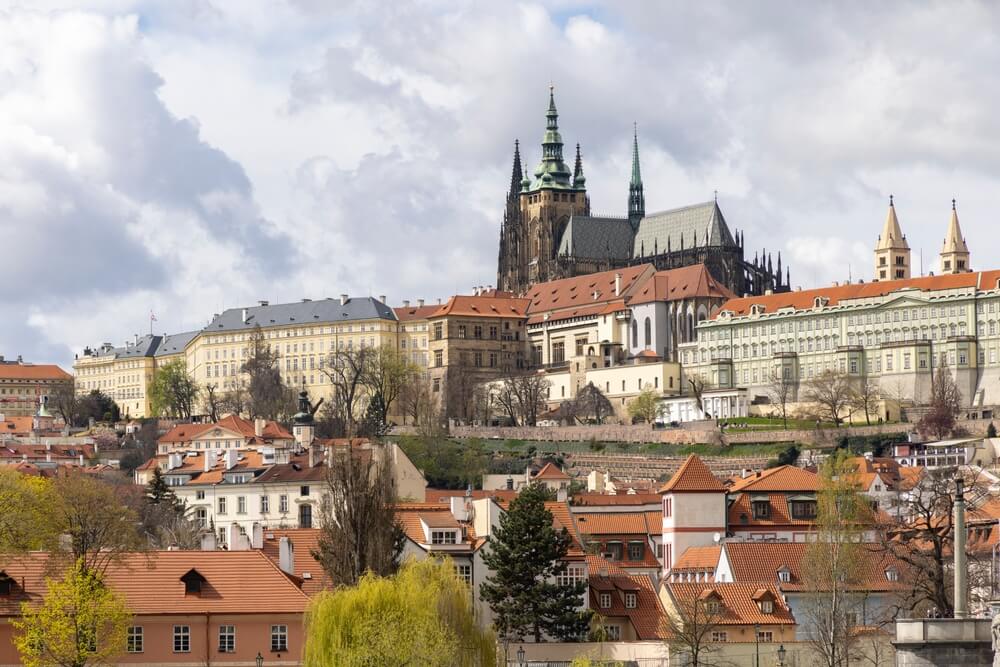
After your visit to the gardens, take time to stroll through the picturesque streets of Malá Strana, Prague’s ‘little side’. This baroque district is full of elegant palaces, majestic churches and charming squares. Don’t miss theChurch of St Nicholas (Malostranské náměstí 25, 118 00 Malá Strana, rated 4.7/5 on Google with over 15,000 reviews), a masterpiece of Prague Baroque, or the famous John Lennon Wall (Velkopřevorské náměstí, 100 00 Malá Strana), a symbol of peace and freedom. For the best possible experience, follow the Navaway itinerary, which guides you through all the district’s must-sees.
2. Visit Prague Castle
Just 700 metres from the Wallenstein Gardens, Prague Castle is a must-see (Hradčany, 119 08 Praha 1, rated 4.6/5 on Google for over 150,000 reviews). This monumental complex, one of the largest ancient castles in the world, is home to St Vitus Cathedral, the Old Royal Palace and the famous Golden Lane. Allow at least half a day to explore its courtyards, palaces and gardens. The climb up from Malá Strana offers spectacular views of the city. The Navaway audioguide includes this major site in its route, allowing you to discover its fascinating history in a fun way.
3. Crossing the Charles Bridge
Just a ten-minute walk from the gardens, Charles Bridge is one of Prague’s most emblematic landmarks (Karlův most, 110 00 Staré Město, rated 4.7/5 on Google for over 180,000 reviews). This medieval pedestrian bridge, adorned with 30 Baroque statues, links Malá Strana to the Old Town, offering magnificent views of the Vltava and Prague’s skyline. It’s best to visit early in the morning or at sunset to avoid the crowds and enjoy a more intimate atmosphere. Street musicians and entertainers on the bridge add to the charm of this unforgettable crossing.
4. Relax in Petřín Park
To continue in a green atmosphere, head for Petřín Hill and its vast wooded park. Around 15 minutes’ walk from the Wallenstein Gardens, this green lung offers pleasant walking trails, flower gardens and panoramic views over Prague. At the top, don’t miss the Petřín Tower, a miniature replica of the Eiffel Tower that offers a 360° view of the Czech capital after climbing its 299 steps. Petřín’s funicular railway makes the climb easier for those who prefer to save their strength. An ideal place to picnic and recharge your batteries away from the hustle and bustle of the city.
5. Discover Kampa Island
Situated between Charles Bridge and the Wallenstein Gardens, Kampa Island is a charming stopover on your exploration of Malá Strana. Nicknamed the “Prague Venice” because of its canals and romantic atmosphere, this island is home to the Kampa Museum dedicated to modern and contemporary art, as well as David Černý’s famous giant baby sculptures that climb the television tower. Its peaceful banks invite you to stroll and offer beautiful views of the river. The island is also home to cafés and restaurants where you can take a gourmet break.
As you explore the surrounding area, don’t forget that the Navaway itinerary for visiting Prague accompanies you interactively, allowing you to discover these places of interest with enriching explanations and captivating anecdotes. Let us guide you so that you don’t miss any of the hidden treasures of the Malá Strana district and the surrounding area.
Where to stay near the Wallenstein Gardens?
To visit the Wallenstein Gardens and make the most of your stay in Prague, staying in the Malá Strana district is an ideal choice. This picturesque and central district allows you to reach the gardens in just 5 to 10 minutes on foot. What’s more, you’ll be within easy reach of Prague’s main attractions, such as the Castle, Charles Bridge and Kampa Island. If you’re looking for alternatives, the Staré Město (Old Town) and Josefov districts also offer good accommodation choices. They are slightly further away but offer easy access by tram or a pleasant 20-minute walk through the historic centre. These areas are full of charming hotels, comfortable flats and friendly hostels to suit all budgets, giving you an authentic experience in the heart of the Czech capital.
In conclusion, a visit to the Wallenstein Gardens is a must during your stay in Prague. This Baroque jewel, a testament to one man’s ambition and the splendour of an era, offers much more than just a stroll through a green space. With its fascinating history, remarkable architecture and peaceful atmosphere, the gardens are a haven of serenity in the midst of the tourist hustle and bustle of Malá Strana. Whether you’re an art enthusiast, a nature lover or just curious, this free and accessible site has a lot to offer. For a complete immersion in the world of Prague, don’t hesitate to follow the Navaway audioguide itinerary, which incorporates the gardens into an enriching tour of the Czech capital’s most beautiful sites. Prague awaits you with its Baroque treasures and age-old secrets, so let yourself be guided and savour every moment of this unique cultural adventure.
FAQ : Your questions about Wallenstein Gardens
Are the Wallenstein Gardens free?
Yes, entry to the Wallenstein Gardens is completely free. You can freely enjoy this magnificent Baroque space without paying a single euro, making it an ideal activity for all budgets when visiting Prague.
What are the opening times for the gardens?
The Wallenstein Gardens are open from April to October. During the week (Monday to Friday), visitors are welcome from 7am to 7pm. At weekends and on public holidays, they are open from 9am to 7pm. The gardens are closed from November to March for winter maintenance.
How long will the tour take?
Allow around one to two hours to explore the Wallenstein Gardens at your leisure, admiring the sculptures, the pool, the Sala terrena and watching the white peacocks. You’ll also have plenty of time to take photos and soak up the peaceful atmosphere.
How do I get to the Wallenstein Gardens?
The gardens are easily accessible by metro (line A, Malostranská stop) or tram (lines 12, 18, 20, 22, 23). From Charles Bridge or the historic centre, it’s about a 10-minute walk. The exact address is: Letenská 123/4, 118 00 Malá Strana.
Can I visit the inside of the Wallenstein Palace?
The Wallenstein Palace now houses the Senate of the Czech Republic. Some rooms are open to the public on guided tours organised from time to time, usually at weekends or on open days. Check the official website of the Czech Senate for available dates.
Are the gardens accessible to people with reduced mobility?
Yes, some facilities have been designed to facilitate access for people with reduced mobility, although some areas may remain difficult to access due to the uneven ground typical of historic gardens. It is advisable to find out about the most suitable routes on site.
Can we picnic in the gardens?
Light snacks are generally tolerated in the Wallenstein Gardens, but large picnics are not recommended to preserve the cleanliness and tranquillity of the area. Please respect the environment and take your rubbish with you.
Are pets allowed?
Access to the Wallenstein Gardens with a pet is generally limited. It is advisable to find out about the rules in force before your visit, as certain areas may be off-limits to dogs for reasons of preservation of the site and respect for other visitors.
Can we take photos in the gardens?
Yes, photography is freely authorised in the Wallenstein Gardens for personal use. However, the use of drones or professional equipment requires prior authorisation. Please remain discreet and respectful of other visitors when taking photographs.
When is the best time to visit the gardens?
To fully enjoy the serenity of the Wallenstein Gardens, it is best to visit early in the morning or at the end of the day, when crowds are lower. Weekdays are generally less busy than weekends. The low-angled light of the morning or evening particularly enhances the sculptures and creates a magical atmosphere.
200 audioguided tours for cities all around the world
Download