Visiting Saint-Florent: 12 not-to-be-missed things to do
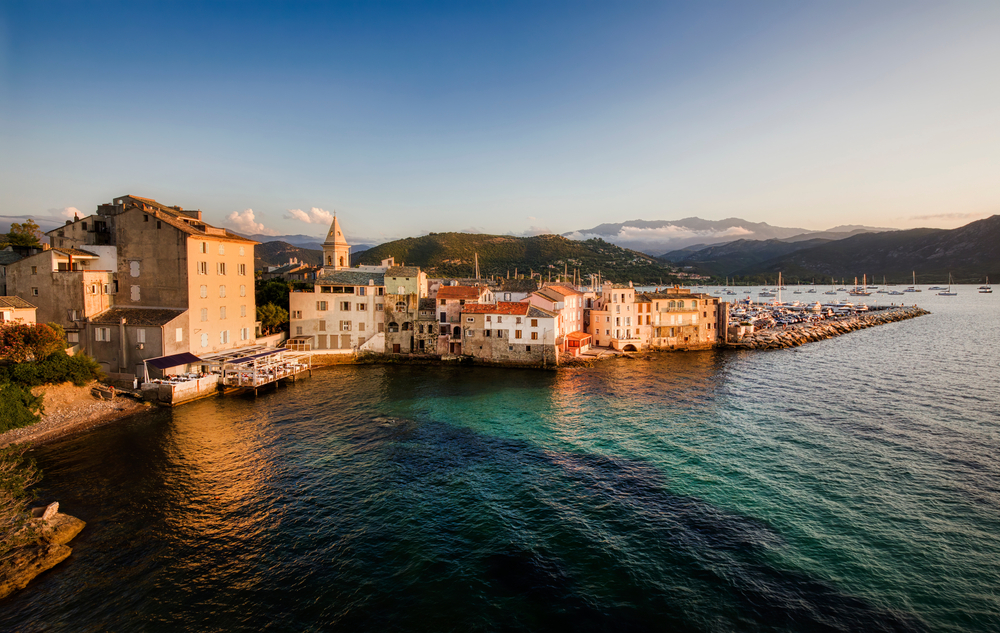

Nestling in a sumptuous gulf between the turquoise sea and majestic mountains, Saint-Florent is one of Corsica’s little-known gems. Nicknamed the “Corsican Saint-Tropez”, this charming seaside town on Cap Corse offers an idyllic setting where Mediterranean authenticity, historic heritage and unspoilt wilderness come together. With its picturesque narrow streets, imposing Genoese citadel, mythical Agriates desert and heavenly beaches, Saint-Florent promises an unforgettable getaway for lovers of Corsica. Whether you’re a hiking enthusiast, a history buff, an epicurean in search of Corsican flavours or simply a contemplative visitor in search of breathtaking scenery, this destination has something to appeal to every type of traveller. Here is our selection of the 12 must-do things to do when visiting Saint-Florent and the surrounding area.
See also the Corsica guide :
- The best places to visit in Haute-Corse
- What to do in Bastia Top 5 activities + Good tips
- Top 6 best hotels in Bastia
- Top 10 culinary specialities in Bastia
- The most beautiful villages in Corsica around Bastia
- Corsica’s 10 most beautiful waterfalls for swimming
- GR 20: discover Corsica’s legendary hike
- Top 6 of the best Corsican campsites by the sea
1. Stroll around the old town of Saint-Florent
Start your discovery of Saint-Florent with a stroll through its old town, a veritable concentrate of Mediterranean charm. The narrow cobbled streets wind between colourful houses with sun-washed shutters, creating a typically Corsican atmosphere. Along the way, you’ll come across shady squares where you’ll find an incomparably relaxed way of life. The Place des Portes and the Place de la Doria are the beating hearts of the village, where the locals get together for a game of pétanque or simply to exchange the news of the day.
Take time to admire the old façades, the architectural details and the little fountains that cool the atmosphere in summer. The old stalls have been transformed into art galleries, local craft shops and small family-run restaurants where you can sample local produce. In the late afternoon, when the golden light caresses the warm stones, the old town of Saint-Florent reveals all its poetry.
2. Visit the Genoese citadel
Perched above the port, the citadel of Saint-Florent is one of the town’s most emblematic historic monuments. This imposing circular fortress was built by the Genoese in 1439 to protect the coast from invasion. Having survived the centuries and withstood numerous assaults, it still stands proudly, whitened by the Mediterranean sun.
Today, the citadel houses a cultural centre that regularly organises exhibitions of contemporary art in its keep. In summer, it also becomes a place of festivities, with concerts and popular evenings that bring its ancient walls, steeped in history, to life. But the real treasure of the citadel is the spectacular panoramic view it offers from its esplanade. From up there, you can take in the whole bay of Saint-Florent, the turquoise gulf, the bustling marina and, in the distance, the arid outlines of the Agriates desert. It’s a breathtaking sight, especially at sunset.
3. Stroll around the marina
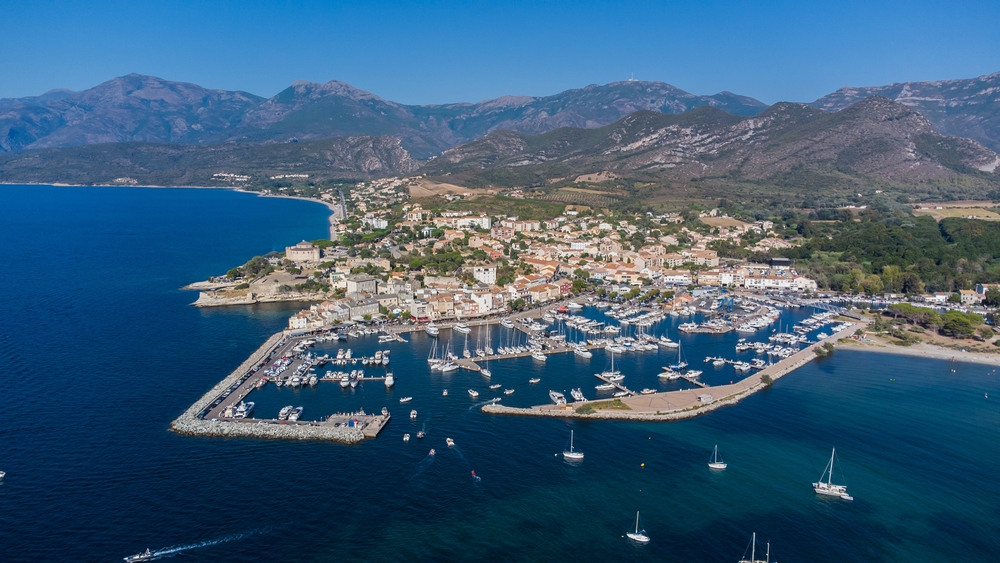
The port of Saint-Florent is undoubtedly the liveliest and most photogenic part of the town. Framed by the Nebbio mountains and opening onto a bay of crystal-clear waters, this modern marina contrasts with the authenticity of the old village. Luxury yachts and traditional fishing boats line the quaysides, bearing witness to the maritime history of Saint-Florent, which was long a fishing village.
The harbour promenade is lined with restaurants and terraces where you can enjoy seafood while admiring the ballet of boats. The atmosphere is relaxed during the day, when the fishermen sell their morning catch, and becomes festive at nightfall, when the establishments come alive with laughter and music. It’s the ideal place to soak up the unique atmosphere of Saint-Florent, halfway between island simplicity and Mediterranean elegance. Don’t hesitate to visit at the end of the day to enjoy the sunset over the bay.
4. Exploring the Agriates Desert
Contrary to what its name might suggest, the Agriates Desert is not a desert of sand, but a vast expanse of wild scrubland, rugged rocks and heavenly coves. This exceptional natural site covers almost 15,000 hectares between Saint-Florent and the mouth of the Ostriconi river. It is one of the last unspoilt coastal areas in the Mediterranean and one of the largest protected natural sites in the Mediterranean basin.
The writer Pierre Benoit wrote of it: “It looks like an immense field of bones, a remote and disquieting land, where the imagination readily wanders: the dolmens are the ogre’s ships and the bridges are the Devil’s buildings”. This poetic description captures the austere yet fascinating nature of this land. Despite its inhospitable appearance, the Agriates desert is home to an exceptionally rich fauna and flora: birds of prey, wild boar, mouflons, as well as streams, dense vegetation of fragrant shrubs and heavenly beaches that are among the most beautiful in Corsica.
There are several ways to visit Bastia and the surrounding area from the Agriates Desert: on foot or by mountain bike along the customs path, by road via a bumpy track (not recommended for passenger cars), or by sea with the shuttle service from Saint-Florent. The latter option offers the advantage of discovering the wild coastline from the water, with easy access to the legendary beaches of Saleccia and Lotu.
5. Relaxing on heavenly beaches
Saint-Florent and the surrounding area is a veritable paradise for beach-goers. The region boasts sumptuous beaches that rival each other in beauty. The most accessible, Plage de la Roya, is just a few minutes’ walk from the town centre. Bordered by a shady pine forest, this long stretch of fine sand with calm waters is ideal for families and for those who want to enjoy the sea without being far from amenities.
But the absolute gems are to be found in the Agriates desert. Saleccia beach, often cited as one of the most beautiful beaches in Corsica, is well worth a visit in its own right. Accessible after a 12-kilometre hike or by boat, this natural wonder unveils a kilometre of immaculate white sand bordered by dunes and centuries-old Aleppo pines, all bathed in turquoise waters worthy of the Caribbean. Its relative isolation gives it an incomparable wild and unspoilt atmosphere.
Lotu beach, smaller but just as splendid, nestles in a protected cove in the Agriates Desert. Its crystal-clear waters are a delight for snorkellers. And don’t miss the beaches ofOlzu,Ospedale and Malfalco, three coves of sand and pebbles in stunning shades of blue. The latter is particularly popular with hikers, bikers and yachtsmen who follow the customs path.
6. Hiking on the customs trail
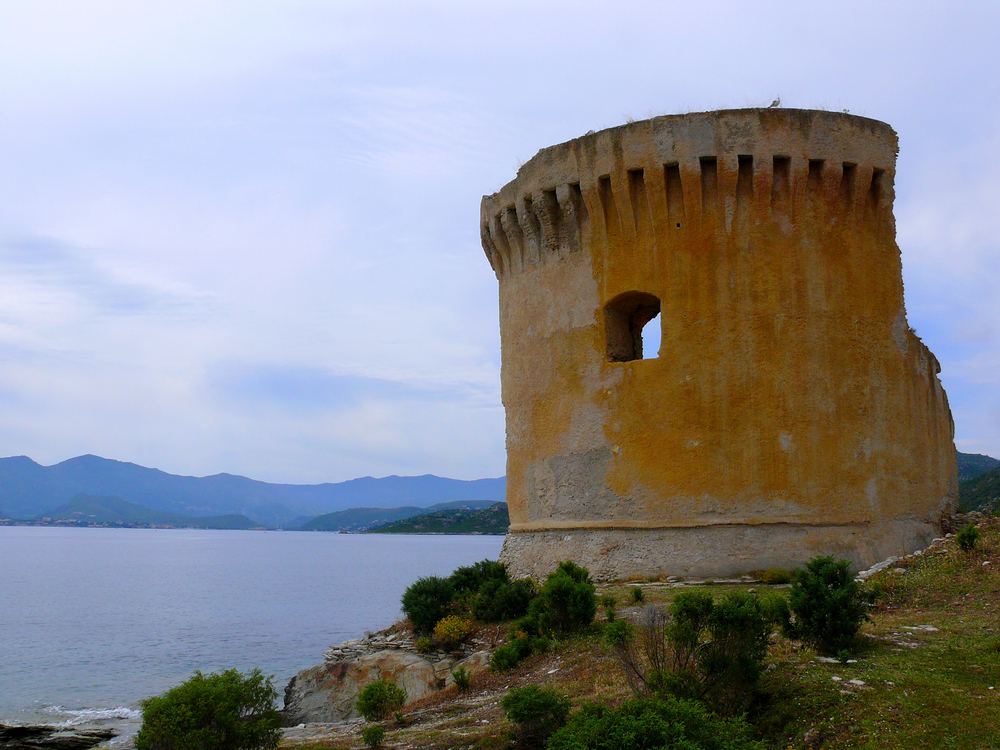
The Sentier des douaniers, also known as the coastal path, is without doubt the most beautiful hike to take from Saint-Florent. This historic coastal path, once used by guards to keep an eye on smugglers, winds along the wild coastline of the Agriates Desert, offering breathtaking views of the Mediterranean Sea.
The entire route is divided into several stages. The first, from Saint-Florent (starting at Plage de la Roya) to Saleccia beach, takes around six hours to complete. Along the way, you’ll discover the Tour Mortella, an ancient Genoese tower, and the magnificent Lotu beach. More experienced walkers can continue from Saleccia to Ghignu (three hours), then from Ghignu to Ostriconi beach (six hours), where the river Ostracon flows into the sea in a spectacular setting.
This walk, accessible to all on the first sections, passes through a variety of landscapes: fragrant scrubland, steep rocks, secret coves and breathtaking viewpoints. Bring plenty of water, a hat and sun protection, as there is little shade on this exposed path. Stopover gîtes and inns line the route for those wishing to explore the entire trail over several days.
7. Discover the Cathedral of Santa Maria Assunta
A few kilometres from the centre of Saint-Florent, amidst the vineyards, stands the stunning Cathedral of Santa-Maria-Assunta, also known as the Cathedral of the Nebbio. This jewel of Romanesque art, built in the 12th century by the Pisans, is considered to be the most elaborate medieval monument in Corsica. Its sober but elegant architecture, its stone gilded by time and its stylised sculptures of great finesse bear witness to the refinement of the Pisan period.
The interior of the cathedral, bathed in soft light filtering through the narrow windows, is an invitation to meditation and contemplation. The sculpted capitals, marble columns and fresco remains are reminders of the past splendour of this building, which was the seat of the bishopric of Nebbio until the 18th century. During your visit, take the time to walk around it to appreciate the harmony of its volumes and the purity of its lines. The surrounding countryside, between vineyards and hills, adds to the magic of the place.
8. Take a boat trip
To visit Saint-Florent without taking a boat trip would be to miss out on an unforgettable experience. From the port, numerous companies offer full-day or half-day excursions to discover the wonders of the Corsican coastline from the sea. These maritime excursions will take you along the wild coastline of the Agriates desert, with its sheer cliffs, inaccessible coves and unreal blue waters.
Some excursions head north along Cap Corse and its hilltop villages, while others head south towards Île-Rousse. The most complete excursions combine the discovery of the Agriates desert with swimming stops at the beaches of Saleccia and Lotu, where you can take a dip in the crystal-clear waters and enjoy a heavenly setting far from the crowds. Some service providers also offer catamaran, sailboat or RIB trips to observe the dolphins that regularly frequent these fish-filled waters.
For a more intimate experience, opt to hire a boat, with or without a licence. You’ll be in control of your itinerary and can drop anchor in the secret coves of your choice. A day at sea is one of the best memories you’ll have of your stay in Saint-Florent.
9. Water sports
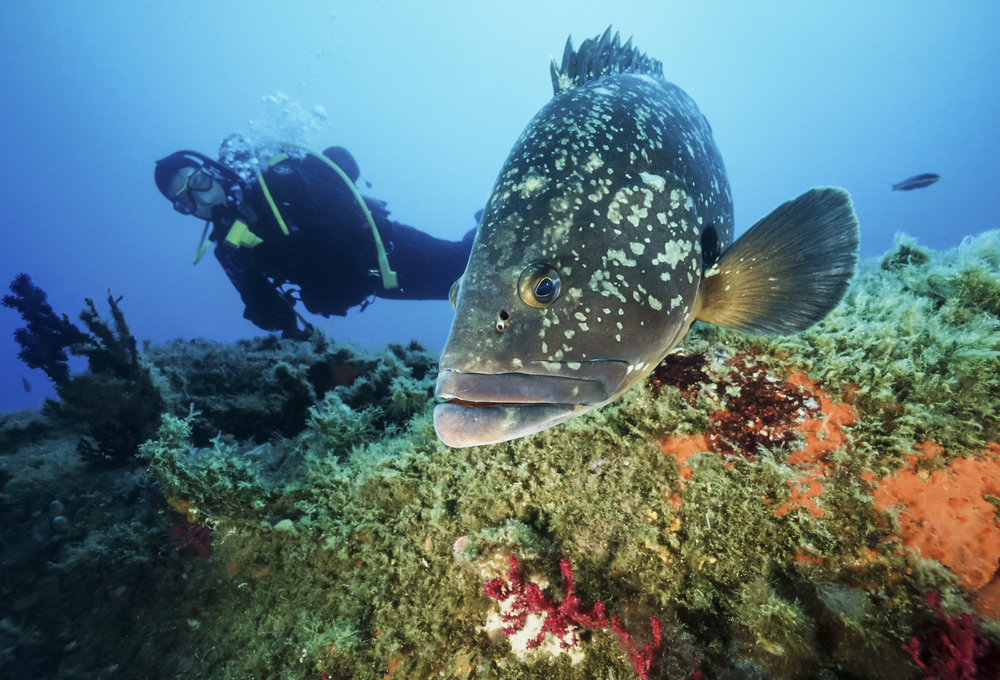
With its clear waters, rich seabed and ideal weather conditions, Saint-Florent is the perfect playground for water sports enthusiasts. Scuba diving tops the list of activities not to be missed. The seabed in the Gulf of Saint-Florent is home to an incredibly diverse array of Mediterranean flora and fauna: groupers, moray eels, octopus, shoals of silver fish moving between colourful gorgonians and red coral.
Several diving clubs based in the harbour offer introductory dives for beginners and explorations for experienced divers. Among the most famous sites are the Pointe de Curza, the Roche de Nonza and La Vecchia, where the vertiginous drop-offs and underwater caves offer spectacular diving. For those who prefer to stay on the surface, snorkelling around the beaches of Lotu and Saleccia offers a wealth of underwater life.
And there’s no shortage of other water sports: paddleboarding, sea kayaking, jet-skiing, water-skiing, flyboarding and even kitesurfing are sure to please even the sportiest of sailors. Several water sports centres offer introductory courses and equipment hire. The sheltered gulf of Saint-Florent, with its calm waters and steady breeze, offers perfect conditions for indulging in these aquatic pleasures.
10. The Nebbio and Patrimonio wine routes
A visit to Saint-Florent also means discovering an exceptional wine-growing region. The Nebbio region, and in particular the village of Patrimonio just a few kilometres away, produces some of the best wines in Corsica. The wine route that criss-crosses these sun-drenched hillsides is a delight for lovers of oenology and beautiful landscapes.
The vineyards stretch over limestone soils that are unique to Corsica, giving Patrimonio wines their distinctive character. Although the region produces some famous reds and rosés, it is above all the white wine and the famous Muscat de Patrimonio that have made the appellation famous. Some forty wineries open their doors to visitors for tastings and cellar tours. Here you can discover the passionate work of the winegrowers and the secrets behind the production of these island nectars.
On your wine tour, don’t miss the village of Patrimonio itself. Perched high up on the hillside, it offers breathtaking views over the verdant valley and the Gulf of Saint-Florent in the distance. Its baroque church of Saint-Martin, a jewel of Corsican religious architecture, is also well worth a visit. Strolling through the cobbled streets of Patrimonio, stopping at a terrace to enjoy a glass of fresh Muscat while admiring the panorama: this is an authentic experience that sums up the Corsican art of living.
11. Taste Corsican gastronomic specialities
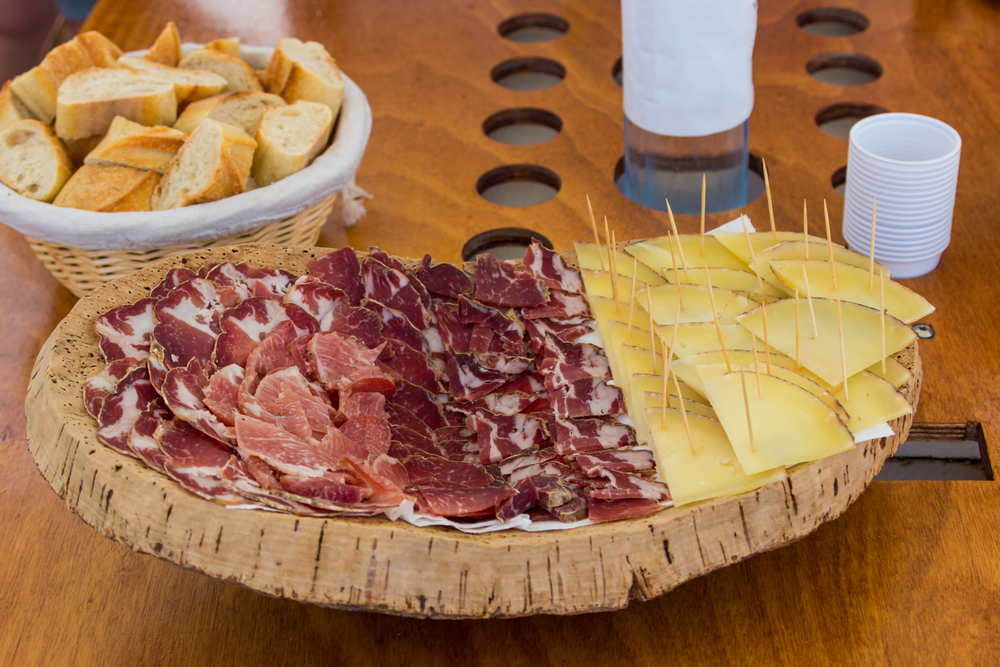
Corsica’s gastronomy alone justifies a trip to Saint-Florent. The island of Beauty has a rich and authentic culinary tradition, the fruit of a generous land and ancestral know-how. In the restaurants of the port and the town centre, you can sample typical dishes that will tantalise your taste buds.
Start your feast with a platter of Corsican charcuterie: coppa, lonzu, figatellu and prisuttu (cured ham) will melt your heart. These subtle, fragrant pork meats, from pigs reared in semi-freedom in the maquis, are inimitable. Continue with cannelloni made with Brocciu, a typically Corsican fresh sheep’s or goat’s cheese, or indulge in roast goat’s kid with sage and oregano, the scent of which will fill your table.
On the seaside, lobsters, freshly caught grilled fish and seafood will delight seafood lovers. Don’t forget to try Corsican cheeses accompanied by fig jam, a veritable symphony of flavours. To finish on a high note, try a chestnut flan, canistrelli (Corsican biscuits) or fiadone (Brocciu and lemon cake). Wash it all down with a Patrimonio wine and finish with a myrtle liqueur, the island’s emblematic digestif. So you’ve got it: a visit to Saint-Florent is all about taking your taste buds on a journey and succumbing without restraint to the delights of the Corsican table.
12. Attend the Porto Latino festival
If you’re lucky enough to visit Saint-Florent at the end of August, make sure you don’t miss the Porto Latino festival. Since 1998, this musical event has transformed the peaceful seaside town into a feverish Latin American stage. For four days, generally from 25 to 28 August, Saint-Florent vibrates to the rhythm of salsa, bachata, reggaeton, cumbia and all the musical styles of Latin America and the Caribbean.
Renowned international artists perform on several stages set up in the village and on the harbour. The atmosphere is festive, colourful and warm, attracting thousands of spectators from all over Corsica and the mainland. Between the concerts, dance classes, workshops and entertainment immerse the public in a tropical atmosphere. The terraces of restaurants and bars keep the party going late into the night, creating a unique atmosphere that contrasts with the usual tranquillity of Saint-Florent. Over the years, the Porto Latino festival has become an essential part of the Corsican summer, celebrating music, dance and cultural fusion in an idyllic Mediterranean setting.
Download the audio tour to discover Bastia on foot and on your own
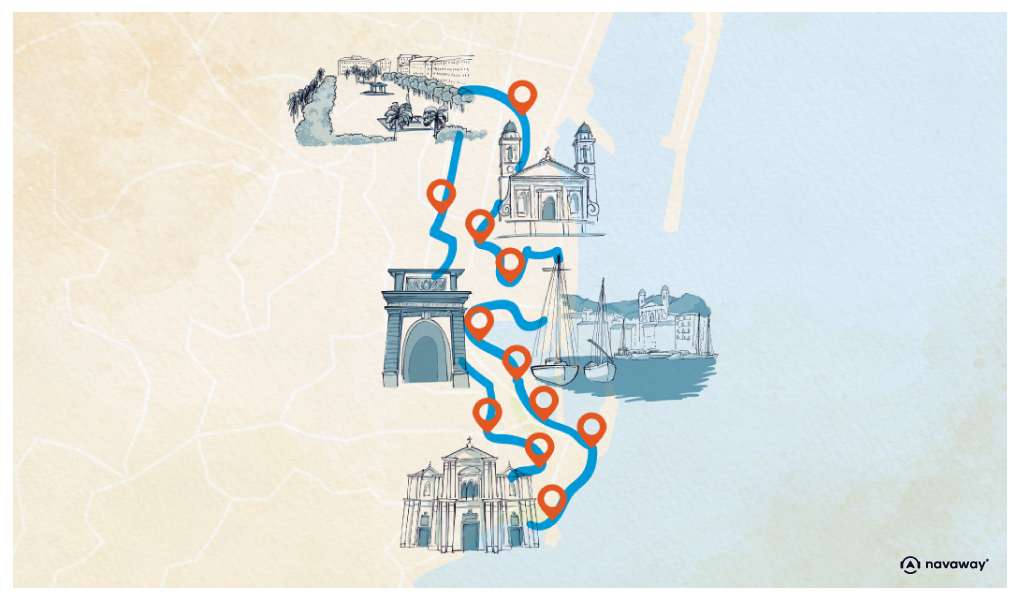
Although Saint-Florent doesn’t yet have its own Navaway audio tour, neighbouring Bastia does have a complete tour to explore the city at your own pace. Just a 40-minute drive from Saint-Florent, Bastia makes an excellent extension to your stay in the Gulf. The Navaway app guides you through 21 major points of interest in the capital of Haute-Corse, with audio commentary packed with historical and cultural anecdotes. Whether you’re a fan of history, architecture or simply curious to discover the authenticity of Corsica, this itinerary for visiting Bastia will help you make the most of your time and make sure you don’t miss out on any of the city’s treasures. It’s a modern, fun way to visit Bastia on your own, at your leisure.
In conclusion, Saint-Florent is a Corsican destination of unsuspected wealth, capable of satisfying every desire. With its heavenly beaches worthy of the most beautiful postcards, its historic heritage bearing witness to centuries of eventful history, its unspoilt wild landscapes of the Agriates desert and its generous gastronomy, the little seaside town of Nebbio richly deserves its nickname of “Corsica’s Saint-Tropez”. But unlike its cousin in Provence, Saint-Florent has managed to preserve its authenticity and island soul, far removed from mass tourism. Whether you come here to hike the customs path, bask on the beaches of Saleccia or Lotu, explore the Genoese citadel, sail in the turquoise gulf or taste the wines of Patrimonio, you’ll leave with unforgettable memories. To complete your discovery of Haute-Corse, don’t hesitate to extend your stay by exploring the surrounding villages and following the itinerary to visit Bastia, the natural gateway to Cap Corse and its wonders. Saint-Florent is waiting to reveal all its secrets and offer you the authentic Corsican experience you’ve been dreaming of.
Frequently asked questions about Saint-Florent
How do I get to Saint-Florent?
The nearest airport to Saint-Florent is Bastia-Poretta, around 40 minutes’ drive away (23 km). There are many daily flights between Bastia and the main French cities. From Bastia airport or port (if arriving by ferry), you can hire a car or take a bus to Saint-Florent. The coastal road to Saint-Florent offers magnificent views of the Corsican coastline.
When is the best time to visit Saint-Florent?
The best time to visit Saint-Florent is from May to October. May, June and September offer an excellent compromise: pleasant temperatures, a warm sea, fewer people than in July and August, and lower prices. If you want to attend the Porto Latino festival, plan your stay for late August. Hikers will prefer spring (April-May) or autumn (September-October), when temperatures are milder for walking. Summer (July-August) is ideal for swimming, but crowds are at their peak and prices are high.
How long will it take to visit Saint-Florent?
To make the most of Saint-Florent and the surrounding area, allow at least three to four days. This will allow you to explore the village, take an excursion to the Agriates desert, hike the customs path, visit the Patrimonio vineyards and relax on the beaches. If you want to explore more of the Cap Corse region and combine it with a visit to Bastia, a week won’t be too much. Saint-Florent is also an excellent base from which to explore the whole of northern Corsica.
How do I get to Saleccia and Lotu beaches?
There are several options for getting to the famous beaches of the Agriates Desert. The most comfortable option is to take a sea shuttle from the port of Saint-Florent (regular departures in season). You can also take the customs path on foot (around 3 hours for Lotu, 5-6 hours for Saleccia) or by mountain bike. A 12km track leaves from the D81, but it is very difficult and not recommended for passenger cars (4x4s strongly recommended). Last but not least, you can hire a boat to access these heavenly beaches in complete freedom, while enjoying the spectacular scenery along the coast.
Where to stay in Saint-Florent?
Saint-Florent offers a wide range of accommodation to suit all budgets. If you want to be at the heart of the action, choose accommodation in the historic centre or right next to the port. The Fromontica district, near the Roya beach, is also very popular for its seaside atmosphere. If you’re looking for peace and quiet, the slightly elevated Tettola district is a good alternative. The town has hotels of all categories, charming B&Bs, holiday rentals and several well-equipped campsites. Remember to book well in advance, especially for the high summer season when Saint-Florent is often fully booked.
200 audioguided tours for cities all around the world
Download