Visiting Millau: 10 must-sees and must-dos
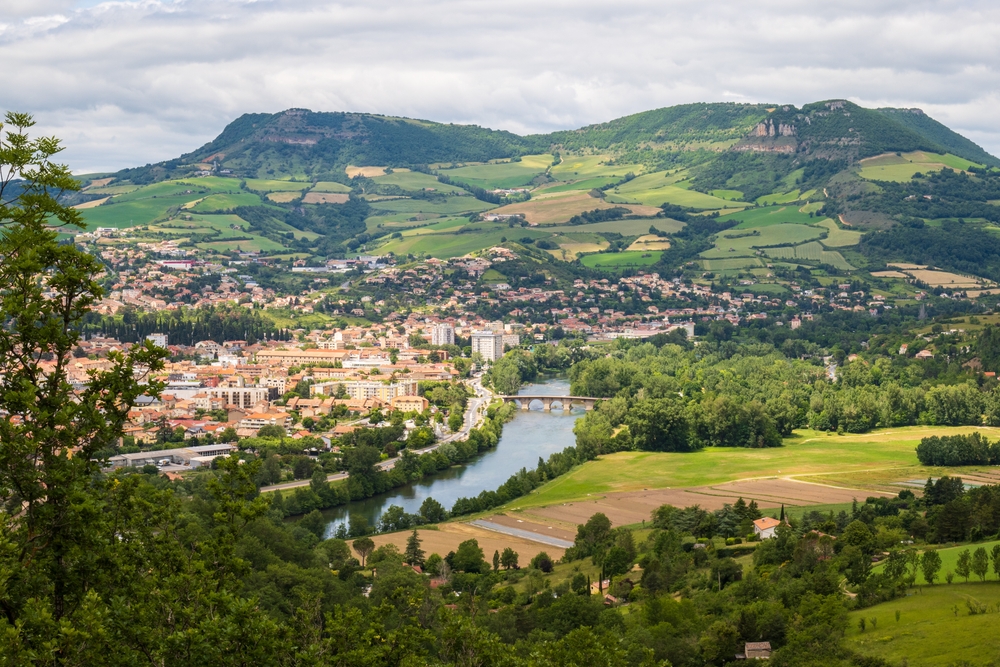

Nestling between the majestic Causses and the spectacular gorges of the Tarn, Millau is an exceptional destination in Aveyron. This thousand-year-old town, dominated by its iconic viaduct, combines a historic heritage with a grandiose natural setting. From the medieval streets of the historic centre to the breathtaking cliffs in the surrounding area, via the stone villages and Templar sites, Millau offers a range of unforgettable experiences. From cultural discoveries to outdoor activities, get ready to explore one of the most beautiful destinations in the south of France.
See also the Occitanie guide :
- Top 10 things not to miss in Occitanie
- Discover the vineyards of the South-West
- The 11 most beautiful villages in Aubrac to visit
- The 18 must-sees for discovering Occitania
- 110 most beautiful places to visit in France
- 20 must-see weekend ideas around Montpellier
- The most beautiful villages to discover in Occitanie
- 12 waterfalls in Occitanie where you can swim in the heart of nature
1. The Millau Viaduct
Visiting Millau without admiring its viaduct would be unthinkable! Inaugurated in 2004, this work of art designed by Norman Foster and Michel Virlogeux has become the symbol of the town. At 2,460 metres long and with 343-metre-high pylons, it holds the record for the highest road bridge in the world. Crossing it on the A75 motorway offers breathtaking panoramic views over the Tarn valley, while the Aire du Viaduc offers a comprehensive exhibition on its construction.
The best time to photograph the viaduct is at sunrise or sunset, when the light gilds its elegant cables. Numerous viewpoints in the valley allow you to fully appreciate the technical and aesthetic prowess of this suspended cathedral.
Practical info: Free access to the viewpoints. Viaduct area open every day from 9am to 5.50pm. Paying exhibition: adults €9, children €7.
2. Millau’s historic centre and belfry
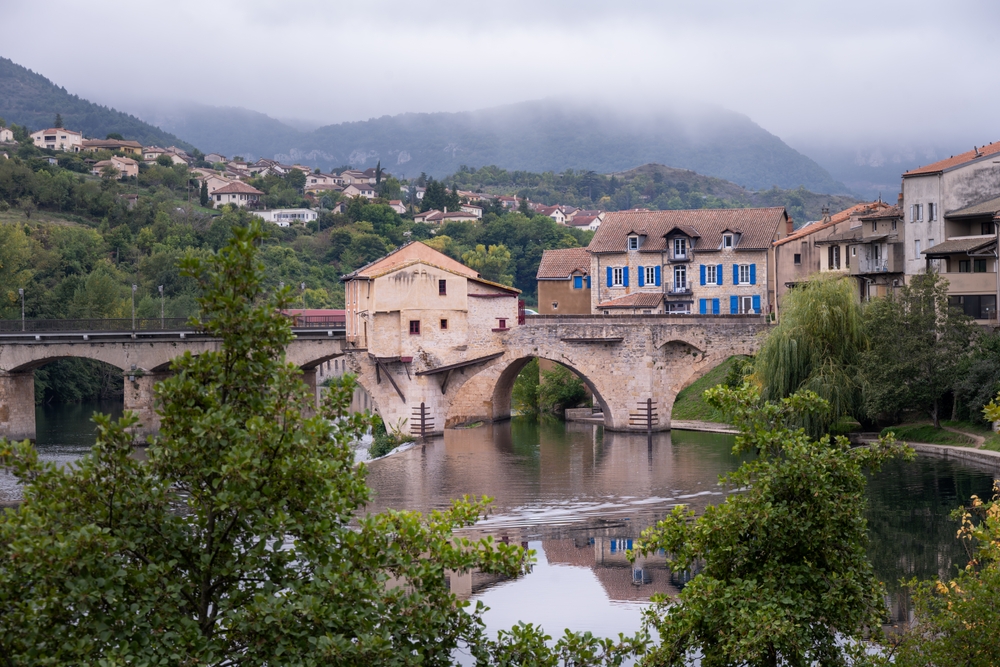
The medieval heart of Millau reveals over two millennia of history through its cobbled streets and ancient facades. Take a stroll around the shady squares and you’ll discover medieval arcades, Renaissance town houses and remarkable religious buildings. The authentic atmosphere of this pedestrianised district is an invitation to stroll and discover to the rhythm of the belfry’s bells.
The belfry: a symbol of royal power
Perched 42 metres high, Millau’s belfry (Place Maréchal Foch, 12100 Millau, rated 4.5/5 on Google for over 800 reviews) proudly dominates the old town centre. The former tower of the palace of the kings of Aragon, this listed monument offers an exceptional panoramic view of the town and its surroundings. Climbing the 210 steps rewards visitors with a 360° view of the viaduct, the Gorges du Tarn and the Causse plateaux.
Practical info: Open Wednesday to Sunday from 10am to 5.30pm (variable according to season). Admission: adults €5, children aged 7-17 €3, under 6s free.
The Old Bridge
Built in the 12th century, the Pont Vieux spans the Tarn majestically with its stone arches. The main point of access to the fortified town during the Middle Ages, it is now a popular place to take a stroll, offering uninterrupted views of the viaduct and the green banks of the river. It’s an ideal spot for photographs and moments of contemplation.
3. The Millau and Grands Causses Museum
Housed in the magnificent 18th-century Hôtel de Pégayrolles, the Musée de Millau (Place Maréchal Foch, 12100 Millau, rated 4.4/5 on Google out of 450 reviews) boasts some exceptional collections. From prehistory to the present day, the rooms reveal the fascinating history of the town and its surrounding area. The archaeological section features one of the largest collections of amphorae in Europe, testifying to the influence of Gallo-Roman pottery at La Graufesenque.
The permanent exhibition on glove-making in Millau illustrates the expertise that made the town world-famous in the 19th and 20th centuries. From palaeontology to the traditions of the Causses, each floor has its own surprises in store. The museum also hosts temporary exhibitions and concerts throughout the year.
Practical info: Open Tuesday to Sunday, 10am to 6pm. Free admission. Audioguides available: €3.50. Guided tours by prior arrangement on 05 65 59 01 08.
4. La Graufesenque, a major archaeological site
Just 2 kilometres from the town centre, the Graufesenque archaeological site (Avenue Louis Balsan, 12100 Millau, rated 4.3/5 on Google out of 280 reviews) takes visitors back to the Gallo-Roman era. In the 1st century AD, this ceramic production centre was one of the most important in the Roman Empire. Excavations have uncovered potters’ workshops, monumental kilns and the remains of several craft buildings.
The exceptional quality of the sigillated ceramics produced here spread to the farthest reaches of the Empire. A small museum completes the visit, with detailed explanations and impressive original pieces. Self-guided or guided tours are available depending on the season, to give you a better understanding of the manufacturing techniques and organisation of this ancient industrial complex.
Practical info: Open Wednesday to Friday, 10am to 6pm (extended hours in summer). Free admission. Guided tours: €4.50.
5. Outdoor activities in the Gorges du Tarn
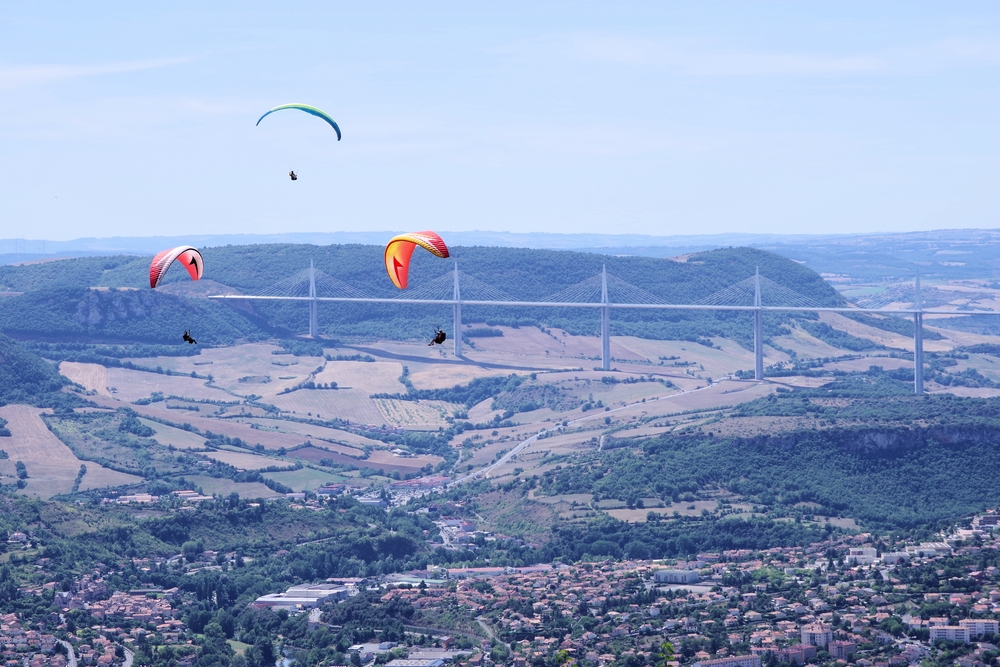
Visiting Millau also means taking advantage of an exceptional natural playground. Between the Tarn, Jonte and Dourbie gorges, the possibilities for outdoor activities are endless. The Millau area has established itself as one of Europe’s leading destinations for outdoor sports.
Paragliding and hang-gliding
The Pouncho d’Agast and Causse Noir sites welcome paragliders from all over the world. The exceptional thermal currents make for unforgettable flights over the gorges. First flights are available for beginners with qualified instructors. Flying conditions are optimal from May to September.
Climbing on limestone cliffs
The Gorges du Tarn and the Boffi sector offer hundreds of climbing routes for all abilities. The limestone walls, sometimes several hundred metres high, offer technical climbing in an imposing natural setting. Climbing schools and professional guides are on hand to help beginners and experienced climbers alike.
Canyoning and water trekking
The canyons of the Gorges du Tarn offer spectacular water courses, with natural slides, jumps into emerald pools and abseiling. With a range of difficulty levels, this refreshing activity is perfect for families and experienced sports enthusiasts alike. Professional supervision and equipment supplied by local service providers.
Practical info: Numerous service providers in Millau. Booking recommended in high season. Prices vary according to activity: from €45 (paragliding experience) to €85 (canyoning day).
6. The stone town of Montpellier-le-Vieux
18 kilometres from Millau, the Cité de Pierres (Lieu-dit Le Maubert, 12100 Millau, rated 4.3/5 on Google for over 1,200 reviews) is the largest rocky chaos in Europe. Over an area of 120 hectares, erosion has carved amazing formations out of the dolomites, reminiscent of city ruins. Rocks in the shape of mushrooms, animals or buildings follow one another in a fascinating mineral labyrinth.
There are five signposted trails, varying in length from 1 to 3 hours, to explore this exceptional natural site. Spectacular views of the Causses and the gorges line the trails. A small tourist train provides easy access for families. Picnic area, refreshment bar and shop on site. A favourite with children for its adventure and mystery.
Practical info: Open daily from 9.30 am to 5.30 pm (March to November). Prices: adults €10, children €7. Little train: supplement €4. Free car park.
7. Typical villages around Millau
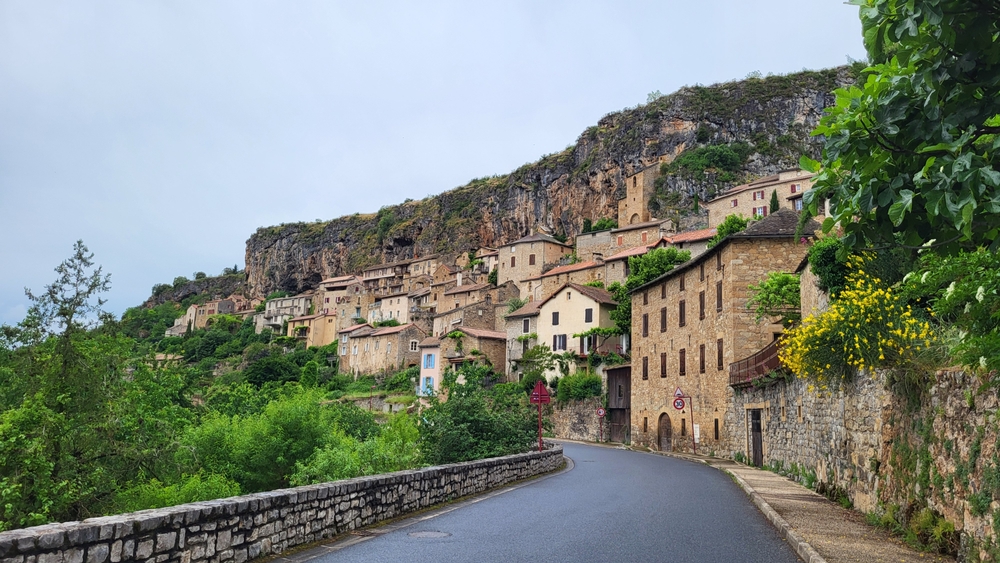
The stone villages that surround Millau rival each other for authenticity and charm. These medieval villages perched on the foothills of the Causses offer splendid panoramic views and bear witness to a rich architectural heritage.
Peyre, troglodyte village
Listed as one of the Most Beautiful Villages in France, Peyre (D41, 12100 Compregnac, rated 4.6/5 on Google out of 320 reviews) nestles at the foot of a tufa cliff 7 kilometres from Millau. Its houses carved directly into the rock and its partly troglodytic church fascinate visitors. The view of the Millau Viaduct from the high streets is simply breathtaking. There is a signposted trail to help you discover the architectural features of this unusual village.
Compeyre, sentinel of the Tarn
15 kilometres from Millau, the fortified village of Compeyre (12520 Compeyre) guards the entrance to the Upper Tarn Valley. Its picturesque streets lined with stone houses, its medieval keep and its many wine cellars bear witness to a rich wine-growing past. The panoramic view from the ramparts takes in the meandering Tarn and the breathtaking cliffs of the gorges.
Peyreleau, where the gorges meet
Perched at the confluence of the Jonte and Tarn gorges, Peyreleau offers an exceptional panorama of the cornices of the three Causses. This medieval village with its narrow streets is home to a remarkable heritage. The Tour de Peyreleau offers a spectacular viewpoint. Several hiking trails leave from the village to explore the surrounding causses and gorges.
8. The Templar and Hospitaller sites of Larzac
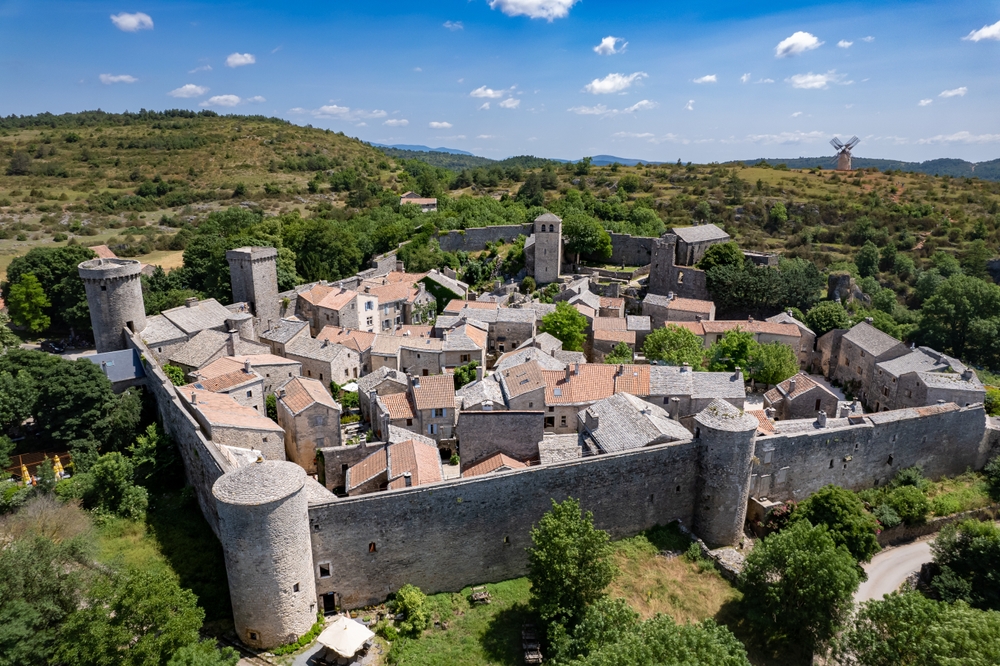
The Larzac plateau, a UNESCO World Heritage site, is home to an exceptional heritage linked to medieval military orders. Fortified villages and commanderies bear witness to the power of the Knights Templar and Hospitallers in this strategic region.
La Couvertoirade, Templar town
Listed as one of the Most Beautiful Villages in France, La Couvertoirade (12230 La Couvertoirade, rated 4.6/5 on Google out of 1850 reviews) is one of the few remaining intact Templar villages. Its 15th-century ramparts enclose a Romanesque church, castle and cobbled streets. Craft shops keep local traditions alive. Guided tours are available to discover the fascinating history of the knights who shaped this village.
Sainte-Eulalie-de-Cernon
The village of Sainte-Eulalie-de-Cernon is home to a magnificent Templar and Hospitaller commandery. The Romanesque church, former dormitories and living rooms provide an insight into the daily life of the soldier-monks. The remarkably well-preserved architectural ensemble immerses visitors in the medieval atmosphere of the Templar Larzac.
9. Caves and sinkholes on the Grands Causses
The limestone massifs of the Grands Causses are home to some spectacular underground caves. These caves, adorned with concretions dating back thousands of years, offer an enchanting spectacle for the whole family to discover.
Aven Armand
Located on the Causse Méjean, Aven Armand reveals a forest of giant stalagmites that are among the most impressive in Europe. Accessible by an underground funicular railway, the unique 60-metre-high chamber is home to 400 columns, some over 30 metres high. Sound and light show highlighting the exceptional geological formations. Constant temperature of 10°C, so bring warm clothing.
The Dargilan cave
Nicknamed the “Pink Cave of the Causses”, Dargilan (48150 Meyrueis, rated 4.5/5 on Google out of 1,100 reviews) is impressive for its size and colour. Over 2 kilometres of galleries, visitors can admire draperies, columns and flows in shades of pink. The famous Hall of Chaos and its monumental concretions are the highlight of the 1h15 guided tour.
Practical info: Caves open from April to November. Prices Aven Armand: adults €13, children €8.50. Grotte de Dargilan: adults €11, children €7.50.
10. The cellars of Roquefort-sur-Soulzon
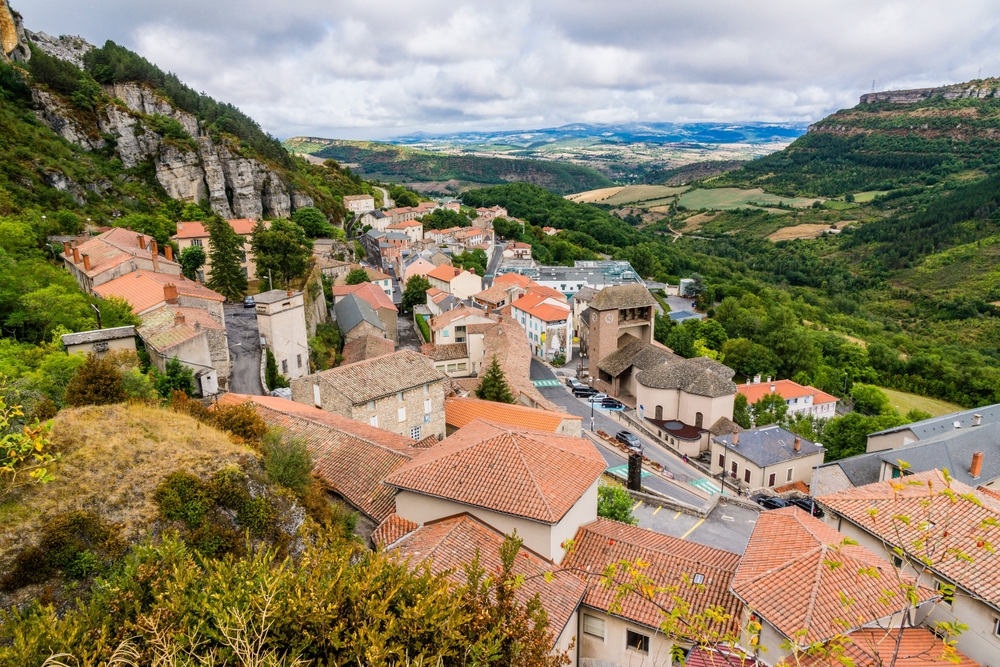
25 kilometres from Millau, the village of Roquefort-sur-Soulzon (12250 Roquefort-sur-Soulzon) has been making this famous sheep’s milk cheese for centuries. The natural caves dug into the Combalou mountain provide the unique conditions needed to mature Roquefort PDO cheese. Several producers open their caves to visitors.
Guided tours reveal the secrets of cheese-making, its age-old history and the network of natural fissures that ensure constant ventilation. Tastings of the different varieties punctuate the discovery. The Société des Caves and Caves Papillon offer the most comprehensive tours. On-site shops to take home this gastronomic treasure.
Practical info: Visits all year round, with times varying according to the season. Prices: from €6 to €8 depending on the cellar. Free for under-12s.
In conclusion, a visit to Millau means discovering a multi-faceted region where historic heritage and magnificent scenery come together in harmony. From the iconic viaduct to the Templar villages, from the spectacular gorges to the enchanting caves, each day offers its own share of emotions and discoveries. Whether you’re a history buff, a thrill-seeker or simply contemplative, Millau and the surrounding area will meet all your expectations.
FAQ – Visiting Millau
How many days should I allow to visit Millau?
Allow 3 to 4 days to discover Millau and the surrounding area. One day for the historic centre and the viaduct, one day for outdoor activities in the gorges, and two days to explore the surrounding villages, caves and natural sites. This pace allows you to get the most out of your visit without rushing.
When is the best time to visit Millau?
The ideal period is from May to September. Spring offers lush green landscapes and pleasant temperatures for hiking. Summer is a great time for water sports. September combines mild weather with moderate tourist numbers. Autumn offers beautiful light for photography.
How do I get to Millau?
By car, Millau is accessible via the A75 (free) from Clermont-Ferrand or Béziers. By train, the nearest station is in Millau itself, with services from Béziers and Clermont-Ferrand. Montpellier, Toulouse and Rodez airports are less than 2 hours away. Car hire recommended for exploring the surrounding area.
What to do in Millau when it rains?
Come rain or shine, visit the Millau Museum (free), tour the Roquefort cellars, explore the Graufesenque archaeological site, discover the caves (Aven Armand, Dargilan), or enjoy the exhibition at the Aire du Viaduc. The medieval villages also retain their charm come rain or shine.
Is Millau suitable for families with children?
Absolutely! Millau offers a wide range of family activities: the Cité de Pierres and its little train, the magical caves, canoeing on the Tarn, the beaches, the belfry with its panoramic view, and accessible hiking trails. The medieval villages fascinate young and old with their unique atmosphere.
200 audioguided tours for cities all around the world
Download