Visiting Malta: Top 10 must-sees and must-dos

Nestling in the heart of the Mediterranean, the Maltese archipelago boasts an exceptional heritage forged by three millennia of history. From the imposing fortifications of Valletta to some of the oldest megalithic temples in the world and the crystal-clear waters of Comino, Malta offers a unique concentration of cultural and natural treasures. Whether you’re a history buff, diving enthusiast or in search of picturesque villages, this Mediterranean archipelago promises an unforgettable travel experience.
Read also about the Malta guide :
- Top 10 culinary specialities in Valletta
- Top 5 things to do in Valletta
- Top 5 best hotels to stay in Valletta
1. Valletta, UNESCO listed Baroque capital
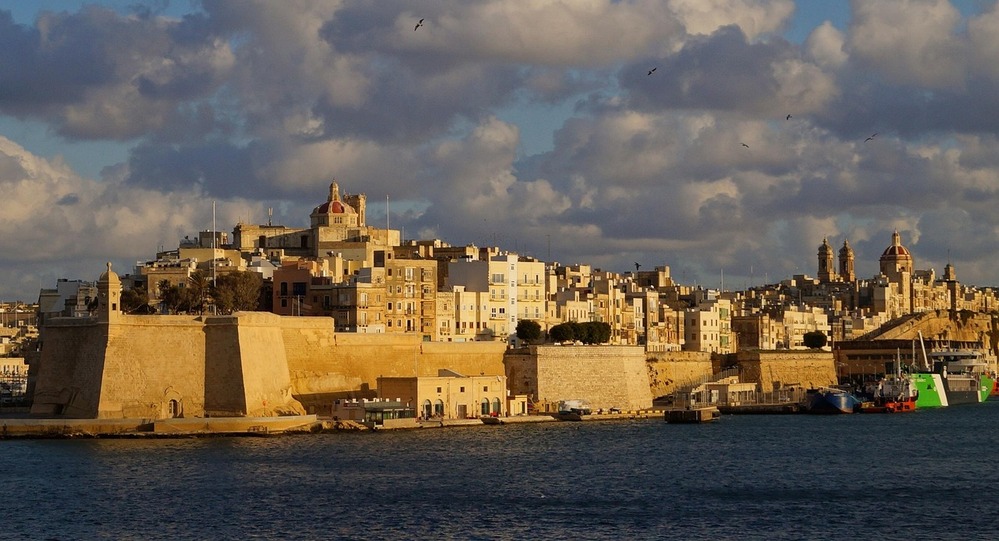
It’s impossible to visit Malta without discovering its magnificent capital. Founded in 1566 by the Knights of the Order of St John, Valletta boasts over 300 historic monuments in one of Europe’s smallest capitals. This fortified city, a UNESCO World Heritage Site, bears witness to a glorious past that blends Mediterranean influences with Baroque architecture.
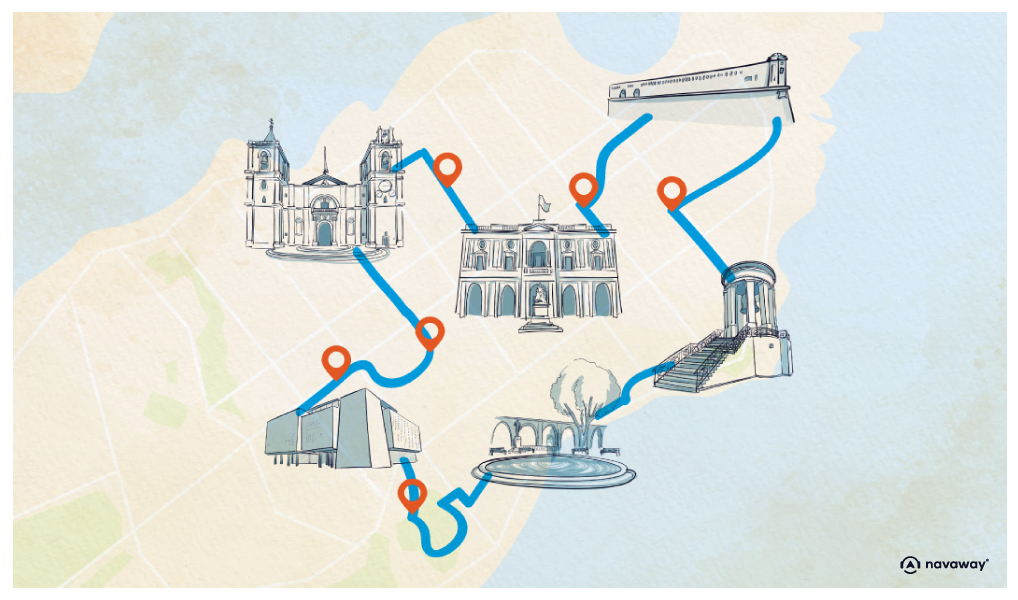
Stroll along its cobbled streets and you’ll discover St John’s Co-Cathedral (Triq San Gwann, Il-Belt Valletta, rated 4.8/5 on Google out of 15,000 reviews), a true Baroque masterpiece housing two major paintings by Caravaggio. The Upper Barrakka Gardens offer spectacular panoramic views of the Grand Harbour and the Three Cities. Don’t forget to explore the Palace of the Grand Masters, a testament to the power of the Knights of Malta.
2. Mdina, the silent medieval city
Perched on the heights of the island, Mdina epitomises medieval Malta. This ancient fortified capital, nicknamed the “City of Silence”, seduces visitors with its narrow streets where time seems to stand still. With its aristocratic palaces and baroque churches, Mdina offers a unique atmosphere, particularly in the evening when the rare visitors have left.
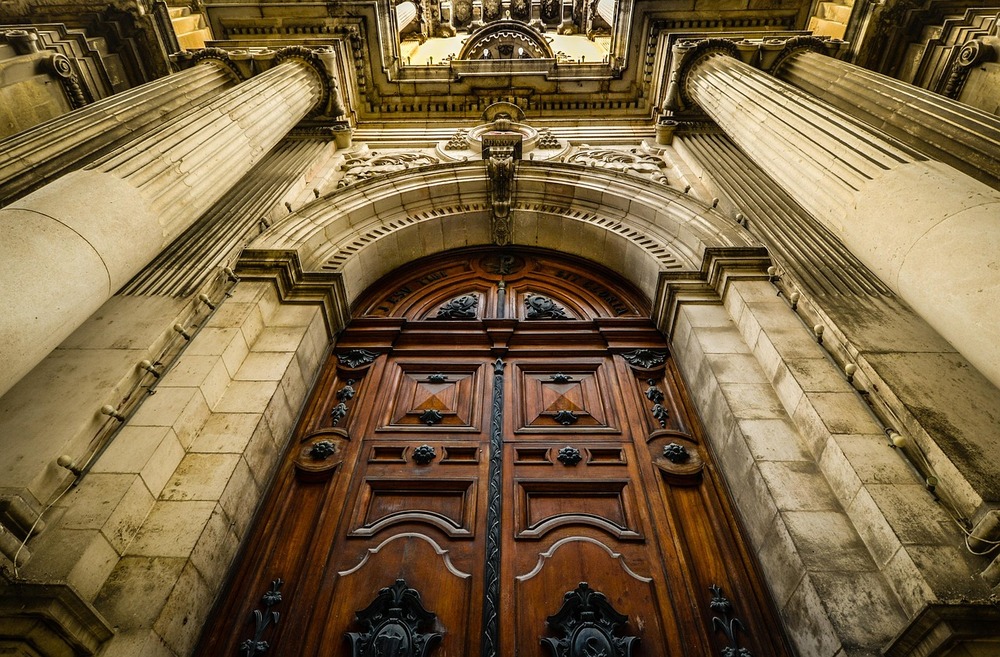
Don’t miss St Paul’s Cathedral, a magnificent Baroque building, and the Domus Romana (Wesgha tal-Musew Rabat, RBT 1202, rated 4.3/5 on Google out of 1,200 reviews), a Roman villa dating from the 1st century BC and featuring splendid mosaics. The city walls also offer exceptional views across the island to the sea.
3. The Three Cities, Malta’s historic birthplace
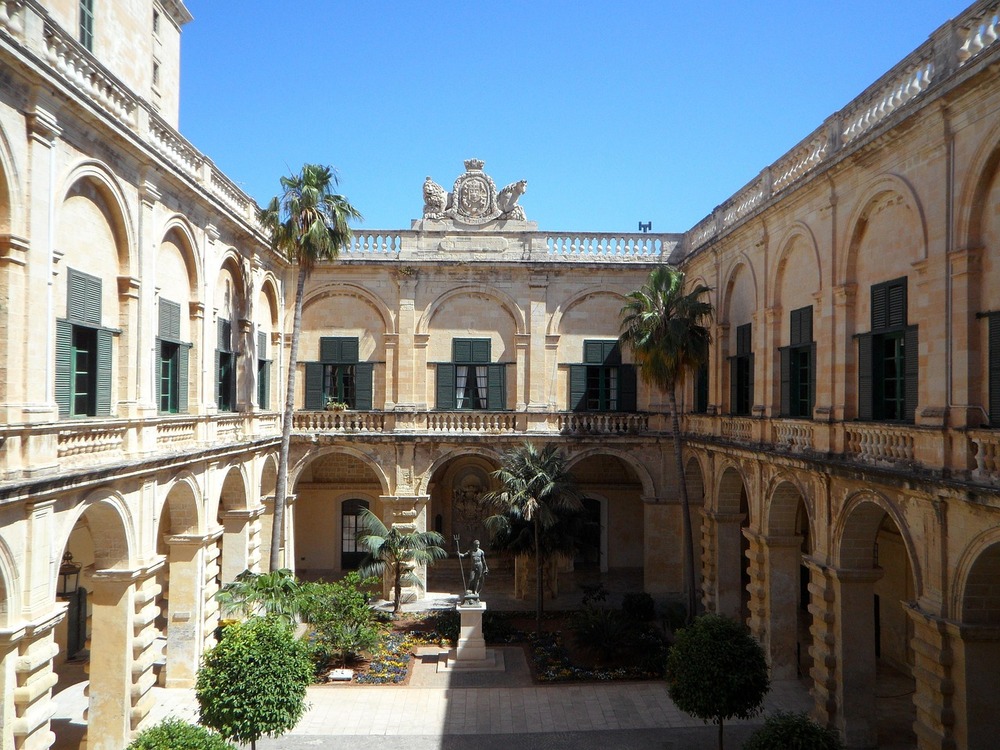
Opposite Valletta, on the other side of the Grand Harbour, the Three Cities (Vittoriosa, Senglea and Cospicua) are the oldest part of the Maltese archipelago. These three fortified towns tell the story of Malta’s tumultuous history, from the Knights of St John to the decisive battles that left their mark on the Mediterranean.
Vittoriosa, the oldest, is home to the Inquisitor’s Palace and narrow streets steeped in history. Senglea offers magnificent views from its Safehaven garden, while Cospicua has a lively seafront. A regular ferry service links Valletta with the Three Cities, making it easy to discover this unspoilt heritage while enjoying a pleasant sea crossing.
4. Comino’s Blue Lagoon, an aquatic paradise
Between Malta and Gozo lies the small island of Comino, the natural jewel of the archipelago. Its Blue Lagoon with its crystal-clear turquoise waters is a dream come true for all travellers visiting Malta. This breathtakingly beautiful natural pool offers ideal conditions for swimming and snorkelling.
Accessible by ferry from Cirkewwa or Mgarr (approximately 25-minute crossing, €10 return), Comino is a must-see getaway. Beware, however, of the summer crowds: opt for an early morning visit or a visit out of season to get the most out of this paradise. As well as the Blue Lagoon, the island also offers the equally spectacular Santa Marija Bay and Crystal Lagoon.
5. The island of Gozo, an oasis of tranquillity
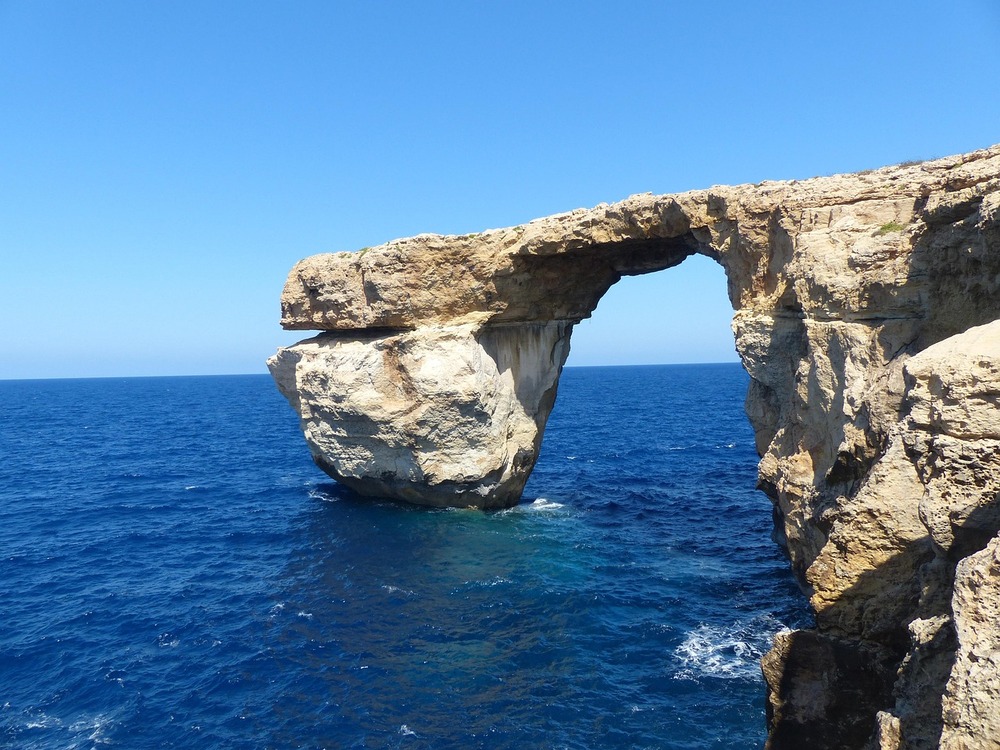
More rural and authentic than its big sister, the island of Gozo is an essential stop-off for visiting Malta in all its diversity. Accessible by ferry from Cirkewwa (25-minute crossing), this verdant island offers rural landscapes, spectacular cliffs and remarkable historic sites.
Don’t miss the citadel of Victoria (Rabat), perched on a hill and offering exceptional panoramic views. The megalithic temples of Ġgantija, older than the pyramids of Egypt, bear witness to a fascinating prehistoric civilisation. Although the famous Azure Window collapsed in 2017, the Dwejra Bay site remains spectacular with its rock formations and the Blue Hole, a diver’s paradise.
6. Megalithic temples, prehistoric treasures
Visiting Malta also means going back in time to prehistoric times. The archipelago is home to several of the world’s oldest free-standing megalithic temples, dating back 5,500 years – a thousand years longer than the pyramids of Egypt. These sites, listed as UNESCO World Heritage Sites, are an exceptional testimony to Neolithic architectural genius.
The temples of Ħagar Qim and Mnajdra (Triq Hagar Qim, Il-Qrendi QRD 2501, rated 4.6/5 on Google for 4,500 reviews), located on the south coast, offer spectacular views of the Mediterranean Sea. In Gozo, the temples of Ġgantija impress with their colossal dimensions. TheHypogeum of Ħal Saflieni, a unique underground temple, requires advance booking due to its exceptional archaeological interest.
7. Marsaxlokk, an authentic fishing village
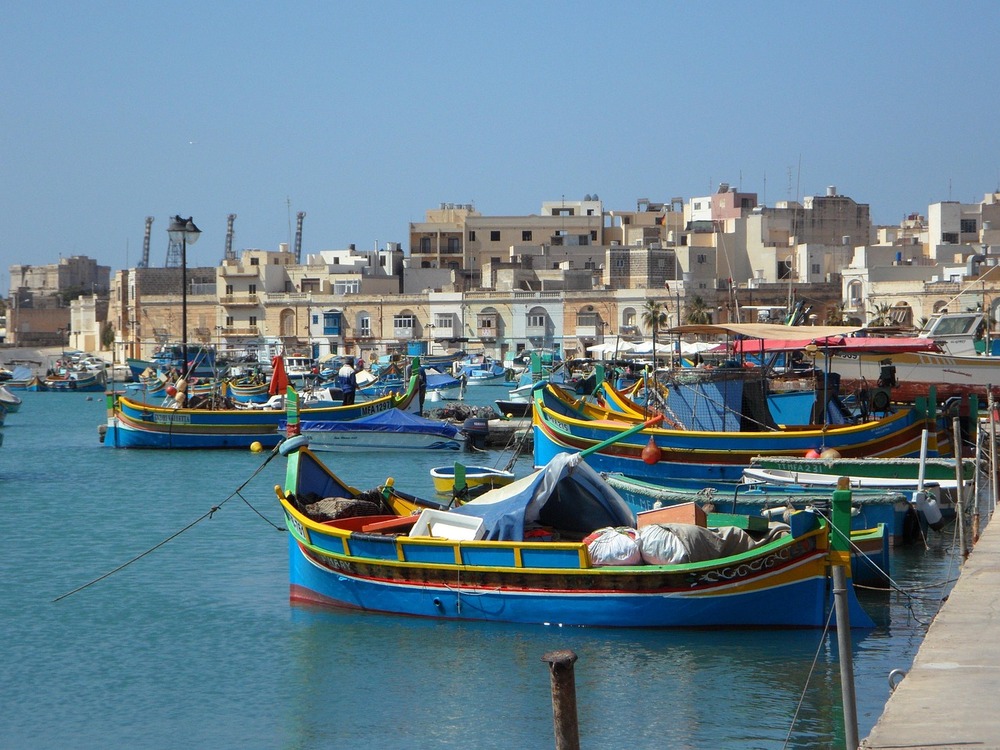
In the south-east of the island, Marsaxlokk represents the authentic face of Malta. This charming fishing village has managed to preserve its traditional character despite the influx of tourists. Its colourful harbour, adorned with brightly coloured luzzus (traditional Maltese boats decorated with the eye of Osiris), makes for a particularly photogenic living postcard.
On Sunday mornings, the fish market transforms the seafront into a lively place where locals come to stock up on fresh produce. The harbour’s many restaurants offer seafood specialities in a relaxed atmosphere. Marsaxlokk offers a refreshing break from the hustle and bustle of the main tourist areas, allowing you to discover the maritime soul of Malta.
8. The Blue Grotto and the Dingli cliffs
Malta’s south-west coast has some impressive natural spectacles in store. The Blue Grotto, near the village of Wied iż-Żurrieq, fascinates with its play of light on the water. Boat trips are available to explore this network of sea caves when the weather permits, offering an unforgettable spectacle of intense blues.
Further north, the Dingli cliffs (V92P+V45, Dingli, rated 4.7/5 on Google for 3,200 reviews) dominate the Mediterranean from their 250-metre height. These impressive cliffs offer spectacular views, especially at sunset. The little chapel of Sainte-Marie-Madeleine, perched on the summit, adds a picturesque touch to this imposing landscape. On a clear day, you can see the uninhabited islet of Filfla just offshore.
9. Paceville and St Julian’s, Maltese nightlife
To discover a different side of Malta, head for the Paceville district of St Julian’s. This lively area is the heart of Maltese nightlife, with its countless bars, pubs, discos and restaurants. Popular with young travellers and international students, Paceville is particularly lively in the evenings and during the summer months.
Beyond the festivities, St Julian’s also offers a beautiful seafront promenade, well-maintained beaches and a cosmopolitan atmosphere. Spinola Bay, with its terraced restaurants, is a pleasant place to dine overlooking the sea. This modern seaside area contrasts deliberately with the historic cities, offering a complete experience for visiting Malta from every angle.
10. San Pawl il-Baħar and diving sites
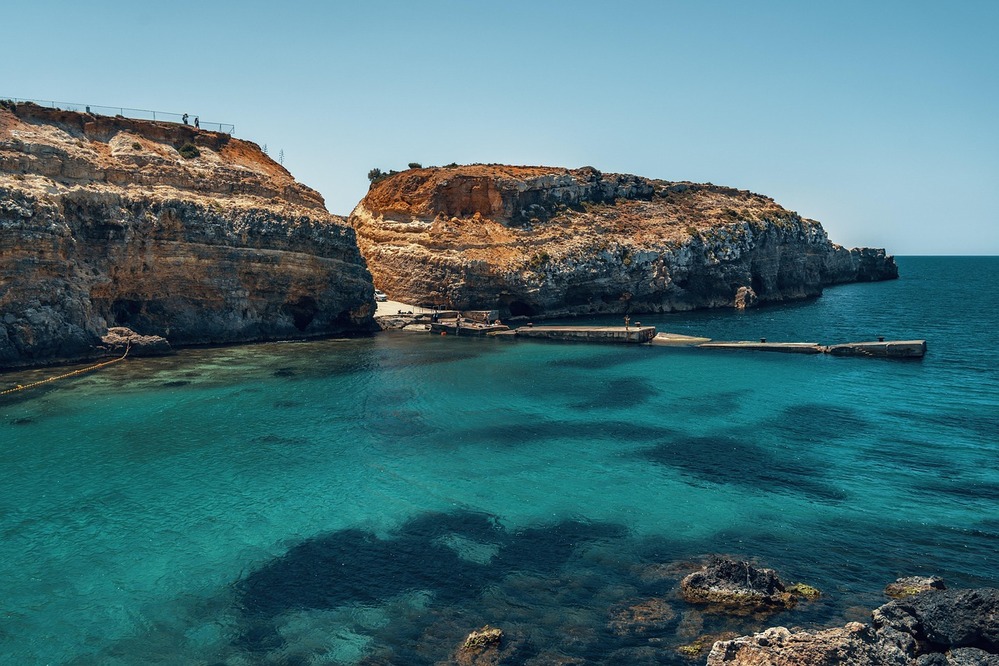
San Pawl il-Baħar (St Paul’s Bay), located on the north-east coast, combines history and seaside fun. It was here that the Apostle Paul is said to have been shipwrecked in 60 AD, the founding event of Maltese Christianity. Today, the bay is a popular seaside resort offering a wide range of water sports.
The area around San Pawl il-Baħar, particularly the Ċirkewwa area, is home to some of Malta’s best dive sites. The wrecks of the tug Rozi and the patrol boat P29 attract divers from all over the world. Local dive clubs, such as Paradise Diving Malta (Melliea, rated 4.9/5 on Google for 850 reviews), offer trips for all levels. Exceptional visibility and a wealth of marine life make Malta a top diving destination in the Mediterranean.
In conclusion, visiting Malta is much more than just a Mediterranean holiday. This archipelago boasts an exceptional density of historic sites, natural wonders and authentic cultural experiences. From the baroque fortifications of Valletta to the turquoise waters of the Blue Lagoon, from prehistoric temples to picturesque fishing villages, Malta offers a surprising diversity for its small size. Whether you spend a few days or several weeks exploring the archipelago, you’ll discover a land where every stone tells a story, where the Mediterranean reveals its most beautiful features, and where authenticity still stands up to modernity. Malta awaits you for an unforgettable adventure at the crossroads of Mediterranean civilisations.
FAQ : Visiting Malta
How many days does it take to visit Malta?
To discover the essentials of Malta, allow at least 4 to 5 days. This will allow you to visit Valletta, Mdina and the Three Cities, make an excursion to Gozo and the Blue Lagoon in Comino, and enjoy a few beaches. A full week allows for more in-depth discovery, including megalithic temples, natural sites and more time to relax.
When is the best time to visit Malta?
Spring (April-May) and autumn (September-October) are the ideal times to visit Malta. Temperatures are pleasant (20-25°C), tourist numbers are reasonable and prices more affordable. Summer (June-August) offers perfect weather for swimming, but the sites are crowded and prices are high. Winter remains mild, but some tourist attractions close or have reduced opening hours.
Do I need to hire a car to visit Malta?
Renting a car is not essential, but highly recommended if you want to visit Malta in complete freedom. The public bus network serves the major sites well, but timetables can be restrictive and journeys long. A car allows you to explore remote corners and secluded coves and make the most of your time. Beware: driving is on the left in Malta (British heritage) and the roads are sometimes narrow.
Can you visit Malta without speaking English?
Yes, it is quite possible to visit Malta without speaking English, although English is an official language alongside Maltese. In the main tourist areas (Valletta, Sliema, St Julian’s), many professionals speak several languages, including French, Italian and Spanish. Information boards at historic sites are often multilingual. However, a basic knowledge of English makes it much easier to interact with the locals.
What can you do in Malta as a family with children?
Malta has plenty to offer the whole family: the Maltese National Aquarium at Qawra, the Popeye Village at Anchor Bay, child-friendly sandy beaches (Mellieħa Bay, Golden Bay), boat trips to Comino, and a fun discovery of the fortifications of Valletta. Megalithic temples often fascinate children with their mysterious dimension. Most sites offer reduced rates for families.
200 audioguided tours for cities all around the world
Download