Visiting Corleone in Sicily: practical information and advice
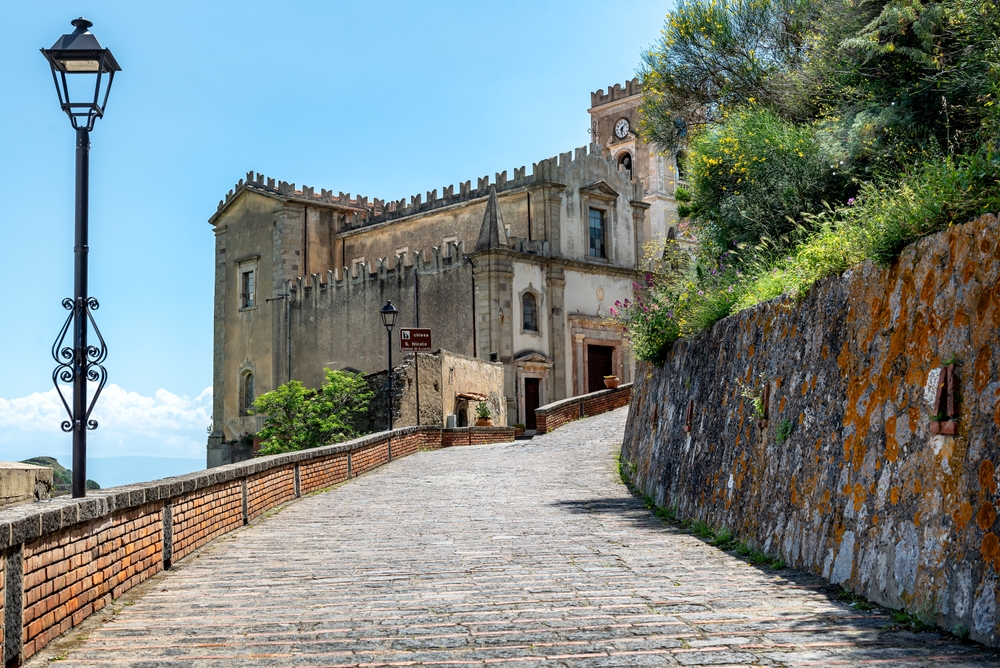

Made famous by Francis Ford Coppola’s Godfather saga, Corleone is much more than just a film reference. This small Sicilian town, nestling between Palermo and Agrigento, has a rich heritage, complex history and authentic charm that are well worth a visit. Beyond its Mafia past, Corleone invites you to discover its centuries-old churches, cobbled streets and breathtaking natural landscapes.
Also read the Sicily guide :
- Visiting Sicily: 10 must-sees and must-dos
- Sicily’s 14 most beautiful villages to discover
- Discover Selinunte, Sicily’s major archaeological site
- Visit the Palazzo dei Normanni in Palermo
- Top 6 things to do in Palermo
- The 12 most beautiful beaches in Palermo
- Top 10 culinary specialities in Palermo
- What are the best hotels in Palermo?
- How to get to Palermo airport: all the transport options
- Find out how to get to Sicily from Toulon by Ferry
Corleone and the mafia: between historical reality and fiction
The history of Corleone is inextricably linked with that of the Sicilian mafia, even if reality often exceeds fiction. Founded in the 13th century at a time of conflict between the Guelphs and the Ghibellines, the town became a breeding ground for organised crime from the 19th century onwards. Fearsome figures such as Luciano Leggio, Salvatore Riina and Bernardo Provenzano were born in this Sicilian inland town, making the Cosa Nostra one of the most influential criminal organisations in Europe.
Although Francis Ford Coppola used the name Corleone as inspiration for his film trilogy, no scenes from The Godfather were filmed there. The real town differs considerably from its portrayal on screen. Today, Corleone has turned the page on its dark past to become a tourist destination that fully embraces its history while promoting anti-Mafia values. The town is also home to the prestigious CIDMA, a documentation centre dedicated to the fight against organised crime.
1. The CIDMA, a key anti-Mafia museum
The International Documentation Centre on the Mafia and Anti-Mafia Movement (CIDMA) is without doubt Corleone’s most memorable visit. Located in the heart of the town, this museum offers a unique perspective on the history of Sicilian organised crime and the heroic struggle of those who dared to oppose it. Dedicated to the magistrate Paolo Borsellino, murdered in 1992, the centre exhibits the files from the Maxi trial in Palermo, which marked a turning point in the fight against the mafia.
The CIDMA (Via G. Valenti, 7, 90034 Corleone, rated 4.6/5 on Google out of 315 reviews) offers guided tours by appointment only, available in several languages including French. The exhibitions trace the evolution of the mafia from its origins to modern methods of fighting organised crime. The paintings by Gaetano Porcasi, which poignantly illustrate the massacres perpetrated by the Mafia, are one of the highlights of the collection.
Practical information: Open Monday to Friday from 10am to 5pm, Saturday and Sunday from 10am to 1pm. Price: €8 to €10 depending on the number of people, free for children under 12. Booking recommended on +39 091 845 24 143.
2. The Chiesa Madre San Martino, a Baroque jewel
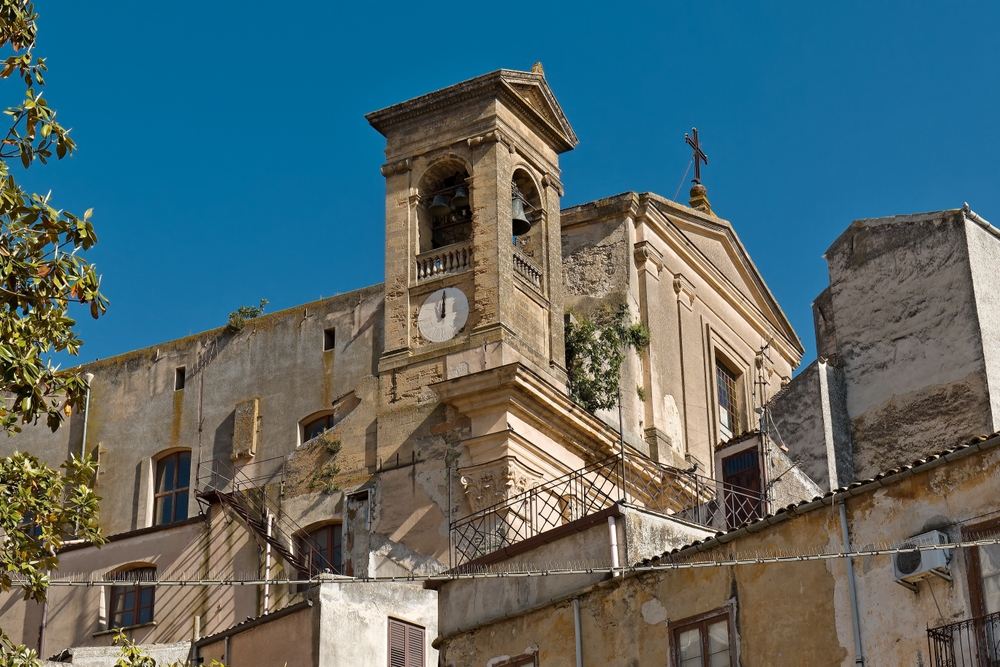
Corleone’s mother church, dedicated to San Martino, stands proudly in the centre of the town and bears witness to several centuries of religious history. Built in the 14th century and then remodelled at various times, it features academic architecture with Baroque touches added over time. Its imposing façade and three interior naves house precious works of sacred art, including magnificently restored frescoes and valuable sculptures.
The treasury of San Martino, which is on view on certain liturgical occasions, contains an exceptional collection of religious silverware dating from the 16th to 18th centuries. The church still plays a central role in Corleone’s community life, hosting major religious celebrations. A visit here will help you understand the importance of the Catholic faith to Sicilian identity, even in a town marked by its Mafia history.
3. Monastero del Santissimo Salvatore
Perched on a mountainside, the Monastery of the Most Holy Saviour offers one of the most spectacular views of Corleone and the surrounding area. Founded in medieval times and rebuilt in the 18th century, this religious complex was once home to a community of Carmelite and Benedictine monks. Although the exterior facades show the scars of time, the interior boasts magnificent stone arches and a peaceful cloister surrounded by a flower-filled garden.
From the monastery’s esplanade, you can enjoy breathtaking views of the green valleys and mountains surrounding Corleone. The site is particularly magical at the end of the day, when the setting sun sets the town’s ochre facades ablaze. In the immediate vicinity, don’t miss the Cascata delle Due Rocche, a picturesque waterfall nestling in the heart of the Mediterranean vegetation, perfect for a refreshing break.
4. Corleone’s authentic town centre
The historic heart of Corleone retains all the charm of an authentic Sicilian village, far removed from the mass tourist circuits. Its narrow cobbled streets wind between houses with weathered facades, some adorned with typical flower-filled balconies. The main square, Corso Umberto I, is bustling with life: cafés, small shops selling local crafts and locals quietly exchanging their daily news.
The Central Bar Ruggirello, a local institution, is an excellent vantage point for observing Corleone life. You’ll also come across many references to the Godfather saga: posters, autographed photos and film memorabilia adorn several establishments. The municipal park, the town’s green lung, offers a pleasant place to relax in the shade of palm trees and Mediterranean trees, with its central fountain and shady paths.
5. La Cascata delle Due Rocche
The Cascade dei Deux Roches is one of Corleone’s natural treasures. Situated near the Monastero del Santissimo Salvatore, this picturesque waterfall is surrounded by lush, typically Mediterranean vegetation. The clear water cascades down the rocks in several stages before emptying into a small natural pool, creating a refreshing atmosphere that is particularly appreciated on hot Sicilian summer days.
The site attracts both tourists and local families who come here for picnics at weekends. The area around the waterfall offers a number of hiking trails for exploring the surrounding hills and admiring the diversity of Sicilian flora. Birdsong and the murmur of the water provide a soothing soundtrack, far removed from the hustle and bustle of the city. An ideal place to reconnect with nature after visiting Corleone’s historic sites.
6. La Riserva Naturale della Ficuzza in the surrounding area
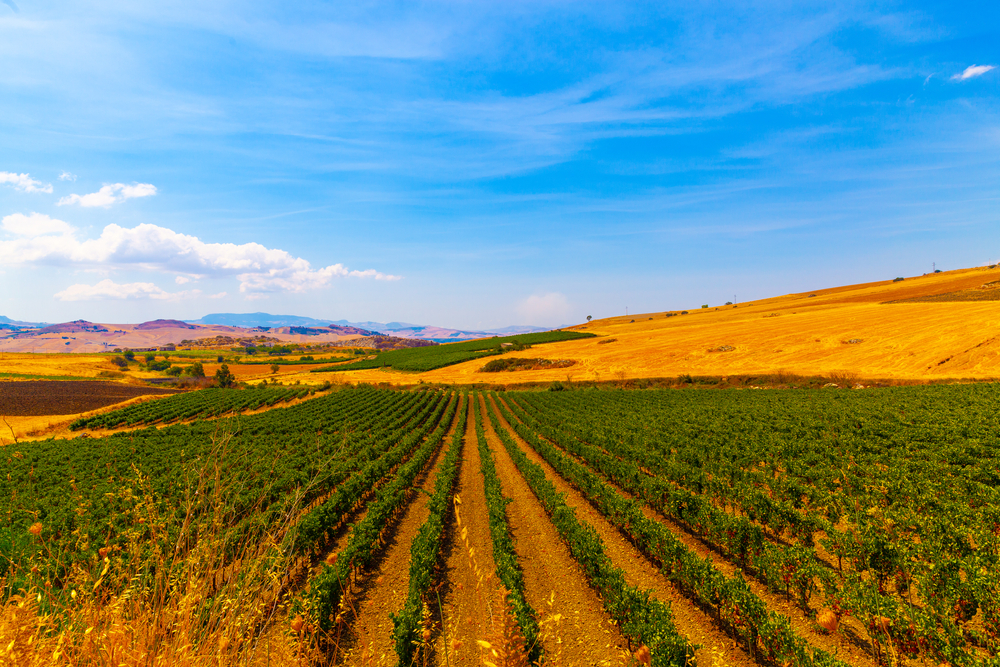
Around 30 kilometres north-east of Corleone, the Ficuzza Nature Reserve is a must for nature lovers. This vast protected area encompasses the Bosco della Ficuzza, the Rocca Busambra and the Gorges du Dragon, offering a variety of spectacular landscapes. The Ficuzza Palace, a former royal hunting residence built in the 18th century, sits majestically in the heart of the forest and is open to visitors.
Experienced hikers can tackle the ascent of Rocca Busambra, a 1,600-metre peak that rewards their efforts with a 360-degree panorama of inland Sicily. Several signposted trails of varying difficulty allow you to explore the reserve, where centuries-old oaks, beeches, maples and a rich fauna including foxes, wild boar and numerous species of birds live side by side. The Gorgo del Drago attract canyoning enthusiasts, who can sign up for excursions organised by the Sicilian Mountaineers’ Association.
7. Discover Palermo, the Sicilian capital
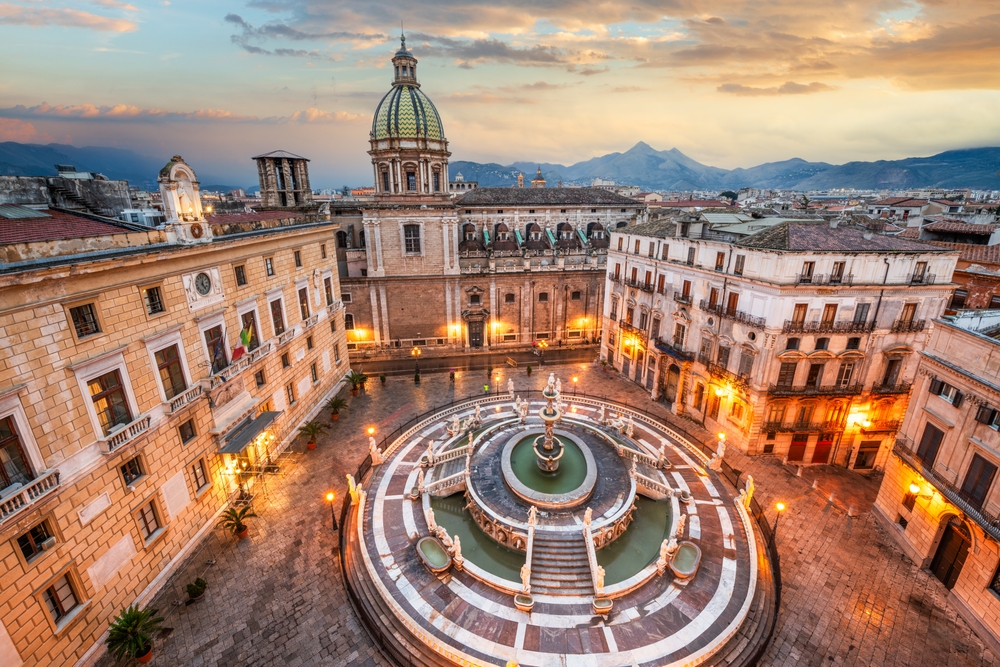
Download the audio-guided tour to discover Palermo on foot and on your own
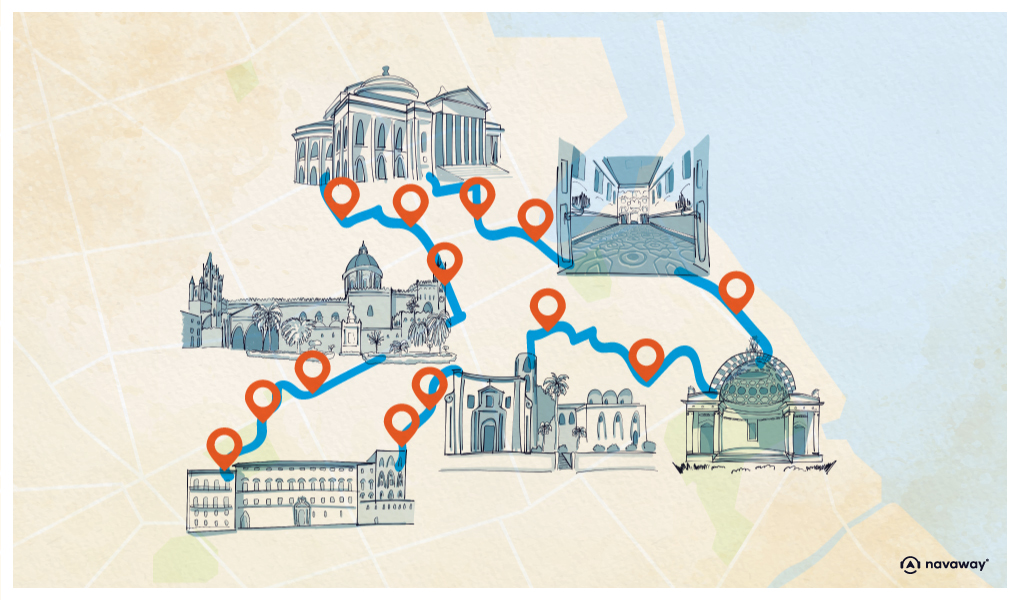
Just 60 kilometres from Corleone, Palermo is well worth a full day or two. The Sicilian capital exudes a unique energy, a fascinating blend of Arab, Norman and Baroque cultures. Exceptional monuments such as the Palazzo dei Normanni and its Palatine Chapel with its dazzling mosaics, the thousand-year-old Cathedral and the Teatro Massimo (Italy’s largest theatre) are testimony to the city’s rich history. Thanks to theNavaway audioguide itinerary for Palermo, you can discover the city’s 24 major places of interest on your own, with fascinating commentaries on each monument.
Palermo’s markets, veritable institutions such as the Ballarò and the Vucciria, immerse visitors in a bustling atmosphere where vendors greet customers in Sicilian dialect. Palermo’s street food, renowned throughout Italy, offers an unforgettable gastronomic experience with its arancini, panelle and sfincione. The seafront, which has been redeveloped in recent years, offers pleasant strolls facing the Tyrrhenian Sea, with views of Monte Pellegrino. Spend some time in this captivating town, the perfect complement to your stay in the Corleone area.
Where to eat in Corleone: the best addresses
Despite its modest size, Corleone has several restaurants where you can sample authentic Sicilian cuisine. The Tavernetta dei Briganti, located at the entrance to the town, may not look like much, but its generous dishes and friendly boss are sure to win you over. This family-run trattoria offers local specialities made with fresh produce, in a friendly, relaxed atmosphere. Homemade pasta and grilled meats are among the restaurant’s star dishes.
In the town centre, Pizza Nasce (Piazza Garibaldi, 90034 Corleone, rated 4.5/5 on Google out of 70 reviews) attracts a loyal clientele thanks to its crispy pizzas with generous toppings. The terrace on the piazza allows you to enjoy the local entertainment while savouring an authentic Sicilian pizza. For a more refined experience, the Leon d’Oro Ristorante (Via Orfanotrofio, 4, 90034 Corleone, rated 4.1/5 on Google for 93 reviews) offers fine Sicilian cuisine with a fine wine list. Tanja’s attentive service and the elegant atmosphere make this an excellent address for a romantic dinner.
Please note the opening times: Most of Corleone’s restaurants close in the afternoon and only open for lunch (11.30am-2pm) and dinner (7pm-10pm). Remember to book ahead, especially at weekends.
How to get to Corleone from Palermo
Corleone is around 60 kilometres south of Palermo, about an hour’s drive. There are several options for getting to this town in the Sicilian hinterland. By car, either your own vehicle or a hire car, follow the SS118 (Strada Statale 118 Corleonese-Agrigentina) through magnificent rolling countryside. The route is well signposted and the road is in good condition. This option gives you complete freedom to explore the surrounding villages too.
By bus, the Autolinee Gallo company runs between Palermo and Corleone, with around 3 departures a day in each direction. The journey takes around 1 hour 20 minutes and costs between €4 and €5. Buses leave from Palermo bus station (Piazza Cairoli). Timetables vary according to the season, so it is advisable to check availability in advance on the company’s website or at the tourist office. This low-cost option is ideal for travellers without a car.
A direct taxi journey from Palermo costs between €110 and €140. The journey takes around an hour. There are several taxi ranks in Palermo, notably in front of the central station (Stazione Centrale). Although this is a more expensive option, it offers comfort and flexibility, particularly useful if you are travelling in a group or with bulky luggage.
Where to stay in Corleone: recommended accommodation
Corleone offers a wide range of accommodation to suit all budgets. The Leon d’Oro, a historic hotel right in the centre of town, combines traditional charm with modern comforts. Its spacious rooms and renowned restaurant make it a great place to experience Sicilian hospitality. The Corleone Guesthouse offers excellent value for money with comfortable rooms and a warm welcome, ideal for travellers wanting to immerse themselves in the local atmosphere.
For a more bucolic experience, the Agriturismo Ridocco, just a few kilometres from the centre, offers quiet rooms in a rural setting with views of the Sicilian hills. The breakfast, made with local products, and the outdoor swimming pool are real assets. The Chiosi Country Club attracts nature lovers with its unspoilt surroundings and modern facilities, including a restaurant and relaxation areas.
To find accommodation that perfectly matches your expectations and your budget, don’t hesitate to consult the online comparisons which list all the accommodation available in Corleone, from budget guest houses to villas with swimming pools for more luxurious stays.
In conclusion, a visit to Corleone is much more than a simple excursion in the footsteps of the Godfather. This authentic Sicilian town has a complex history, remarkable monuments and unspoilt natural landscapes that are well worth a visit. With its shocking anti-Mafia museum, centuries-old churches, refreshing waterfalls and proximity to Palermo, Corleone is an enriching stop-off on any trip to Sicily.
Frequently asked questions about Corleone
How long will it take to visit Corleone?
A full day is enough to discover Corleone’s main sights: the CIDMA, the historic churches, the town centre and the waterfall. If you’d also like to explore the Ficuzza Nature Reserve and take full advantage of the local atmosphere, allow two days.
Is Corleone a safe town for tourists?
Yes, today Corleone is a perfectly safe town for visitors. Its Mafia past is history, and the town has been transformed into a welcoming tourist destination. The locals are friendly and proud to show off their town’s attractions.
Can you visit Corleone without speaking Italian?
Although Italian is the main language, many tourist establishments offer services in English. The CIDMA offers guided tours in French. A conversation guide or translation app will make it much easier to talk to the locals.
When is the best time to visit Corleone?
Spring (April-May) and autumn (September-October) are the ideal periods, with pleasant temperatures and fewer tourists. Summer can be very hot in inland Sicily, while winter remains mild, although some sites may have reduced opening times.
Are there any Godfather filming locations in Corleone?
No, contrary to popular belief, none of the scenes in The Godfather trilogy were filmed in Corleone. Francis Ford Coppola simply borrowed the name of the town for his fictional family. The Sicilian scenes were filmed in other villages such as Savoca and Forza d’Agrò.
200 audioguided tours for cities all around the world
Download