Visiting Chambord Castle: guide and practical information
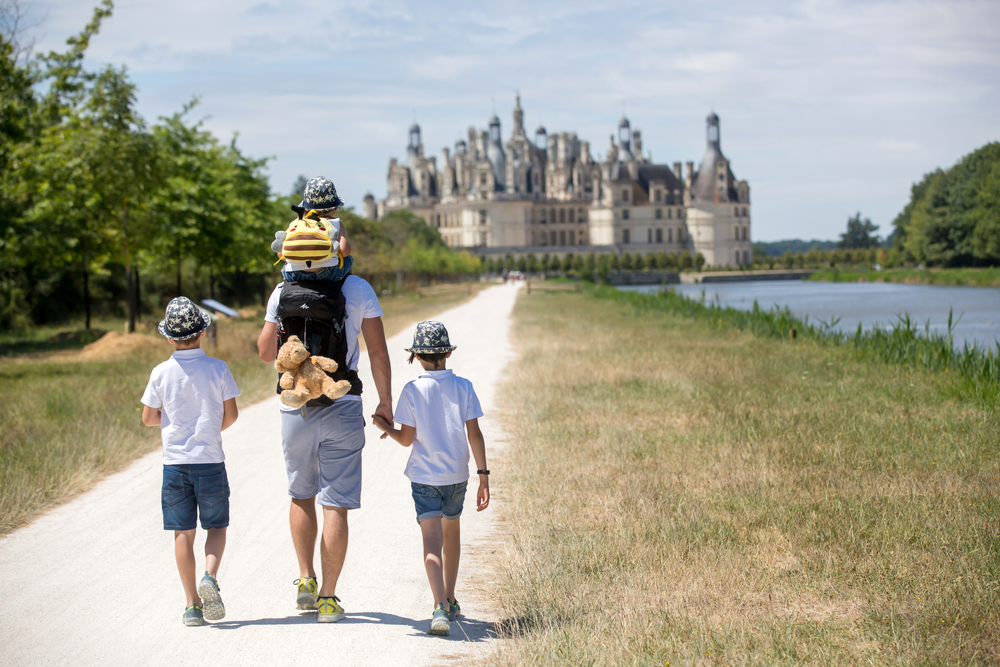

Built by François I in the heart of the Loire Valley, the Château de Chambord embodies the splendour of the French Renaissance. This architectural masterpiece, influenced by the genius of Leonardo da Vinci, stands majestically in a forest estate of over 5,400 hectares. With its famous double spiral staircase, 426 rooms and 282 fireplaces, Chambord never ceases to amaze visitors from all over the world. Listed as a UNESCO World Heritage Site, this exceptional monument invites you on a unique journey through French history.
Also in the Blois guide :
- Visit Blois in 1 day: 22 things to do and see on foot
- Discover the most beautiful villages in the Centre-Val de Loire region
- The most beautiful villages to discover around Blois
- Visit the Châteaux of the Loire Valley
- What are the most beautiful villages to discover around Tours?
The fascinating history of Château de Chambord
The adventure of Chambord began in 1519, when François I, in the glow of his victory at Marignan, decided to build a palace to his glory in the heart of his favourite hunting grounds. This young king of 25, a lover of art and architecture, wanted to create a building that would symbolise the power of the French monarchy and mark his reign in stone. Influenced by the Italian marvels discovered during his campaigns, Francis I surrounded himself with the best artists and architects of his time.
The construction of this extraordinary château took more than three decades, involving up to 1,800 workers simultaneously. Paradoxically, Francis I stayed here for just 72 nights during his 32-year reign. The château was not intended as a permanent residence, but rather as a royal hunting lodge and an architectural symbol designed to impress distinguished visitors and foreign ambassadors.
After Francis I, Chambord enjoyed a variety of fortunes. Louis XIV stayed here several times and had the chapel completed by Jules Hardouin-Mansart. The château was then used as a residence by Stanislas Leszczynski, King of Poland, and later by the Marshal of Saxony. Looted during the French Revolution, the estate was finally bought by the State in 1930 and underwent major restoration work, which continues to this day.
Revolutionary architecture inspired by Leonardo da Vinci
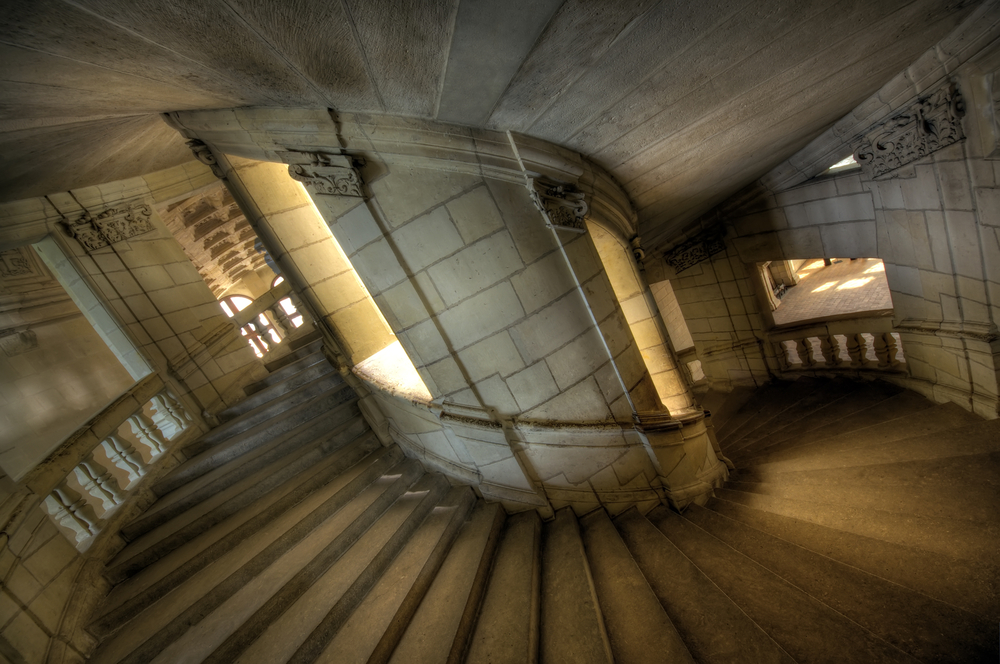
The architecture of Château de Chambord represents an unprecedented feat of engineering. Although the identity of the principal architect remains a mystery, the influence of Leonardo da Vinci is undeniable. The Italian master, who was invited to France by Francis I in 1516, is thought to have helped draw up the plans before his death in 1519. His genius is particularly evident in the design of the famous double spiral staircase, a true masterpiece of engineering.
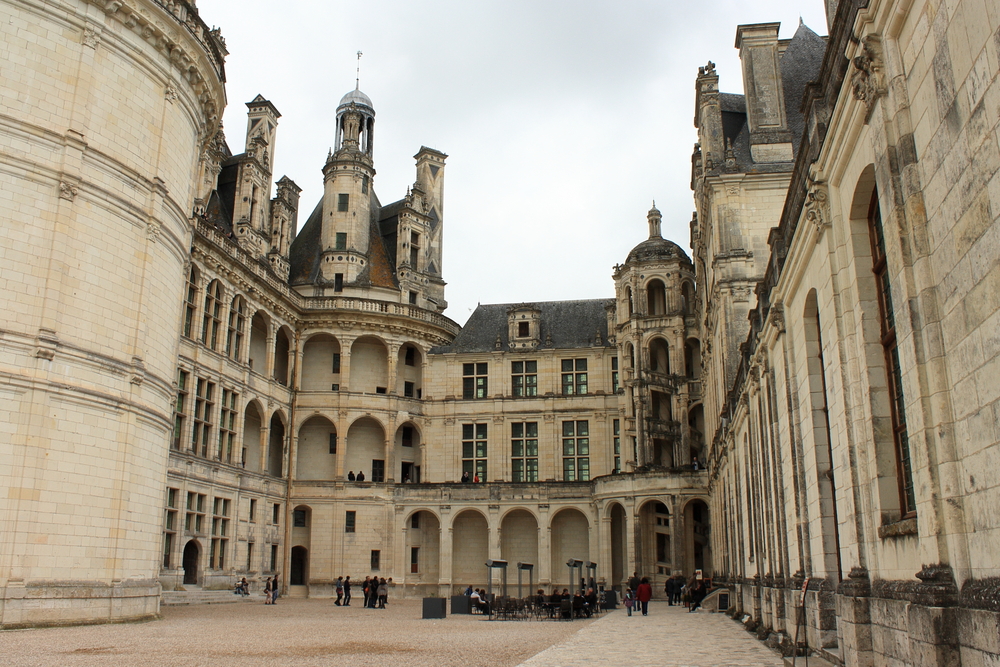
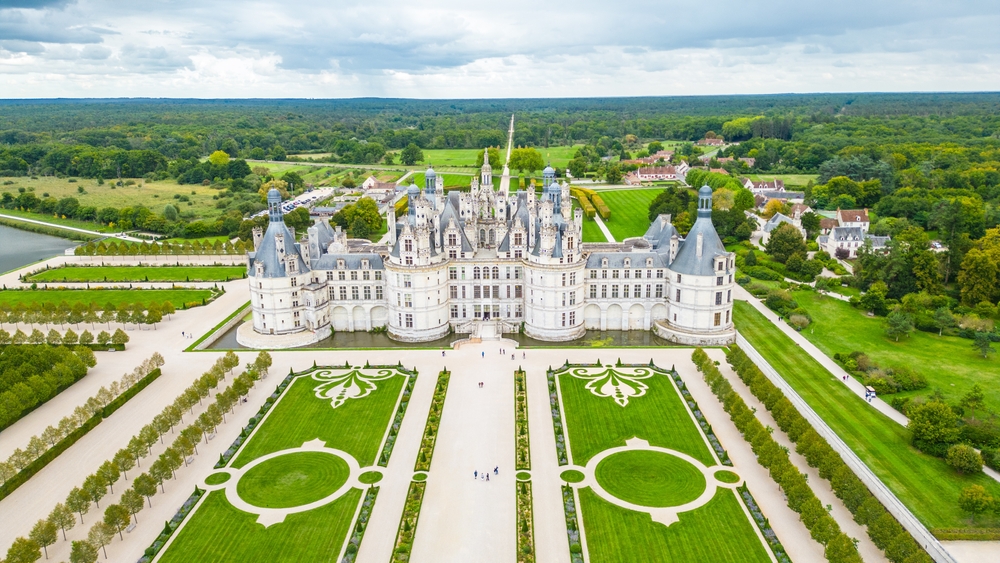
The castle is organised around a Greek cross plan, an innovative structure for its time. The central keep, flanked by four massive towers, dominates the architectural ensemble. The perfectly symmetrical facades bear witness to the Italian influence mixed with French Gothic. The roof, a veritable forest of stone, is adorned with 800 sculpted capitals, elaborate dormer windows and monumental chimneys, creating a unique architectural landscape.
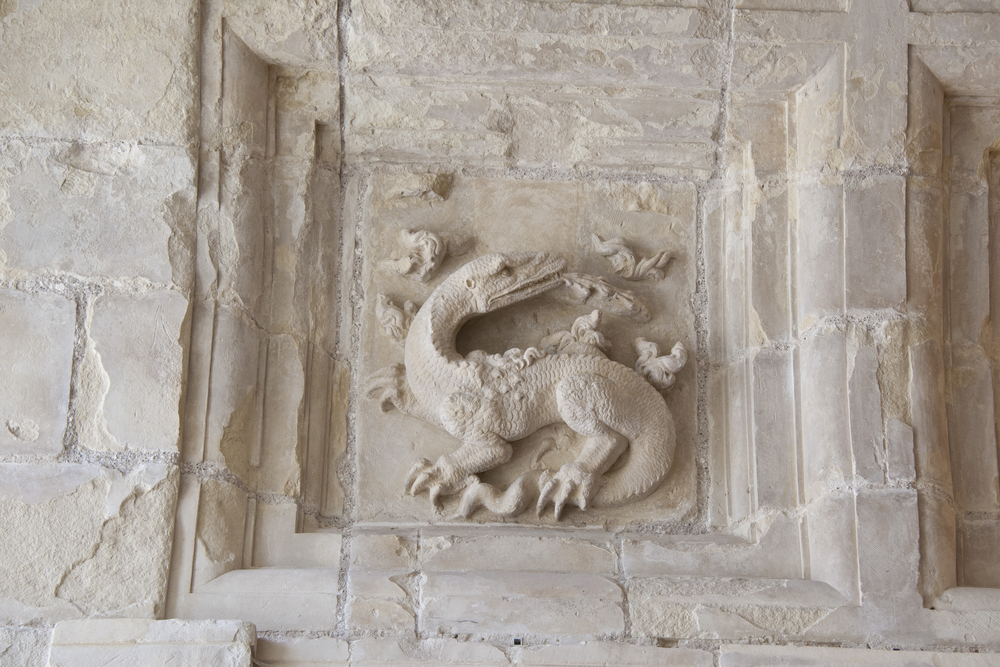
The emblem of François I is to be found throughout the castle: the crowned salamander, accompanied by his motto “Nutrisco et extinguo” (I feed on good fire and extinguish bad). More than 300 salamanders adorn the vaults, walls and ceilings, a constant reminder of the presence of the king as builder. These symbols, like the fleurs-de-lis, contribute to the grandeur and majesty of the building.
Must-sees on your visit to Chambord
1. The famous double spiral staircase
At the heart of the château is its architectural jewel: the double spiral staircase. This marvel of engineering consists of two spiral banisters that wind around each other without ever crossing, allowing two people to go up and down simultaneously without meeting. The central openwork core reveals a glimpse of the opposite spiral, creating a fascinating visual effect. Attributed to Leonardo da Vinci, this staircase serves all three floors of the keep up to the summit terraces, and remains one of the most photographed and admired features of the castle.
2. Panoramic terraces
Once you have reached the top of the staircase, you will find yourself on the château’s terraces, veritable hanging balconies offering breathtaking views. Francis I designed them as a place for his court to stroll and observe. From here, you can admire the perfect symmetry of the Greek cross plan, the surrounding forest and the detail of the 282 chimneys that dot the roof. The lantern tower, the highest point of the castle at 56 metres, is adorned with the fleur-de-lys and the royal crown. From these terraces, you can see the full scale and majesty of Chambord.
3. The royal flats
A visit to the Château de Chambord takes you through the sumptuous royal flats that have welcomed France’s greatest monarchs. These meticulously furnished and decorated rooms bear witness to the art of living during the Renaissance and the Ancien Régime. You will discover the flats of François I on the first floor, those of Louis XIV on the second, and those of the Count of Chambord in the 19th century. Carved coffered ceilings, precious tapestries and period furniture recreate the sumptuous atmosphere that once reigned here.
4. The Royal Chapel
Located in the north wing of the château, the Chambord chapel was completed during the reign of Louis XIV by the architect Jules Hardouin-Mansart. Its slender vaulted ceiling and colourful stained glass windows create a meditative atmosphere conducive to contemplation. The finely sculpted altar and religious decorations bear witness to the spiritual dimension that accompanied court life. Although the castle was primarily a place of hunting and pleasure, the chapel is a reminder of the importance of faith in the lives of the sovereigns.
5. French gardens
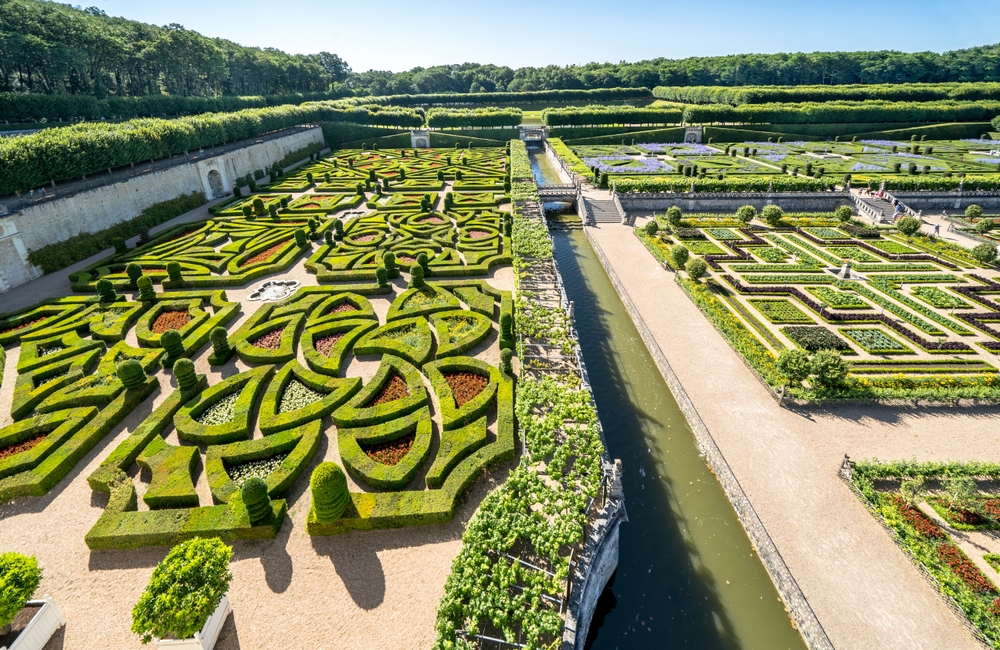
Restored in 2017 according to the original 18th-century plans, the formal gardens of Chambord stretch over 6.5 hectares in front of the north facade of the château. These gardens, commissioned by Louis XIV, are a perfect example of French landscape art, with their geometric parterres, symmetrical paths and trimmed groves. Strolling through these green spaces allows you to admire the château from different angles while enjoying the serenity of the surroundings. Visiting Blois and the surrounding area also means discovering these landscaped wonders that accompany the châteaux of the Loire.
6. The forest park and its nature activities
Beyond the gardens lies the largest enclosed forest park in Europe, with 5,400 hectares surrounded by a 32-kilometre wall. This nature reserve is home to exceptional wildlife: deer, wild boar, roe deer and many species of birds roam freely. The estate offers over 30 kilometres of signposted trails for walking, horse riding and cycling. There are observatories where you can watch the animals, particularly during the stag bellowing season in September-October, an unforgettable natural spectacle.
Download the audio tour to discover Blois on foot and on your own
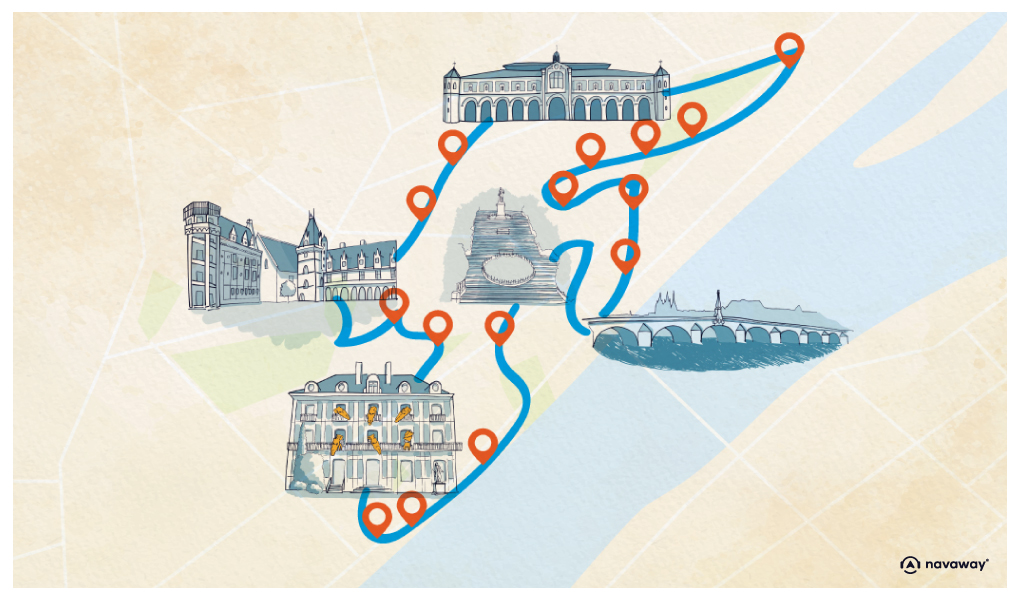
To enhance your visit to the region, why not take the audio tour of Blois, a royal town just 15 kilometres from Chambord. This itinerary allows you to explore the historic centre of Blois, its royal castle, its medieval streets and its emblematic monuments on your own. Thanks to the audio guides, you can immerse yourself in the fascinating history of this city of the kings of France, the ideal complement to your visit to Chambord for a total immersion in the Loire Valley.
7. The equestrian show at the Chambord stables
The historic 18th-century stables of the Maréchal de Saxe now play host to a captivating equestrian show. This 45-minute show, entitled “Chambord, history on horseback”, retraces 500 years of history through tableaux vivants featuring top-class horses and riders in period costumes. The show runs from April to November and is a particularly popular family activity. It provides an opportunity to discover French equestrian art and the importance of horses in the castle’s history.
8. Temporary exhibitions
Throughout the year, the Château de Chambord offers high-quality temporary exhibitions to enhance your visit. These exhibitions explore a variety of themes: contemporary art, history, nature, photography and arts and crafts. Installed in different rooms of the château, these exhibitions offer a fresh look at the monument and provide a new experience for regular visitors. Visit the official website before your visit to find out about the current cultural programme.
Opening times and prices for visiting Château de Chambord
Château de Chambord is open all year round, with the exception of 1 January, 25 December and a few exceptional closures. Opening times vary according to the season: from 9am to 5pm (last admission at 4.30pm) from 5 January to 28 March and from 27 October to 20 December, then from 9am to 6pm (last admission at 5.30pm) from 29 March to 26 October and from 21 December to 4 January. To make the most of your visit, we recommend that you arrive at least one hour before closing time.
Admission to the château and gardens is €19 for adults. Admission is free for under-18s and young people aged between 18 and 25 who are residents of the European Union, on presentation of proof of age. A reduced rate of €16.50 is available for jobseekers, 18-25 year-olds from outside the EU and other eligible categories. The €50 Privilege Card offers unlimited access for a year, plus discounts in the shop and restaurant.
Online booking on the official Chambord website is highly recommended, especially in high season and at weekends. It will help you avoid queues and guarantee your visit slot. For an enhanced experience, you can hire the Histopad, a digital tablet that offers an augmented visit with 3D reconstructions of the rooms as they were in the time of François I.
How to get to Château de Chambord
Château de Chambord is located in the heart of the Loire Valley, 15 kilometres from Blois and around 170 kilometres south of Paris. There are several options for getting to this Renaissance jewel. If you’re travelling by train, take the TER from Paris-Austerlitz to Blois-Chambord station (1? to 2? hours’ journey). From the station, line 2 of the Rémi shuttle bus network provides a direct service to the château in around 30 minutes, with connections to train timetables.
By car, take the A10 motorway from Paris, exit 16 (Mer) or 17 (Blois), then the D33, well signposted towards Chambord. Pay car parks are available close to the château (€6 for P0 and €5 for P2 per day). For cycling enthusiasts, the Loire à Vélo cycle route passes close by, providing a safe route to Chambord from Blois and other towns in the Loire Valley. Cycle hire services are available in the region.
If you’re staying in Blois or the surrounding area, let Navaway guide you on your discovery of the region with the Blois audioguide itinerary, allowing you to explore the rich heritage of this royal town before or after your visit to Chambord.
Practical tips for a successful visit to Chambord
To make the most of your visit to the Château de Chambord, there are a few recommendations. Allow around 2 to 3 hours to visit the interior of the château, to which you can add 1 to 2 hours for the gardens and a stroll in the grounds. It is best to arrive early in the morning or late in the afternoon to avoid the peak crowds, which are usually concentrated between 11am and 3pm. The quietest periods are weekdays outside the school holidays.
Make sure you wear comfortable shoes, as the visit involves a lot of stairs and long walks, especially if you want to access the terraces. A little wool may prove useful even in summer, as the interior of the château remains cool. There are refreshment points on the estate, but you can also bring a picnic to enjoy in the authorised areas of the forest park. The château is partially accessible to people with reduced mobility thanks to lifts and ramps, so please ask before you come.
If you’re visiting the region, combine your discovery of Chambord with that of other Loire châteaux such as Cheverny (15 km away), Blois (15 km away) or Amboise (45 km away). The Navaway app accompanies you on your visits, with audio-guided tours that allow you to discover the exceptional heritage of the Loire Valley on your own.
The hidden symbols and anecdotes of the Château de Chambord
Behind the magnificence of the Château de Chambord lie many fascinating secrets and anecdotes. Did you know that the estate is larger than Paris itself? At 5,400 hectares, the Chambord park is much larger than the French capital. This immense nature reserve is surrounded by a 32-kilometre wall, the longest in France.
François I, who commissioned and owned the château, only spent a total of 72 nights there during his 32-year reign. His many military campaigns and other projects, notably Fontainebleau, meant that he had to travel constantly. This short stay contrasts sharply with the scale and wealth of this colossal architectural project.
The figures for Chambord are staggering: 426 rooms, 77 staircases, 282 fireplaces and more than 800 sculpted capitals. Each element testifies to the inordinate ambition of François I and the exceptional skills of Renaissance craftsmen. The salamander, the king’s emblem, appears more than 300 times in the castle, carved in stone or painted on the ceilings. For François I, this symbol represented the ability to withstand hardship and emerge from it stronger than ever.
During the Second World War, Chambord played a crucial role in preserving France’s artistic heritage. The château served as a refuge for works of art evacuated from the Louvre, including Leonardo da Vinci’s famous Mona Lisa. These priceless treasures were protected from the bombardments by the castle’s thick walls.
Where to sleep near Château de Chambord
To make the most of your stay in Chambord and the Loire Valley, there are several accommodation options available. The town of Blois, just 15 kilometres away, is an excellent base from which to explore the region. This royal city offers a wide range of hotels, B&Bs and flats to suit all budgets, with the added advantage of good public transport links and its own royal château to visit.
If you’re looking for a more authentic experience closer to Chambord, a number of charming surrounding villages offer characterful accommodation. The communes of Chambord itself, Huisseau-sur-Cosson, Mont-près-Chambord and Bracieux are home to charming chambres d’hôtes, gîtes ruraux and a few hotel-restaurants. These small towns plunge you into the peaceful atmosphere of the Sologne, a region of forests and ponds that surrounds the château.
For an exceptional stay, there are several top-of-the-range establishments in the immediate vicinity of the estate. The hotel on the Chambord estate, the Relais de Chambord, offers a unique experience with a view of the château. Other prestigious establishments line the route of the Loire châteaux, offering spas, gastronomy and refined service. Whatever your preference, book well in advance, especially during the peak tourist season from April to October.
Activities and events not to be missed in Chambord
Château de Chambord is not just a museum frozen in time. Throughout the year, the estate offers a rich and varied cultural programme to delight young and old alike. One of the highlights is the equestrian show “Chambord, history on horseback”, which runs from April to November, with daily performances at 11.45am and 4pm. This breathtaking show retraces 500 years of the castle’s history through impressive equestrian acts.
In September and October, don’t miss the stag bellow, a spectacular natural phenomenon during which male stags call out their loud cries to attract females and mark their territory. Guided night-time outings are organised from the park’s observatories, offering a unique experience in the heart of nature. Christmas and the festive season transform the castle with magical illuminations, period decorations and special events for families.
The estate also hosts open-air concerts, notably the “Chambord Live” series, which brings in internationally renowned artists during the summer. Educational workshops for children, themed guided tours, introductory courses in stone-cutting and nature walks complete this diverse cultural offering. Check the calendar of events on the official website before your visit to make sure you don’t miss a thing.
Gastronomy and local produce around Chambord
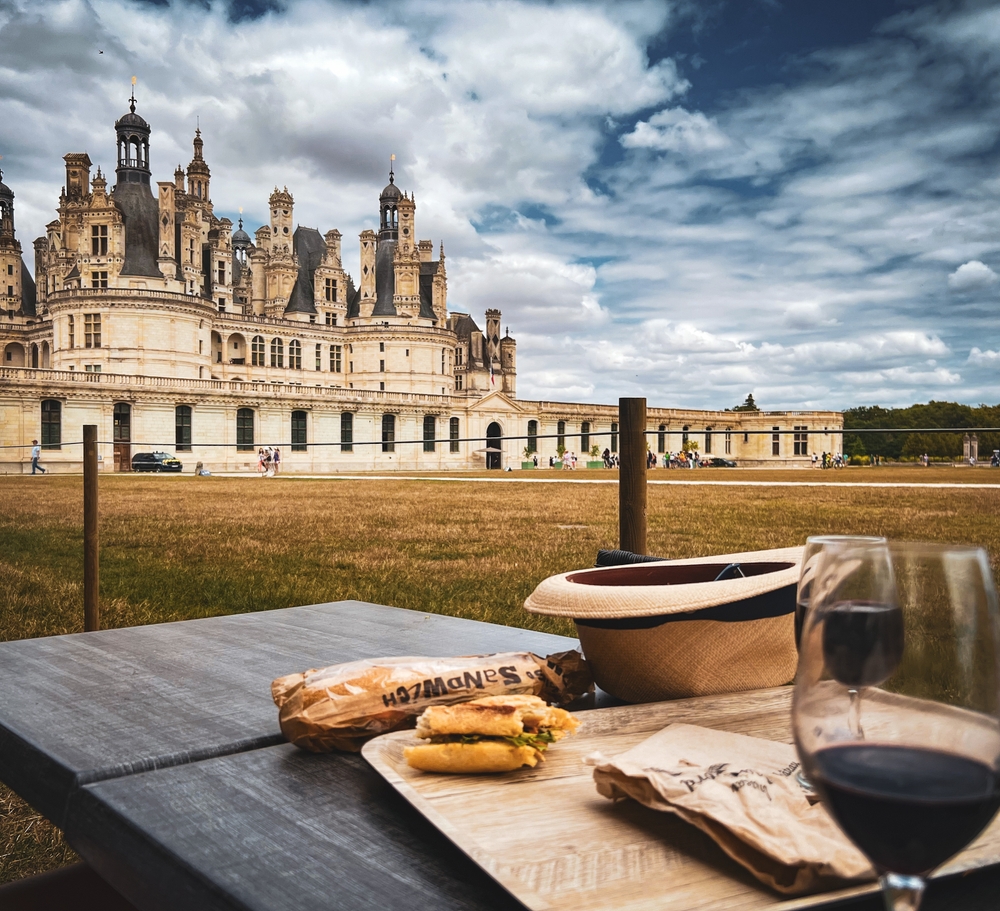
Discovering the Château de Chambord is naturally accompanied by an immersion in the gastronomy of the Loire Valley and Sologne. The restaurant Le Grand Saint-Michel, located opposite the château (Place Saint-Louis, 41250 Chambord, rated 4.0/5 on Google out of 3,284 reviews), offers traditional cuisine featuring local produce. You can sample game from the Sologne, fish from the Loire, goat’s cheese from the region and AOC wines from Touraine and Blois.
The Domaine de Chambord is developing its own agricultural production with vegetable gardens, a vineyard producing organic wines, a Sologne sheep farm and beehives. These local products are showcased in the on-site restaurants and on sale in the gift shop. Don’t forget to try the local specialities: tarte Tatin, Berrichon Easter pâté, Tours rillettes, Tours prunes and, of course, the white and red wines from the local appellations.
To extend your gastronomic exploration, the Halles de Blois covered market awaits you in the neighbouring royal town. As you follow the Blois itinerary, you’ll discover the best places to sample the authentic flavours of the Loire Valley and take home some delicious souvenirs of your stay.
In conclusion, the Château de Chambord is much more than a historic monument: it is a journey through time, an architectural lesson, an immersion in nature and a celebration of the French art of living. From the majestic rooms to the panoramic terraces, from the well-ordered gardens to the wild woodland park, every nook and cranny of Chambord conceals treasures waiting to be discovered. Whether you’re a history buff, architecture enthusiast, nature lover or simply in search of beauty, Chambord will fill you with wonder and leave a lasting impression. Prepare your visit by letting yourself be guided by the Navaway itineraries, and treat yourself to an unforgettable getaway in the heart of the Loire Valley, cradle of the French Renaissance.
Frequently asked questions about visiting Château de Chambord
How long does it take to visit Château de Chambord?
For a full tour of the château, allow around 2 to 3 hours. If you also wish to explore the formal gardens and stroll through the forest park, allow half a day or even a full day to fully enjoy the estate and its activities, such as the horse show.
Can you visit Chambord with children?
Absolutely! Château de Chambord offers activities specially designed for families. Children love the double spiral staircase and the terraces. Game books are available to make the visit fun, and the horse show is particularly captivating for the youngest visitors. The vast park gives children a chance to exercise after their visit to the château.
Is the château accessible to people with reduced mobility?
A large part of Château de Chambord is accessible to visitors with reduced mobility, thanks to its lifts and ramps. However, the Renaissance architecture imposes certain constraints, particularly for access to the terraces. We recommend that you contact the reception desk before your visit to find out about the precise conditions of accessibility and to ensure that you receive appropriate assistance.
Do I need to book tickets in advance?
Although not compulsory, online booking is highly recommended, especially during the high season, weekends and school holidays. It allows you to avoid queuing at the ticket offices and to guarantee your visit slot. Online ticketing often offers slightly lower prices than in-store purchases.
When is the best time to visit Chambord?
Each season has its own charms at Chambord. Spring (April-May) sees the blossoming of the gardens and pleasant temperatures. Summer allows you to take full advantage of the park and outdoor activities. Autumn (September-October) offers magnificent colours and the spectacle of the stag bellowing. Winter is a quieter time to enjoy the château in an intimate atmosphere, especially during the Christmas illuminations. To avoid the crowds, choose weekdays outside the school holidays.
Can you picnic on the Chambord estate?
Yes, there are areas in the forest park where visitors can picnic. This option is ideal for families and allows visitors to enjoy a moment of relaxation in the heart of nature after visiting the château. Please ensure that the area is kept clean and that you take your rubbish with you.
What other châteaux can I visit near Chambord?
The Loire Valley is full of remarkable châteaux within easy reach of Chambord. The Château de Cheverny, 15 kilometres away, immerses you in the life of a castle that is still inhabited. The Royal Château of Blois, also 15 kilometres away, traces four centuries of French architecture. Further afield, the châteaux of Chenonceau (60 km), Amboise (45 km) and Azay-le-Rideau (90 km) are also well worth a visit. The Navaway app offers a range of tours to help you discover these jewels of France’s heritage.
200 audioguided tours for cities all around the world
Download