Visit the Musée des Augustins in Toulouse
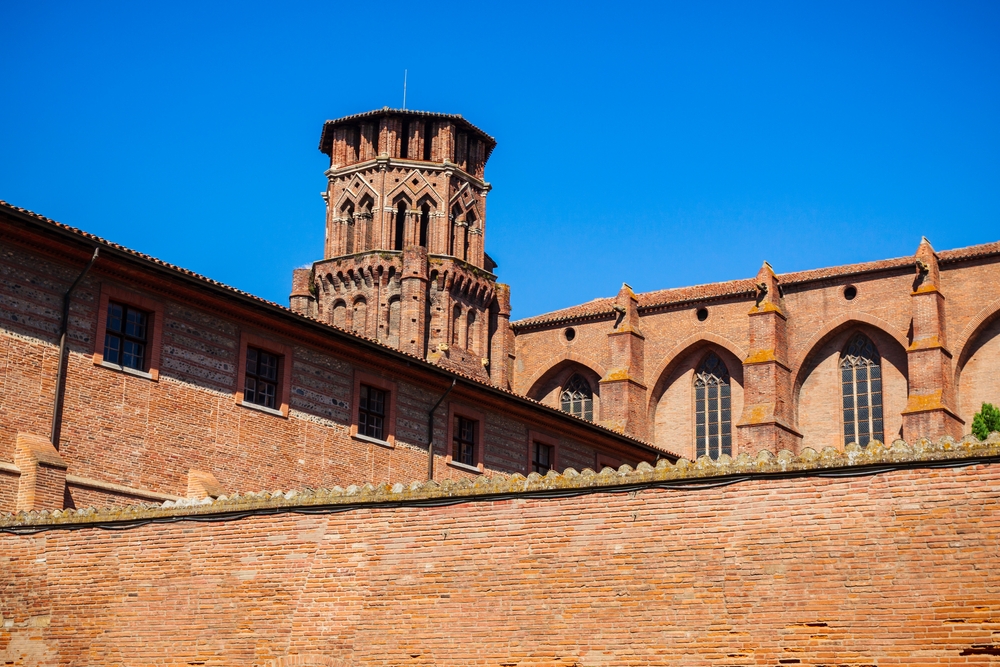

Nestling in the heart of Toulouse, the Musée des Augustins is a veritable heritage treasure trove. Housed in a magnificent 14th-century Gothic convent, this fine arts museum is one of the oldest in France. Its exceptional collections of medieval sculptures and European paintings, its preserved cloister and its medieval-inspired garden make it a must-see for all art and history lovers visiting Toulouse. After more than six years of renovation work, the museum will reopen its doors to the public on 19 December 2025, transformed and ready to unveil its wonders in a renovated setting.
Also read the Toulouse guide:
- What to do in Toulouse Top 6 activities + Good tips
- The 10 best culinary specialities in Toulouse
- The 8 most romantic hotels in Toulouse
- The 18 must-see highlights to discover Occitanie
- The 10 best swimming spots around Toulouse
- Top 7 most beautiful villages around Toulouse
- Top 7 best hikes around Toulouse
- Top 3 best events in Toulouse
History of the Musée des Augustins in Toulouse
The Musée des Augustins has its roots in Toulouse’s religious history. Founded in 1309, the Augustins convent was home to a community of hermit monks following the rule of Saint Augustine. These monks occupied the site until the French Revolution, a period that profoundly changed the building’s destiny.
After the religious orders were abolished in 1790, the building underwent a radical transformation. In 1795, the convent officially became a museum, one of the very first to be created in France after the Louvre. This conversion made it possible to safeguard an exceptional artistic heritage, particularly from the churches and monasteries that had been abolished in the region. From then on, the museum was dedicated to conserving and exhibiting works of medieval, Renaissance and Baroque art.
Over the centuries, the Musée des Augustins has undergone several renovation campaigns. The building’s southern Gothic architecture, with its pink brick typical of Toulouse, has been carefully preserved. The large 14th-century cloister, the only one of its kind in the south-west of France, is one of the museum’s architectural gems. Listed as a Historic Monument since 1840, the monastery complex bears witness to Toulouse’s rich heritage.
1. The Gothic cloister and medieval garden
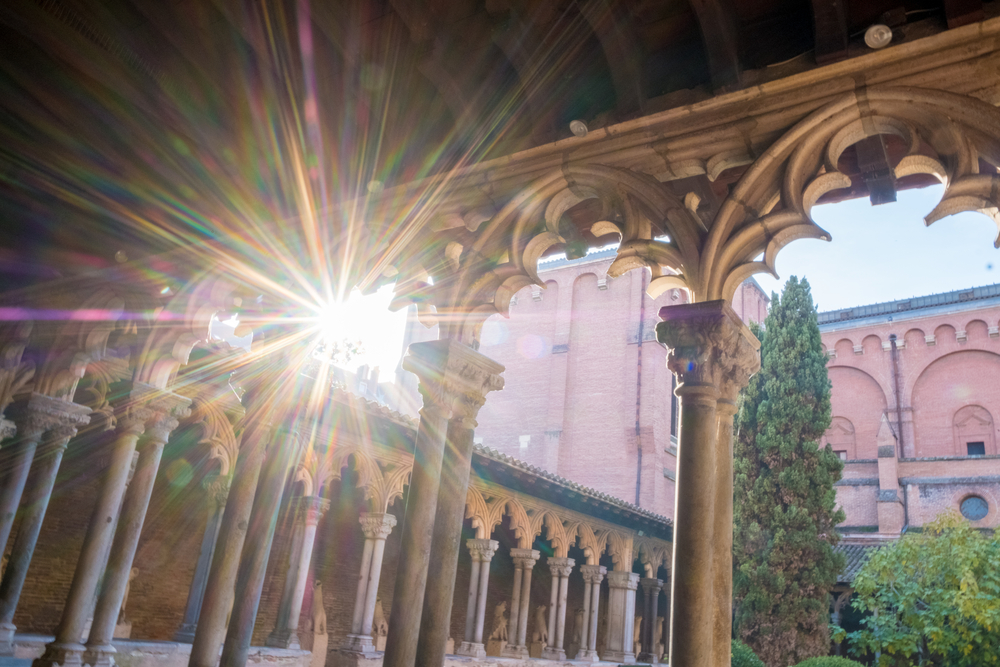
The large cloister of the Musée des Augustins is one of Toulouse’s most remarkable architectural treasures. Built in the 14th century, it is the only Gothic cloister from this period to have been completely preserved in south-west France. Its 176 twin marble columns, topped with finely sculpted capitals, create a serene atmosphere conducive to contemplation.
The architecture of the cloister bears witness to the mastery of medieval builders. The elegant arches form a harmonious perimeter around the central garden. The historiated capitals depict biblical scenes and bear precious witness to the art of Toulouse medieval sculpture.
At the centre of the cloister is a medieval-inspired garden, restored in 1995. This little haven of greenery, adorned with aromatic and medicinal plants typical of the Middle Ages, is an invitation to take a stroll. The garden evokes the peaceful atmosphere that reigned in this monastery, offering visitors a truly timeless interlude in the heart of the pink city.
2. Romanesque and Gothic sculpture collections
The Musée des Augustins houses one of the richest collections of medieval sculpture in the world. More than 400 works, dating from the 12th to the 15th centuries, come mainly from churches and monasteries in Occitania. These exceptional pieces were saved during the French Revolution, and today form an irreplaceable testimony to Southern Romanesque and Gothic art.
The sculpture galleries offer a fascinating journey through the centuries. You’ll discover Romanesque capitals from buildings that no longer exist, decorated with plant motifs, fantastic animals and biblical scenes. The careful lighting highlights every detail, allowing you to appreciate the finesse of the work of the medieval sculptors.
The Gothic collection is impressive in its diversity. Column statues, recumbent figures, altarpieces and pediments tell the story of the artistic and spiritual evolution of the Middle Ages. Each work testifies to the exceptional skill of Toulouse artists and the religious importance of the period. Educational information panels accompany your visit to help you understand these masterpieces.
3. The convent church and its frescoes
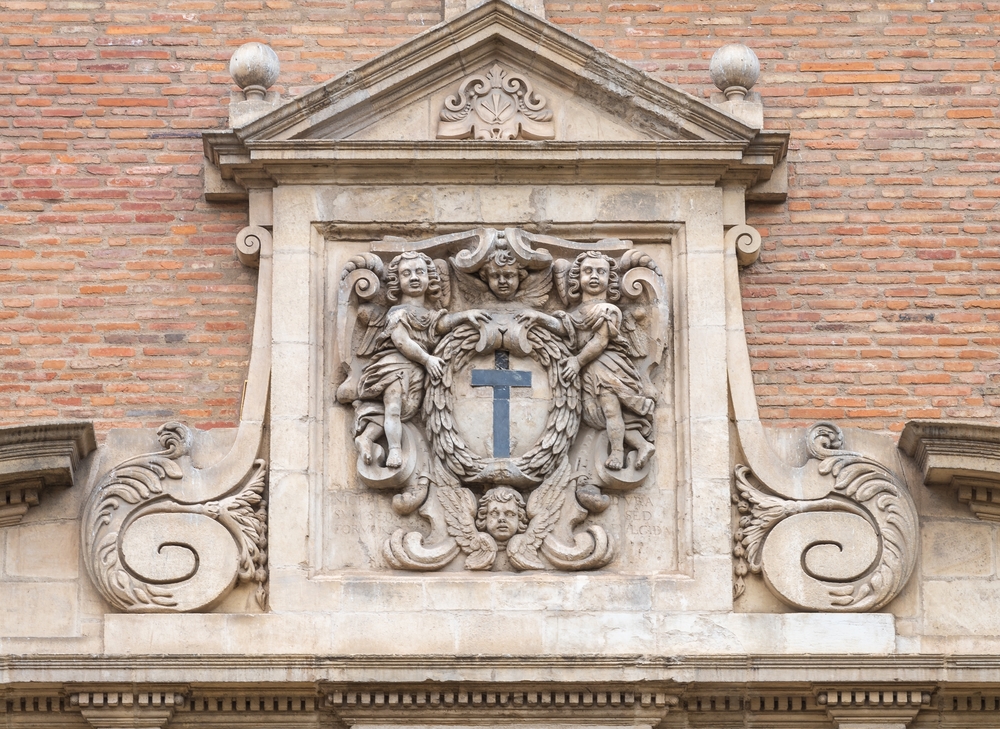
The former convent church is one of the museum’s most impressive spaces. Its imposing nave, typical of southern Gothic architecture, stretches over a length comparable to that of a football pitch. The height of the vaulted ceiling, equivalent to a seven-storey building, captivates visitors as soon as they enter.
The walls of the church contain magnificent frescoes painted between the 15th and 18th centuries. These murals depict religious and biblical scenes of great finesse. Despite the passage of centuries, the pigments have retained some of their original brilliance, testifying to the quality of the techniques employed by the artists of yesteryear.
The church is also home to a historic organ, whose harmonious pipes can still be heard at certain cultural events. The church’s remarkable acoustics make it an ideal venue for concerts. This living dimension means that the museum is not just a simple conservatory of the past, but a dynamic cultural centre firmly rooted in its time.
Download the audio-guided tour to discover Toulouse on foot and on your own
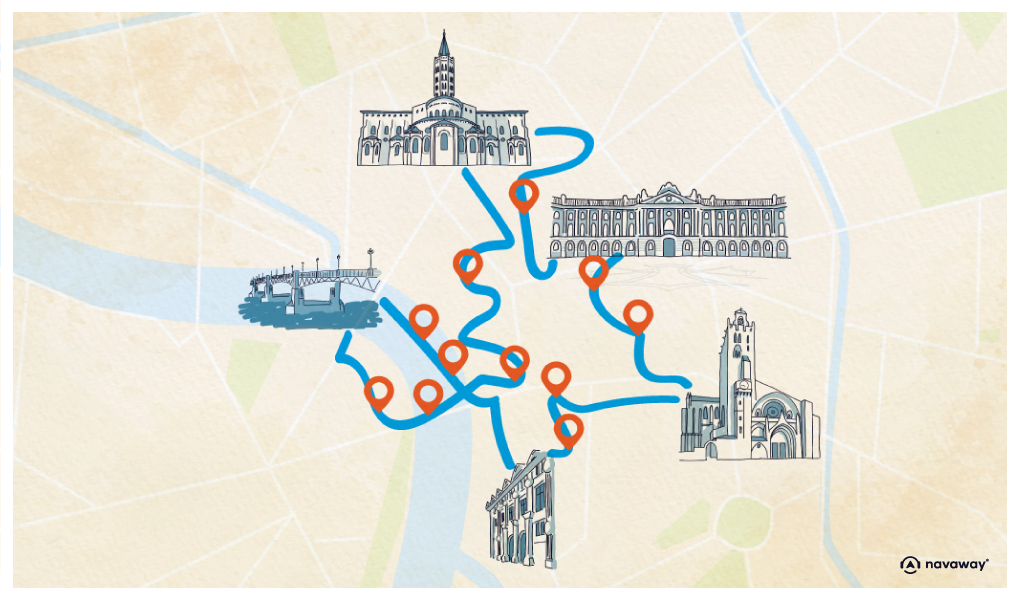
For an immersive and independent way to explore Toulouse, the Navaway audioguide itinerary will help you discover the treasures of the Pink City. With 23 points of interest with commentary, this itinerary lets you visit Toulouse’s iconic sites at your own pace. The route passes close to the Musée des Augustins and allows you to discover the whole of Toulouse’s heritage. Don’t hesitate to let the Navaway application guide you on a fun and rewarding tour of the capital of the Occitan region.
4. Galleries of paintings from the Middle Ages to the 19th century
The Musée des Augustins has a remarkable collection of paintings spanning a wide period, from the Middle Ages to the early 20th century. More than 4,000 works make up the museum’s collection, divided equally between sculptures and paintings. This wealth of artistic talent allows us to follow the evolution of pictorial trends over the centuries.
The painting rooms feature colourful medieval altarpieces, theatrical Baroque canvases and more refined neoclassical works. You can admire paintings by regional masters, as well as works by renowned European artists. Some of the paintings, commissioned by religious orders, bear witness to the spiritual fervour of the time.
The 19th-century collection includes intimate paintings, delicate still lifes and luminous landscapes. The artists represented include such prestigious names as Delacroix and Toulouse-Lautrec, as well as regional painters who left their mark on Toulouse’s artistic history. Each room offers an immersion into a specific artistic period, enriching your understanding of art history.
5. The monumental grand staircase
At the heart of the building is the grand staircase, a true nineteenth-century architectural masterpiece. Built when the museum was being refurbished, this majestic staircase links the different levels of the building. Its neo-Gothic architecture is inspired by medieval styles, while displaying the decorative ambition of its era.
The imposing structure of the staircase is an immediate eye-catcher. The sculpted decorations that adorn it bear witness to the concern for embellishment that characterised the major museum projects of the 19th century. The ornamental motifs, inspired by Gothic art, create an aesthetic continuity with the convent’s medieval architecture.
The finesse of the details reveals the expertise of the craftsmen who worked on its creation. Sculpted balustrades, decorated vaults and the play of light transform this simple, functional passageway into a veritable work of art. The staircase is a perfect illustration of the desire of 19th-century curators to make the museum a place worthy of the finest European palaces.
Opening times and days
The Musée des Augustins will reopen to the public on 19 December 2025, after more than six years of renovation work. Opening times will be officially announced when the museum reopens. Prior to the renovation work, the museum was generally open every day except Tuesday, from 10am to 6pm, with a late-night opening on Wednesdays until 9pm.
The museum regularly offers themed guided tours, family workshops and cultural events. You are advised to consult the official Musée des Augustins website for the latest programme and any exceptional closures.
Like most museums in Toulouse, admission to the Musée des Augustins is free on the first Sunday of every month. This municipal initiative enables everyone to discover or rediscover the rich heritage of the pink city. Take advantage of the Navaway itinerary to organise a full day of cultural visits in Toulouse.
Admission prices
Prices for the Musée des Augustins will be set when it reopens on 19 December 2025. Prior to the works, the museum charged the following rates: full admission €5, reduced admission €3 for students, jobseekers and holders of a disability card. Admission was free for under-18s.
The museum also offers passes and combined packages with other cultural sites in Toulouse. The Toulouse Culture card, available in several formats, allows you to benefit from preferential rates in the city’s museums and monuments. Don’t hesitate to ask at the museum reception desk for details of the most suitable package for your visit.
Where is the Musée des Augustins?
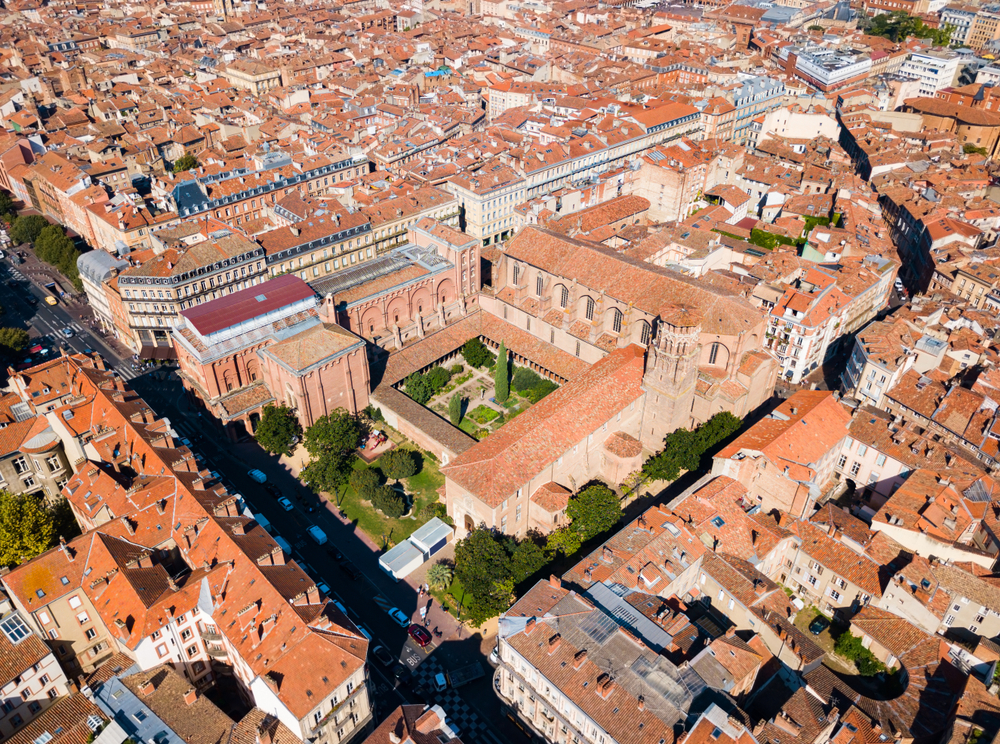
The Musée des Augustins is located in the heart of Toulouse’s historic centre, at 21 rue de Metz, 31000 Toulouse (rated 4.4/5 on Google out of 2,852 reviews). This emblematic address puts the museum just a few minutes’ walk from the Place du Capitole and the city centre. Its privileged location makes it a must for any visit to Toulouse.
The museum is easily accessible by public transport. Esquirol metro station (line A) is about 5 minutes’ walk away. Several bus routes also serve the area, including routes 14 and 29, which stop at Esquirol. For those who prefer cycling, there are VélôToulouse stations nearby.
If you’re coming by car, there are several public car parks nearby: the Esquirol car park and the Carnot car park offer spaces just a few minutes’ walk from the museum. As the area is a pay-parking zone, remember to bring coins for the parking meter or use the mobile payment applications.
How do I get to the Musée des Augustins?
By metro
The metro is the most convenient way to get to the Musée des Augustins. Take line A and get off at Esquirol station. From there, it’s just a 5-minute walk to the museum. Alternatively, take line B and get off at François-Verdier or Carmes, both of which are around 7 minutes’ walk away.
By bus
Several Tisséo bus routes serve the museum area. Lines 14 and 29 stop at Esquirol, very close to the museum. Other lines also pass through the city centre, providing easy access to the area around the Musée des Augustins.
On foot from the Capitol
If you’re in the Place du Capitole, the Musée des Augustins is just a 10-minute walk away. Take rue Saint-Rome or rue de Metz to reach this iconic cultural venue. This walk allows you to discover the picturesque narrow streets of Toulouse’s historic centre.
By bike
Cyclists will love the VélôToulouse stations near Esquirol and François-Verdier. Cycling is an excellent way to discover Toulouse and get from one cultural site to another quickly. Don’t forget to download the application to locate the available stations.
Practical tips for your visit
To make the most of your visit to the Musée des Augustins, allow around 2 hours. This will allow you to explore the various galleries without rushing and to appreciate the remarkable architecture of the place. Art and history lovers can easily spend half a day there.
The museum has a free cloakroom where you can leave your bags, coats and umbrellas. Photographs are permitted without flash in the permanent collections, so you can immortalise your visit and keep a souvenir of your favourite works.
Accessibility for people with reduced mobility is one of the improvements made during the recent renovation. Lifts now provide access to the different levels of the museum. For any specific information about accessibility, please contact the museum before your visit.
If you’d like to explore Toulouse in more depth, the Navaway audioguide will help you explore the main monuments and districts of the pink city. With its informative commentary and intuitive navigation, it’s the ideal companion to ensure you don’t miss a thing during your stay in Toulouse.
What else can you see near the museum?
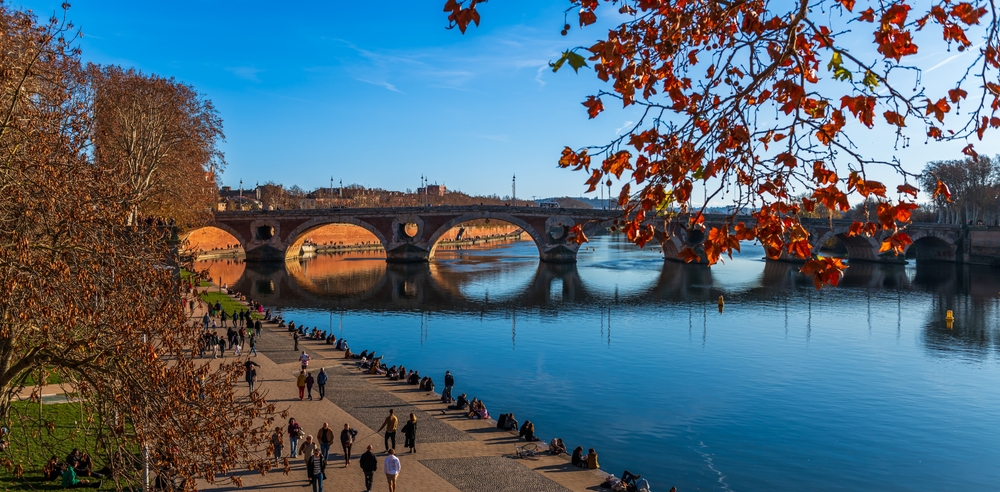
The Musée des Augustins is located in a district that is particularly rich in heritage. Just a few minutes’ walk away is Place Saint-Georges, one of Toulouse’s liveliest squares, with its convivial terraces. This picturesque square is an ideal place to take a break after your visit to the museum.
Pont-Neuf, Toulouse’s oldest bridge over the Garonne, is also nearby. This walk along the quays offers magnificent views of the pink city and its reflections in the water. Don’t miss the Hôtel d’Assézat, a magnificent Renaissance town house that houses the Fondation Bemberg and its collection of Impressionist art.
For a complete tour of the historic centre, follow the Navaway itinerary, which will take you to all Toulouse’s iconic monuments, from the Capitole to the Basilica of Saint-Sernin, not forgetting the Convent of the Jacobins and its famous Gothic palm trees.
In conclusion, the Musée des Augustins is a must for anyone wishing to visit Toulouse and discover its exceptional heritage. With its well-preserved Gothic architecture, remarkable art collections and soothing medieval garden, this museum offers a complete cultural experience. Its reopening in December 2025 marks the start of a new era for this iconic venue, now equipped with modern facilities while retaining its historic soul. Make the most of your visit to Toulouse to discover this cultural gem, and let the Navaway app guide you on an enriching tour of the Pink City.
Frequently asked questions
Is the Musée des Augustins open at the moment?
The Musée des Augustins has been closed for over six years for major renovation work. It will officially reopen to the public on Friday 19 December 2025. This reopening marks the culmination of a vast project to modernise and bring the building up to standard.
How long does it take to visit the museum?
For a complete visit to the Musée des Augustins, allow around 2 hours. This will allow you to discover the main collections of sculptures and paintings, admire the cloister and enjoy the medieval garden. Art lovers can easily spend 3 hours or more.
Can I take photos in the museum?
Yes, photographs are permitted in the permanent collections of the Musée des Augustins, provided that you do not use a flash. This rule protects the works of art while allowing you to immortalise your visit and keep a souvenir of your discoveries.
Is the museum accessible to people with reduced mobility?
The recent renovation of the museum has considerably improved accessibility for people with reduced mobility. Lifts have been installed to facilitate access to the different levels. For further information on accessibility, please contact the museum directly before your visit.
Is there a café or restaurant at the museum?
The museum usually has a shop selling art books, postcards and souvenirs. For a bite to eat, there are numerous cafés and restaurants in the immediate vicinity of the museum, notably on Place Saint-Georges and in the narrow streets of Toulouse’s historic centre.
Does the museum offer guided tours?
The Musée des Augustins regularly offers themed guided tours, workshops for families and educational activities. We advise you to consult the museum’s official website or ask at reception for the schedule of guided tours and to reserve your place.
200 audioguided tours for cities all around the world
Download