Visit the Jungfraujoch, the highest point in Europe
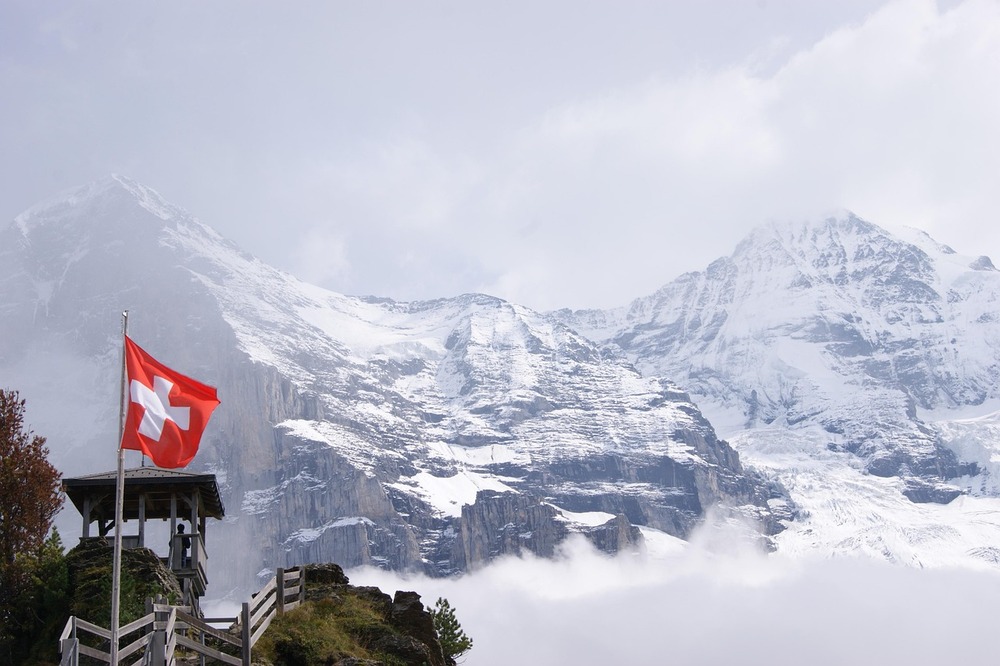

Perched at an altitude of 3,454 metres in the Bernese Alps, the Jungfraujoch is a legendary destination that attracts visitors from all over the world. Nicknamed the ” roof of Europe “, this pass between the majestic peaks of the Jungfrau and Mönch offers breathtaking panoramic views of the eternal glaciers and surrounding mountain ranges. A visit to the Jungfraujoch is a unique experience in the heart of the Swiss Alps, accessible via the highest railway station in Europe. Get ready to discover a world of ice, snow and light where the mountains reveal all their splendour.
200 audioguided tours for cities all around the world
DownloadAlso read the Swiss guide:
- The 25 most beautiful places to visit in Switzerland
- Visiting Switzerland
- Visit Bern in 1 day: 23 things to do and see on foot
- Geneva in 1 day: 24 things to do and see on foot
- Visit Lucerne in 1 day: 28 things to do and see on foot
- Visit Zurich in 1 day: 20 things to do and see on foot
What is the Jungfraujoch, the “roof of Europe”?
The Jungfraujoch is much more than just a mountain pass. Located in Switzerland nearInterlaken, in the canton of Bern, it marks the border between the cantons of Valais and Bern. This natural pass links the two iconic peaks of the Mönch (4,107 metres) and the Jungfrau (4,158 metres), forming a spectacular ridge in the heart of the Bernese Alps.
The fame of the Jungfraujoch is due to a number of exceptional factors. It is home to Europe’s highest railway station, inaugurated in 1912 after 16 years of titanic construction. This technical feat now gives visitors easy access to this high mountain world, without the need for mountaineering skills. The site has also been a UNESCO World Heritage Site since 2001, recognised for its exceptional natural beauty and geological importance.
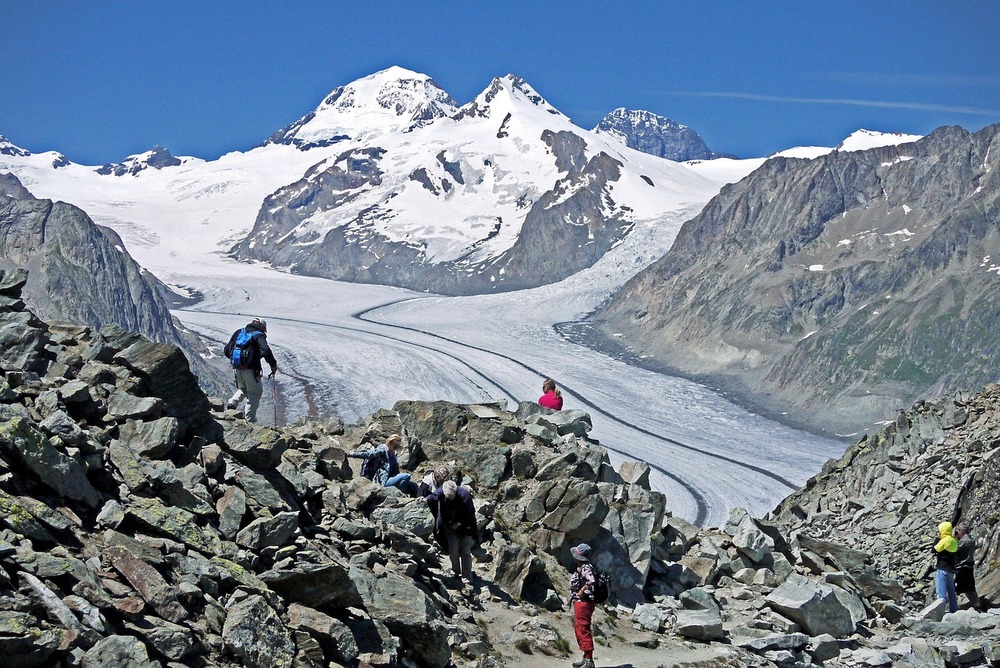
From the Sphinx observation platform, you can see the Aletsch glacier, the largest glacier in the Alps at 23 kilometres long. On a clear day, the view extends as far as the Black Forest in Germany, the Vosges mountains in France and the Italian peaks. To visit the Jungfraujoch is to immerse yourself in an unspoilt landscape where nature reigns supreme, offering an unforgettable experience 365 days a year.
1. The Sphinx observatory: the 360° panoramic view
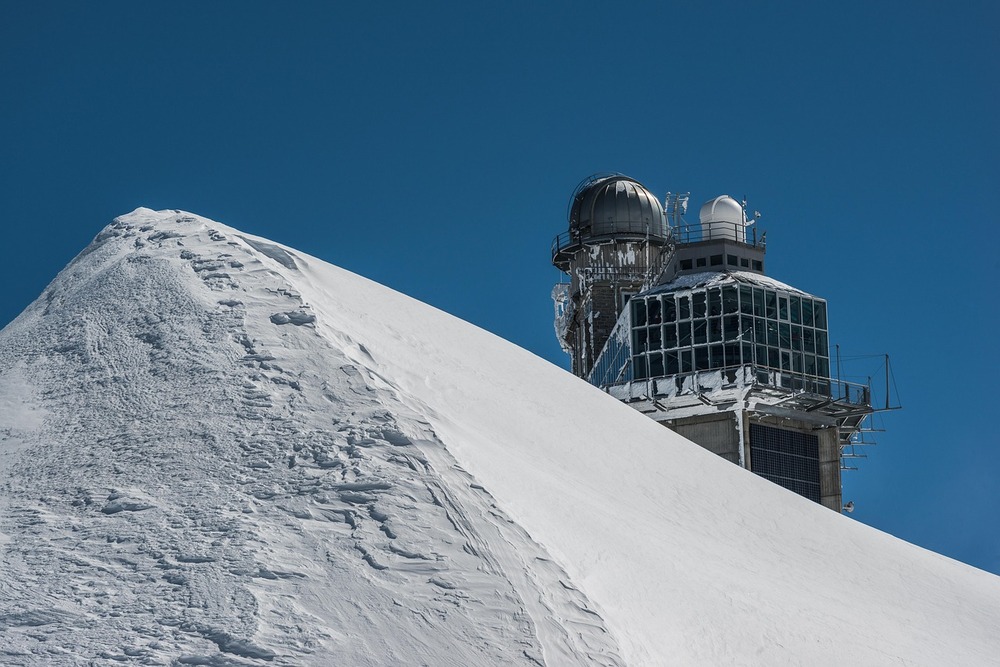
Perched on a rocky spur at an altitude of 3,571 metres, theSphinx Observatory is the highest accessible point of your visit to the Jungfraujoch. A state-of-the-art lift takes you up to this observation platform in just 25 seconds, offering one of the most spectacular views in the Alps.
The panorama from the outdoor terrace is breathtaking. Before you stretches the immensity of the Aletsch glacier, a river of ice listed as a UNESCO World Heritage Site. This 23-kilometre giant winds its way between the peaks, offering a natural spectacle of rare beauty. On a clear day, the view encompasses four countries: Switzerland, of course, but also France, Germany and Italy.
The three giants of the Bernese Alps – theEiger, the Mönch and the Jungfrau – dominate the horizon with their majestic presence. The pure, crystal-clear air of the high mountains sublimates the colours: the dazzling white of the eternal snow, the deep blue of the high-altitude sky and the mineral nuances of the rock faces create an unforgettable natural palette. Allow around 15 minutes to make the most of this exceptional viewpoint, but don’t forget your sunglasses and warm clothes, as the wind can be icy even in summer.
2. The Ice Palace: a fairytale world carved out of the glacier
At the heart of the Aletsch glacier, a fantastic world awaits you: the Ice Palace (Eispalast in German). Carved out of the ice in the 1930s, this network of underground galleries offers a unique experience, literally allowing you to walk inside a thousand-year-old glacier.
As soon as you enter, you’re plunged into a magical world of bluish reflections. The crystalline ice walls radiate a soft, magical light, creating an unreal atmosphere. Along the way, you’ll discover ice sculptures created by artists: a majestic eagle, a polar bear, a penguin… Each work seems to come alive in this icy setting.
The temperature inside the palace is around -3°C all year round, ensuring that the sculptures are perfectly preserved. The floor is slippery, so take care when wandering through these icy corridors. This 15-minute visit is a magical experience for young and old alike, offering a rare insight into the inner structure of an Alpine glacier. The Alpine Sensation, an interactive multimedia trail retracing the history of the Jungfrau Railway, links the Ice Palace to the Sphinx Observatory.
3. The Plateau: walking on eternal snow

At an altitude of 3,454 metres, the Jungfraujoch Plateau offers a unique experience: tread on eternal snow and enjoy a 360-degree panorama of the Alps. Accessible directly from the station, this outdoor platform guarantees snow and ice 365 days a year, even in the height of summer.
On one side, your gaze takes in the Swiss Plateau, stretching as far as the German Black Forest and the French Vosges mountains. On the other, the grandiose spectacle of the Aletsch glacier unfolds, framed by peaks topping 4,000 metres. The immensity of the landscape, the purity of the air and the impressive silence of the high mountains create an unforgettable moment of contemplation.
The Plateau is also home to the Snow Fun Park during the summer season (generally from May to October). Here you can take part in a range of fun activities, including tobogganing, zip-lining over the glacier, or simply enjoying the facilities for some memorable photos. In winter, the immaculate snow cover provides an even more enchanting backdrop. Make sure you bring warm clothing, as temperatures can drop well below zero, and the intense sunshine at altitude means you need effective sun protection.
4. The Jungfrau train: an extraordinary journey through the mountains
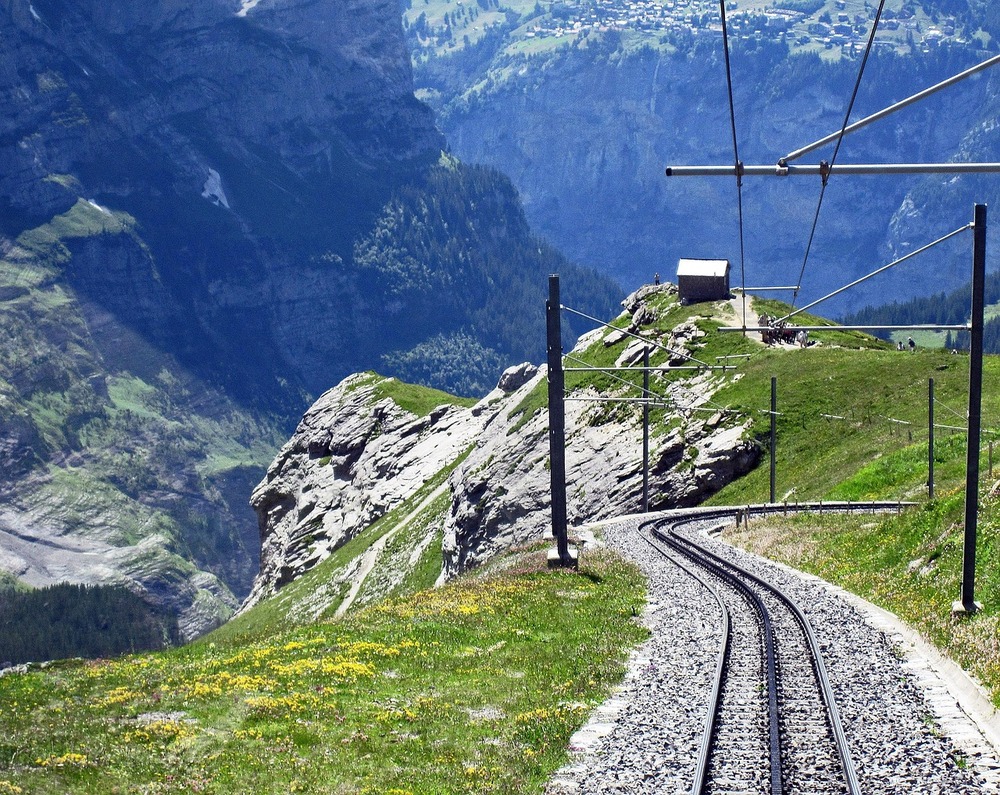
A visit to the Jungfraujoch begins with an exceptional railway adventure. The Jungfrau Railway, inaugurated in 1912, remains one of the most remarkable technical feats of the early 20th century. This cogwheel railway climbs to the highest station in Europe, offering a journey as spectacular as the destination itself.
There are two routes from Interlaken Ost. The modern, fast option is to take the new Eiger Express, a state-of-the-art three-cable gondola from the Grindelwald terminal, which takes just 15 minutes to reach the Eiger glacier. From there, the cogwheel train takes you to the Jungfraujoch in a further 26 minutes. The classic route takes you via Lauterbrunnen or Grindelwald to the Kleine Scheidegg, offering panoramic views of the green valleys before entering the mountains.
The most impressive part of the journey takes place in a tunnel dug through the Eiger and Mönch mountains. During this 7-kilometre ascent through the rock, the train stops twice: at Eigerwand (2,865 metres) and at Eismeer (3,160 metres, the “sea of ice”). These 5-minute stops offer breathtaking views of the glaciers and valleys below through large windows cut into the north face of the Eiger. The incline can reach 25% in some sections, making the experience even more breathtaking. It’s a trip you usually only make once in your life, and it alone justifies a visit to the Jungfraujoch.
5. On-site exhibitions and attractions
The Jungfraujoch complex offers more than just spectacular views. The Toit de l’Europe building, the link between the station and the Sphinx observatory, is home to a number of attractions that enrich the experience of your visit.
The Jungfrau Panorama offers an immersive 360-degree cinematic experience, plunging you into the heart of the Alpine landscape with spectacular images. You will also discover a permanent exhibition retracing thefascinating story of the construction of the railway, a titanic project that involved hundreds of workers over 16 years in extreme conditions.
For chocolate lovers, Lindt Swiss Chocolate Heaven is a must. This shop, the highest in the world, offers a vast assortment of Swiss chocolates from the famous Lindt brand. You can indulge in these delights while admiring the view of the glaciers – a unique combination of gustatory and visual pleasures.
The site also boasts Europe’s highest post office, where you can send postcards with a special Jungfraujoch postmark – an original souvenir for your loved ones. Around 100,000 postcards are sent here every year, testifying to the popularity of this tradition. A number of restaurants offer a variety of dining options, from self-service to à la carte, allowing you to recharge your batteries while enjoying the exceptional setting of the high mountains.
How do I get to the Jungfraujoch?
By train: the most practical option
The most comfortable way to reach the Jungfraujoch is by train. Switzerland has an excellent rail network, so you can easily reach Interlaken from the main Swiss cities. From Zurich, the journey takes around 2 hours. From the capital, Bern, the journey takes less than an hour. Geneva is around 3 hours from Interlaken.
Once in Interlaken Ost, take the BOB (Berner Oberland-Bahn) train to Lauterbrunnen or Grindelwald, then the Jungfrau train from Kleine Scheidegg to the Jungfraujoch. The fastest option is to take the new Eiger Express from the Grindelwald terminal: it takes around 1? hours from Interlaken Ost to the summit.
By plane: nearby airports
If you are travelling from abroad, the region is well served by three international airports: Zurich, Basel and Geneva. Zurich airport is the closest and best connected to Interlaken. There are direct trains from the airport to Interlaken every hour, with a journey time of around 2 hours. Berne airport also exists, but offers fewer international flights.
By car: an Alpine road trip
By car, you can admire the magnificent Swiss countryside at your own pace. Interlaken can be reached via the A8 motorway from Berne, or via Lucerne and the Brünig Pass. Please note, however, that you cannot drive up to the Jungfraujoch. You must leave your car in a car park in Interlaken (the Park+Ride in Matten bei Interlaken is recommended), Lauterbrunnen or Grindelwald, then take the train. Car parks can be expensive in high season, so check out the special combined train and car park rates.
Practical information for visiting the Jungfraujoch
Prices and tickets
A return ticket to the Jungfraujoch represents a substantial investment: allow around CHF 220 per adult (around €230) from Interlaken. Children under 6 travel free. Between the ages of 6 and 15, they benefit from a reduced fare of CHF 22 if they have a Junior Card (free for children travelling with their parents).
There are several options for reducing costs. The Good Morning Ticket, valid on the first morning trains (before 8am), offers a 15% discount and the advantage of discovering the site before the tourist rush. The Jungfrau Travel Pass (3 to 8 days) allows unlimited travel in the region, and pays off if you plan several excursions. Swiss Travel Pass holders benefit from a 25% discount.
Important: reserving a seat (CHF 10 extra) is strongly recommended, and even compulsory in high season (May to October), to guarantee your place on the train at the desired time and avoid long waits.
Opening times and length of visit
The Jungfraujoch is accessible 365 days a year, whatever the weather conditions. Trains generally run between 6.30am and 4pm from Interlaken, with a frequency of around 30 minutes. Plan a full day for your excursion: allow around 3 hours for the return journey from Interlaken, and at least 2 to 3 hours on site to take full advantage of the various attractions.
In summer, the early hours of the morning generally offer better visibility before clouds form during the day. In winter, the spectacle of the immaculate snow cover is particularly enchanting, although the temperatures are even harsher.
What to wear and take with you
At an altitude of more than 3,400 metres, the weather conditions are extreme, even in summer. Temperatures regularly drop below zero, and the wind can be bitterly cold. Equip yourself with layers of warm clothing: a waterproof and windproof jacket, woollen jumper or fleece, hat, gloves and scarf are essential all year round.
Wear closed, non-slip shoes: the ground can be slippery, especially in the Ice Palace and on the Plateau. High-quality sunglasses are essential, as UV rays are very intense at altitude, amplified by the reflection off the snow. Don’t forget your sun cream (factor 50 minimum), even if the sky is cloudy.
As far as altitude sickness is concerned, most visitors have no major problems thanks to the gradual ascent by train. However, if you are sensitive, take an aspirin and avoid strenuous exercise. Stay well hydrated and limit alcohol consumption. In the event of persistent headaches, nausea or severe dizziness, quickly descend to a lower altitude.
Where to stay around the Jungfraujoch?
Interlaken: the ideal base
Interlaken is the ideal base for visiting the Jungfraujoch. This charming town nestling between Lakes Thun and Brienz has it all: hotels of all categories, a variety of restaurants, shops and a well-connected railway station. You’ll find establishments to suit all budgets, from friendly youth hostels to luxury hotels with spas.
Interlaken’s advantage lies in its central location: as well as the Jungfraujoch, you can easily travel to other remarkable sites in the Bernese Oberland. The town itself is well worth a stroll, especially along Höheweg, the elegant main avenue offering spectacular views of the Jungfrau.
Grindelwald and Lauterbrunnen: close to the mountains
For total immersion in the Alpine atmosphere, consider staying in Grindelwald or Lauterbrunnen, two authentic mountain villages. Grindelwald, dominated by the north face of the Eiger, has a warm atmosphere and many chalets. The new Eiger Express terminal is located here, offering the fastest access to the Jungfraujoch.
Lauterbrunnen, often described as one of the most beautiful Alpine valleys, impresses with its 72 waterfalls gushing from the vertical walls. The village, nestling in the hollow of this U-shaped valley, offers an exceptionally romantic setting. These two destinations allow you to save time on the morning of your departure for the Jungfraujoch and explore other Alpine hikes during your stay.
What can you do around the Jungfraujoch?
There are many other treasures to discover in the Jungfrau region, to enhance your stay in the Bernese Alps.
Hiking and mountain activities
The hiking trails around Wengen, Mürren and Kleine Scheidegg are among the most beautiful in Europe. The panorama trail between Männlichen and Kleine Scheidegg offers breathtaking views of the Eiger-Mönch-Jungfrau trio, with a moderate gradient that is accessible to all abilities. In summer, the gondola lifts you quickly up to the start of the hikes.
The Trümmelbach Falls in Lauterbrunnen are well worth a visit. These spectacular underground cascades, carving their way through the rock with a thunderous roar, are a natural phenomenon that is unique in Europe. Accessible by funicular, they offer a breathtaking experience of the power of water.
The lakes of Interlaken
Lake Thun and Lake Brienz, which surround Interlaken, are also well worth a visit. Cruises allow you to admire the mountains from the water, offering a totally different perspective. The shores are home to charming villages such as Spiez and Brienz, renowned for its traditional wood-carving crafts. In summer, the turquoise waters are perfect for swimming and water sports.
In conclusion, visiting the Jungfraujoch is much more than a simple mountain excursion: it’s a complete adventure in the heart of the Swiss Alps, combining technical railway prowess with the discovery of exceptional natural landscapes. From the spectacular cogwheel train journey to the breathtaking views from the Sphinx observatory and the magic of the Ice Palace, every moment spent on this “roof of Europe” leaves an indelible impression. Whether you’re a photography enthusiast, a mountain enthusiast or just a visitor looking for something to marvel at, the Jungfraujoch offers a unique experience that’s accessible all year round. Prepare yourself carefully, book your tickets in advance, and let yourself be carried away by the majesty of the Bernese Alps on this unforgettable excursion to an altitude of 3,454 metres.
Frequently asked questions about visiting the Jungfraujoch
How much does a ticket for the Jungfraujoch cost?
A return ticket from Interlaken costs around CHF 220 (€ 230) for an adult. Children under 6 travel free, and those aged between 6 and 15 pay CHF 22 with a Junior Card. Discounts are available with the Good Morning Ticket (-15%), the Jungfrau Travel Pass or the Swiss Travel Pass (-25%). Seat reservations (CHF 10) are highly recommended in high season.
When is the best time to visit the Jungfraujoch?
The Jungfraujoch can be visited all year round, with each season offering its own attractions. May to September generally offer better visibility, milder (though still cool) temperatures and maximum sunshine. The mornings, especially in summer, offer the best conditions before the clouds form. Winter offers enchanting scenery but extreme temperatures. Check the weather forecast and webcams before your visit.
How long will the tour take?
Book a full day for your excursion to the Jungfraujoch. The round trip from Interlaken takes around 3 hours in total. On site, allow at least 2 to 3 hours to visit the Sphinx observatory, the Ice Palace, the Plateau, the exhibitions and the restaurants. The more motivated can spend 4 to 5 hours including hikes on the Aletsch glacier.
Is the Jungfraujoch accessible to people with reduced mobility?
Yes, the Jungfraujoch is relatively well adapted for people with reduced mobility. The trains have wheelchair access, as do the lifts to the Sphinx observatory. Most of the main attractions are accessible, although some areas such as the Ice Palace may present difficulties due to slippery ground. It is advisable to contact the Jungfrau Railways in advance to organise your visit in the best possible conditions.
Can you suffer from altitude sickness on the Jungfraujoch?
Altitude sickness can indeed occur at 3,454 metres, although the gradual ascent by train generally limits the symptoms. Around 10% of visitors experience mild headaches, fatigue or dizziness. To minimise the risks: stay well hydrated, avoid alcohol before and during your visit, and don’t exert yourself while you’re there. If symptoms persist or worsen, quickly descend to a lower altitude. People with heart or respiratory problems should consult their doctor before the visit.
200 audioguided tours for cities all around the world
Download