Visit the Tulum Pyramids in Mexico
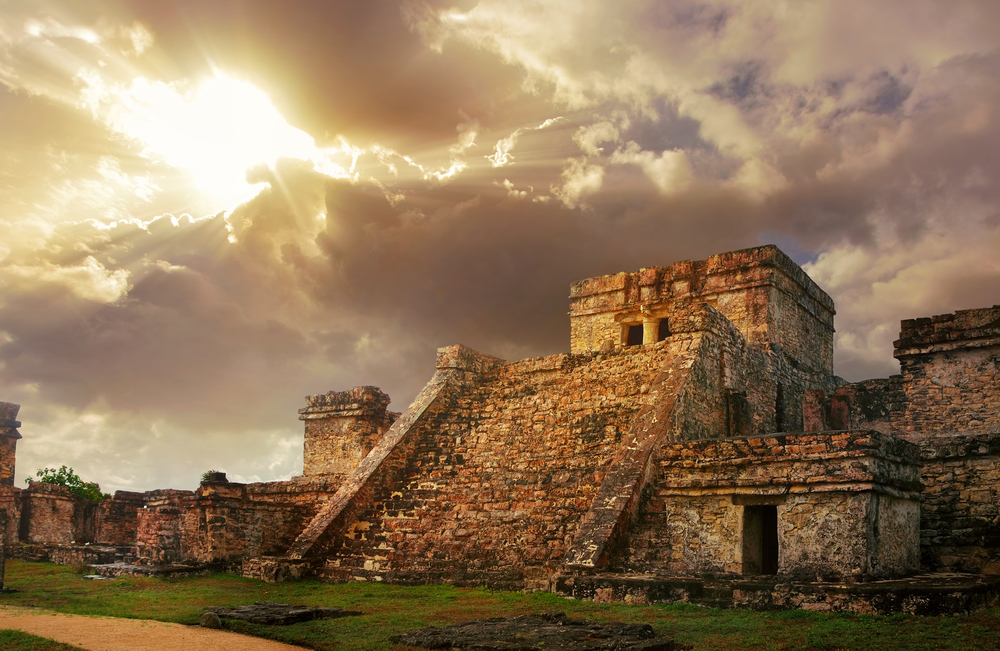

Perched on a cliff overlooking the turquoise Caribbean Sea, the pyramids of Tulum are a breathtaking sight. This archaeological site, unique in the world, combines the fascinating history of the Mayan civilisation with paradisiacal landscapes that are the stuff of dreams for travellers the world over. Find out how to visit this jewel of Mexico, the gateway to the mysterious world of the Mayans.
See also the Mexico guide :
- Top 10 culinary specialities in Mexico City
- Top 6 things to do in Mexico City
- Top 6 things to do in Puebla
- What are the best hotels in Puebla?
- Top 5 best hotels in Mexico City
- The 13 best destinations to spend the winter in the sun
- The 17 most beautiful places to visit in Mexico
Why visit the Tulum pyramids?
The pyramids of Tulum are much more than just an archaeological site. It is one of the few examples in the world of a fortified Mayan city built by the sea, offering a unique combination of cultural heritage and natural beauty. Unlike more imposing Mayan sites such as Chichén Itzá or Cobá, Tulum stands out for its spectacular location overlooking the crystal-clear waters of the Caribbean Sea.
The city of Tulum, whose name means “wall” in the Mayan language, was once a major commercial port and strategic fortress. Its heyday was between the 13th and 15th centuries, when it served as a key gateway for the maritime trade of the Mayan civilisation. Today, visitors can wander through the remains of this ancient fortified city while enjoying a breathtaking view of the sea, a rare and unforgettable experience that more than justifies a visit to the Tulum pyramids.
1. El Castillo: the emblematic pyramid of Tulum
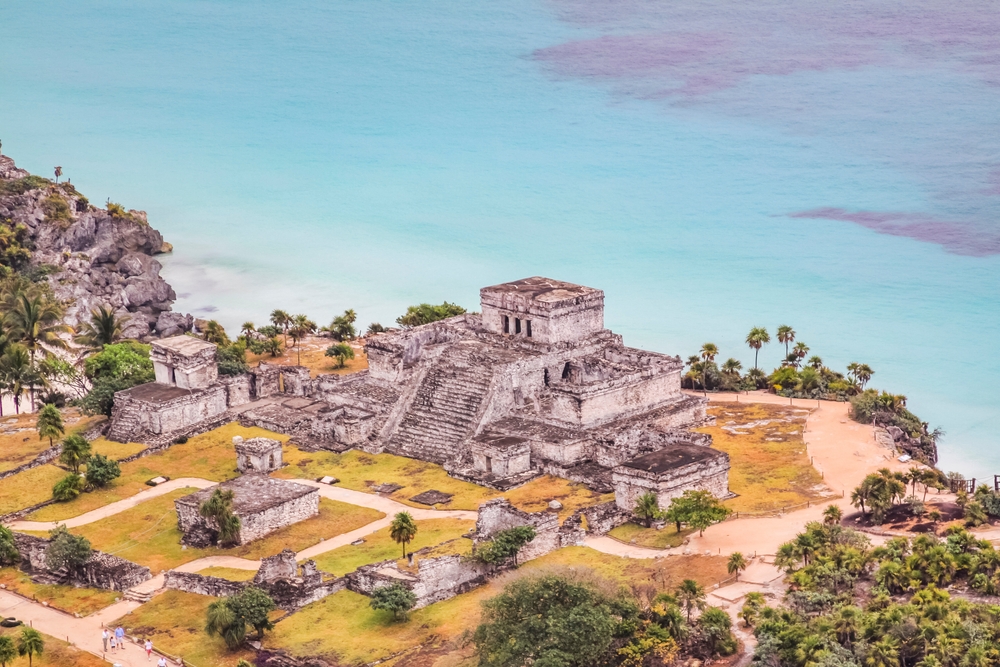
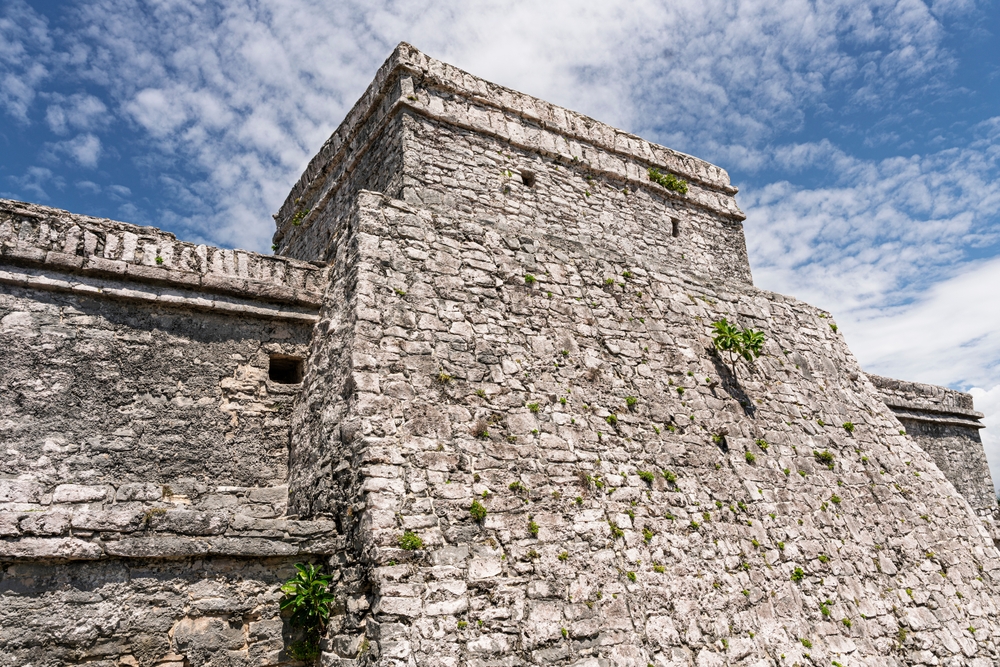
El Castillo, literally “the castle”, is without doubt the most impressive and most photographed monument on the Tulum archaeological site. This majestic pyramid stands proudly at the highest point of the cliff, offering an unmistakable silhouette facing the Caribbean Sea. Standing 7.5 metres high, El Castillo once dominated the entire city and probably served as a temple dedicated to the descendant deity, a central figure in Mayan cosmogony.
The architecture of El Castillo bears witness to the exceptional skills of the Mayan builders. Its imposing central staircase leads to a temple supported by columns sculpted in the shape of a snake, recalling the influence of Chichén Itzá. The façade features three niches housing stucco figures, the central one representing the Bee God, an important deity in Mayan mythology. Researchers believe that El Castillo also served as a natural lighthouse to guide Mayan boats along the coast, thanks to its strategic position overlooking the sea.
The views from El Castillo are absolutely spectacular, especially at sunrise or sunset. It’s the perfect place to take memorable photos of the Tulum pyramids with the turquoise sea in the background. Although it is no longer possible to climb to the top for conservation reasons, admiring the pyramid from below is still an impressive experience and a measure of the ingenuity of the Mayans.
2. The Temple of Frescoes: Mayan art in all its splendour
The Temple of Frescoes is one of Tulum’s most precious artistic treasures. This two-storey building owes its name to the remarkable murals that adorn its interior walls, providing exceptional evidence of Mayan pictorial art. The frescoes, which are still visible despite the passage of centuries, depict complex religious scenes featuring Mayan deities such as Chaac, the god of rain, and Ixchel, the goddess of fertility and the moon.
The architecture of the Temple of Frescoes also reveals some fascinating details. The corners of the building reveal sculpted masks that may represent Itzamná, the Mayan creator god. The exterior decorations include geometric motifs and stylised representations of deities that illustrate the symbolic richness of Mayan culture. The temple probably served as a place of worship and astronomical observation, as the Maya were renowned for their advanced knowledge of astronomy.
The preservation of these frescoes is remarkable given the site’s exposure to the natural elements. Visitors can admire these ancestral works of art, which offer a valuable insight into the religious beliefs and practices of the Maya civilisation. The Temple of the Frescoes is a must-see for anyone wishing to gain an in-depth understanding of the culture and spirituality that inspired the inhabitants of Tulum.
3. The Temple of the Descending God: an architectural mystery
The Temple of the Descending God takes its name from the enigmatic sculpture that adorns its main façade. This depiction shows a winged divinity in a descending position towards the earth, arms and legs outstretched. The exact identity of this divinity is the subject of debate among archaeologists, some of whom see it as a representation of the god of rain or the setting sun, while others associate it with Venus, a planet that played an important role in Mayan astronomy.
This small temple, located right next to El Castillo, stands out for its compact yet richly decorated structure. Despite its modest size, its façade features sophisticated architectural details. The temple’s orientation suggests that it played a role in astronomical observations, enabling Mayan priests to track celestial movements and determine the right times for religious ceremonies and agricultural activities.
The position of the Temple of the Descending God also offers an exceptional panoramic view of the Caribbean Sea. This combination of religious function and strategic position perfectly illustrates the architectural mastery and urban planning intelligence of Tulum’s builders. For visitors to Tulum, this temple is a must-see when exploring the pyramids.
4. The fortified walls: protecting the sacred city
The imposing walls surrounding the archaeological site of Tulum bear witness to the unique character of this Mayan city. Unlike most other Mayan centres, which remained open, Tulum was a fortified city, protected by thick walls up to 5 metres high. These walls extend for around 400 metres on the landward side, encircling an area almost 400 metres deep.
The construction of these fortifications reveals Tulum’s strategic importance as a commercial port and defensive centre. The walls had five narrow access gates, easily defensible in the event of an attack. The walls were between 3 and 8 metres thick, depending on the location, and could support watchtowers to keep an eye on the surrounding area and alert the population in the event of danger.
A walk along these ancestral walls offers a unique perspective on the urban organisation of Tulum and allows us to imagine the daily life of its inhabitants several centuries ago. These impressive architectural remains are an essential element in understanding why Tulum means “wall” and how this city was able to prosper and protect itself for centuries in the face of external threats.
5. Tulum beach: swimming at the foot of the pyramids
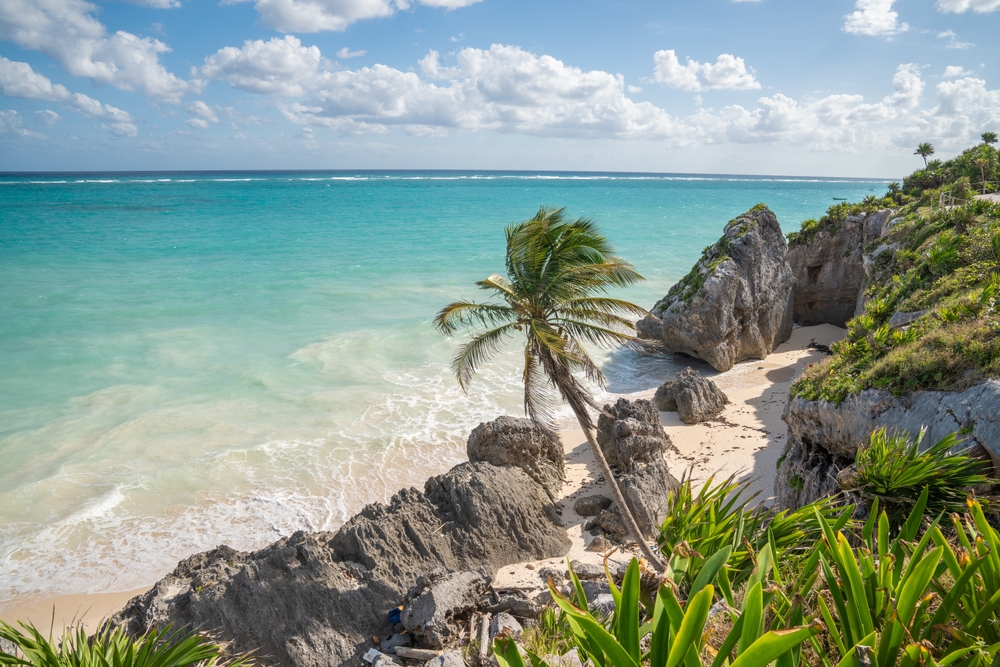
One of the major attractions of a visit to the pyramids of Tulum is the opportunity to combine archaeological discovery with a relaxing beach holiday. At the foot of the cliff where El Castillo stands, a white sandy beach bordered by turquoise waters invites visitors to take a dip. A large stone staircase provides easy access to this heavenly little cove, offering a refreshing break after exploring the site under the Mexican sun.
This beach is of particular historical interest: it was once the natural harbour of the Mayan city, where boats carrying goods and travellers docked. The calm, protected waters of this cove made it an ideal place for landing and loading boats. Today, visitors can swim in these same waters while admiring the spectacular view of the Tulum pyramids against the blue sky.
We recommend that you bring a swimming costume and towel with you on your visit, as this beach is a highlight of the Tulum experience. However, there are limited facilities on site (no showers or changing rooms), and you should respect this exceptional site by not leaving litter. Swimming at the foot of the Tulum pyramids is an unforgettable experience, combining history, culture and nature in a way that is unique in the world.
6. Small temples and altars: the site’s hidden treasures
In addition to the main monuments, the archaeological site of Tulum contains numerous smaller temples and altars scattered throughout the fortified enclosure. These smaller structures are no less important for understanding the religious and social life of the ancient city. Several of these smaller sanctuaries are located around the creek and at various strategic points around the site.
These altars and oratories were used to receive offerings and celebrate rituals in honour of Mayan deities. Some are still considered sacred by the descendants of the Maya who live in the region. It is not uncommon to see contemporary offerings placed next to these ancient structures, testifying to the spiritual continuity that links the past to the present.
These secondary structures also include former elite residences, warehouses and administrative buildings that give an insight into Tulum’s social organisation. Taking the time to explore these less-frequented areas allows you to discover fascinating architectural details and appreciate the full extent of what was once a thriving walled city. These hidden treasures greatly enrich the experience of visiting the pyramids of Tulum.
Times and prices for visiting the Tulum pyramids in 2026
The Tulum archaeological site is open daily from 8am to 5pm, with last admission at 3.30pm. We strongly recommend arriving early in the morning, ideally when the site opens, to avoid the crowds and take advantage of the milder temperatures. The hottest times of the day, between 11am and 3pm, can make for an uncomfortable visit due to the intense heat and lack of shade over much of the site.
Entrance fees for 2026 are around 622 Mexican pesos per person (around €35), divided into several tickets: 412 pesos for access to the Parque del Jaguar (the national park) and 210 pesos for the archaeological site itself. If you’re coming by car, there’s also a parking charge of around 100 pesos. These rates have risen considerably in recent years due to the growing popularity of the site.
There are several options for visiting the Tulum pyramids. You can buy your tickets directly on site, but be prepared to queue, especially during the peak tourist season. You can also book guided tours that include transport from your accommodation in Playa del Carmen or Cancún, entry to the site and the services of an English- or French-speaking guide. These all-inclusive packages simplify organisation and enhance your understanding of the site thanks to expert explanations.
How do I get to the Tulum pyramids?
The archaeological site of Tulum lies around 130 kilometres south of Cancún and 65 kilometres south of Playa del Carmen, on Mexico’s magnificent Caribbean coast. Visitors have several options for reaching this exceptional site. By hire car, allow around 1 hour 45 minutes from Cancún airport via Federal Route 307, which is very well maintained and easy to follow.
For those who prefer public transport, ADO buses provide regular, comfortable services from Cancún and Playa del Carmen to the town of Tulum. The journey from Cancún takes around 2 hours and costs between 200 and 300 pesos, depending on the type of bus you choose. Once you arrive at the Tulum bus station, you can take a collectivo taxi or hire a bicycle to cover the 4 kilometres between the town centre and the archaeological site.
Taxis are a practical but more expensive option. From the centre of Tulum, it costs between 100 and 150 pesos to get to the pyramids. If you’re staying in Tulum’s seaside hotel zone, many hotels offer shuttle buses or can arrange transport for you. Finally, for a more ecological and immersive experience, hiring a bike is an excellent alternative, allowing you to enjoy the coastal scenery and stop as you please along the road leading to the Tulum pyramids.
Practical advice to make the most of your visit
To get the most out of your visit to the Tulum pyramids, adequate preparation is essential. First of all, plan to spend at least 2 to 3 hours exploring the site. If you also want to enjoy the beach and take the time to admire every architectural detail, a full half-day is ideal. Arrive at the opening at 8am to avoid the groups of tourists who usually arrive between 10am and 2pm.
The right equipment makes all the difference to a comfortable visit. Wear comfortable, closed-toe shoes, as you’ll be walking over rocky paths and uneven surfaces. A hat or cap, sunglasses and high factor sun protection are essential, as the Mexican sun is particularly intense. Don’t forget to bring plenty of water (at least 1.5 litres per person), as there are no drinking water points on site.
If you plan to swim at the beach at the foot of the pyramids, pack a swimming costume and towel. A few mosquito repellents can also be useful, especially in the wet season. Finally, although guided tours are available on site, download an audioguide application or print out a map of the site before your visit to find your way around easily and make sure you don’t miss anything about the pyramids of Tulum.
What to do around Tulum
The Tulum region is full of attractions worth exploring before or after your visit to the pyramids. Just a few kilometres away are a number of spectacular cenotes, natural freshwater pools typical of the Yucatán Peninsula. Gran Cenote and Cenote Dos Ojos are among the most popular, offering opportunities for swimming and diving in crystal-clear waters surrounded by fascinating geological formations.
For nature lovers, the Sian Ka’an Biosphere Reserve, a UNESCO World Heritage Site, is just a short drive from Tulum. This protected area of over a million acres is home to exceptional biodiversity, with mangroves, lagoons, coral reefs and a varied fauna including manatees, crocodiles and over 300 species of birds. Day trips are available to discover this unique ecosystem by kayak or boat.
The nearby archaeological sites are the perfect complement to a visit to the Tulum pyramids. Cobá, a 45-minute drive away, impresses with its 42-metre-high Nohoch Mul pyramid, one of the few that can still be climbed. The majestic Chichén Itzá, one of the New Seven Wonders of the World, is around 2 hours away. These excursions will deepen your understanding of the fascinating Mayan civilisation that flourished in this region for centuries.
In conclusion, a visit to the pyramids of Tulum is much more than a simple archaeological excursion. It’s a complete immersion in Mayan history, enhanced by an exceptional natural setting where the thousand-year-old remains interact with the splendour of the Caribbean. Whether you’re a history buff, a photography enthusiast or simply a traveller in search of beauty, the pyramids of Tulum promise an unforgettable experience that will stay with you forever. Plan your visit carefully, be patient with the crowds in high season, and let yourself be transported by the magic of this unique place. The pyramids of Tulum are waiting to reveal the secrets of a fascinating civilisation in one of Mexico’s most beautiful settings.
FAQ – Frequently asked questions about the Tulum pyramids
Can you climb the Tulum pyramids?
No, climbing the pyramids and monuments of Tulum, including El Castillo, is no longer permitted. The ban is intended to preserve these thousand-year-old structures, which are already suffering the effects of natural erosion and the climate. However, you will still be able to admire these monuments up close and take magnificent photos from the ground.
How long does it take to visit the Tulum pyramids?
A standard visit to the archaeological site of Tulum takes around 1? to 2 hours. If you also want to enjoy the beach at the foot of the ruins and take the time to explore each monument in detail, allow 3-4 hours. Archaeology and photography enthusiasts will appreciate devoting a full half-day to the site.
When is the best time to visit the Tulum pyramids?
The best period is from December to April, during the dry season, with pleasant temperatures and little rainfall. May and November are also good compromises, with fewer tourists. Avoid the rainy season (June to October) and the busy months (December-January and July-August) if you prefer a more leisurely visit.
Do I need a guide to visit Tulum?
A guide is not compulsory, but highly recommended to enhance your understanding of the site. Local guides, available at the entrance, share fascinating information about Mayan history, architecture and culture that you won’t discover on your own. You should expect to pay around 600-800 pesos for a group tour, or 1200-1500 pesos for a private visit.
Are there any on-site facilities (restaurants, toilets)?
Toilets are available at the entrance to the site, but there are none inside the archaeological zone. There are a few food and drink stalls near the car park, but there are no restaurants or shops inside the site. It is therefore advisable to bring your own water and snacks, especially if you are planning a longer visit.
Are the Tulum pyramids suitable for children and people with reduced mobility?
The site is accessible to children, who generally enjoy the combination of archaeological exploration and swimming at the beach. However, access is difficult for people with reduced mobility, as the terrain is uneven with rocky paths and steps. There are no special facilities for wheelchairs, which unfortunately limits accessibility for some visitors.
200 audioguided tours for cities all around the world
Download