
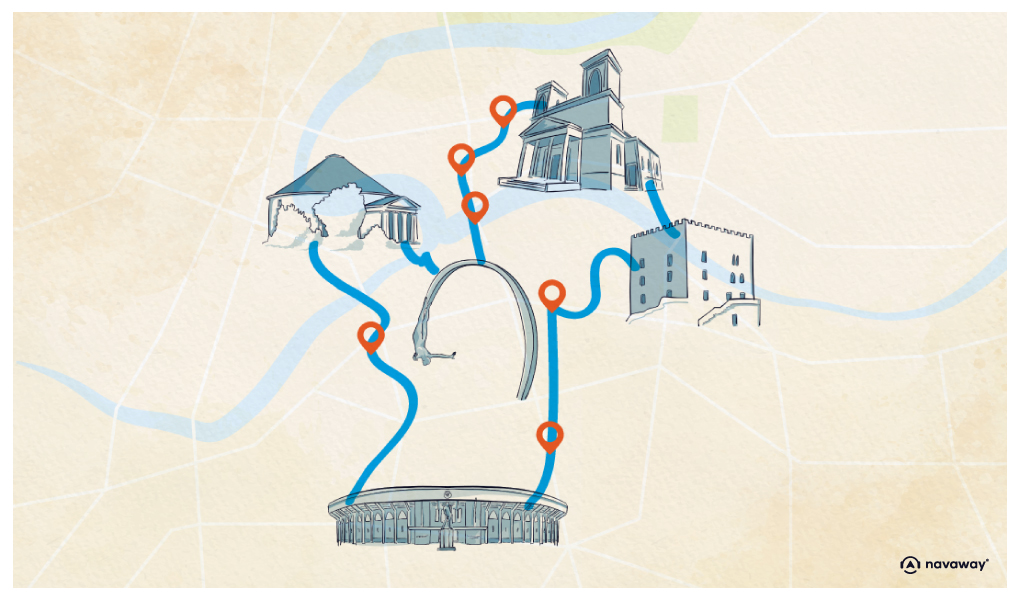
History of Mont-de-Marsan

This point of interest is available as audio on the tour: Visit Mont-de-Marsan, The city of three rivers
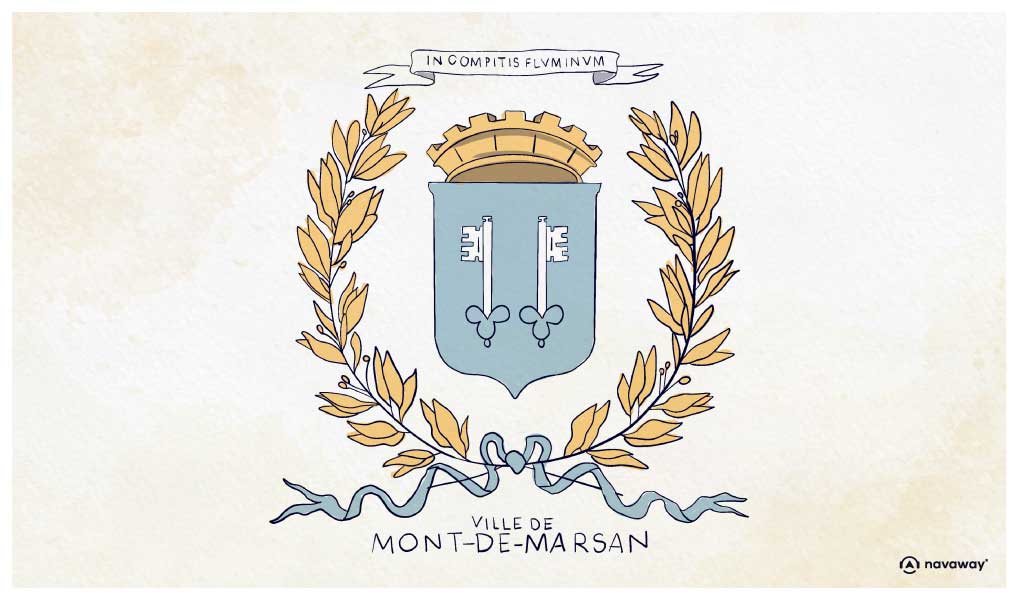
Let’s take this moment as you stroll along Rue Cazaillas to step back in time and revisit the history of Mont-de-Marsan, the capital of the Landes and a recognised City of Art and History. Founded in the twelfth century by Pierre de Marsan, the town developed at the meeting point of two rivers, the Midou and the Douze, which come together here to form the Midouze. This natural crossroads made Mont-de-Marsan a strategic centre for trade and defence, protected by its ramparts and dominated by the Lacataye Keep, now home to the Despiau-Wlérick Museum. In the Middle Ages, the town thrived thanks to its fairs, river trade and leather craftsmanship. Later on, it became an important military hub, hosting cavalry regiments and the Air Force non-commissioned officers’ school, which is still based here today. The nineteenth century marked its administrative rise, when Mont-de-Marsan became the prefecture of the Landes and gained several emblematic buildings such as the town hall, the theatre and the Plumaçon bullring, where the famous Madeleine festivities take place every summer. The town is also known for its artistic spirit. Birthplace of sculptor Robert Wlérick and shaped by the influence of Charles Despiau, it is home to the Despiau-Wlérick Museum and to an open-air sculpture trail unique in France. Today, its heritage brings together nature, culture and tradition: the banks of the Midouze, its shaded parks and monumental sculptures all reflect a human-sized city, deeply rooted in its history yet firmly turned towards creativity.

Discover Mont-de-Marsan with app
An interactive guide through the most beautiful streets, squares, and districts
20 fun audioguides full of historical facts, anecdotes, and legends


Comments