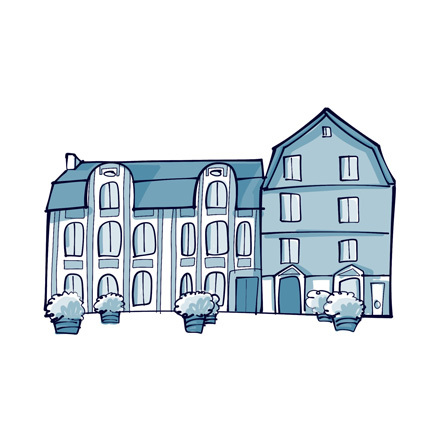
1. Hôtel Dubocage de Bléville
This magnificent private mansion dates back to the 17th century and was home to Le Havre-born navigator Michel-Joseph Dubocage de Bléville in the 18th century. Read more

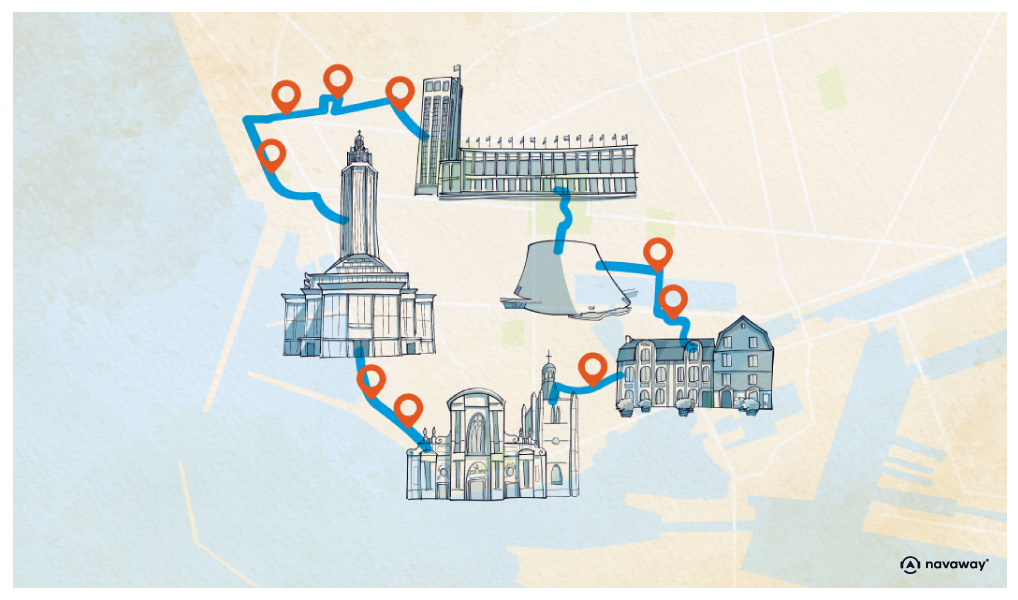
Tour
6,2 km
2h30
18 audios
Text version
Listed as a UNESCO World Heritage Site since 2005, the city of Le Havre stands out from the rest of France with its bold and modern architecture. Whether it’s love at first sight or a style that grows on you, its unique look, shaped by architect Auguste Perret, a pioneer of reinforced concrete, tells the story of a city deeply marked by history. After the devastating bombings of World War II, which destroyed nearly the entire city, rebuilding Le Havre was a monumental task. The renovations were carried out by Perret, whose vision gave the city its modern identity, a powerful symbol of post-war renewal. But not everything was lost. A few buildings survived the destruction, offering a glimpse into Le Havre’s past, a city that proudly celebrated its 500th anniversary in 2017. Today, it is France’s second-largest port after Marseille, with vast docks, a lively city centre, and a wide pebble beach where you can take a dip or relax on a warm summer day. So let’s dive in and explore this unforgettable gem of Normandy!

This magnificent private mansion dates back to the 17th century and was home to Le Havre-born navigator Michel-Joseph Dubocage de Bléville in the 18th century. Read more
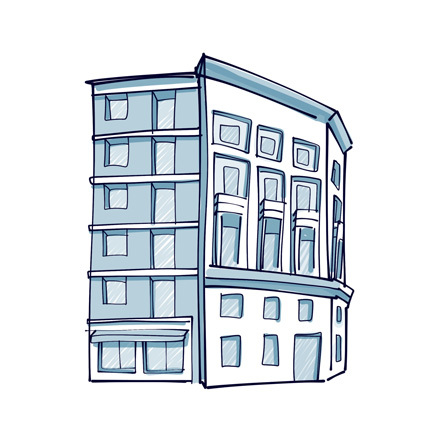
This house-museum offers a fascinating glimpse into life in 18th-century Le Havre, with beautifully preserved rooms reflecting the architecture, décor, and refined atmosphere of an elegant bourgeois home of the time. Read more
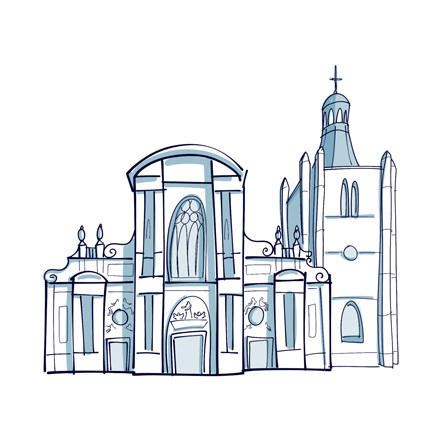
This beautiful cathedral was built in the 16th century on the site of an old wooden chapel, and it’s suffered a lot over the years. Read more
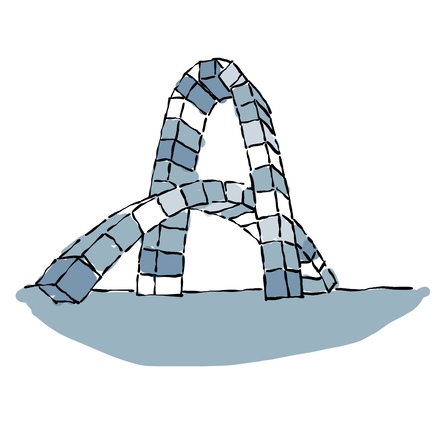
Quite an unusual sculpture, isn’t it? Made from two interlaced arches of shipping containers, the Container Chain is a bold tribute to a city shaped by its port. Colourful, eye-catching, and totally unique, this striking installation was created by artist Vincent Ganivet to mark Le Havre’s 500th anniversary. Read more
Running along the outer harbour, the Quay of the Bees is the perfect place to take in the nonstop activity of Le Havre’s port, the second largest in France after Marseille. This bustling maritime hub has been the lifeblood of the city for centuries. Read more
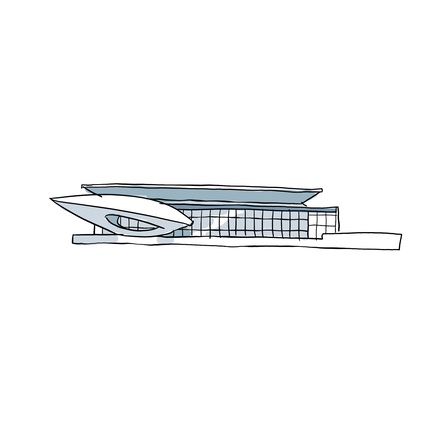
Here you can find and admire some of France’s most significant Impressionist works, created by the greatest masters. Read more

To your left stretches Le Havre’s vast marina, made up of the Anse de Joinville and the Anse des Régates. With space for 1,200 boats, it’s just steps from the city centre and the beach. Read more
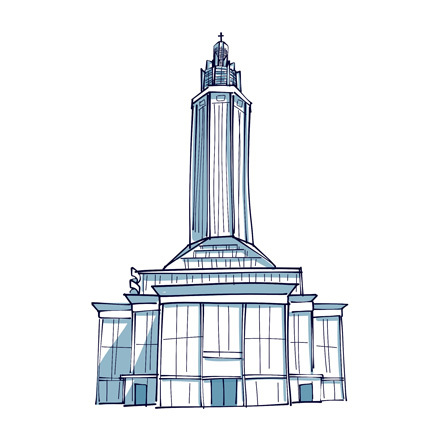
You may not think it, but you’re now looking at a church! Unconventional, and unlike anything else, Saint-Joseph Church is sure to catch you off guard. Read more
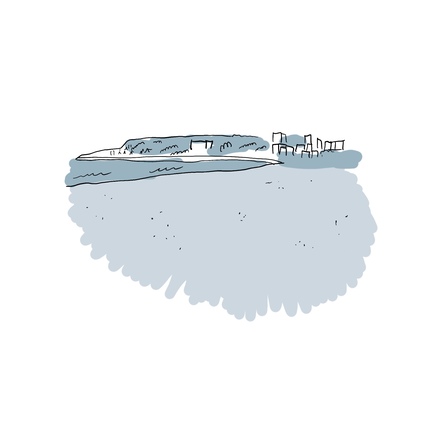
Le Havre may be famous for its bold architecture and bustling port, but it’s also home to a wide beach along the English Channel that draws crowds every summer, whether for a swim, a surf, or soaking up the sea breeze Read more
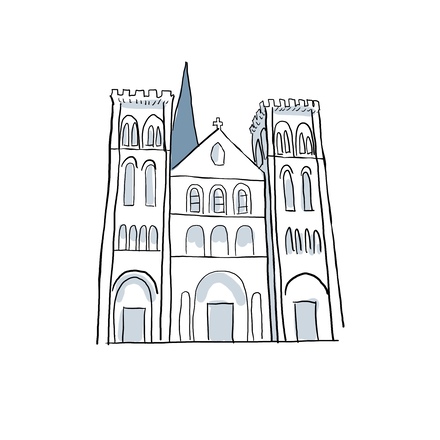
This beautiful Neo-Romanesque church dates back to the 19th century, located only a stone’s throw away from Le Havre’s beach. Read more
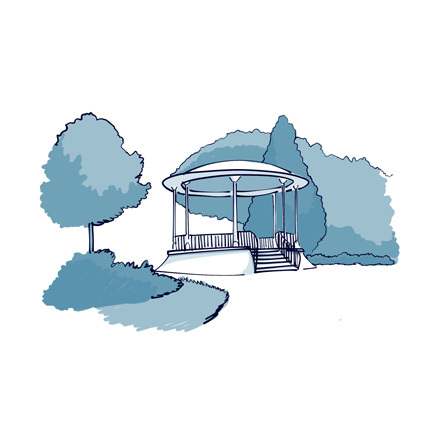
Now a peaceful spot for walks, this space has had quite a turbulent history. In the 16th century, it was home to buildings that sheltered plague victims, before being left abandoned for more than a hundred years. Read more
Welcome to one of the widest avenues in Europe: Avenue Foch, designed by Auguste Perret. Stretching from City Hall all the way to the sea, this urban promenade is lined with striking modern buildings. Read more

This stretch of green, dotted with fountains and water features, makes up the gardens of Le Havre’s City Hall. Read more

It’s only fitting that one of Le Havre’s main squares is named after the brilliant man who led the city’s post-war reconstruction. Read more

Built in the late 1970s, this striking structure is one of Le Havre’s main cultural landmarks. Fittingly named Le Volcan, or The Volcano, it contains two performance halls with over 900 seats, hosting everything from theatre and music to dance and circus performances. Read more
You’re now standing above the Commerce Basin, originally built for recreational boating in 1791. Read more
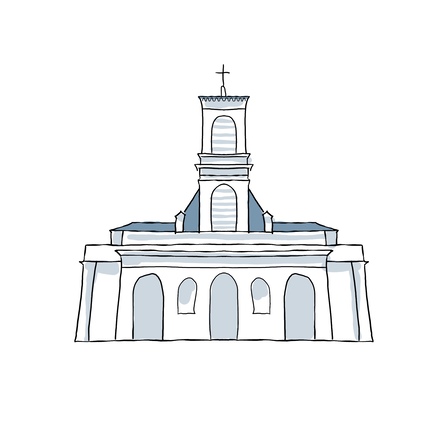
In front of you stands one of the few buildings in Le Havre to survive the Second World War bombings. Read more
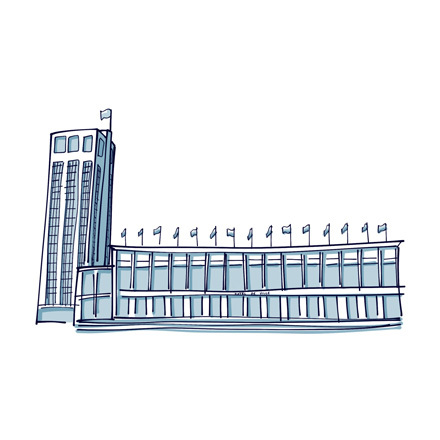
Before we dive into this emblematic square in the heart of Le Havre, it’s worth remembering that the city was almost entirely rebuilt after World War II, after bombings that devastated its centre. Read more


Discover Le Havre with app
An interactive guide through the most beautiful streets, squares, and districts
18 fun audioguides full of historical facts, anecdotes, and legends
Dive into the world of local flavors and uncover the secrets of distillation
After exploring the city centre and the port of Le Havre, I strongly recommend heading to the Hanging Gardens — a remarkable site home to rare and exotic plants from every continent. It also offers stunning views over the sea, the port, and the city. On your way there, be sure to pass by the Château des Gadelles, a 19th-century building with an unexpected Renaissance-style façade.
If you’re in the mood for some shopping, make your way to the Docks Vauban — a shopping centre with over 50 stores, from fashion and shoes to jewellery. Perfect for a relaxed shopping spree with family or friends!
Located less than 6 km from Le Havre, Graville Abbey opens its doors to reveal its history and architecture,
Nature lovers will find Montgeon Forest an ideal escape. You can walk, cycle, or even go horse-riding along its shaded trails. The park also features playgrounds, sports fields, and a small animal park. Entry is free, though opening hours vary by season.
If you’re staying in the area a bit longer, don’t miss the chance to visit Honfleur. Just a 30-minute drive from Le Havre, this charming port town is lined with historic, picturesque houses around its Old Harbour. On the way there, you’ll also cross the Pont de Normandie — an impressive feat of engineering in itself.
Continue a little further along the Channel coast and you’ll reach Deauville, one of France’s most iconic seaside resorts. Located on the Côte Fleurie, it boasts wide sandy beaches, a casino, and plenty of things to do. It takes less than an hour by car to get there from Le Havre.
A true must-see in Normandy, Étretat lies to the north of Le Havre and is famous for its dramatic white cliffs — some of the most spectacular in France. There are many ways to explore these striking rock formations, and the town also offers a beach, charming period villas, and a museum dedicated to Arsène Lupin.
Étretat is part of the Alabaster Coast, a region with extraordinary natural and cultural heritage. It stretches from Le Havre all the way to Le Tréport. On the way, you can also explore towns like Fécamp, Veules-les-Roses, Criel-sur-Mer, Dieppe, and more.
Explore the D-Day landing beaches and discover the coastal treasures of Normandy
200 audioguided tours for cities all around the world
Download
Our rating
Budget
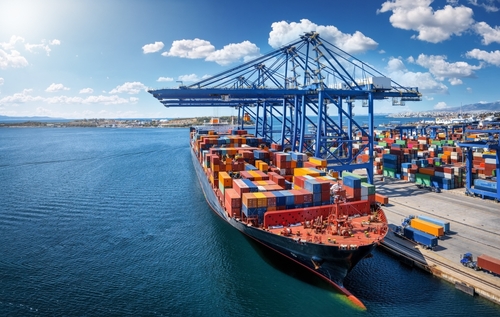
Le Havre’s port is the largest and most significant in the region. Its strategic location makes international trade remarkably smooth.
Spanning 10 600 ha², Le Havre’s port handles nearly 106 million tons of goods each year. During…
Read more
Our rating
Budget
See Our Full Review
Our rating
Budget
See Our Full Review
Our rating
Budget
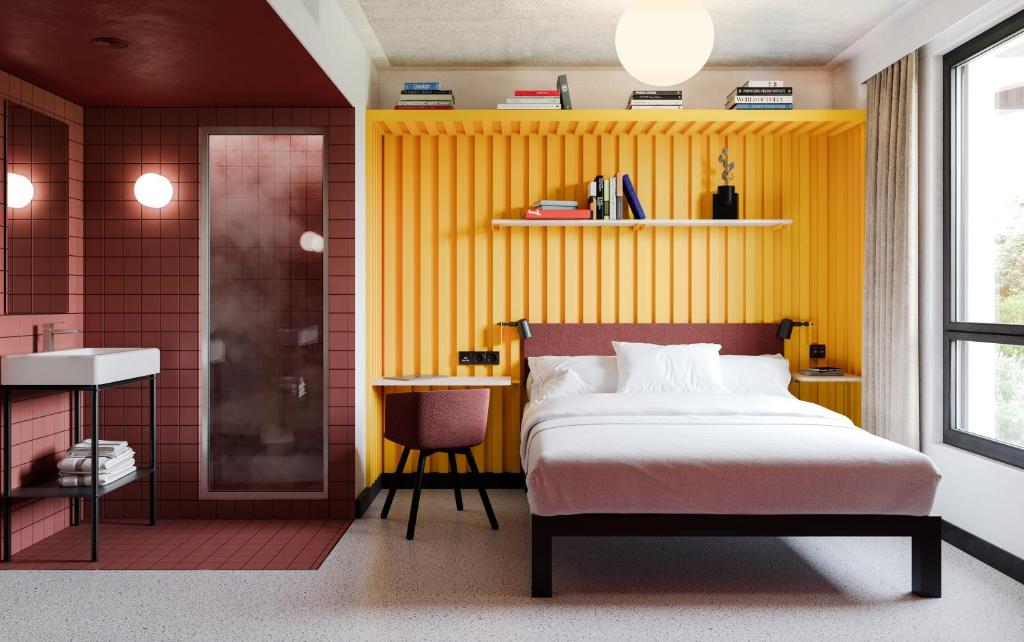
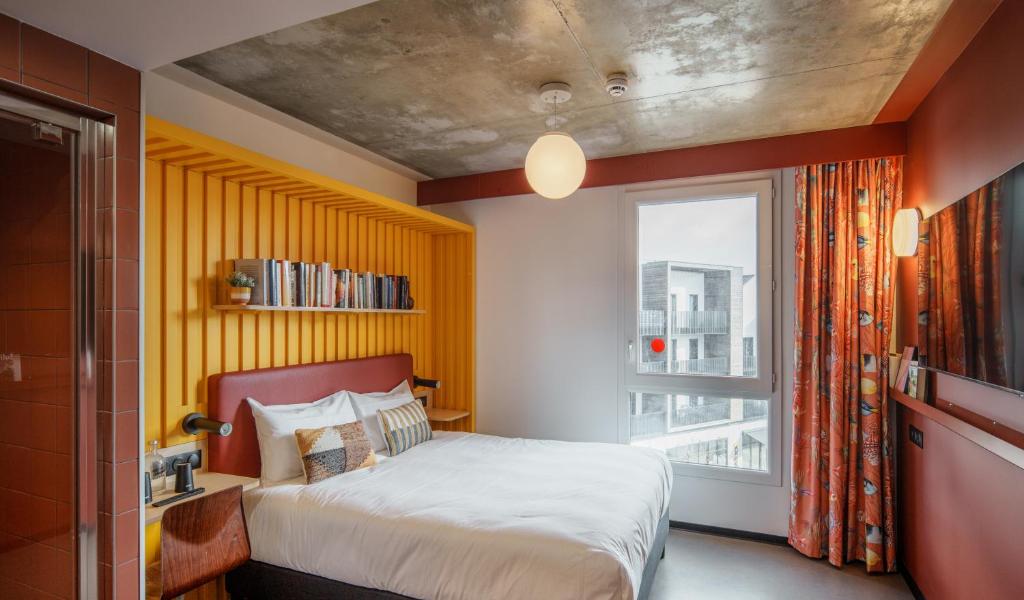
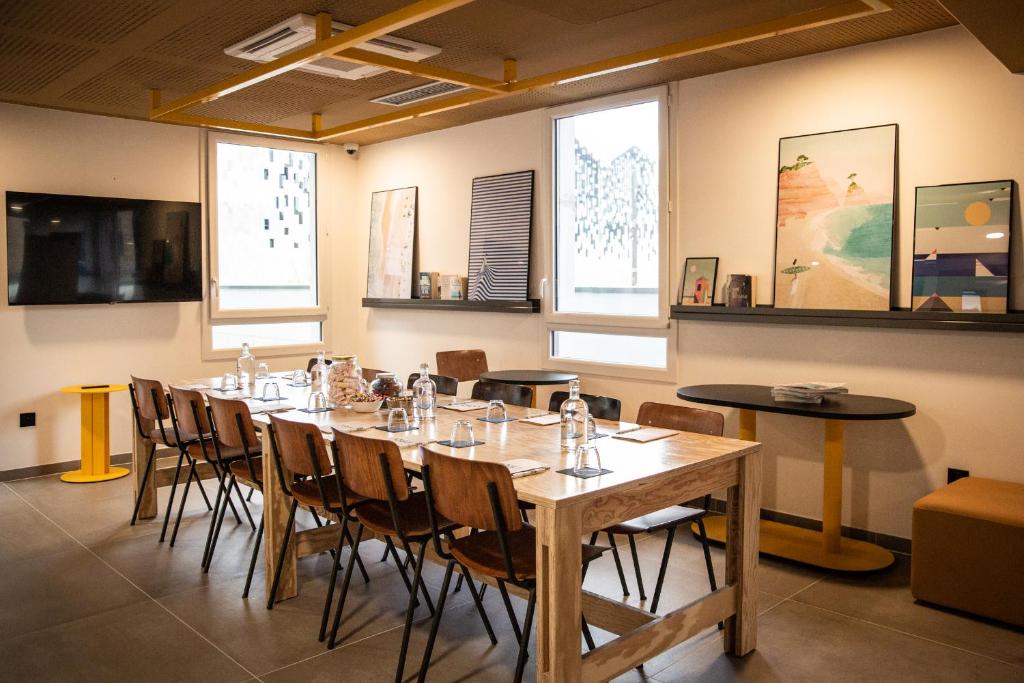
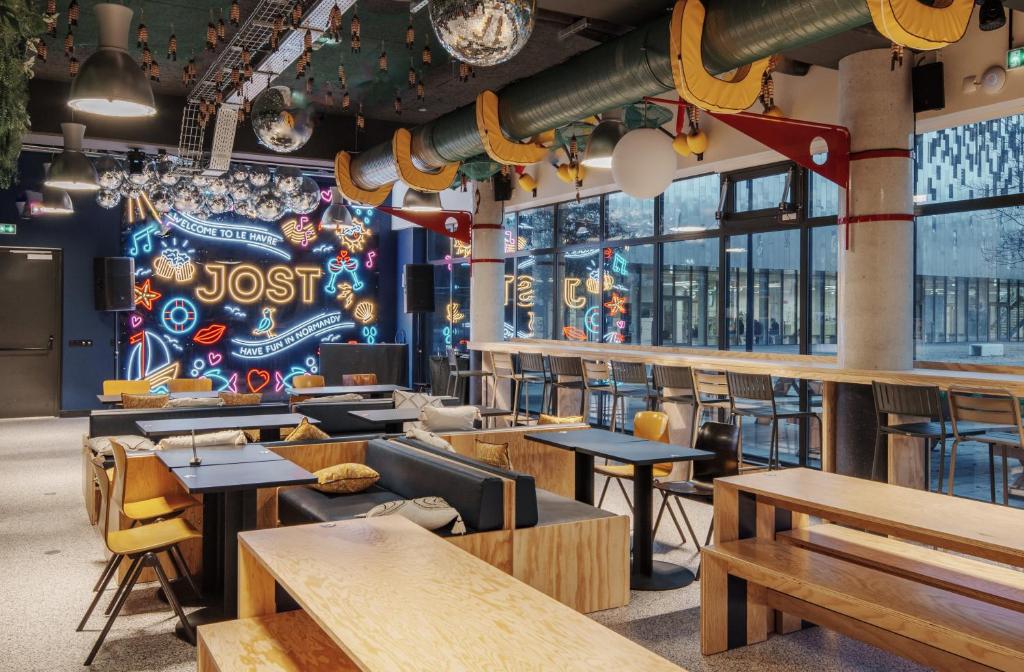
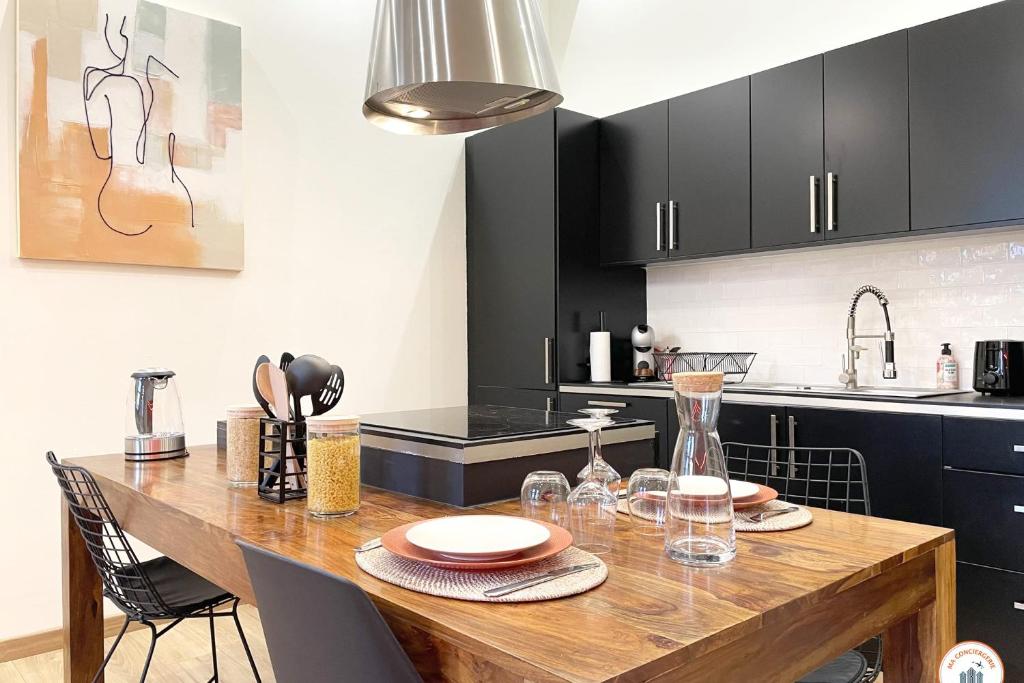
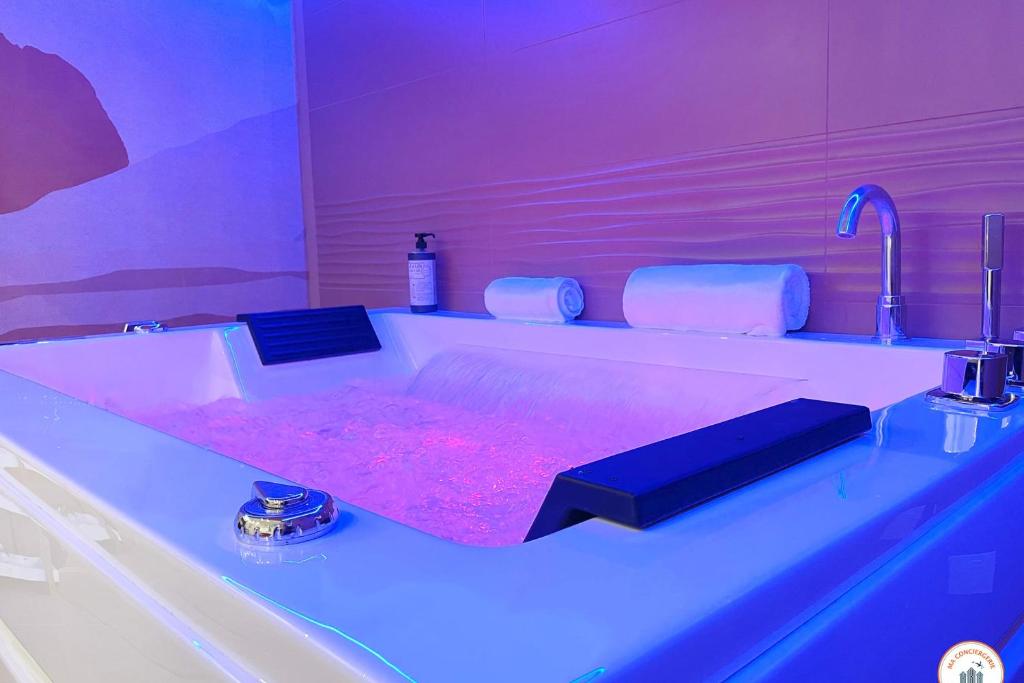
Simple pleasures are often the most rewarding. Jost Hotel sits close to the city center and a few…
Read more
Highlights
Location: 25 Rue Lesueur, 76600 Le Havre
Our rating
Budget
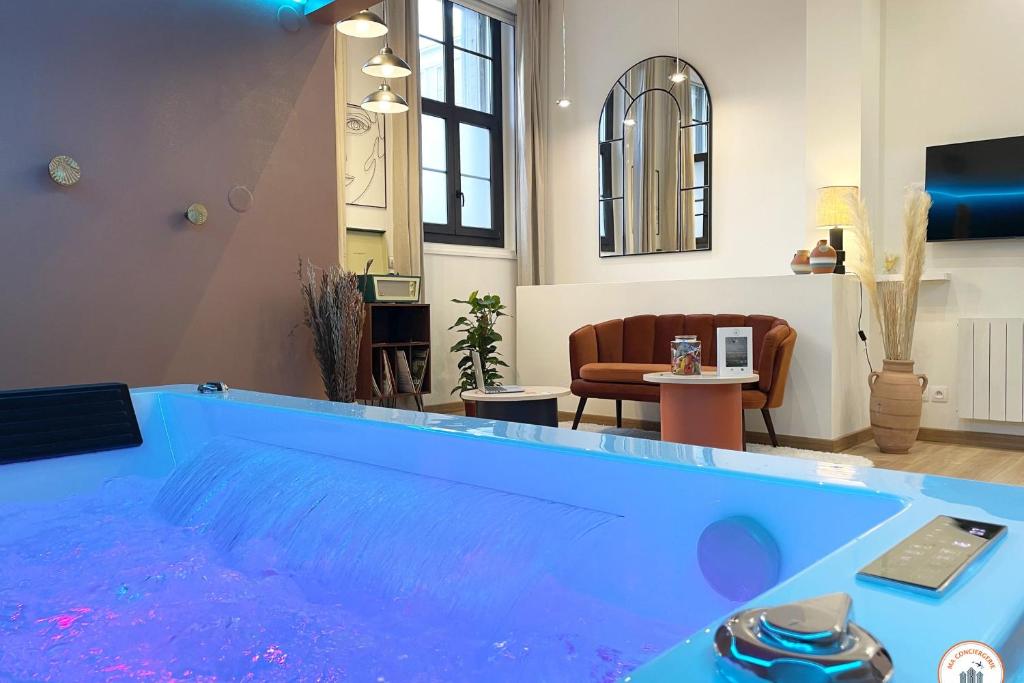
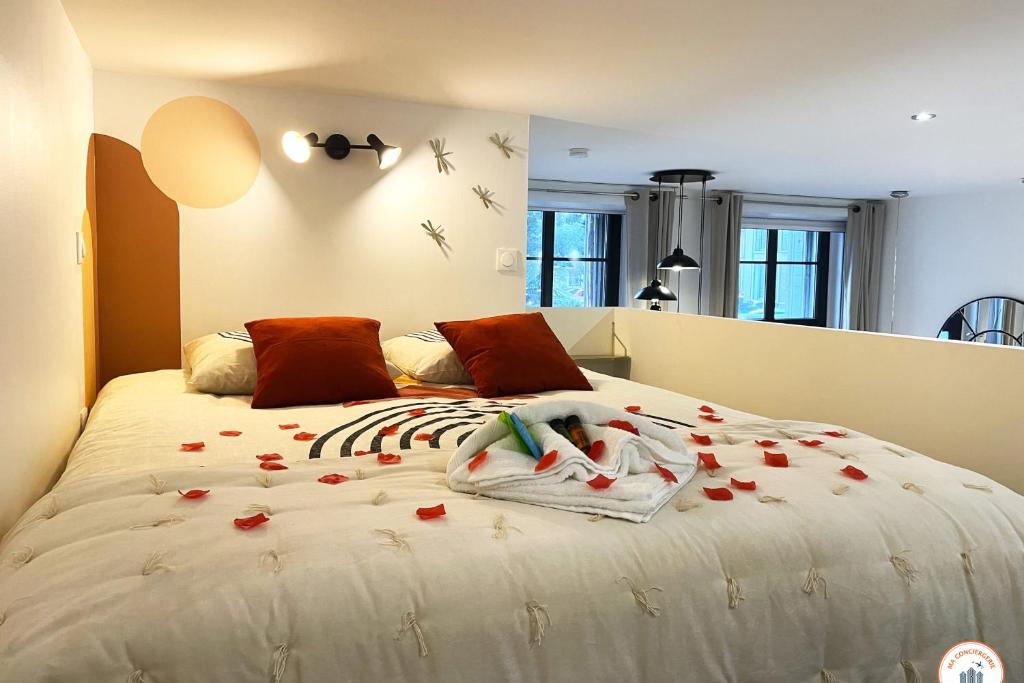
See Our Full Review
Our rating
Budget
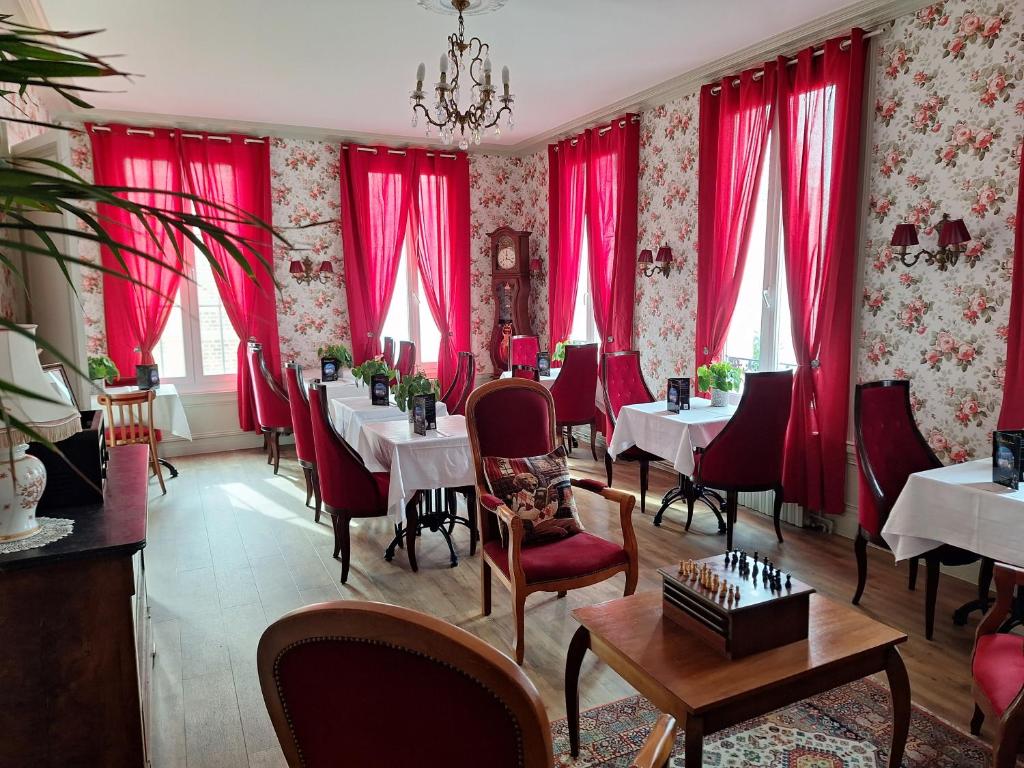
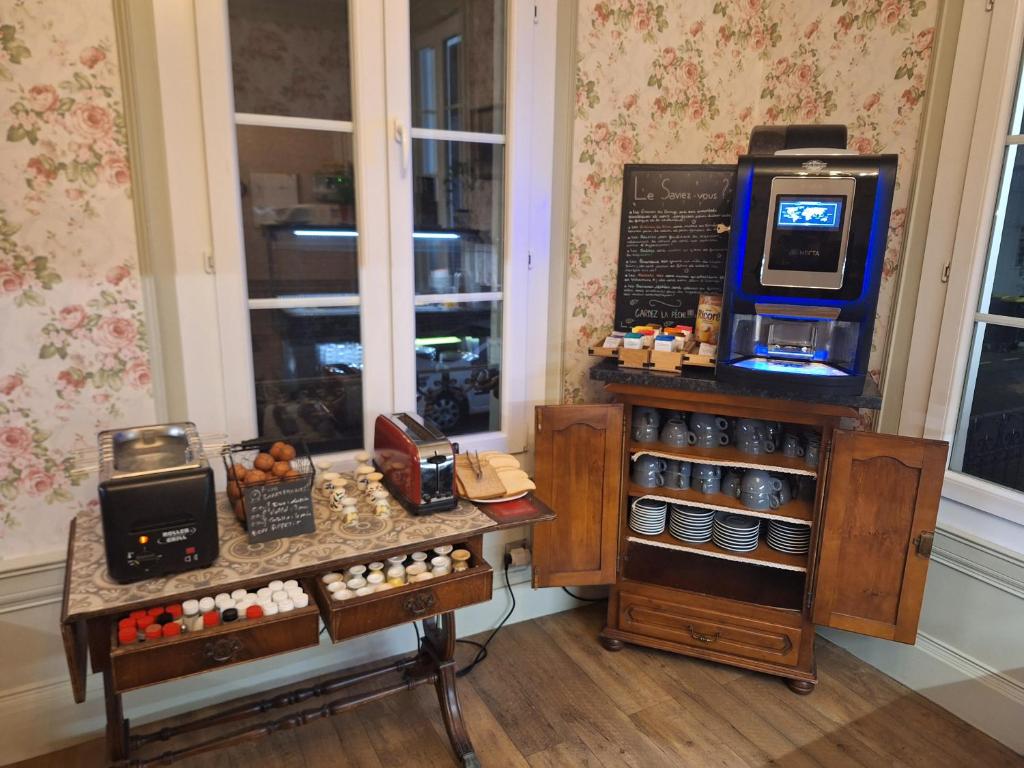
See Our Full Review
Le Havre’s port is one of the largest in France. The best way to witness its bustling activity is by taking a guided boat tour. Several companies offer cruises that bring you close to the massive container ships, oil terminals, and the impressive Port 2000 infrastructure. These tours provide a unique perspective on maritime traffic and the work of the dockworkers. If the weather doesn’t allow a sea outing, some agencies and the Le Havre Tourist Office organize bus tours with stops at the main points of the port.
Le Havre is located in Normandy, specifically in the Seine-Maritime department, where it is the largest city.
Le Havre’s city center is compact and perfect for exploring on foot. The city also offers an efficient public transport network for getting around the wider area. Le Havre has two tram lines, 21 bus routes, and even a funicular connecting the lower town to the Félix Faure station in the upper town.
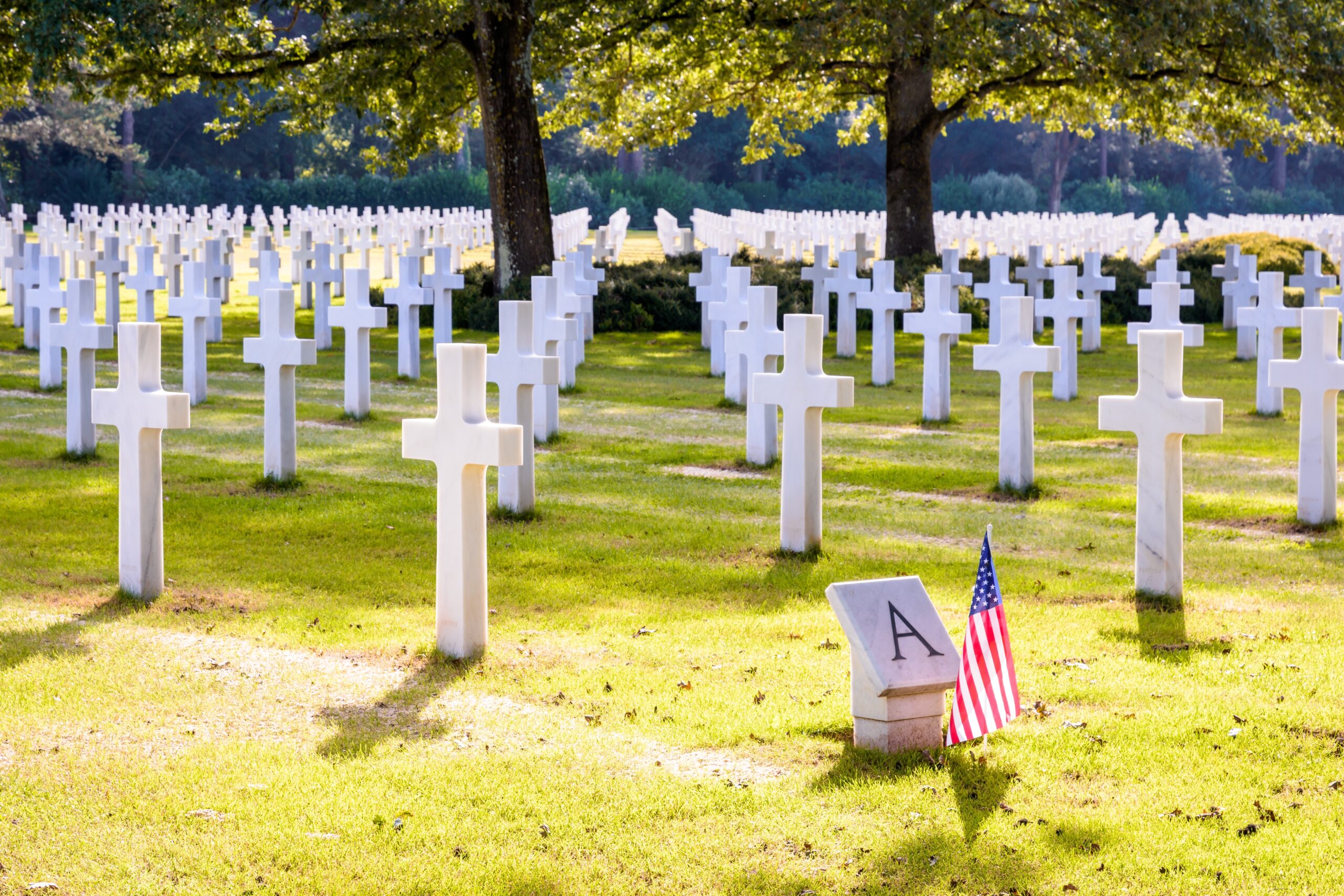
Normandy boasts exceptional natural and historical heritage, making it a must-visit region. A once-in-a-lifetime destination is Mont-Saint-Michel. A UNESCO World Heritage site, it ranks among the most visited landmarks in France. For a memorable experience, the D-Day landing beaches are unmissable: Omaha Beach, Utah Beach, and Gold Beach are steeped in history. Still in the World War II context, the American Cemetery at Colleville-sur-Mer impresses with its solemnity and emotional impact. Finally, the cliffs of Étretat are another highlight of the region, perfect for stunning hikes with breathtaking views.
Le Havre offers plenty of walking options. Both the seafront and the city center are perfect for strolling. As you wander through the post-war reconstructed center, a UNESCO World Heritage site, you’ll discover unique architecture by Auguste Perret. It’s impressive to see what was achieved in such a short time. For a green retreat, visit the Hanging Garden, located in a former fort on the upper town, offering panoramic views of Le Havre. Finally, the waterfront invites you for a peaceful walk along the pebbled shore.
Le Havre offers a wide range of activities, blending culture, nature, and seaside experiences. Start by exploring its unique city center, featuring post-war architecture by Auguste Perret and landmarks like Saint-Joseph Church and Avenue Foch. Art lovers will enjoy the MuMa (André Malraux Museum of Modern Art), home to an impressive Impressionist collection. For fresh air, head to the waterfront and its expansive pebble beach or visit the Hanging Garden for stunning panoramic views. Food enthusiasts can savor seafood at seaside restaurants or discover local products at the central market halls.
Around Le Havre, there’s no shortage of walking options. Just 30 minutes away, the famous Étretat cliffs offer spectacular hikes overlooking the English Channel. Cap de la Hève in Sainte-Adresse provides a walk with breathtaking views of the Seine estuary. Montgeon Forest, a large wooded area on the city’s edge, is perfect for walking, running, or cycling. Finally, the Normandy Bridge makes for a scenic outing along the estuary, with the option to reach Honfleur, a charming port town full of character.
With a port of this scale, operations are highly organized. The port is divided into several specialized zones. Port 2000 accommodates the largest ships and container vessels. The oil and bulk terminals handle crude oil and refined products. The roll-on/roll-off terminal specializes in vehicle transport. Finally, the docks and warehouses manage the storage and distribution of goods to the French market as well as across Europe.

Comments