
1. Georges Clémenceau Square
You’re now standing in the main square of Hyères: Place Georges Clémenceau, named after the famous French statesman known for his dedication to social justice, equality, secularism, and popular culture. Read more

Tour
4 km
1h40
18 audios
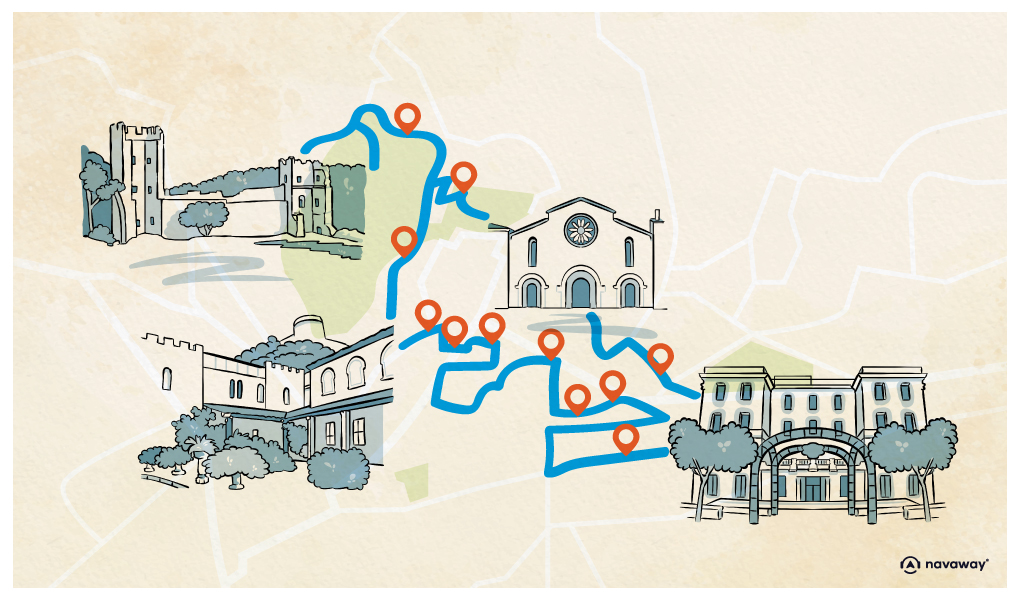
Text version
Hyères was the first seaside resort on the French Riviera, drawing aristocrats from across France in the 19th century, all drawn to its ideal climate and proximity to the Mediterranean. But the city’s story goes back much further. Humans have lived on this land since prehistoric times, and in the 4th century BC, the Greeks founded the coastal settlement of Olbia. During the Middle Ages, the town was fortified, and a grand castle was built, whose impressive ruins are still visible today. Over time, Hyères grew into a true city, basking in sunshine nearly all year round. With the Golden Islands, including Porquerolles, Port-Cros, and Le Levant just offshore, it’s easy to see why Hyères has remained a beloved destination for visitors from around the world. The city has kept its authentic charm, its warm and welcoming vibe, and above all, its breathtaking landscapes. Whether you’re here to soak up the sun, unwind on picture-perfect beaches, explore crystal-clear waters, or dive into a rich blend of history and culture, Hyères is the perfect place to do it.

You’re now standing in the main square of Hyères: Place Georges Clémenceau, named after the famous French statesman known for his dedication to social justice, equality, secularism, and popular culture. Read more

Hyères is often called the City of palm trees, and for good reason. This beautiful avenue in the heart of the city is lined on both sides with elegant buildings and rows of tall, graceful palm trees that give it a charm all its own. Read more

This charming little square sits at the crossroads of several streets in the heart of Hyères, with pastel-coloured houses and sunny café terraces on either side giving it a Provençal feel. Read more

In 1866, this building became a prestigious 80-room hotel, set in lush greenery and designed in an elegant neoclassical style. But its story begins much earlier. Read more

On your right is Place de la Rade, where you’ll spot the Massillon Gate, also known as the Gate of the Rade. Step a little closer and take a good look. Built in the 14th century, it was one of the main entrances to the city during the medieval period, when Hyères was surrounded by fortified walls to protect it from enemy attacks. Read more

You’re now walking through a unique street that runs beneath a series of arches, giving it its name: Rue des Porches, or “Street of the Arches.” Read more

Place Massillon is one of the liveliest spots in Hyères during the summer months. While it stays fairly quiet in winter, it comes alive in summer, when terraces spill out onto the square, glasses clink, and the air is filled with laughter and conversation in the heart of the old town. Read more

Standing proudly behind you is one of Hyères’ most iconic landmarks: the Saint-Paul Collegiate Church. With its elegant Provençal Romanesque style, the church was built in the 12th century, and expanded with a Gothic nave in the 14th century. Read more

This is one of the original gateways into the medieval city. Built next to the Saint-Paul Collegiate Church, from which it takes its name, it’s also known as La Peñiscola, a nod to a coastal town in Spain that shares a similar look with Hyères, thanks to its seaside setting and fortifications. Read more

It’s not every day you see an arch in the middle of a city! This is the Princes’ Gate, another entrance into town! Unlike the others, this one is thought to be more recent. It was built around the 20th century, in a Gothic style, at the request of a private individual. Read more

Here in Sainte-Claire Park, perched above the city, you’ve got a beautiful view of the old town and the Saint-Paul Collegiate Church. Read more

On your left, you’ll see a path that leads into the heart of Sainte-Claire Park. This botanical garden covers an impressive 6,500 square metres and was designed in the 1930s by Edith Wharton, the celebrated American novelist. Read more

Castel Sainte-Claire sits right here in Sainte-Claire Park, overlooking the city of Hyères. In 1634, this spot was home to a convent, but it was shut down during the French Revolution and eventually demolished. Read more

Saint-Pierre Street is a quiet lane that winds through the upper part of Hyères, connecting two of the city’s most beautiful green spaces: Sainte-Claire Park, a peaceful retreat just steps from the historic centre, and Saint-Bernard Park, located just below the famous Villa Noailles. Read more

You’re now walking through ruins that hold over a thousand years of history. Built in the 11th century by the Lords of Fos, the Castle of Hyères stands atop a rocky peak known as la colline du Casteou, a perfect strategic spot for watching over the surrounding lands and coastline. Read more

Hyères is full of breathtaking views over the city and the sea, and the Saint-Bernard Park is one of the best places to enjoy them. Read more

Tucked away on the street that shares its name, Barruc Gate was once part of the city’s first medieval walls. Read more

This small church blends Gothic and Romanesque styles. The central nave reflects the Gothic influence, while the two side aisles show off Romanesque features. It was built in the 13th century and became a Franciscan church, shortly after the order arrived in Provence. Read more


Discover Hyères with app
An interactive guide through the most beautiful streets, squares, and districts
18 fun audioguides full of historical facts, anecdotes, and legends
Set off on an unforgettable cruise to discover the hidden gems of the Hyères coastline
Beyond its surprisingly rich historical heritage, this small southern town offers countless opportunities for walks and outdoor adventures in the surrounding area!
First and foremost, make sure to visit Villa Noailles, a modernist architectural gem that enjoys international recognition for its avant-garde design. Inside, you’ll find exhibitions and events dedicated to design, fashion, photography, and architecture—all housed in a building constructed in the 1920s for Charles and Marie-Laure de Noailles, a wealthy and influential Parisian couple known for their support of the arts.
Admission is free, but be sure to check the opening hours before you go, especially outside of the high season. Evening visits are sometimes available for a more original experience, and guided tours are offered as well.
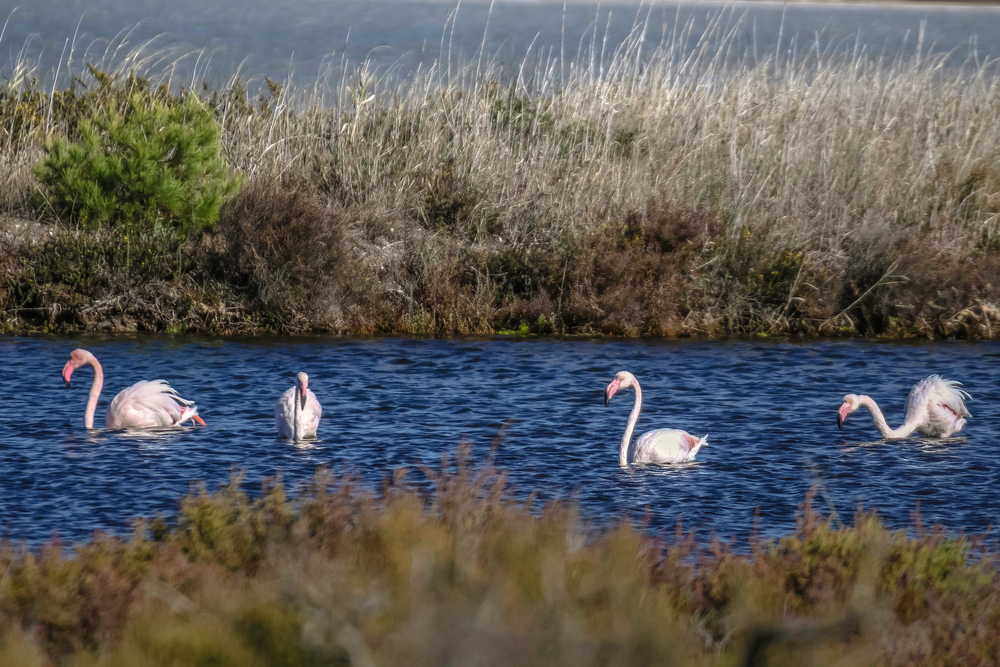
The surroundings of Hyères are full of scenic hiking trails, beautiful beaches, and islands, each more stunning than the last. Don’t miss a visit to Les Salins des Pesquiers—a birdwatcher’s paradise and a truly unique landscape. Once a fishing area, later
Just south of the salt flats, the Giens Peninsula offers a beautiful coastal trail with sweeping sea views and a rich, well-preserved natural environment. You’ll also find some of Hyères’ largest and most popular beaches here, including Plage de l’Almanarre, known as one of the best spots for kitesurfing in the region.
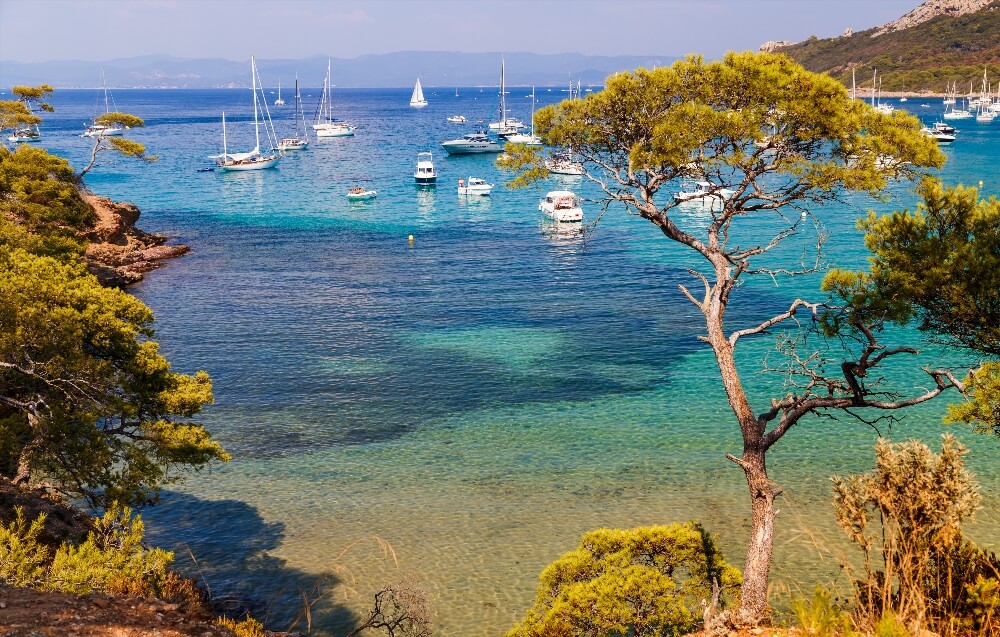
To round out your visit to Hyères and its surroundings, there’s nothing better than hopping on a boat to explore the nearby islands. Porquerolles is the most visited—and it’s easy to see why. With its turquoise waters, charming restaurants serving fresh local seafood, and postcard-perfect village streets, it’s a dream destination.
Looking for something wilder and more untouched? Head to Port-Cros, another must-see island. Here, scenic hiking trails crisscross the landscape, leading to breathtaking viewpoints over the sea and surrounding coastline. A haven for nature lovers.
And for those interested in naturism, there’s the stunning Île du Levant—the only Mediterranean island where nudity is allowed not only on the beaches but also in the village itself.
History lovers should definitely pay a visit to the archaeological site of Olbia, where impressive ruins offer a glimpse into the ancient world. Founded by the Greeks in the 4th century BCE, Olbia later became a major Roman port—and its remains can still be seen today. A must for anyone interested in time travel through stone and story.
Just under a 30-minute drive away, Toulon—nicknamed the “Old Military City”—is well worth a day trip. Visit its bustling port, relax on its beaches, and take the cable car or hike up Mont Faron for panoramic views. Once praised by Vauban as “Europe’s most beautiful harbor,” Toulon is steeped in history and Provençal charm, with winding streets that invite slow wandering.
Heading along the coast in the other direction, you’ll come to the enchanting village of Bormes-les-Mimosas, a regional gem. Perched at 154 meters above sea level, it features flower-filled medieval alleys and sweeping views over the Var region. With its ochre-colored Provençal houses, art galleries, and lively squares, Bormes is one of the most picturesque spots around.
Just a few kilometers north of Hyères lies the Vallée des Borrels, a natural park nestled in the Maures Massif. Here, you’ll find peaceful forest and vineyard trails, perfect for a nature walk or hike. You can also stop by local wineries to taste or purchase regional wines. A true haven for those seeking greenery and tranquility just minutes from town.
If you’re staying in the area a bit longer, don’t miss the chance to explore the Gulf of Saint-Tropez. Known for its beautiful beaches and charming towns, the gulf offers plenty to see. Be sure to visit Ramatuelle, Sainte-Maxime, Grimaud with its scenic port, and of course, the legendary Saint-Tropez itself. Also worth the detour: Gassin, officially listed among The Most Beautiful Villages of France.
Prefer to head inland? The Var region is home to several beautiful hilltop villages just waiting to be explored. Among the standouts: Le Castellet, Forcalqueiret and its hilltop castle, Collobrières, La Cadière-d’Azur, Évenos, and Le Revest-les-Eaux. Each offers a unique blend of history, architecture, and Provençal atmosphere—ideal for discovering the charm of southern France beyond the coastline.
Seaside escapes and gourmet moments around Hyères
200 audioguided tours for cities all around the world
Download
Our rating
Budget
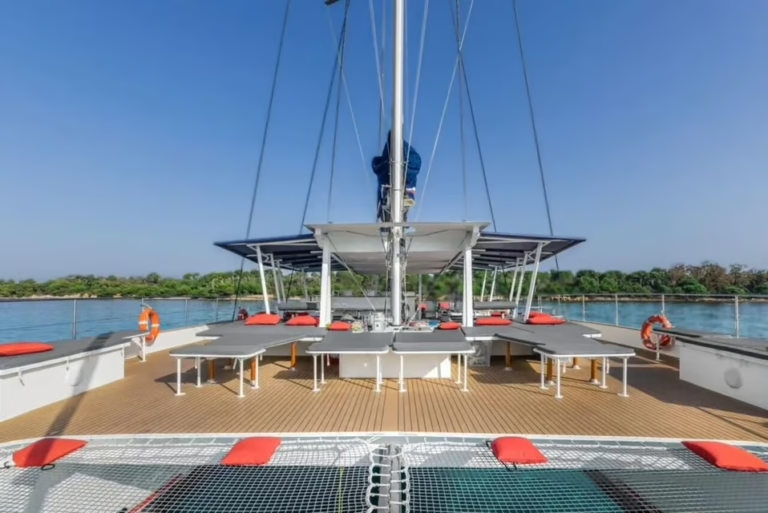
Description : Step aboard a catamaran and set off to explore the island of Porquerolles and its turquoise waters. During the cruise, enjoy an aperitif basking in the sunshine. A swimming break is also planned, offering a refreshing dip and a closer look at the island. So, don’t forget your sunscreen — all that’s left to do is…
Read more
Our rating
Budget
See Our Full Review
Our rating
Budget

See Our Full Review
Our rating
Budget
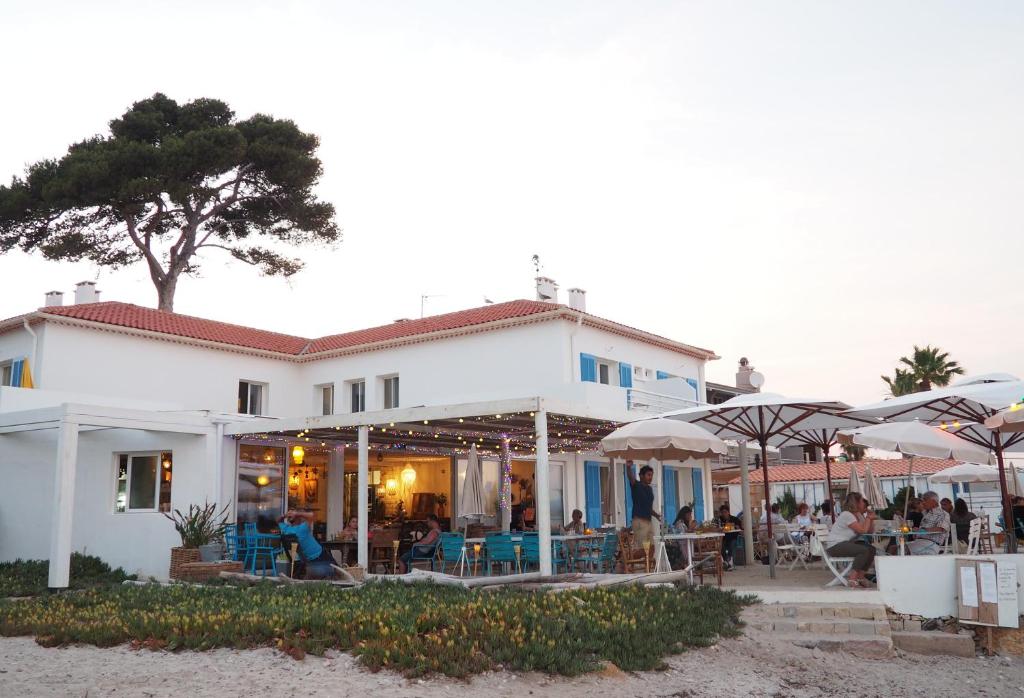
Hotel description:
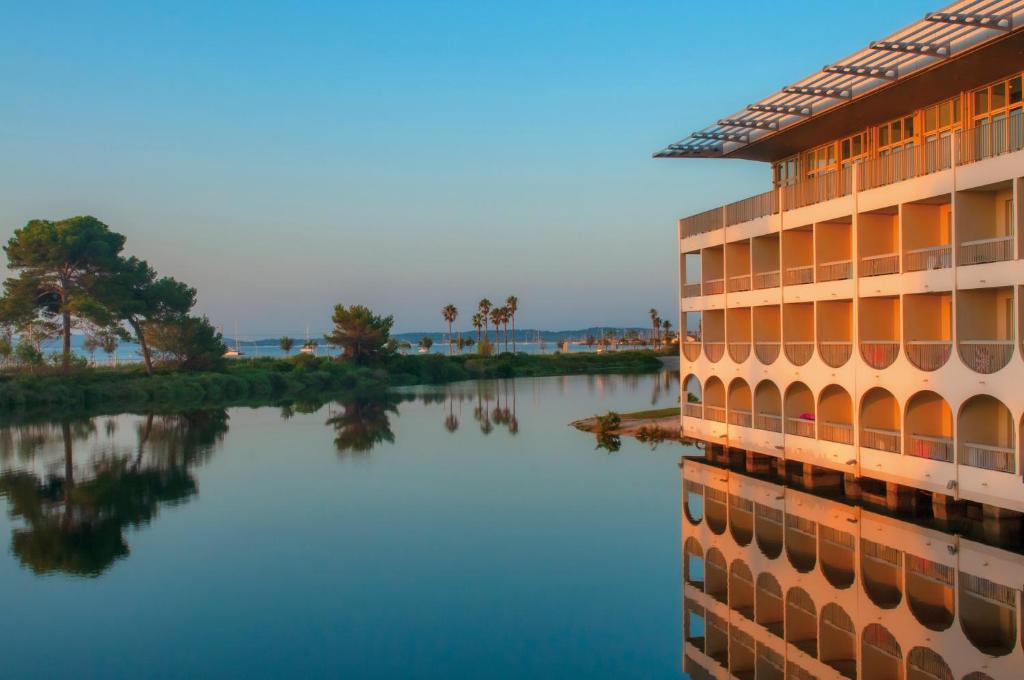
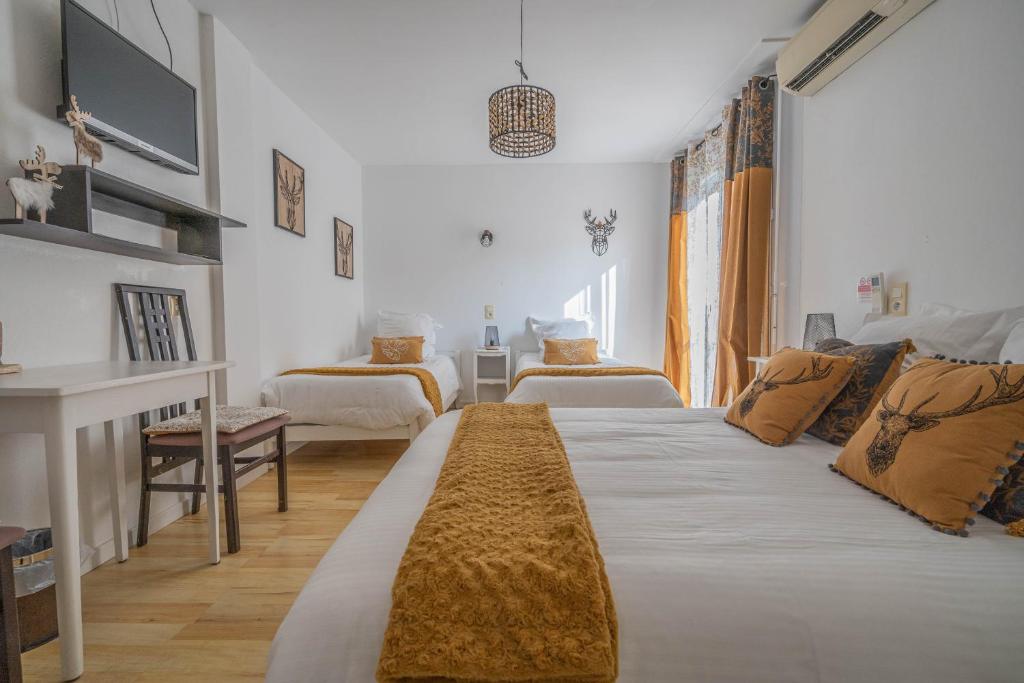
Set in a truly distinctive setting, this hotel welcomes guests in an exceptional waterfront location. With your feet almost in the water, you can enjoy peaceful rooms decorated in a relaxed bohemian style. The owners have made a point of preserving the authentic character of the place…
Read more
Highlights:
Drawbacks:
Location: 5 avenue Emile Gérard, 83400 Hyères
Our rating
Budget
See Our Full Review
Our rating
Budget
See Our Full Review
It’s hard to pick the most beautiful beach, as the natural scenery in this area is stunning! One standout is Almanarre Beach, stretching 5 km along the west coast of the peninsula, with its white sand and beautifully blue waters, though part of it is reserved for kitesurfing. Another gem is Pesquiers Beach, located between the Giens Peninsula and the sheepfold, offering a peaceful, almost paradisiacal setting with incredibly clear water. The first is on the west side, the second on the east, so you can choose based on wind conditions to enjoy swimming and relaxing in the best possible conditions.
When it comes to entertainment, the Giens Peninsula and Hyères offer plenty of options.
You can try an escape game, catch a movie, go bowling, play billiards, and for those feeling lucky, there’s even a casino in Hyères with slot machines and gaming tables. Nightlife includes numerous bars, restaurants, and clubs, both around Saint-Pierre port and in the lively neighborhoods. For bars and restaurants, follow the menu to match your cravings, and be sure to sample local specialties like bouillabaisse, anchoïade, or artichokes barigoule, along with fresh seafood.
To explore beyond Hyères and discover the surrounding region, we recommend the ideas listed on this page under “Still have some time in Hyères?” You’ll be invited to explore, among other spots, the Giens Peninsula, the Golden Islands, and nearby villages.
For Porquerolles Island, see our dedicated articles: [https://navaway.fr/quelle-activites-faire-sur-lile-de-porquerolles/](https://navaway.fr/quelle-activites-faire-sur-lile-de-porquerolles/) for activities, and [https://navaway.fr/visite-de-lile-de-porquerolles/](https://navaway.fr/visite-de-lile-de-porquerolles/) for sightseeing. This very popular island is the most visited of the Golden Islands and is well worth a visit for its stunning landscapes. Port-Cros Island is also beautiful but much wilder than Porquerolles.
Depending on your needs and preferences, you can stay in the old town, in the city center, near the port, or by the sea.
Heading toward the Giens Peninsula, the La Capte neighborhood is recommended. Its main street charms with shops and restaurants, and the sandy beach is simply stunning.
The Port Saint-Pierre area in Hyères is lively, with numerous bars and restaurants, and particularly festive during regattas or summer evenings. The clinking of masts creates a charming melody.
For a quieter setting, Ayguade is a pleasant neighborhood, featuring a small port, local shops, a spacious square, and a long beach. A bike path leads to the historic salt pans.
Costebelle offers breathtaking views of the Golden Islands, making it highly sought after by locals.
The main island of Hyères is Porquerolles, where cars are not allowed. You can reach it by boat via regular shuttles or a water taxi for a more private ride, departing from Tour Fondue in Giens. Several ferry companies operate the routes, and reservations are strongly recommended in July and August. The crossing takes about 15 minutes. These services run year-round, not just in summer. Nature lovers seeking to avoid crowds will find visiting Hyères and the Golden Islands outside the peak season especially rewarding.
If you’re in Hyères with some time to spare, start by exploring the old town perched on the hill, where you can uncover the city’s medieval history. The Navaway app tour guides you through the main points of interest, monuments, and viewpoints in central Hyères, with audio guides providing detailed insights into the city and its past.
If time allows, head to the lively Port Saint-Pierre district, then to the waterfront to enjoy the beaches. Extend your exploration to the Giens Peninsula, where sandy beaches and turquoise waters create breathtaking scenery.
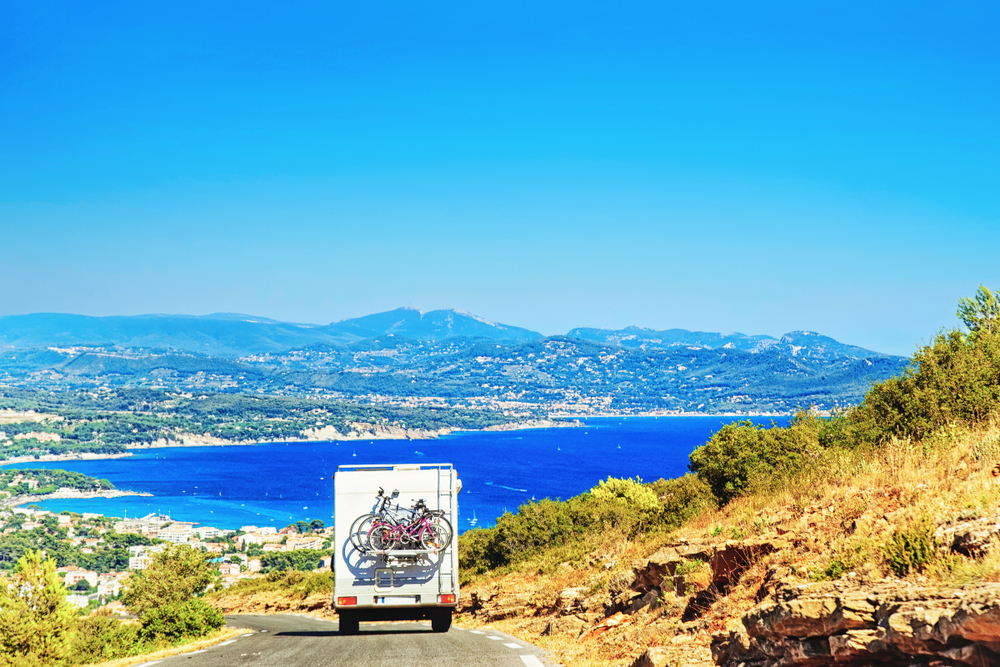
Hyères is located in the south of France, in the Var department, close to the Mediterranean Sea. It lies east of Marseille and about 16 km from Toulon.
Hyères is nicknamed “Hyères-les-Palmiers” because of the 7,000 palm trees planted throughout the town. These trees are a defining feature of the Hyères landscape. Palm cultivation continues today, with an annual production of around 100,000 plants.

Comments