Visiting the Hoover Dam: practical tips and information
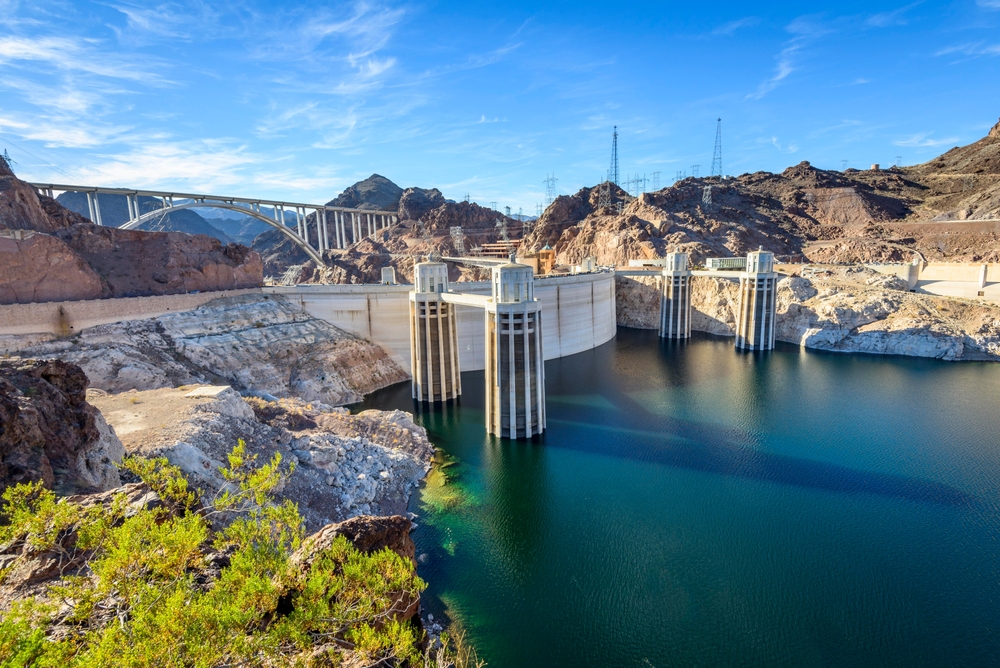

An emblematic monument of the American West, the Hoover Dam stands majestically between Nevada and Arizona, just a few kilometres from Las Vegas. This 20th-century feat of engineering attracts millions of visitors every year from all over the world to admire this colossal work of art, which has shaped the development of an entire region. Whether you’re a fan of architecture, history or simply curious to discover one of the seven wonders of the modern industrial world, a visit to the Hoover Dam is a must during your stay in Nevada.
Also read the Las Vegas guide:
1. What is the Hoover Dam?
Hoover Dam is an arch dam built on the Colorado River on the border between Nevada and Arizona. Formerly known as Boulder Dam, this monumental structure is 221 metres high and 379 metres long at the top. Its construction required more than 3.3 million cubic metres of concrete, making it one of the largest dams in the United States.
Built during the Great Depression between 1931 and 1936, the main purpose of the Hoover Dam was to control flooding of the Colorado River, provide drinking and irrigation water to the arid regions of the American Southwest, and generate electricity to power the development of cities such as Los Angeles, Las Vegas and Phoenix. Its construction created Lake Mead, the largest artificial reservoir in the United States by total capacity.
Designated a National Historic Landmark in 1985 and considered one of the Seven Wonders of the Modern Industrial World by the American Society of Civil Engineers, a visit to Hoover Dam offers a fascinating insight into American industrial history and the technical prowess of civil engineering.
2. The fascinating story of the Hoover Dam
A titanic construction in the midst of the Great Depression
Construction of the Hoover Dam officially began on 20 April 1931 and was completed in March 1936, two years ahead of schedule. This colossal project mobilised up to 5,000 workers simultaneously, working in extreme conditions with temperatures reaching 49°C in summer. The official inauguration was celebrated by President Franklin D. Roosevelt on 30 September 1935, marking a historic moment for the entire nation.
At the time, building this titanic structure represented a real technical challenge. The engineers had to come up with innovative solutions for transporting and pouring the concrete, which was placed in successive blocks to allow it to cool gradually. Without this process, the concrete would have taken more than 125 years to harden completely! A cooling system based on the circulation of chilled water through a network of over 900 kilometres of pipes was specially designed to speed up the process.
A project with a symbolic name
Initially named Boulder Dam in reference to the nearby town of Boulder City, created specifically to house the construction workers, the structure was officially renamed Hoover Dam in 1947 in honour of Herbert Hoover, the 31st President of the United States. Hoover had been a fervent supporter of the project when he was still Secretary of Commerce under President Calvin Coolidge. The change of name was the subject of political controversy, but it is now universally recognised under this name.
3. Why visit the Hoover Dam?
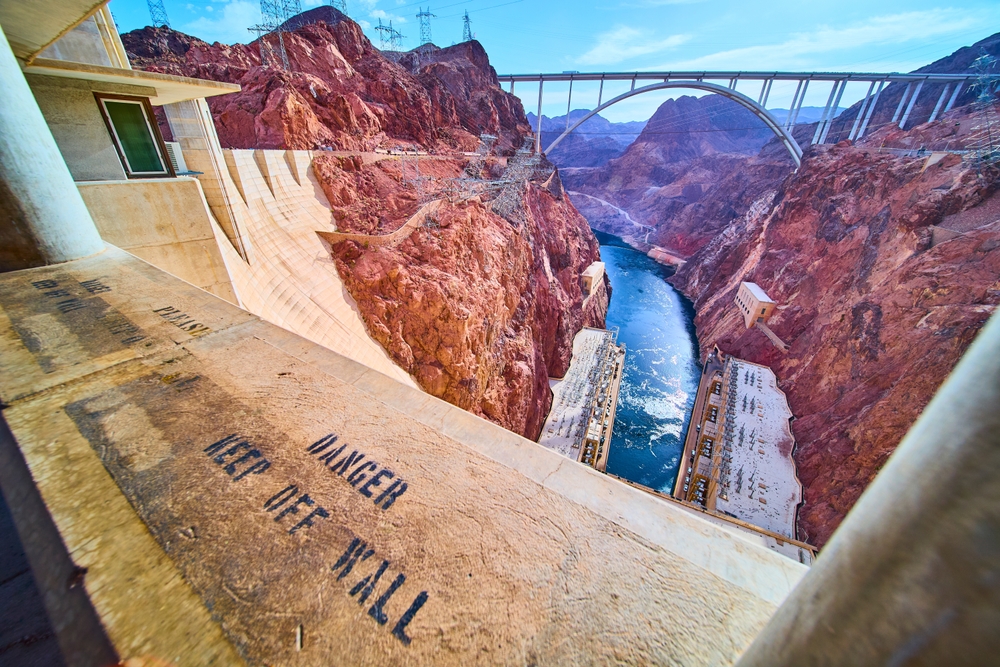
There are several reasons why a visit to the Hoover Dam is a must. Firstly, the dam is an exceptional testament to human genius and technical daring. Standing at the top of the dam and contemplating the 221-metre drop to the Colorado River is an unforgettable experience of dizzying heights. The view of Lake Mead on one side, with its deep blue waters contrasting with the aridity of the surrounding desert, and the Black Canyon on the other, offers an awe-inspiring natural spectacle.
Visiting the Hoover Dam is about more than just the visual aspect of the dam; it’s also about understanding the crucial importance of this structure to the development of the American Southwest. Without it, cities such as Las Vegas, Phoenix and Los Angeles would never have experienced the demographic and economic expansion that characterises them today. The dam still supplies electricity to more than 1.3 million people in Nevada, Arizona and California.
The dam’s proximity to Las Vegas (just 50 kilometres away, or around 45 minutes’ drive) makes it an ideal half-day excursion from the entertainment capital of the world. You can combine the excitement of the Strip casinos with the discovery of an exceptional historic monument.
4. How do I get to the Hoover Dam from Las Vegas?
By hire car
The most flexible and economical way to visit Hoover Dam is to hire a car. From the Las Vegas Strip, take Interstate 515 south-east, then follow US Route 93 towards Boulder City. The journey of around 50 kilometres takes between 40 and 45 minutes, depending on traffic. This option allows you to manage your time freely and enjoy spectacular views along the way, including from the Mike O’Callaghan-Pat Tillman Memorial Bridge, a spectacular bridge built in 2010 that spans the Black Canyon 275 metres above the Colorado River.
There is a charge for parking at Hoover Dam. Parking on the Nevada side, closest to the Visitor Centre, costs $10. Other parking areas are available at similar rates. Arrive early in the morning, especially in high season (March to October), as spaces fill up quickly from 9am.
Organised excursions from Las Vegas
A number of agencies offer guided excursions from Las Vegas to visit the Hoover Dam. These packages generally include transport in an air-conditioned coach with pick-up and drop-off at the hotel, a French- or English-speaking guide, and sometimes admission to the various tours of the dam. Prices start at around $65 to $75 per person for a half-day tour. Some excursions combine a visit to the dam with a visit to other iconic sites in the region, such as the Grand Canyon, Red Rock Canyon or Lake Mead.
The advantage of this option is its simplicity: you don’t have to worry about driving, parking or the route. The guides also share a wealth of historical information and anecdotes along the way. On the other hand, you will have to follow the group’s schedule and have less freedom than with a hire car.
By public transport
Although less convenient, it is technically possible to reach Hoover Dam by public transport. Take RTC (Regional Transportation Commission) line 217 from the South Strip Transit Terminal to Boulder City, then a taxi for the last few miles to the dam. This option requires a great deal of time and patience, and is not generally recommended unless you have a serious budget constraint.
5. Opening times and prices for visits to the Hoover Dam
Opening hours
Hoover Dam is open every day of the year, except Thanksgiving Day and 25 December. The site opens at 5am and closes at 9pm. However, the Visitor Centre and the various guided tours operate to a more limited schedule: from 9am to 5pm, with the last guided tour leaving at 3.45pm. The Visitor Centre closes at 4.15pm.
To make the most of your visit and avoid the crowds, it’s best to arrive early in the morning when the exhibition opens, or late in the afternoon after 3pm. Peak times are generally between 10am and 2pm, particularly at weekends and during school holidays.
The different types of visit and their prices
There are several options for visiting Hoover Dam, with prices to suit every level of interest:
The self-guided tour of the Visitor Centre (10 dollars): This basic option gives you access to the Visitor Centre, where you will discover interactive exhibits, documentary films on the history and construction of the dam, and an observation gallery offering a panoramic view of the structure and Lake Mead. This option is ideal for visitors with limited time or who simply want to see the dam without going into the technical details.
The Powerplant Tour (30 dollars): Lasting around 30 minutes, this tour takes you inside the dam to discover the impressive electrical generators that still produce the energy that powers the American Southwest today. You’ll take a lift down to the lower level of the dam and walk through the access galleries to get a close-up view of the turbines in operation. Experienced guides share detailed explanations of how the hydroelectric plant works.
The complete Dam Tour (40 dollars): This is the most comprehensive tour of the Hoover Dam. Lasting around 1 hour, it includes all the contents of the Powerplant Tour, but you also gain access to the inspection tunnels located at the very heart of the dam structure. You can touch the original concrete from the 1930s and understand the revolutionary technical innovations used during construction. This in-depth tour is highly recommended for those with a passion for engineering and history.
Children under the age of 3 are free on all tours. Tickets can be purchased directly at the Visitor Centre, but can also be booked online via the Bureau of Reclamation’s official website. During the peak tourist season, guided tours are regularly fully booked, especially at weekends. So it’s a good idea to arrive early or book in advance to guarantee your place.
6. What to see and do at Hoover Dam
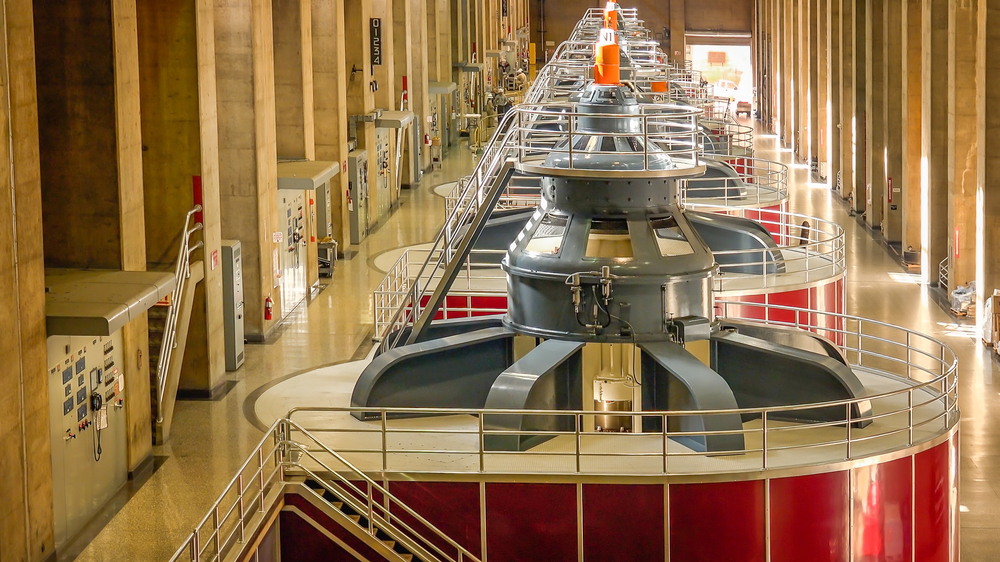
The Visitor Centre and its exhibitions
The Hoover Dam Visitor Centre is the ideal starting point for your discovery. This modern building houses several exhibition galleries presenting the fascinating story of the dam’s construction through period photographs, detailed models, tools used by the workers and documentary films shown continuously. Here you can admire one of the enormous steel tanks used to transport and pour the concrete during construction.
Don’t miss the observation deck at the Visitor Centre, which offers spectacular views over the dam, Black Canyon and the Mike O’Callaghan-Pat Tillman Memorial Bridge. It’s the perfect place to take memorable photos, especially in the late afternoon when the golden light of the setting sun illuminates the rocky canyon walls.
Cross the dam on foot
One of the most popular ways to visit Hoover Dam is to cross it entirely on foot, from the Nevada shore to the Arizona shore. This 380-metre walk allows you to appreciate the colossal dimensions of the structure while enjoying changing views of Lake Mead upstream and the Black Canyon downstream. Explanatory panels line the route to inform you about the various architectural elements and their function.
In the middle of the dam, a line painted on the ground marks the border between Nevada and Arizona. There is also a time difference of one hour between the two states (Nevada follows Pacific time while Arizona remains on Rocky Mountain time with no seasonal change), offering a fun opportunity to travel back in time in just a few steps! A word of warning: bicycles are not allowed to cross the dam, and pets are not permitted.
The Mike O’Callaghan-Pat Tillman Memorial Bridge
Inaugurated in 2010, this monumental motorway bridge is an attraction in its own right. Spanning the Black Canyon 275 metres above the Colorado River, it offers breathtaking photographic views of Hoover Dam and the surrounding area. A pedestrian walkway on the bridge allows visitors to stop safely to admire the panorama and capture spectacular shots of the dam below.
To access the bridge’s pedestrian walkway, there is a dedicated car park on the Nevada side, around 400 metres before reaching the dam on US Route 93. The view from the bridge is one of the most photographed of Hoover Dam, offering a unique perspective of the entire structure set in the canyon.
Sculptures and memorials
The Hoover Dam site is home to several monumental works of art that deserve your attention. The most impressive are the two bronze statues of Winged Figures of the Republic, created by artist Oskar J.W. Hansen. These 9-metre-high sculptures symbolise “the immutable character of serene law and the intellectual progress of mankind”. Their characteristic 1930s Art Deco style adds a remarkable aesthetic dimension to the site.
A sober memorial also pays tribute to the 96 workers who officially died during the construction of the dam. Contrary to a persistent urban legend, no worker’s body is buried in the concrete of the dam – all were recovered and buried with dignity.
Observe the water intake towers
The four monumental intake towers rising from Lake Mead are one of the most recognisable architectural features of Hoover Dam. Standing 110 metres high, these circular structures control the flow of water to the power station’s turbines. Their distinctive Art Deco design makes them true works of industrial architecture. From the top of the dam, you can enjoy a privileged view of these towers standing out against the turquoise waters of Lake Mead.
7. Visit Lake Mead during your excursion
The construction of the Hoover Dam created Lake Mead, the largest artificial reservoir in the United States in terms of capacity. Stretching for 177 kilometres and with more than 885 kilometres of shoreline, this immense lake contrasts strikingly with the arid desert that surrounds it. Combine a visit to the Hoover Dam with a discovery of Lake Mead to make the most of your excursion.
The Lake Mead National Recreation Area offers a wide range of water-based activities, including scenic cruises, boat hire, kayaking, paddle boarding, sport fishing and even scuba diving. In the warmer months, there are several beaches where you can go swimming. Boulder Beach, the most popular and easily accessible from Boulder City, offers a supervised swimming area, shaded picnic tables and sanitary facilities.
The visual contrast between the deep blue waters of the lake and the reddish cliffs of the desert creates exceptional photogenic landscapes. However, it should be noted that the level of Lake Mead has dropped considerably in recent years due to the persistent drought affecting the American Southwest. The famous “bathtub rings”, white stripes visible on the rock faces, are dramatic evidence of the decline in water levels over the decades.
8. Boulder City: the town created for the dam
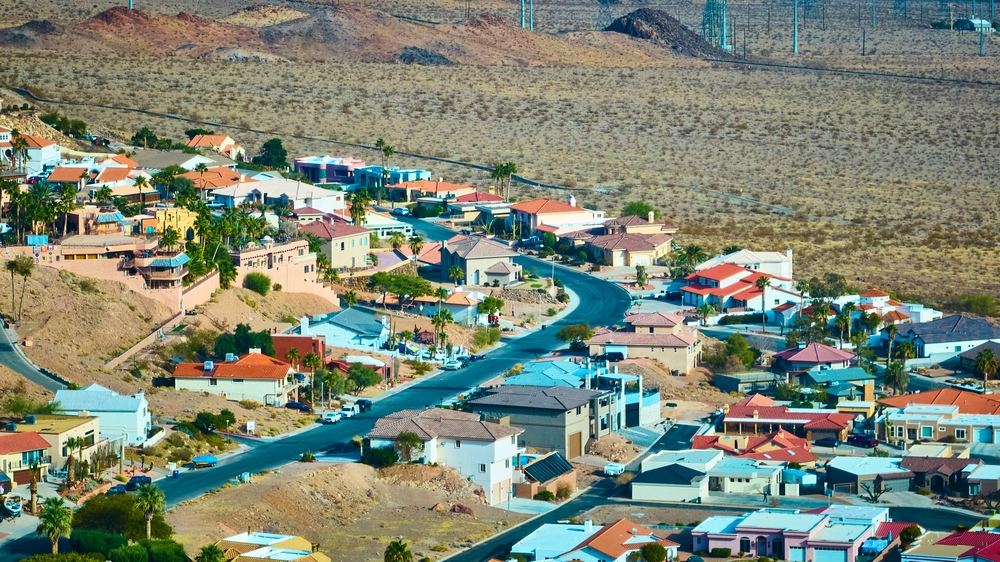
Located just 10 kilometres from Hoover Dam, Boulder City (30 S Nevada Hwy, Boulder City, NV 89005, USA) is well worth a stop on your trip. This small town was specially created in 1931 to house the thousands of workers and their families during the construction of the dam. Today, it retains an authentic retro charm with its 1930s architecture and wide, tree-lined avenues.
The Boulder City/Hoover Dam Museum (1305 Arizona St, Boulder City, NV 89005, rated 4.5/5 on Google out of 516 reviews) offers an excellent exhibition on the history of the construction of the dam and the town. Period photographs, personal objects belonging to the workers and audio testimonies provide a richer understanding of the human and social context of this titanic construction site. Admission costs 3 dollars for adults.
Boulder City also has the distinction of being one of only two towns in Nevada where gambling is banned! This ban, introduced when the town was founded to keep workers productive, is still in force today. As a result, the town has a peaceful, family atmosphere, a far cry from the hustle and bustle of the Las Vegas casinos. Its historic centre is home to a number of cafés, restaurants and antique shops that are perfect for a lunch break.
9. Practical tips for visiting the Hoover Dam
When is the best time to visit the dam?
The Hoover Dam can be visited all year round, but some periods are better than others. Spring (March to May) and autumn (September to November) offer the most pleasant conditions, with moderate temperatures of between 20 and 30°C and a reasonable number of tourists. Winter (December to February) has the advantage of fewer crowds and cheaper hotel rates in Las Vegas, but temperatures can drop below 10°C, making the visit less comfortable, especially on the dam exposed to the wind.
Summer (June to August) is the peak tourist season, with large crowds and scorching temperatures regularly exceeding 40°C. If you choose this period, make sure you visit the Hoover Dam early in the morning (as soon as it opens at 9am) to avoid both the crowds and the extreme afternoon temperatures. Make sure you bring plenty of water, a hat and essential sun cream.
Safety instructions and restrictions
As the Hoover Dam is a strategic infrastructure, strict security measures apply. All vehicles are inspected before entering the site. Bags and personal belongings are X-rayed at the entrance to the Visitor Centre, in a system similar to airport controls. The following items are strictly prohibited: firearms and edged weapons, explosives, drones, large rucksacks (small bags are tolerated), aerosols, large quantities of liquids, large photographic tripods.
For guided tours inside the dam, additional restrictions apply. Only cameras and smartphones are allowed; professional video cameras require prior authorisation. People with reduced mobility can access the Visitor Centre and take part in the Powerplant Tour via lifts, but the Dam Tour has narrow staircases and passageways making it difficult for wheelchair users to get around.
What should you take with you?
To make the most of your visit to Hoover Dam, bring plenty of water (at least 1.5 litres per person), especially in summer; comfortable clothes and suitable walking shoes; a hat and sunglasses to protect you from the intense desert sun; high factor sun cream; a camera or smartphone with a charged battery to capture the spectacular scenery; a light windbreaker as the wind can be strong on the dam; and a few snacks, although there is a café at the Visitor Centre.
Allow around 2 to 4 hours to visit Hoover Dam, depending on the tour package you choose: at least 1? hours for the self-guided tour of the Visitor Centre and the walk across the dam, 2? hours if you add the Powerplant Tour, and 3 to 4 hours for the full tour including the Dam Tour and time spent on the Mike O’Callaghan-Pat Tillman Memorial Bridge.
Where to eat?
Dining options directly at Hoover Dam are limited. There is a small café in the Visitor Centre offering snacks, sandwiches, cold drinks and ice creams, which is handy for a quick break. For a more complete meal, it’s best to pack a picnic and enjoy it at the picnic areas on the shores of Lake Mead, or stop off in Boulder City, which has a number of nice restaurants serving classic American cuisine, including The Dillinger Food and Drinkery and the Southwest Diner, both of which are popular with visitors.
10. Other attractions to combine with Hoover Dam
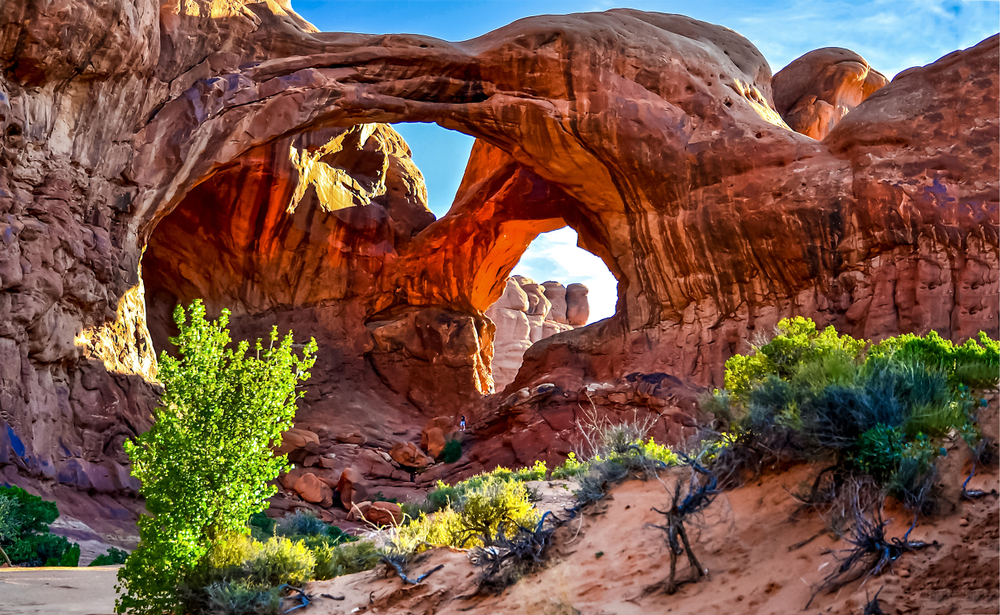
The area around Hoover Dam offers several remarkable sites that can easily be combined on a day trip from Las Vegas. Red Rock Canyon National Conservation Area, located west of Las Vegas, dazzles with its fiery red sandstone cliffs and spectacular geological formations. A 21-kilometre scenic loop crosses the park, with hiking trails to suit all abilities.
Valley of Fire State Park, Nevada’s oldest state park, impresses with its fiery-hued rock formations reminiscent of a Martian landscape. Located around 1 hour north-east of Las Vegas, this exceptional site can be perfectly combined with a visit to Hoover Dam for a full day of exploration.
For thrill-seekers, the Grand Canyon Skywalk, a glass horseshoe bridge suspended 1,200 metres above the Colorado River, is about a 2-hour drive from Hoover Dam. This vertiginous attraction provides an unforgettable experience, even if it requires a full day’s excursion.
In conclusion, a visit to Hoover Dam is much more than a simple tourist excursion: it’s a fascinating plunge into American industrial history and an impressive face-to-face encounter with one of the greatest civil engineering achievements of the 20th century. Whether you’re an architecture enthusiast, a history buff or simply curious to discover an emblematic monument, the Hoover Dam will captivate you with its sheer size and the technical prowess it represents. Just 45 minutes from Las Vegas, this must-see excursion is well worth the diversions on your trip to the American West. Don’t forget to leave enough time to also explore the magnificent surroundings of Lake Mead and the charming town of Boulder City for a full and rewarding day of discovery.
FAQ : Visit the Hoover Dam
How long does it take to visit the Hoover Dam?
Allow between 2 and 4 hours depending on the tour option you choose. The self-guided tour from the Visitor Centre takes around 1? hours, while the full guided tours with the Dam Tour require 3 to 4 hours to get the most out of the experience.
Can the Hoover Dam be visited free of charge?
Access to the Hoover Dam site and the walk across it are free. There is a charge for visits to the Visitor Centre and indoor facilities (from 10 to 40 dollars depending on the package). Parking costs 10 dollars.
What’s the best time to visit the dam?
Arrive as soon as it opens at 9am to avoid the crowds and benefit from milder temperatures, especially in summer. Alternatively, come in the late afternoon after 3pm to take advantage of the beautiful light and fewer crowds.
Do I need to book visits in advance?
It is not compulsory, but strongly recommended during the high tourist season (March to October) and at weekends. Tickets can be purchased online from the Bureau of Reclamation’s official website or directly from the Visitor Centre.
Is the Hoover Dam accessible to people with reduced mobility?
The Visitor Centre and the Powerplant Tour are wheelchair accessible via lifts. The Dam Tower, on the other hand, has numerous staircases and narrow passageways, making it difficult for people with reduced mobility to access.
Can you fly a drone over the Hoover Dam?
No, drones are strictly forbidden on the entire Hoover Dam site for security reasons, as the dam is considered to be a protected strategic infrastructure.
How many workers died during construction?
Officially, 96 workers died during construction of the dam between 1931 and 1936, mainly from falls, accidents with machinery or heatstroke. Contrary to legend, no bodies remained buried in the dam’s concrete.
Can you swim in Lake Mead?
Yes, there are several equipped beaches where you can swim in Lake Mead, including Boulder Beach, which has a supervised area. Swimming is particularly pleasant during the warm months of May to September.
200 audioguided tours for cities all around the world
Download