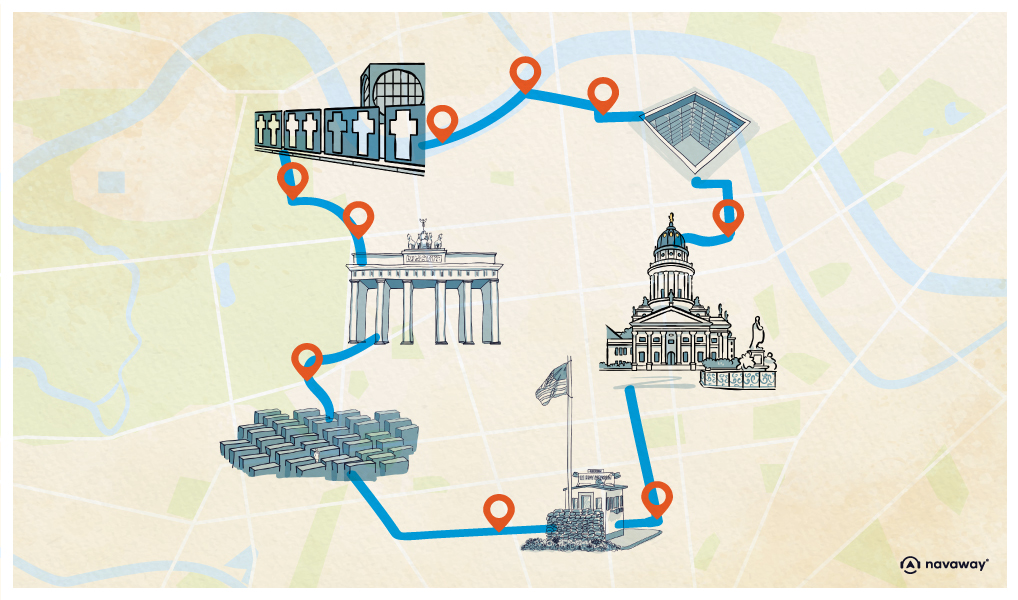
6 places to explore in Berlin’s underground music scene

Berlin is the undisputed capital of electronic music and underground culture in Europe. Since the fall of the Wall in 1989, the city has been transformed into a veritable creative laboratory where techno and experimental sounds have found fertile ground. From rehabilitated industrial wastelands to historic bunkers and alternative spaces, the German capital offers a unique nightlife experience. For fans of authentic electronic music and out-of-the-ordinary atmospheres, visiting Berlin becomes a veritable initiation quest through the legendary venues that have shaped the history of modern techno. Here are the 6 must-visit clubs and venues to immerse yourself in the heart of Berlin’s underground music scene.
Also read the Berlin guide:
- Berlin’s 8 must-see historic monuments
- Top 7 things to do in Berlin
- Discover the 13 must-see museums in Berlin
- What are the best culinary specialities to eat in Berlin?
- Top 5 hotels to stay in Berlin
- Festival of Lights: Berlin lights up magically
- The Berlin Wall: everything you need to know from its construction to its fall
- Visiting Germany
1. Berghain: the world’s techno temple
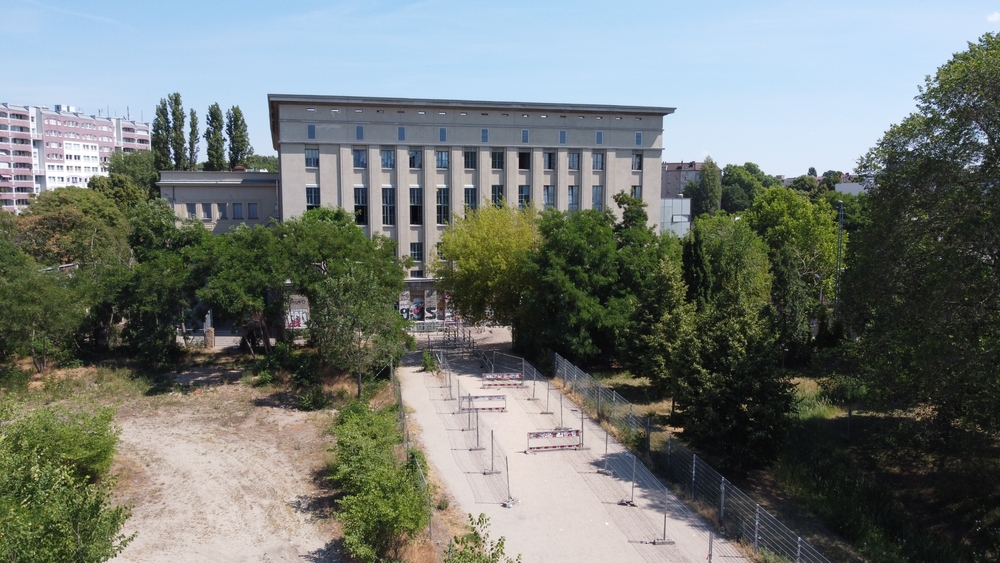
It’s impossible to talk about Berlin’s underground music scene without mentioning the legendary Berghain (Am Wriezener Bahnhof, 10243 Berlin, rated 4.3/5 on Google for over 11,000 reviews). Housed in a former power station in the Friedrichshain district, this club is considered by many to be the best techno club in the world. Its imposing industrial architecture, 18-metre-high ceilings and Funktion-One sound system create a unique, cathedral-like atmosphere.
The Berghain has two main spaces: the main room, dedicated to hardcore techno, and the Panorama Bar upstairs, which focuses on house music. Its strict admission policy, orchestrated by manager Sven Marquardt, is an integral part of the myth. Queues can last several hours, and even celebrities such as Britney Spears and Elon Musk have been refused entry. Inside, the total ban on photography allows clubbers to enjoy a totally free and uninhibited experience.
Parties generally start on Saturday night and can go on until Monday morning, perfectly embodying the Berlin spirit of the “night marathon”. To increase your chances of getting in, dress darkly and casually, avoid too many groups, and above all, be confident but respectful in front of the bouncer. The Berghain remains a must for any techno fan who wants to understand the very essence of Berlin’s club culture.
2. Tresor: Berlin’s historic techno pioneer
The Tresor (Köpenicker Str. 70, 10179 Berlin, rated 4.4/5 on Google for over 6,500 reviews) occupies a special place in the history of global electronic music. Opened in March 1991 in the cellars of the former Wertheim department stores’, a stone’s throw from Potsdamer Platz, this club literally invented Berlin’s techno sound just after the fall of the Wall. Its name, which means ‘safe’ in German, refers to its original location in the former bank vaults.
The Tresor played a key role in bringing Detroit techno to Berlin, hosting pioneers such as Jeff Mills, Juan Atkins and Underground Resistance. After closing in 2005, the club reopened in 2007 in the former Kreuzberg power station (Kraftwerk Berlin), continuing its tradition of occupying industrial sites steeped in history. The current complex offers several spaces, including the Tresor Club with its legendary ‘Vault’, and the Globus for a more varied sound.
The atmosphere at Tresor remains true to its underground roots: strobe lights, raw concrete walls and a powerful sound system create a raw and intense experience. The Tresor Records label, founded at the same time as the club, helped spread Berlin’s techno sound internationally. Today, Tresor is still celebrating over 30 years of history and continues to be a global reference point for industrial and minimal techno. If you’re exploring Berlin with the Navaway itinerary, don’t forget that this club is an integral part of the city’s cultural heritage.
3. Watergate: techno on the banks of the Spree
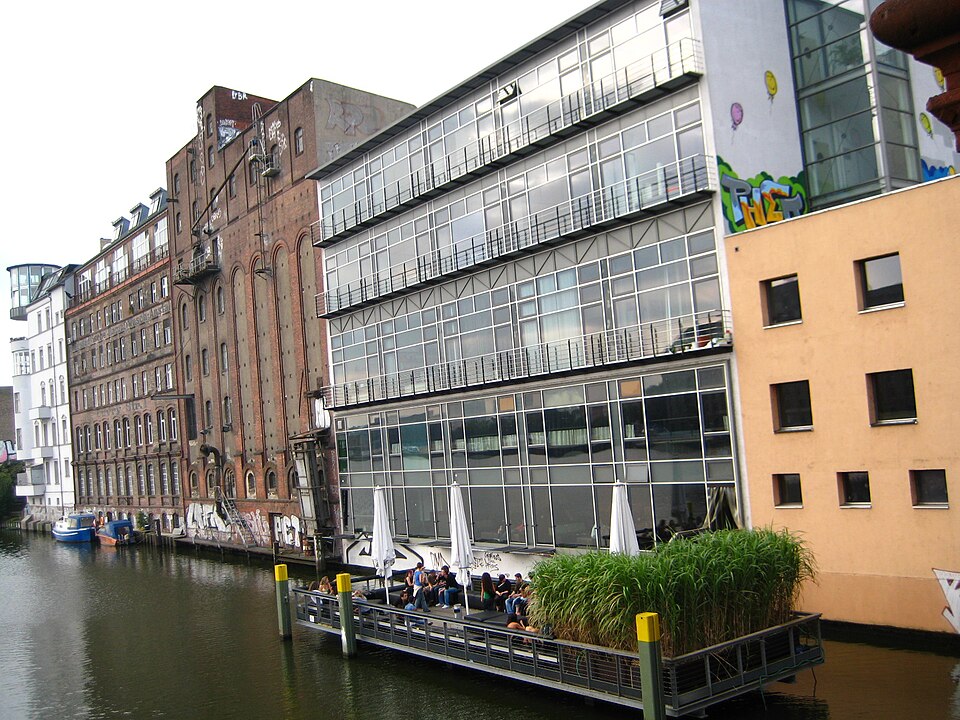
The Watergate (Falckensteinstr. 49, 10997 Berlin, rated 4.3/5 on Google for over 4,200 reviews) offers a radically different experience from Berlin’s industrial clubs. Situated on the banks of the River Spree in the Kreuzberg district, this club enjoys a privileged location with a breathtaking view of the river and the illuminated Oberbaumbrücke bridge. Opened in 2002, the Watergate has quickly established itself as a benchmark for house and melodic techno.
The club has two distinct levels: the Main Floor and the famous ‘Waterfloor’, whose floor-to-ceiling windows offer spectacular views over the water. This architectural feature creates a unique atmosphere, especially at sunrise when natural light gradually invades the space. The Watergate has developed its own series of music compilations that have become benchmarks in the electronic music world.
Download the audio tour to discover Berlin on foot and on your own
To explore Berlin on your own and discover all its iconic districts, download the Navaway audio tour for Berlin. With 30 points of interest with commentary, you can easily navigate the German capital while discovering its fascinating history, from the Brandenburg Gate to the Reichstag and the remains of the Berlin Wall. The app lets you visit at your own pace, with detailed explanations of each location. It’s the ideal companion for alternating between daytime cultural visits and underground nightlife explorations!
The Watergate’s programming favours a more sophisticated approach to electronic music, with internationally renowned resident DJs and a generally less hardcore atmosphere than in other Berlin clubs. Entry is also considered to be slightly more accessible, although smart dress and appropriate behaviour are still required. Sadly, the club announced its permanent closure in November 2024, marking the end of an era for Berlin’s electronic music scene. The closure reflects the challenges facing the capital’s clubs in the face of gentrification and a changing nightlife landscape.
4. ://about blank: the squat spirit and political commitment
The ://about blank (Markgrafendamm 24c, 10245 Berlin, rated 4.4/5 on Google for more than 3,700 reviews) perfectly embodies the alternative and committed spirit of Berlin’s underground scene. Located near Ostkreuz station in the Friedrichshain district, this club was born in 2010 out of an illegal occupation and has managed to preserve its militant DNA while becoming a recognised and respected venue in the city.
L’about blank stands out for its strong political commitment: the club advocates anti-fascist, feminist and LGBTQ+ friendly values. Its eclectic line-up of music mixes techno, house, bass and experimental sounds, reflecting the diversity of its audience. The venue has two main rooms and a popular outdoor garden, open all year round with bonfires in winter and art installations in summer.
The atmosphere is resolutely relaxed and friendly, in stark contrast to the elitism sometimes criticised in some Berlin clubs. The non-existent dress code and warm welcome make about blank an accessible place where people come first and foremost for the music and the conviviality. The club regularly organises cultural events, workshops and political discussions, making it more than just a nightclub – it’s a real community space. This holistic approach makes about blank a key player in Berlin’s alternative culture.
5. Sisyphos: the crazy paradise of the marathon party
Sisyphos (Hauptstraße 15, 10317 Berlin, rated 4.5/5 on Google for more than 6,800 reviews) offers a totally offbeat experience in the Berlin club scene. Housed in a former dog biscuit factory in Lichtenberg, this sprawling club is more like a theme park for adults than a traditional nightclub. Its name refers to the Greek myth of Sisyphus, condemned to eternally push a boulder to the top of a mountain.
Sisyphos is made up of a multitude of different spaces spread over several hectares: several indoor and outdoor dance floors, a labyrinthine garden, art installations, a swimming pool in summer, hammocks and even food trucks. This diversity makes Sisyphos an ideal venue for marathon sessions lasting several days, where you can alternate between intense dance phases and moments of relaxation in the chill-out areas.
Unlike many Berlin clubs, which impose a sombre dress code, Sisyphos encourages colourful and original outfits, in a festive and relaxed spirit. The musical line-up is eclectic, ranging from techno and house to disco and bass music. The atmosphere is generally good-natured, attracting a varied and international audience. Admission is considered relatively affordable, although queues can be long at weekends. Sisyphos perfectly represents the playful, experimental side of Berlin’s electronic music scene. By exploring the city with the Navaway itinerary, you’ll discover that Berlin is not just about its historic monuments, but also about its legendary nightlife.
6. Kater Blau: the legacy of the legendary Bar 25
Kater Blau (Holzmarktstraße 25, 10243 Berlin, rated 4.3/5 on Google for over 4,100 reviews) continues the bohemian, alternative spirit of the legendary Bar 25, which closed in 2010. Located on the banks of the Spree in the creative Holzmarkt district, this club is an integral part of an alternative urban project that also includes cultural spaces, restaurants and artists’ studios.
Kater Blau (formerly Kater Holzig, then Kater Blau, now simply ‘Kater’) boasts an eclectic and colourful layout, with a mix of art brut, recycled decor and mismatched furniture. The club has several indoor spaces and a large outdoor terrace by the river, which is particularly pleasant on sunny days. The music programme favours house, melodic techno and more experimental sounds, in a festive but refined atmosphere.
The atmosphere at Kater Blau remains true to the hedonistic spirit of its predecessor, encouraging creativity in dress and personal expression. Themed evenings are a regular feature, including the famous “Forever 25”, a tribute to the now-defunct Bar 25. The club has retained a strong identity while evolving with the times, becoming a benchmark for those seeking a friendly, open-minded atmosphere by the water. Its proximity to other cultural venues on the Holzmarkt also enriches the experience, combining clubbing with artistic discoveries.
In conclusion, Berlin’s underground music scene represents much more than just a range of nightclubs: it is a veritable cultural ecosystem that has shaped the identity of the German capital since reunification. From the legendary Berghain to the convivial Kater Blau and the pioneering Tresor, each venue has its own personality and contributes to the richness of this unique culture. These spaces embody the values of freedom, tolerance and experimentation that make Berlin a must-see destination for electronic music fans from all over the world. To make the most of your stay and also discover the city’s historical heritage, don’t hesitate to download the Navaway audioguide tour, which will allow you to explore Berlin by day and night, in complete autonomy.
FAQ: exploring Berlin’s underground scene
How can you increase your chances of getting into Berlin’s clubs?
To maximise your chances of getting into Berlin’s underground clubs, dress conservatively and conservatively (avoid ostentatious designer clothes), come in a small group (2-3 people maximum), be confident but respectful in front of the bouncer, and ask about the music programme to show your genuine interest. Avoid weekends when there are major tourist events, and prefer late hours (after 2am).
Why is it forbidden to take photos in Berlin’s clubs?
The ban on photography in most Berlin clubs is designed to protect clubbers’ freedom of expression and anonymity. This rule creates a safe space where everyone can feel free without fear of being exposed on social networks. Laptops are often covered with stickers at the entrance. This policy helps to preserve the underground atmosphere and respect for privacy.
How long do parties last in Berlin’s clubs?
Berlin’s clubs are renowned for their party marathons, which can last 48 hours or more. Most open on Friday night or Saturday midnight and don’t close until Sunday night or Monday morning. It’s not uncommon to see clubbers dancing for 12 to 24 hours at a time. This ‘marathon night’ culture is an integral part of the Berlin experience and reflects the hedonistic approach to nightlife in the German capital.
200 audioguided tours for cities all around the world
Download