Top 8 things to do in Carnac
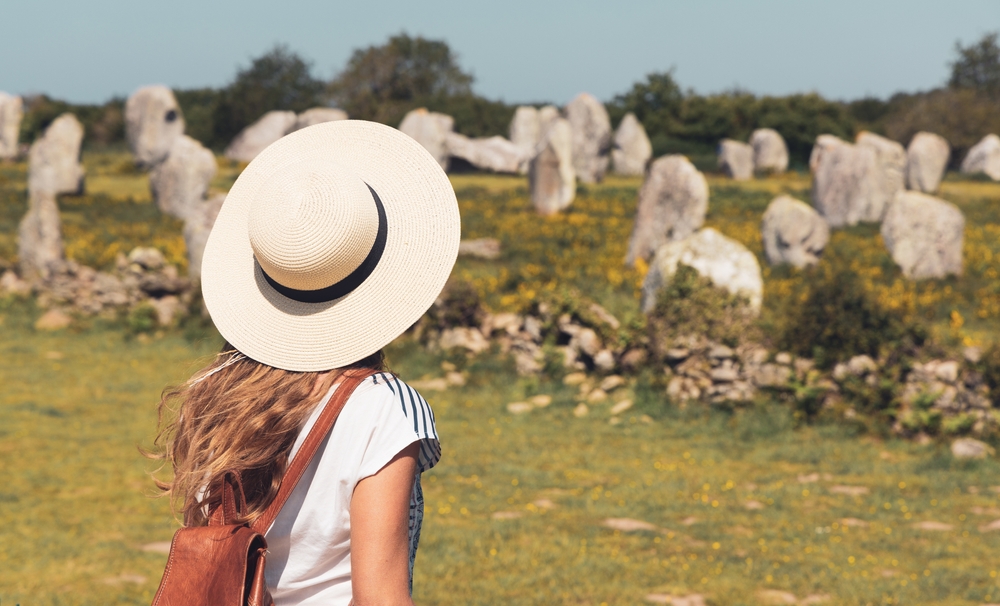

A popular seaside resort and legendary megalithic site, Carnac is one of Brittany’s most fascinating destinations. Situated in Morbihan, on the shores of Quiberon Bay, this little Breton paradise combines exceptional historical heritage with seaside charm. With its 3,000 mysterious menhirs, fine sandy beaches and authentic atmosphere, a visit to Carnac promises a unique getaway between thousand-year-old history and the Breton way of life. Here are 8 must-see things to discover during your stay in Carnac.
See also the Brittany guide :
- The 12 most beautiful Breton islands to discover
- Discover Brittany’s most beautiful lighthouses
- The most beautiful corners of the Gulf of Morbihan to discover
- 10 must-see places to visit in Brittany
- Top 20 of Brittany’s most beautiful beaches for swimming this summer
- 12 places to spend an unusual night in Brittany
- 12 unusual romantic weekends in Brittany
1. Explore the Carnac alignments, the largest megalithic site in the world
You can’t visit Carnac without visiting its star attraction: the famous alignments of menhirs. This exceptional site is the largest concentration of standing stones in the world, with almost 3,000 megaliths spread over several kilometres. Built between the 5th and 3rd millennia BC, these prehistoric monuments continue to fascinate researchers and visitors alike.
The alignments are divided into several remarkable sectors. The Ménec site impresses with its 1,169 stones arranged in 11 rows, while Kermario houses 1,029 menhirs in 10 rows, including some of the finest stones on the site. Kerlescan boasts 555 menhirs in 13 rows, ending in a circular megalithic enclosure.
These alignments are freely accessible from March to October, allowing you to discover them at your own pace. For an enriching experience, visit the Maison des Mégalithes (Route des Alignements, 56340 Carnac, rated 4.3/5 on Google out of 1,850 reviews) where you can obtain detailed information and book a guided tour with a tour guide who will reveal the mysteries of these enigmatic stones.
2. Discover the Carnac Prehistory Museum
For a deeper understanding of megaliths, the Musée de la Préhistoire (10 Place de la Chapelle, 56340 Carnac, rated 4.0/5 on Google out of 1,290 reviews) is a must. The world’s first museum devoted to megaliths, it houses an exceptional collection of 500,000 objects tracing 450,000 years of human presence in Brittany.
The permanent collections feature archaeological artefacts discovered on sites in and around Carnac: prehistoric tools, Neolithic pottery, jewellery, weapons and engraved stelae. Each piece bears witness to man’s passage through these Breton lands, and provides a better understanding of the civilisation that erected these stone monuments. The museum also offers an educational approach, with reconstructions and detailed explanations of megalith construction techniques.
This cultural visit will enrich your stay considerably and help you to unravel some of the mysteries surrounding the Carnac alignments.
3. Relaxing on Carnac’s Grande Plage
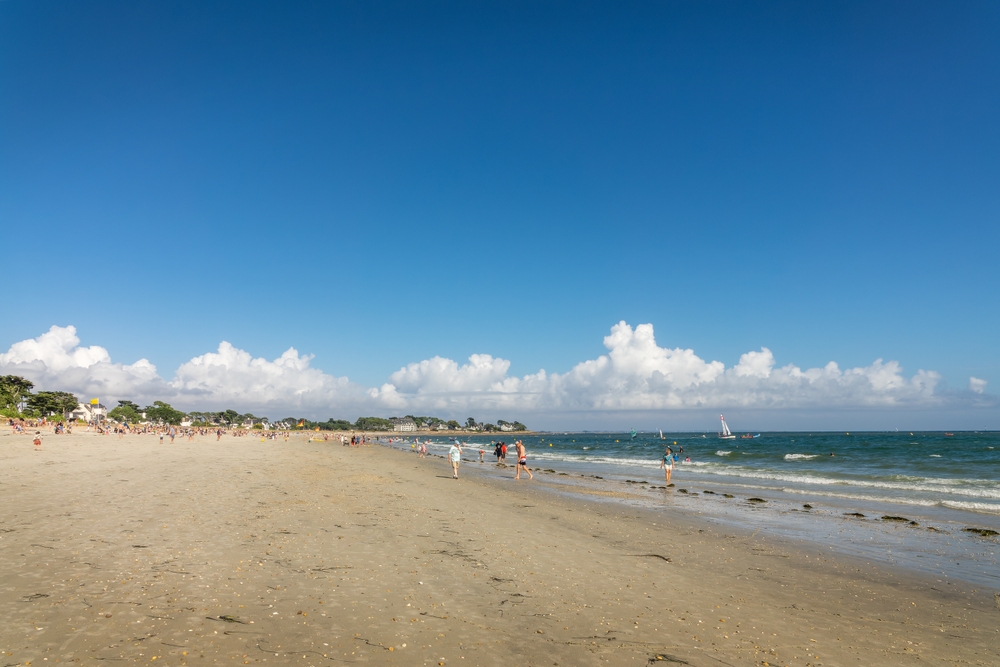
After exploring the megalithic heritage, it’s time to relax at the seaside! The Grande Plage de Carnac (Boulevard de la Plage, 56340 Carnac, rated 4.4/5 on Google out of 2,850 reviews) is one of the jewels in the seaside resort’s crown. This magnificent stretch of fine sand stretches for almost 2 kilometres and faces due south, ideal for enjoying the Breton sunshine.
In summer and winter alike, the Grande Plage captivates visitors with its peaceful atmosphere and typically Breton coastal landscapes. Strolling along the sand to the rhythm of the tides, taking a refreshing dip in the sea in summer, or simply admiring the sunset while gazing out over Quiberon Bay are just some of the simple pleasures on offer here. The beach is supervised in summer and offers a wide range of water sports.
Of particular note: the Grande Plage has held the “Tourism and Disability” label since 2007, with adapted facilities and qualified staff to welcome people with reduced mobility (service available in July and August from 1pm to 7pm).
4. Climb the Saint-Michel burial mound for a panoramic view
The Saint-Michel tumulus (Rue du Tumulus, 56340 Carnac, rated 4.2/5 on Google out of 1,180 reviews) is one of Carnac’s most impressive megalithic monuments. This imposing artificial mound, 12 metres high and 125 metres long, was built in the 5th century BC and contains almost 35,000 m³ of skilfully arranged earth and stones.
At the top of the tumulus stands the chapel of Saint-Michel, built in 1663. The climb to this highest point is rewarded with an exceptional panorama of Carnac, its alignments and Quiberon Bay. This is undoubtedly the best view of the town, and the ideal spot from which to get a bird’s eye view of the entire megalithic site.
Archaeological excavations inside the burial mound have revealed many valuable remains, bearing witness to the fact that Carnac was once an important centre of power and trade in Europe. The caves of the burial mound can be visited when renovation work is not in progress, allowing visitors to discover the interior architecture of this Neolithic funerary monument.
Local legend has it that sailors’ wives used to come and sweep up near the chapel to blow away the wind, before going to pray at the fountain below.
5. Visit the chapel of Saint-Colomban, the Gothic jewel of Carnac
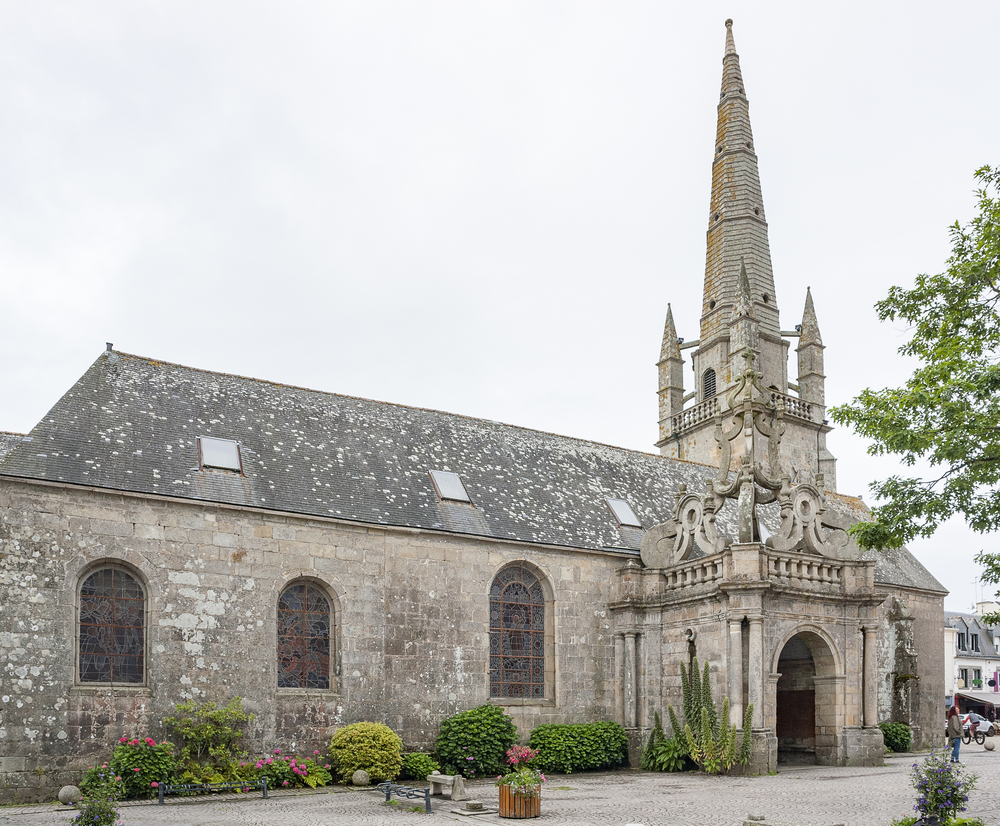
The Saint-Colomban chapel (Rue Saint-Colomban, 56340 Carnac, rated 4.7/5 on Google out of 285 reviews) is a must-see in Carnac’s religious heritage. Built in the 16th century in the flamboyant Gothic style, this chapel pays homage to Saint Colomban, the Irish monk who, according to local tradition, was the patron saint of the feeble-minded.
Its remarkable architecture earned it French Historic Monument status in February 1928. It is customary to go to this sacred place to gain spirit and wisdom. The building stands out for its slender vaults, colourful stained glass windows and contemplative atmosphere.
The Saint-Colomban chapel is open to the public free of charge all year round, every day from 10am to 6pm. This visit reveals another aspect of Carnac’s rich heritage, beyond its prehistoric monuments.
6. Relax at the thalassotherapy centre
After exploring the megalithic sites and beaches of Carnac, there’s nothing like a wellness break to recharge your batteries. The Thalazur Carnac centre (Avenue de l’Atlantique, 56340 Carnac, rated 4.3/5 on Google out of 950 reviews) has established itself as the benchmark for thalassotherapy in Southern Brittany.
This marine spa offers a wide range of services: 3 to 6 day cures, discovery weekends or à la carte treatments. Facilities include seawater pools heated to 30°C, outdoor courses accessible even in cold weather, aquagym classes, and a wide range of personalised treatments (massages, scrubs, facial and body treatments, balneotherapy).
The Thalazur centre focuses on four main areas: therapeutic thalassotherapy, beauty treatments, the wellness spa and expert programmes. You can also take advantage of a two-hour discovery package to try out the marine spa with no obligation. It’s the ideal place to combine sightseeing and fitness during your stay in Carnac.
7. Enjoy authentic Breton cuisine
No visit to Carnac would be complete without immersing yourself in the rich gastronomy of Brittany. The region is renowned for its generous and tasty cuisine, which goes far beyond the famous crêpes and kouign-amann, although these specialities are obviously well worth savouring!
Make the most of your visit to sample a cotriade, the Breton bouillabaisse made with fresh local fish and seafood. Oysters from the Bay of Quiberon, buckwheat pancakes with fillings, far breton for dessert, not forgetting the famous salted butter caramel typical of Brittany, make up a festival of authentic flavours.
To accompany these dishes, let yourself be tempted by a chilled Breton cider or a local craft beer. Numerous restaurants in Carnac town centre and Carnac-Plage offer these specialities in a warm and friendly atmosphere, typical of the Breton welcome.
8. Explore the area around Carnac: Auray, Vannes and the Quiberon peninsula
A visit to Carnac also gives you the chance to discover the treasures of the surrounding Morbihan region. Just a few kilometres away, a number of destinations are well worth a visit to enhance your stay in Southern Brittany.
Auray and its port of Saint-Goustan
Just 15 minutes from Carnac, the medieval town of Auray has a charming, well-preserved architectural heritage. Don’t miss the magnificent port of Saint-Goustan, with its half-timbered houses, cobbled streets and authentic atmosphere. It’s the perfect place for a romantic stroll along the quays, punctuated by a stop at one of the traditional crêperies.
Vannes, a medieval city on the shores of the Gulf of Morbihan
A 30-minute drive away, Vannes is well worth a full day’s visit. This city of art and history, nestling at the head of the Gulf of Morbihan, is a magnet for visitors with its medieval ramparts, colourful timber-framed houses and lively marina. Stroll through the picturesque narrow streets, admire Saint-Pierre Cathedral and enjoy the lively atmosphere of this town that combines history and modernity.
The Quiberon peninsula and its wild coastline
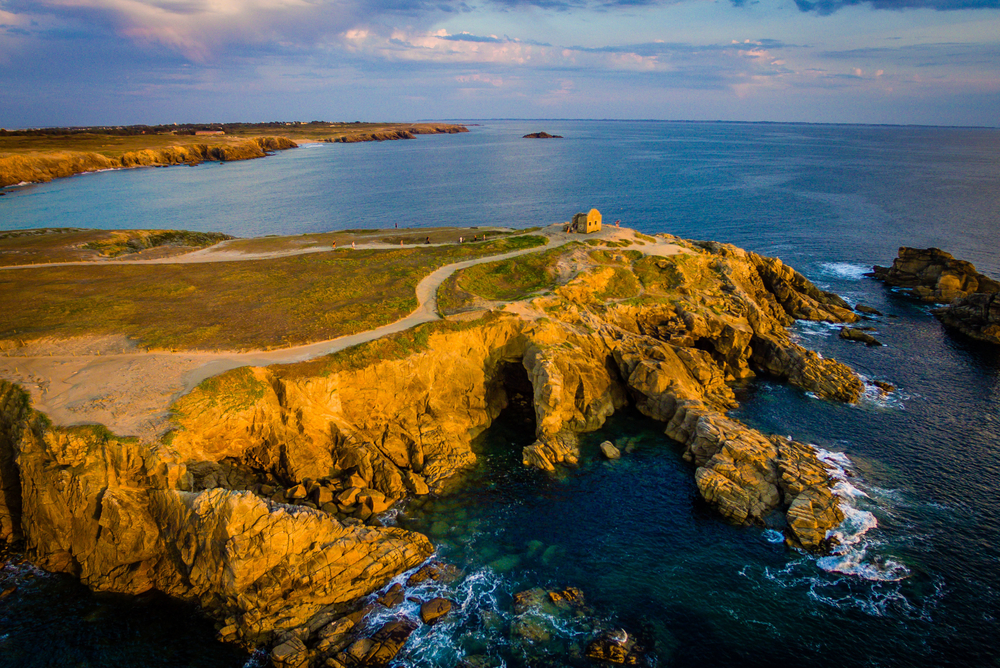
Just 20 minutes from Carnac, the Quiberon peninsula offers spectacular coastal scenery. Connected to the mainland by the narrow isthmus of Penthièvre, it boasts the famous Côte Sauvage, where steep cliffs, rocky arches and secret coves create an imposing natural tableau. The peninsula is also home to some excellent surf spots and magnificent fine sandy beaches, such as Saint-Pierre-Quiberon beach.
These excursions in the Carnac area offer a variety of pleasures and allow you to discover the rich natural and cultural heritage of Morbihan.
In conclusion, Carnac is a must-see destination in Brittany, offering a unique experience at the crossroads of prehistoric history, seaside charm and Breton authenticity. Whether you’re an archaeology enthusiast, a beach lover, in search of wellbeing or simply curious to discover an exceptional heritage, Carnac will win you over with its diversity and special atmosphere. The alignments of menhirs, silent witnesses to civilisations thousands of years old, invite you to take a trip back in time, while the beaches and local gastronomy provide that touch of gentle living so characteristic of Brittany. So don’t hesitate, let yourself be tempted by this pearl of Morbihan and set off to discover Carnac, where every stone tells a story and every street reveals a new treasure.
Frequently asked questions about visiting Carnac
When is the best time to visit Carnac?
The best time to visit Carnac is from May to September, with June and September offering pleasant weather and fewer crowds than July and August. The alignments are freely accessible from March to October. Out of season, Carnac retains its charm, with a more authentic atmosphere, ideal for enjoying the megalithic sites in peace and quiet.
How long does it take to visit Carnac?
A weekend of 2 or 3 days is the ideal time to visit Carnac and take full advantage of its main attractions: menhir alignments, the Prehistory Museum, beaches and the town centre. To explore the surrounding area (Auray, Vannes, Quiberon peninsula), allow 4 to 5 days.
Are visits to the Carnac alignments free?
Yes, the Carnac alignments are free to visit from March to October. You can walk freely around the Ménec, Kermario and Kerlescan sites. The Centre des Monuments Nationaux (National Monuments Centre) offers paid guided tours of the interior of the alignments, with detailed explanations (prices: around €9 for adults, free for under-18s).
Where can I park in Carnac?
Carnac has several car parks, notably near the Maison des Mégalithes (free off-season, chargeable in summer), at Carnac-Plage near the Grande Plage, and in the town centre. In high season, use the car parks on the outskirts of the town or arrive early in the morning to find a space easily.
Can you visit Carnac with children?
Absolutely! Carnac is a very family-friendly destination. Children particularly enjoy discovering the menhir alignments (mysterious and fun), the beaches for sandcastles and swimming, and the Museum of Prehistory, which offers educational activities. The Grande Plage is supervised in summer and is suitable for families.
200 audioguided tours for cities all around the world
Download