Top 10 things to do in the Vendée
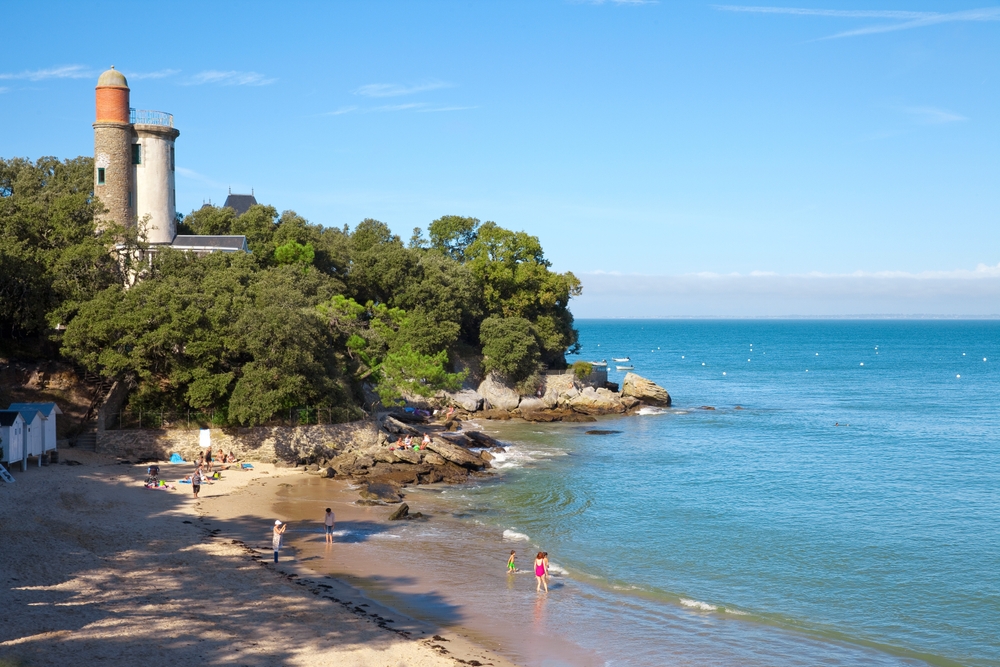

Located on the Atlantic seaboard, the Vendée is an exceptionally diverse destination. With its fine sandy beaches, remarkable historical heritage, unspoilt natural areas and world-famous theme parks, this département in the Pays de la Loire region offers a range of experiences that will delight all travellers. Whether you’re looking for relaxation, cultural adventure or family discovery, the Vendée has something for everyone. Here is our selection of the 10 must-do things to do in the Vendée for an unforgettable stay.
See also the Vendée guide :
- Visiting the Puy du Fou: complete guide to shows and information
- The most beautiful villages in Pays de la Loire to discover
- Top 6 activities in Nantes
- Top 8 best hotels in Nantes
- Top 10 culinary specialities in Nantes
- What to do in Loire-Atlantique? 20 must-sees
- Discovering the village of Trentemoult
1. Le Puy du Fou, the exceptional theme park
You can’t visit the Vendée without stopping off at the Puy du Fou, voted the best theme park in the world on several occasions. This one-of-a-kind theme park takes you back through the ages with grandiose shows of breathtaking quality. From Vikings to Roman gladiators, medieval chivalry to passionate flamenco, each performance is a technical and artistic feat that moves and fascinates.
La Cinéscénie, the park’s signature night-time show, brings together more than 2,500 volunteer actors over 23 hectares to tell the story of the Vendée. With its lighting effects, special effects and monumental staging, it’s a magical moment that will live long in the memory. For the 2026 season, the Puy du Fou opens its doors from 3 April to 3 January 2027, with new creations including “King Arthur’s Sword”. If you’re looking for something to do in the Vendée, start with this unforgettable experience.
2. The island of Noirmoutier and the Gois Passage
The island of Noirmoutier is one of the jewels of the Vendée, accessible by two means: the Noirmoutier bridge or the mythical Gois passage. This 4.2km submersible road linking Beauvoir-sur-Mer to the island is only accessible at low tide, 1? hours before and 1? hours after low tide. Crossing the Gois is a unique experience, whether by car, on foot or by bike. There are safety markers along the way, so you can take refuge if the water rises.
Once on the island, nicknamed “the island of mimosas” for its mild climate, there are many things to discover. Visit the salt marshes and watch the salt workers harvesting the white gold from June to September. Explore Noirmoutier castle, stroll through the picturesque harbours, discover the traditional mills and enjoy the fine sandy beaches. The Polder de Sébastopol nature reserve will delight nature lovers with its preserved flora and fauna. The island of Noirmoutier is truly one of the must-visit sites in the Vendée.
3. Les Sables-d’Olonne, the pearl of the coast of light
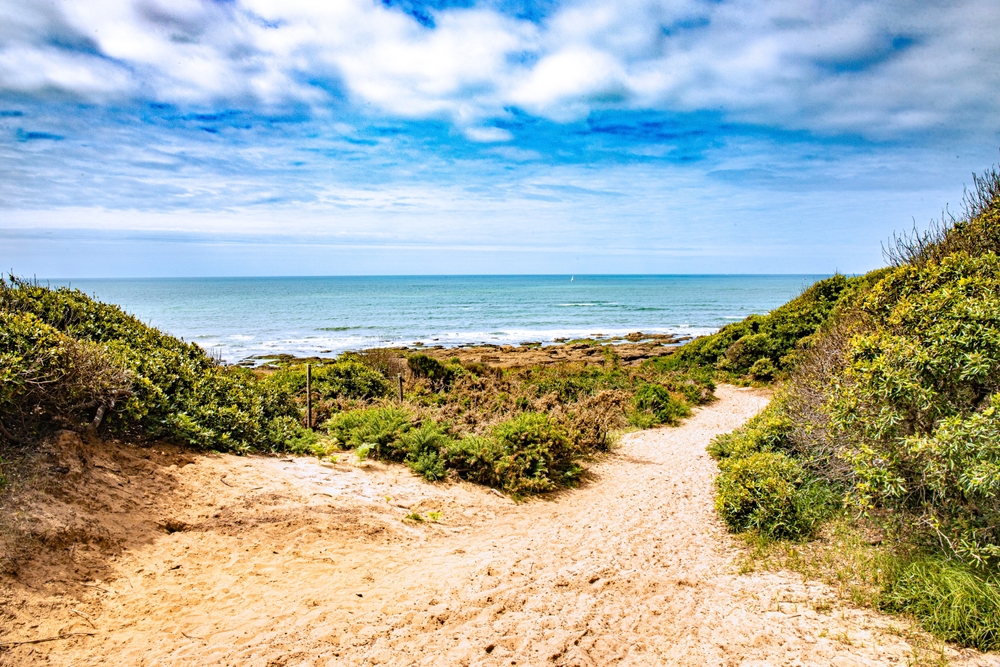
A leading seaside resort on the Vendée coast, Les Sables-d’Olonne is renowned for its Grande Plage, a 3-kilometre stretch of fine sand. This south-facing bay, considered to be one of the most beautiful beaches in Europe, is the ideal place to relax, swim or take part in water sports. Along the embankment, you can admire the colourful beach huts that recall the Belle Époque and the golden age of sea bathing.
Beyond its beaches, Les Sables-d’Olonne has many hidden treasures. Don’t miss the Ile Penotte district, famous for its narrow streets adorned with seashell frescoes by Danièle Arnaud-Aubin, nicknamed “la Dame aux coquillages”. Take a stroll around the port to discover the authentic maritime atmosphere, then treat yourself to a gourmet break in one of the many artisanal ice-cream parlours. Les Sables-d’Olonne is also the starting point for the famous Vendée Globe, the legendary solo round-the-world yacht race.
4. The Poitevin marshes, the Green Venice
France’s second-largest wetland, covering 112,000 hectares, the Poitevin marshlands stretch across three départements, including the Vendée. Nicknamed “Green Venice” for its dense network of tree-lined canals and lush vegetation, this exceptional natural area offers a complete change of scenery. The marsh is divided into three zones: the dry marsh to the north, the maritime marsh near the coast and the wet marsh that makes up the famous Green Venice.
The best way to discover the Marais Poitevin is to cruise its canals in a traditional boat with a guide, or in a canoe or stand-up paddle. There are several piers in the Vendée offering access to this watery labyrinth, notably at Damvix, Maillé, Le Mazeau and Saint-Sigismond. Along the way, you’ll see remarkable biodiversity, with many species of migratory birds making their home in this natural sanctuary. The Marais Poitevin is a must-see for nature lovers and those seeking tranquillity when visiting the Vendée.
5. Tiffauges castle, Bluebeard’s fortress
Overlooking the Sèvre Nantaise valley, Tiffauges castle is the most imposing medieval ruin in the Vendée. Listed as a Historic Monument in 1957, this exceptional site is closely linked to Gilles de Rais, Joan of Arc’s comrade-in-arms, who lived there in the 15th century. Nicknamed “Bluebeard” in reference to Charles Perrault’s fairy tale, this controversial figure rose to military glory before falling into a life of crime, ending his life at the stake in 1440.
Today, the Château de Tiffauges houses a unique conservatory of medieval war machines. You can watch impressive demonstrations of trebuchets, catapults and other siege engines, as well as equestrian and singing performances. The site also offers archery workshops and guided tours tracing the fascinating history of this place steeped in mystery. In December, the château’s Christmas market is one of the most famous in the Vendée, adding a magical dimension to this already remarkable site.
6. Yeu Island, the wild Atlantic island
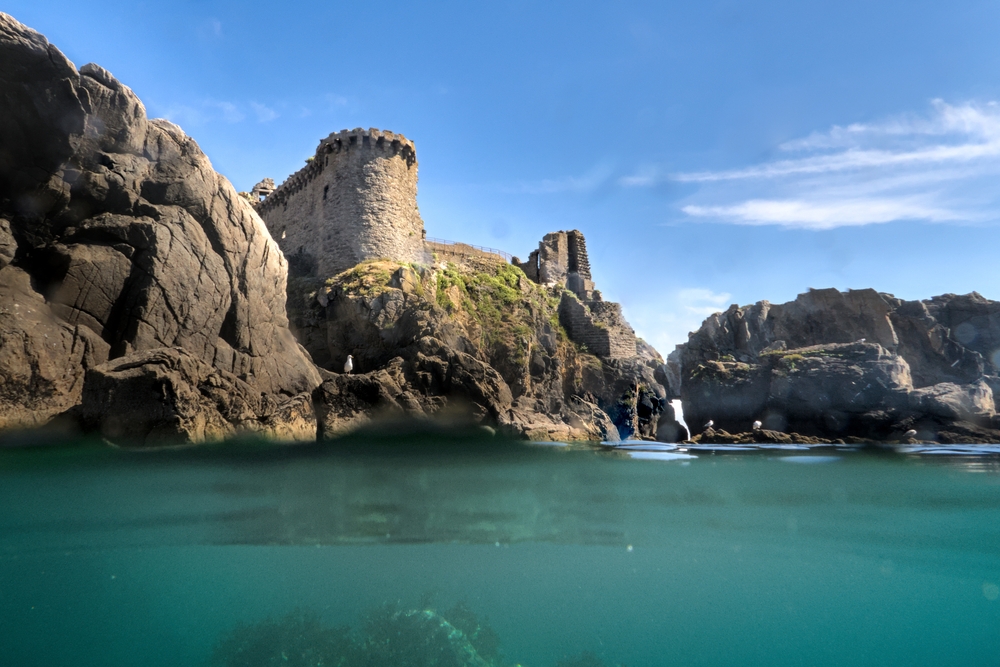
Just 17 kilometres off the Vendée coast, the island of Yeu offers a complete change of scenery, accessible by boat from Fromentine or Saint-Gilles-Croix-de-Vie. This small island of 23 km² has two distinct faces: a gentle, sandy north coast ideal for swimming, and a wild, rocky south coast sculpted by the elements, reminiscent of the Breton landscape.
The island of Yeu is a walker’s paradise, with 72 kilometres of signposted routes to discover all its treasures. Cycling is the preferred means of transport for exploring Port-Joinville, the charming main port, the medieval castle, the Fort de Pierre Levée and the secret coves. Water sports enthusiasts will love the sailing, surfing and kayaking spots. With its maritime heritage, unspoilt nature and authenticity, Ile d’Yeu is an unforgettable getaway during your stay in the Vendée.
7. The Vendée Corniche, a breathtaking natural spectacle
Stretching for 3 kilometres between Saint-Hilaire-de-Riez and Saint-Gilles-Croix-de-Vie, the Vendée Corniche is an impressive natural spectacle where the Atlantic Ocean crashes its waves against the rocks. This unspoilt natural area is equipped with a footpath and cycle path, allowing visitors to admire the exceptional coastal scenery, sandy coves and rich marine flora and fauna.
The highlight of the walk is the Trou du Diable (Devil’s Hole), also known as the Marmite du Diable (Devil’s Pot), a cave where the water rushes in and bubbles up spectacularly, particularly at high tide. Legend has it that the hole was created by the devil kicking a bet in rage, or that it is his prison guarded by the Cinq Pineaux, the five rocks that emerge from the sea. The Corniche Vendéenne is an ideal place for a relaxing stroll facing the ocean.
8. The Historial de la Vendée, a journey through the history of the département
Located in Les Lucs-sur-Boulogne, the Historial de la Vendée is a modern museum that traces the history of the Vendée, from prehistory to the present day, in an educational and entertaining way. The original scenography uses multimedia devices, reconstructions and authentic objects to bring local history to life, with a particular focus on the Vendée wars, which had a profound impact on the region in the late 18th century.
A visit to the Historial provides an insight into the historical, cultural and social issues that shaped the Vendée. You can complete your discovery by visiting the nearby Vendée Memorial, which pays tribute to the 564 villagers massacred in 1794 by the infernal column. This moving site of remembrance encourages visitors to reflect on the tragedies of history. The Historial de la Vendée is an essential cultural stop-off for a better understanding of the Vendée identity.
9. The salt marshes, between tradition and know-how
The Vendée is renowned for its salt marshes, an ancestral tradition dating back to the 7th century. These squares of ponds, known as “œillets”, form a fascinating geometric landscape where salt-makers harvest sea salt using age-old techniques. The harvesting season generally runs from mid-June to mid-September, but the salt workers start preparing their marshes as early as March.
You’ll find salt marshes in several places along the Vendée coast, including Noirmoutier and Saint-Hilaire-de-Riez. Many salt producers offer guided tours during the tourist season, a unique opportunity to discover their demanding trade and understand how flower of salt is formed, the precious crystal harvested from the surface of the carnations. These tours allow visitors to appreciate the beauty of the salt-growing landscapes and the well-preserved know-how of the salt producers, the true white gold of the Vendée.
10. Nieul-sur-l’Autise and its royal abbey
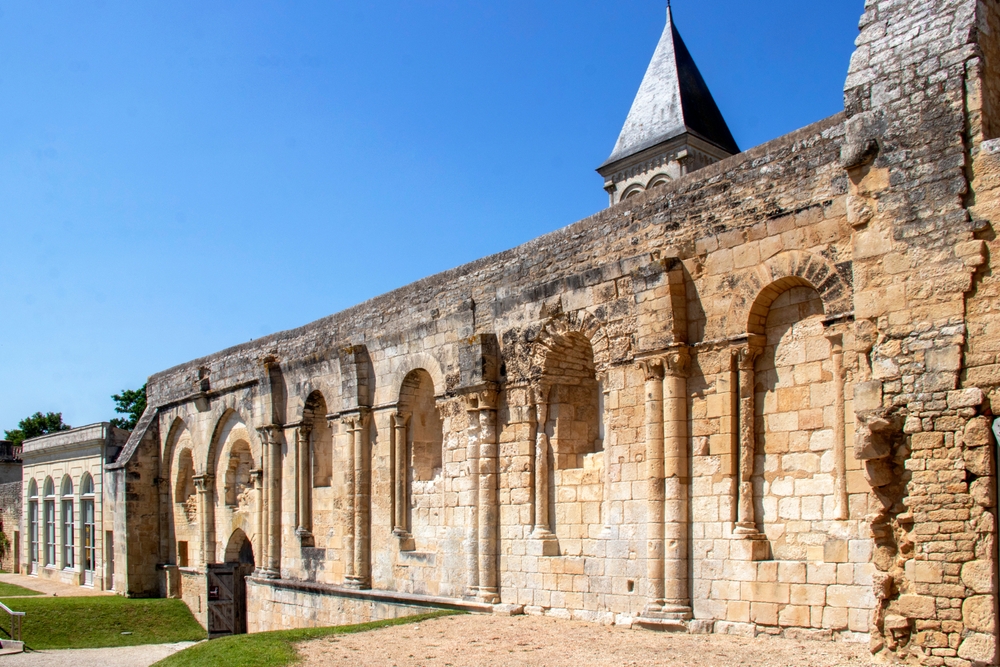
In the south of the Vendée, the village of Nieul-sur-l’Autise is well worth a visit. Classed as a “Petite Cité de Caractère”, this medieval village has an authentic feel and a remarkable heritage. The cobbled streets, old houses and peaceful atmosphere invite you to stroll around and take a trip back in time.
The jewel in Nieul-sur-l’Autise’s crown is without doubt its abbey, founded in the 11th century and elevated to the rank of royal abbey by Eleanor of Aquitaine when she was Queen of France. The abbey boasts the only complete Romanesque cloister preserved in western France, an architectural masterpiece of exceptional beauty. Shows and cultural events regularly bring this place steeped in history to life. A visit to Nieul-sur-l’Autise and its abbey is the perfect way to immerse yourself in the medieval heritage of the Vendée region.
In conclusion, a visit to the Vendée is a trip rich in emotion and discovery. Between the grandiose spectacles of the Puy du Fou, the maritime landscapes of the island of Noirmoutier, the seaside charm of Les Sables-d’Olonne, the serenity of the Poitevin marshes and the exceptional historical heritage of the château at Tiffauges or the abbey at Nieul-sur-l’Autise, every day has its share of wonders in store. Whether you’re a nature lover, a history buff, looking to relax on the beaches or enjoy a family adventure, the Vendée will win you over with its diversity and authenticity. This department on the Atlantic seaboard is a destination to be experienced to the full, and one that will leave you with unforgettable memories.
FAQ : Everything you need to know about visiting the Vendée
When is the best time to visit the Vendée?
The ideal time to visit the Vendée is from May to September, when the weather is most pleasant. July and August are the busiest months, with all the tourist activities open, but also the busiest. For a more tranquil stay, with temperatures still mild, opt for May-June or September. Spring is a wonderful time to discover the marshes and natural areas in bloom.
How long will it take to visit the Vendée?
To make the most of the Vendée and discover its main must-see sites, plan on spending at least a week. This will allow you to visit the Puy du Fou (allow 1 or 2 days), explore the island of Noirmoutier, relax on the beaches of Les Sables-d’Olonne, sail in the Marais Poitevin and discover the department’s historical heritage. If you have 10 to 15 days, you can explore the Vendée in greater depth and take time to enjoy each site.
Getting around the Vendée
The car remains the most practical way of exploring the Vendée and its diverse range of sites. The département has a well-developed road network. For a more environmentally-friendly approach, the Vendée has over 1,800 kilometres of cycle paths, including the Vélodyssée, which runs along the Atlantic coast. Public transport serves the main towns but is less convenient for accessing isolated natural sites. To visit the islands, regular ferry services leave from mainland ports.
What are the culinary specialities of the Vendée?
The gastronomy of the Vendée is rich and tasty. Don’t miss the Vendée Atlantique oysters, Vendée ham, mogette (a local white bean), préfou (garlic and butter bread), Vendée brioche and troussepinette (a traditional aperitif). Seafood is omnipresent, with the sardine as its emblem. On the sweet side, gâche (brioche) and bottereaux (fritters) are a must. Noirmoutier salt and fleur de sel add an authentic local touch to all these dishes.
Is the Vendée a family-friendly destination?
Absolutely! The Vendée is one of France’s most family-friendly destinations. As well as the Puy du Fou, which enchants young and old alike, the département offers a wide range of family-friendly activities: supervised beaches, leisure parks, zoos, aquariums, boat trips in the marshes, cycling on safe paths, and châteaux with fun activities. There is also a wide range of accommodation on offer, with numerous family-friendly campsites, holiday villages and residences. The distances between sites are reasonable, avoiding long, tiring journeys for children.
200 audioguided tours for cities all around the world
Download