The 12 most beautiful Breton islands to discover
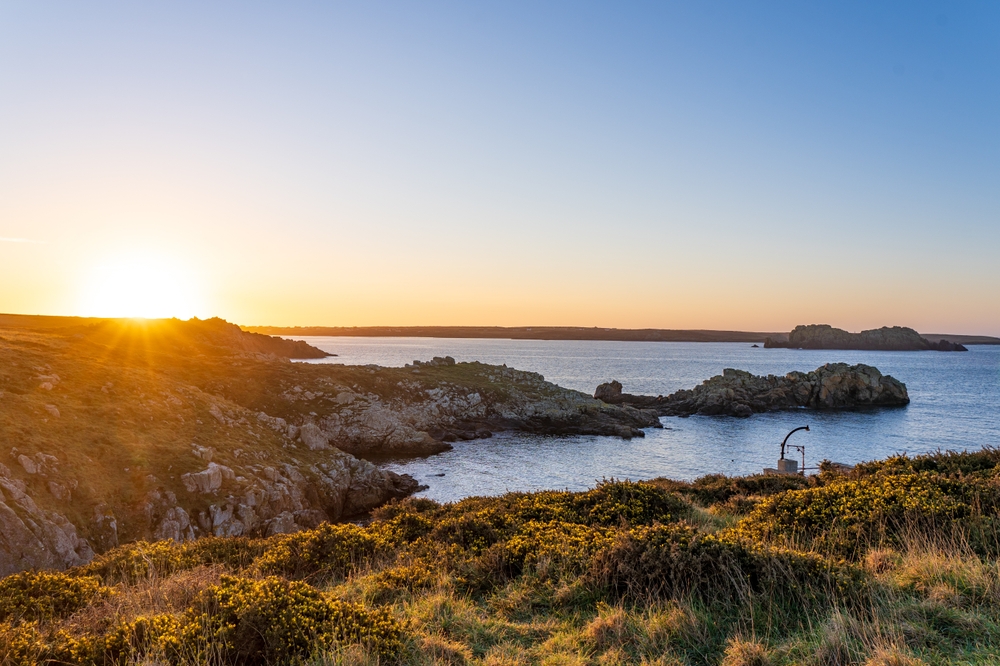

Brittany has almost 800 islands scattered along its coastline, offering breathtaking scenery of turquoise waters, fine sandy beaches and craggy cliffs. True jewels of nature, these Breton islands are unspoilt havens of peace where time seems to stand still. From Finistère to Morbihan, via the Côtes-d’Armor, discover the 12 most beautiful Breton islands that are well worth a visit on your next holiday in Brittany.
200 audioguided tours for cities all around the world
DownloadSee also the Brittany guide :
- Visiting Brittany
- Discover and visit Brest, the capital of the oceans
- Visit Quimper and its heritage treasures
- Explore Rennes, the capital of Brittany
- 10 must-see places to visit in Brittany
- The most beautiful villages in Brittany
- Discover Brittany’s most beautiful lighthouses
- Pink Granite Coast: 12 must-see places in Brittany
- 22 must-do things to do in Cotes-d’Armor
- 20 must-do things to do in Finistère
1. Belle-Île-en-Mer, the pearl of the Atlantic
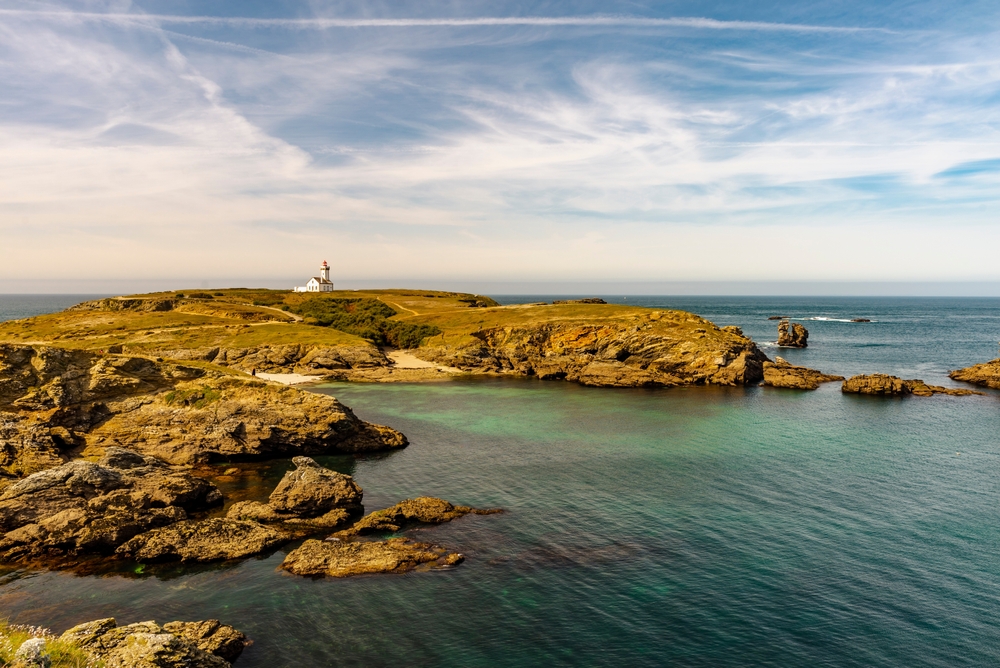
The largest of the Breton islands is aptly named. Located 17 kilometres off the coast of Quiberon, Belle-Île-en-Mer is 20 kilometres long and offers an exceptional diversity of landscapes. Its wild coastline alternates between breathtaking cliffs, secret coves and fine sandy beaches with crystal-clear waters.
The needles of Port-Coton, immortalised by Claude Monet, are one of the most spectacular sites on the island. The Pointe des Poulains, the former home of Sarah Bernhardt, offers breathtaking views of the raging ocean. The port of Sauzon, with its colourful houses, exudes an authentic charm that has attracted many artists over the centuries.
Belle-Île-en-Mer is best explored by bike on the GR 340, which takes four to five days to cycle around the island. Hiking enthusiasts will particularly appreciate this coastal path, voted France’s favourite GR in 2022. To reach this exceptional Breton island, there are sea links all year round from Quiberon, and in season from Vannes, Locmariaquer or Port-Navalo.
2. Bréhat, the island of flowers
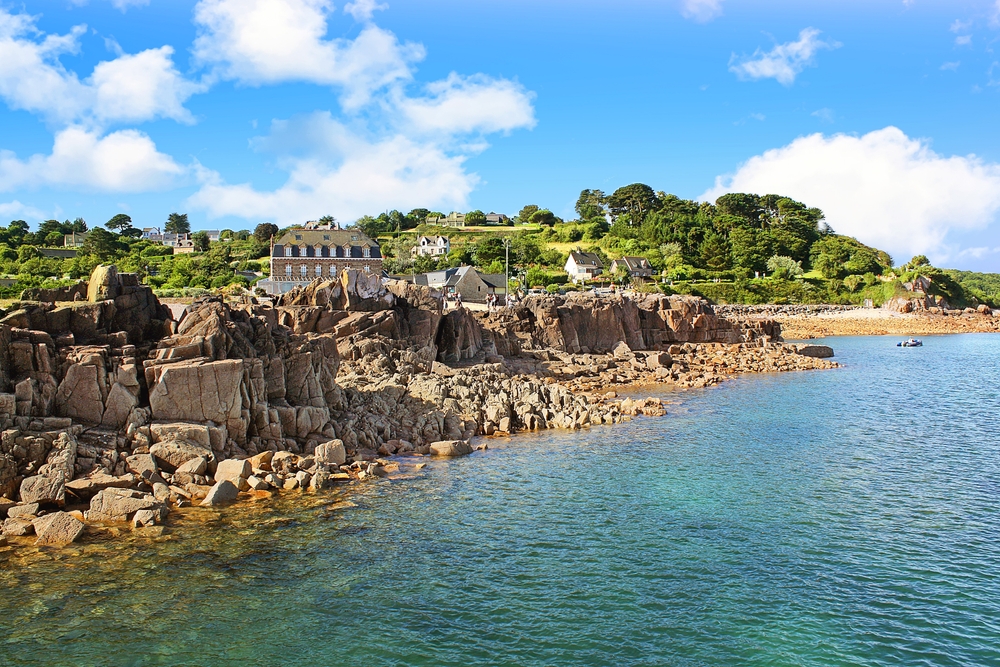
Situated in the Côtes-d’Armor region of Brittany, the island of Bréhat richly deserves its nickname of “island of flowers”. Thanks to its exceptionally mild microclimate, almost Mediterranean vegetation flourishes on this pink granite archipelago. Mimosas, agapanthus, eucalyptus and hydrangeas add colour to the gardens and paths of this unique Breton island.
The archipelago is made up of two main islands linked by the Vauban bridge: the wild, rocky north island and the gentler, flower-filled south island. Bréhat is 3.5 kilometres long and 1.5 kilometres wide, making it easy to explore in a day on foot or by bike. Cars are not allowed on the island, which helps to preserve its peaceful, authentic atmosphere.
Le Paon, the island’s main market town, charms visitors with its pink granite houses and narrow streets. Don’t miss the chapel of Saint-Michel, which offers a magnificent panorama of the archipelago, or the tidal mill at Le Birlot, a testament to the island’s heritage. To reach Bréhat, set sail from the Pointe de l’Arcouest pier in Ploubazlanec, just 10 minutes away.
3. Ushant, the Atlantic sentinel
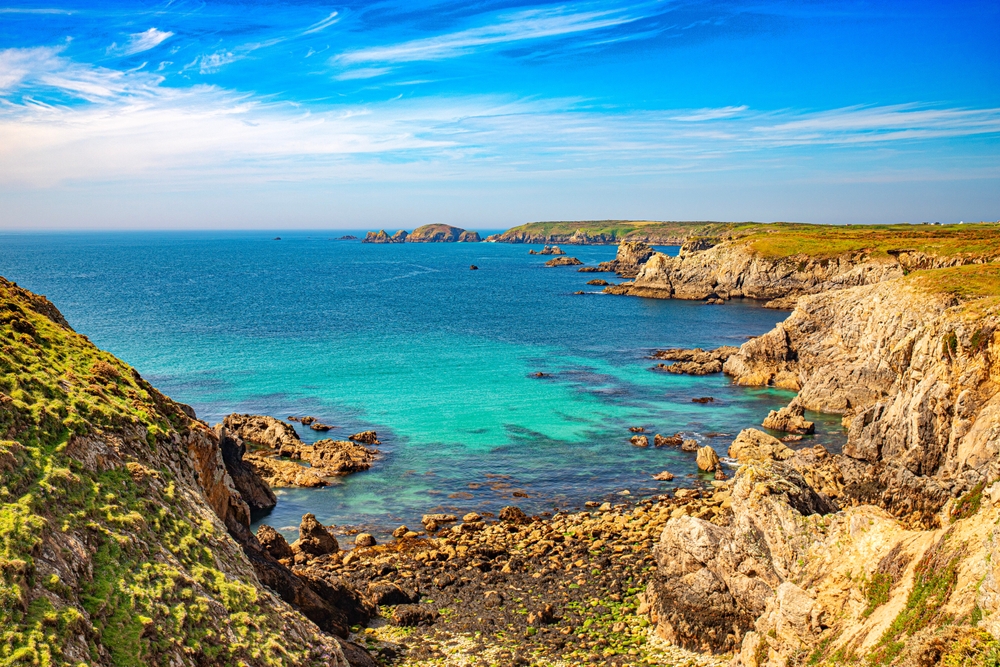
Just 20 kilometres off the coast of Finistère, Ushant is the quintessential Breton island. The last land before America, this Atlantic sentinel stands proudly against the elements. Its eight kilometres of coastline are home to landscapes of wild, unspoilt beauty, battered by winds and sea spray.
The island boasts five majestic lighthouses, including the famous Créac’h lighthouse, which houses the Musée des Phares et Balises (Lighthouses and Beacons Museum), a must for anyone interested in the region’s maritime history. The Jument lighthouse and the Kéréon lighthouse, both true architectural feats, bear witness to the dangerous nature of these waters. The north and west coasts of Ushant are impressive for their jagged cliffs and rocky chaos.
Once known as “the island of women”, Ouessant has a fascinating history linked to its isolation and the long absences of its sailors. The town of Lampaul, the island’s main village, retains its authentic character, with low houses and colourful shutters. Ushant can be reached by boat from Brest or Le Conquet, or even by plane from Brest Bretagne airport for those in a hurry.
4. Groix, the island of blue minerals
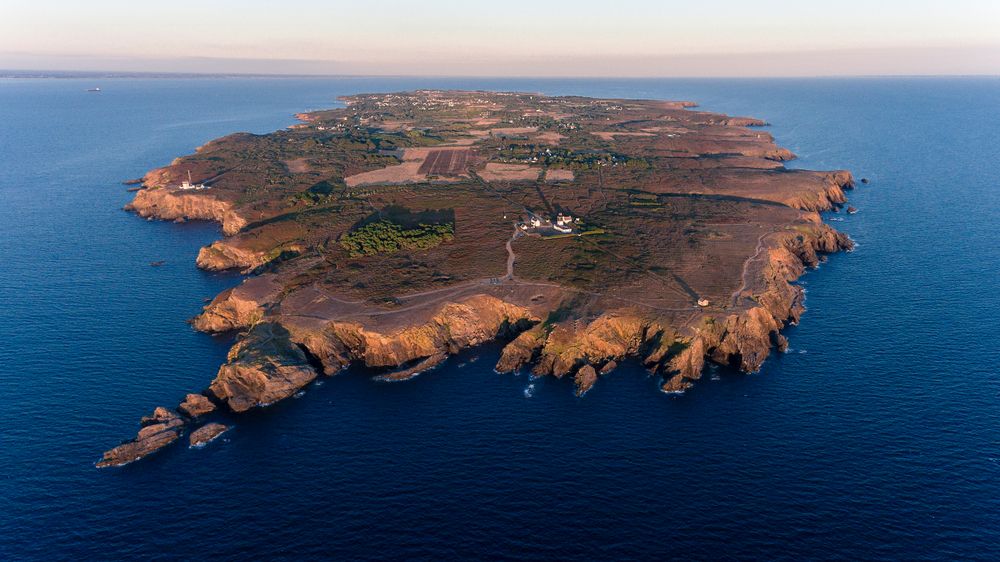
Opposite Lorient, the island of Groix boasts unique geological features. It is the only place in Europe where you can find glaucophane, the semi-precious blue stone that is the pride of the islanders. With a length of 8 kilometres and a width of 3 kilometres, Groix offers a wide variety of landscapes, from the steep coastline to the west to the gentler coastline to the east.
The convex beach of Grands Sables is a remarkable geological curiosity: it’s the only beach in Europe that changes shape and position with the currents and tides. The port of Locmaria, with its colourful houses and authentic maritime atmosphere, is an inviting place to stroll. The Trou de l’Enfer, a spectacular chasm cut into the cliffs, impresses with the power of the waves that rush in.
The famous Ti Beudeff bar, a local institution, perpetuates the friendly atmosphere that characterises this Breton island. History buffs will love the island’s museum and eco-museum, which retraces Groix’s tuna-fishing past. The crossing from Lorient takes just 45 minutes, and there is also a service from the port of Lomener in Ploemeur during the summer season.
5. Ile aux Moines, the pearl of the Gulf of Morbihan
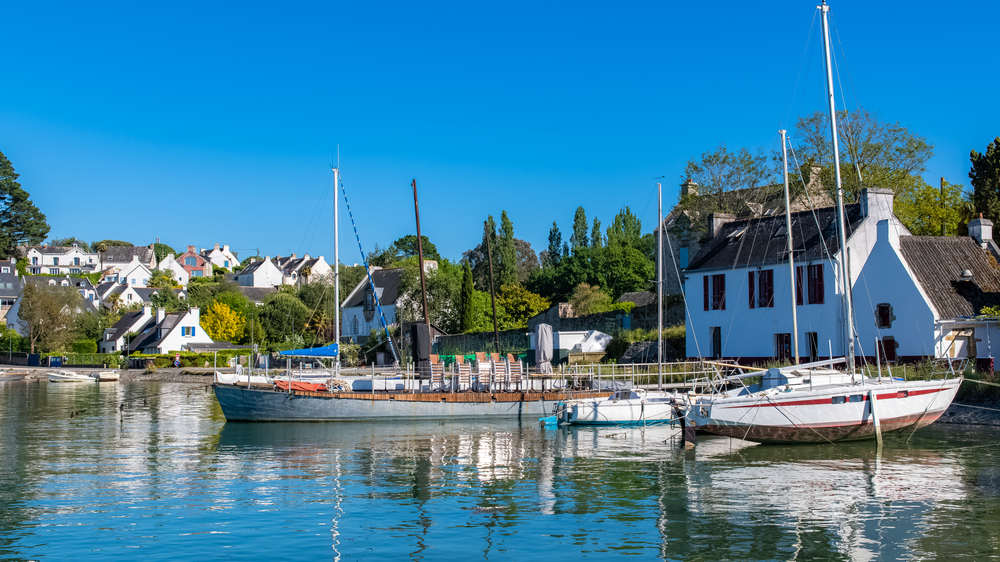
At the heart of the Gulf of Morbihan, Ile aux Moines fully deserves its nickname of Pearl of the Gulf. Accessible in just five minutes by ferry from Port-Blanc in Baden, this 320-hectare Breton island boasts lush vegetation and a particularly mild climate. Seven kilometres long and three kilometres wide, it is easy to explore on foot or by bike.
The green shores and sheltered coves of Ile aux Moines offer enchanting scenery. The main town is home to some pretty shipowners’ and captains’ houses, testimony to its prosperous maritime past. The coastal path offers magnificent views of the Gulf of Morbihan and its countless islets.
The island enjoys a peaceful, unspoilt atmosphere, with no cars other than those of the residents. The south-facing beaches are naturally sheltered from the prevailing winds. Don’t miss the Bois d’Amour, a romantic wooded area contrasting with the coastal scenery. Izenah Croisières operates regular crossings from Baden all year round.
6. Houat, the Breton paradise of turquoise waters
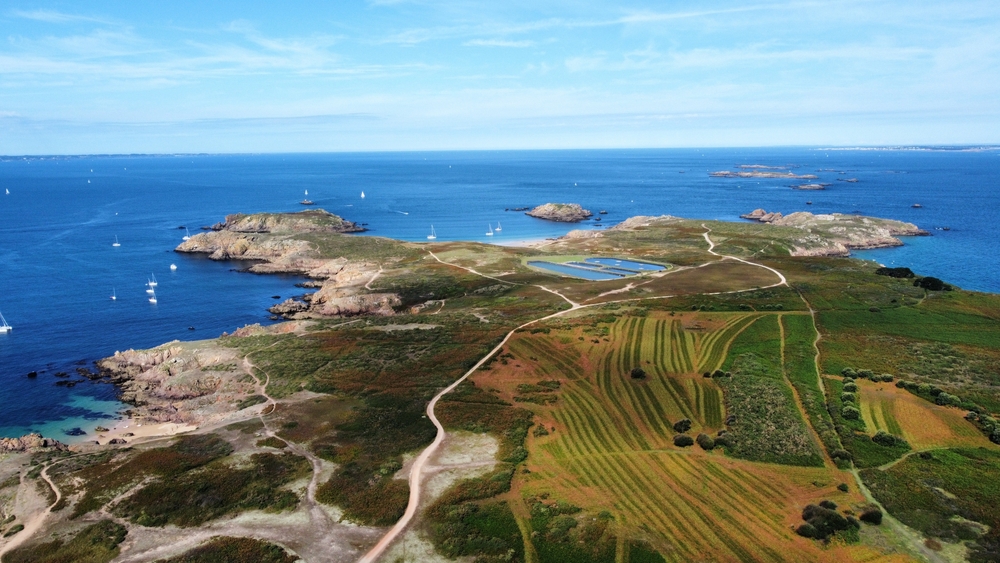
Situated in the south of Brittany, between Belle-Île and the Quiberon peninsula, the island of Houat boasts astonishing Caribbean-style beaches. Its white sandy coves bordered by turquoise waters are among the most beautiful in France. This small Breton island, 2.5 kilometres long and 1 kilometre wide, is home to around 280 inhabitants who jealously guard the preservation of their exceptional environment.
The main village, with its narrow streets and flower-filled whitewashed houses, exudes a Mediterranean charm that is unexpected in Brittany. The beach at Treac’h er Goured, nicknamed “La Grande Plage”, stretches for over a kilometre of fine sand. The coastal path allows you to discover the wild coves of the steeper, windswept west coast.
Houat means ‘duck’ in Breton, in reference to its shape as seen from the sky. The island is ideal for hiking, with spectacular views from the fort of Beg er Vachif. Diving enthusiasts will love the exceptional seabed surrounding the island. Maritime shuttles link Houat to Quiberon all year round, and in season from other Morbihan ports.
7. Hoëdic, Houat’s authentic little sister
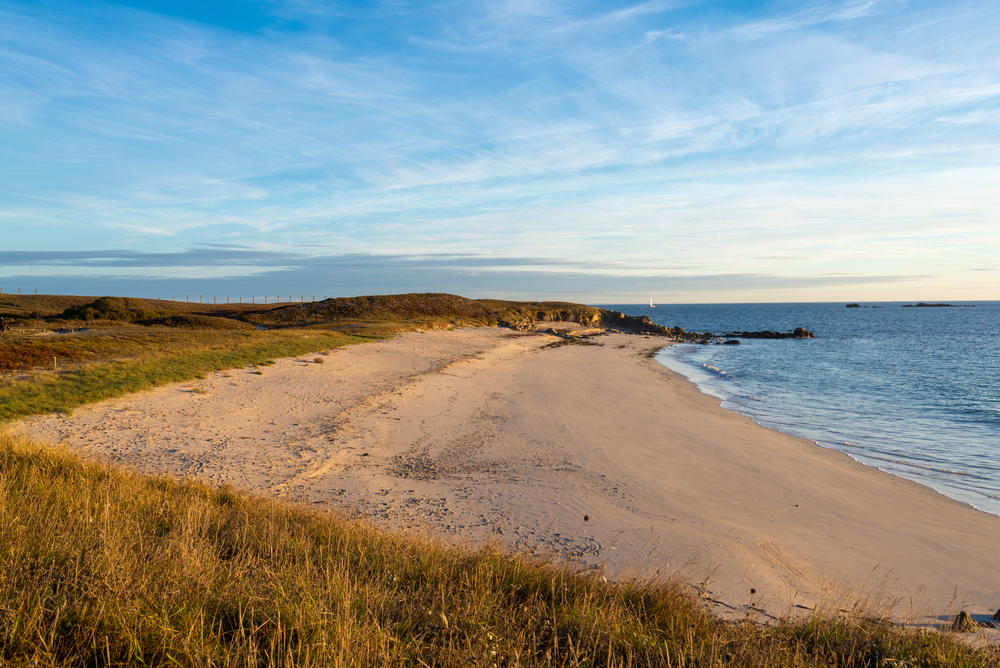
A neighbour of Houat but less visited, Hoëdic embodies the authenticity of the Breton islands. This small island, 2 kilometres long and 1 kilometre wide, is home to just a hundred or so permanent inhabitants. Its name means “little duck” in Breton, as opposed to its big sister. Hoëdic is characterised by its peaceful, unspoilt atmosphere, ideal for recharging your batteries away from the hustle and bustle of the mainland.
The village of flower-filled houses and emblematic hollyhocks nestles around the harbour. Sea lilies, knapweeds and other wild flowers add colour to the landscape as the seasons change. Fine sandy beaches stretch along the south coast, offering calm, shallow waters perfect for families. The island’s coastal path takes around two hours to complete.
The old fort, built by Vauban in the 17th century, dominates the island from its highest point. Don’t miss the church of Saint-Goustan, a charming 19th-century church that bears witness to the island’s history. For those who want to extend the experience, there are a number of accommodation options where you can spend one or more nights on the island and make the most of its tranquil setting. There are ferry links from Quiberon all year round.
8. The island of Sein, the island of the brave
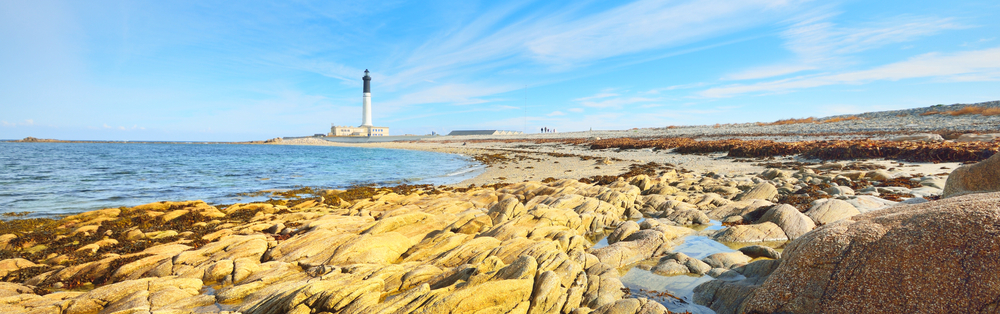
In the far west of Finistère, off the Pointe du Raz, the island of Sein fascinates by its unique character. This particularly flat Breton island rises to just 1.50 metres above sea level, which means it is regularly battered by storms. Passing the Raz de Sein on the crossing from Audierne is an impressive maritime spectacle, heralding the arrival of this mythical land.
The island of Sein made history in 1940 when almost all its men – 128 Senans – answered General de Gaulle’s call to join the Free French Forces. This exceptional mobilisation earned the island the motto “Sein, l’île des braves” and the Order of the Liberation. A memorial pays tribute to this exceptional courage.
The village, squeezed up against the harbour, is made up of narrow streets lined with low houses protected by high dykes. No trees grow on the island due to the extreme climatic conditions. The Ar Men and La Vieille lighthouses, veritable sentinels at sea, bear witness to the danger of these waters. The crossing from Audierne takes around an hour, with regular services in season.
9. Batz Island, Brittany’s exotic garden
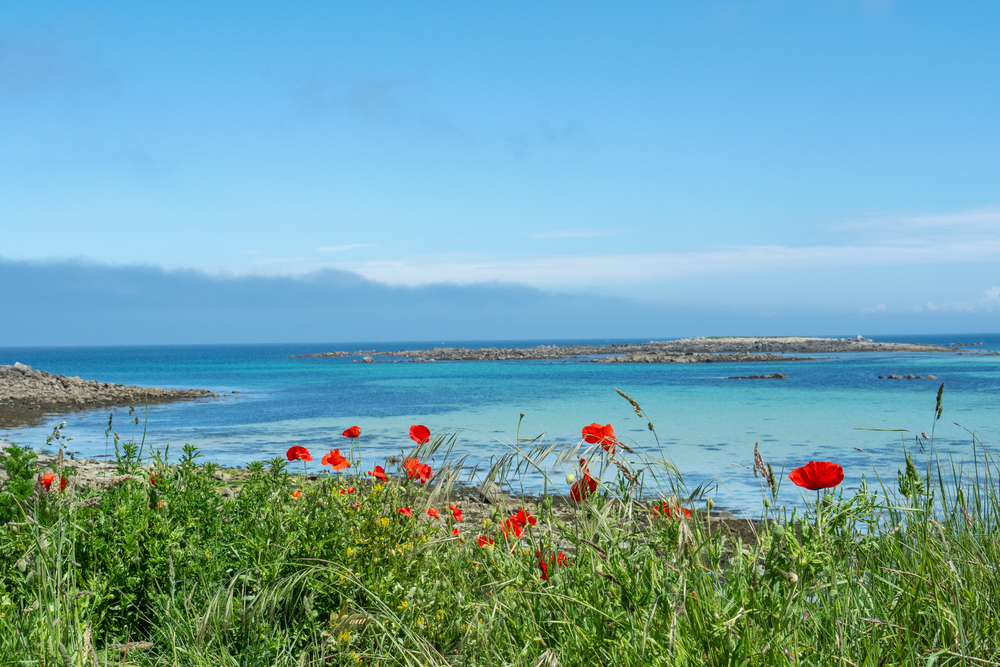
Opposite Roscoff, just a 15-minute crossing away, the island of Batz reveals an unexpected face of Brittany. Thanks to its exceptionally mild microclimate, lush and sometimes exotic vegetation flourishes on this 3.5-kilometre long island. The Georges Delaselle garden, created in 1897, is home to over 2,500 species of plant from all over the world, making this Breton island a veritable botanical paradise.
The island of Batz is still very active in the agricultural sector, with its market gardening renowned by gourmets. Pink onions, new potatoes and other early vegetables benefit from the favourable maritime climate. The island’s lighthouse, 44 metres high, offers an exceptional panoramic view of the archipelago and the north coast of Finistère after 198 steps.
The coastal path reveals the diversity of the landscape, with its rocky chaos, white sandy coves, turquoise waters and flower-filled meadows. The ruins of the monastery founded in the 6th century by Saint Pol Aurelian bear witness to the island’s rich religious past. The white sandy beach faces south, inviting you to take a dip in the crystal-clear waters. Daily shuttle buses run between the island and Roscoff all year round.
10. Molène, the unspoilt archipelago
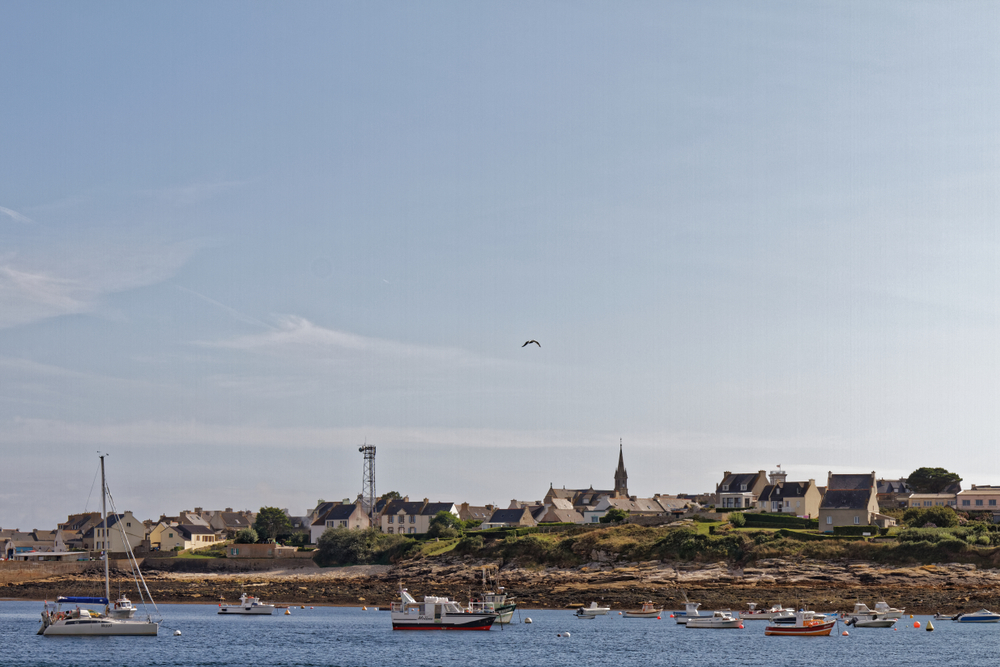
Between the mainland and Ushant, the Molène archipelago comprises around twenty islands and islets, of which only the main island is inhabited. This small Breton island, barely 1 kilometre long, is home to around 200 inhabitants who live mainly from fishing and tourism. Molène is part of the Iroise Natural Marine Park, a guarantee of the preservation of its exceptional environment.
The character of Molène is forged in the adversity of the elements. The waters around the archipelago alternate between crystalline calm and furious churning, depending on the tides and currents. The village, concentrated around the harbour, is made up of low houses with coloured shutters that resist the onslaught of the wind. A cistern donated by Queen Victoria in the 19th century is a reminder of the help given by the Molenais when an English ship was wrecked.
The nearby island of Quéménès is well worth a visit. This piece of land is inhabited by a single couple who run an organic farm that is self-sufficient in energy, a testament to an island lifestyle that respects the environment. Sea links to Molène run from Brest or Le Conquet all year round, with occasional departures from Camaret or Lanildut.
11. Ile d’Arz, the discreet pearl of the gulf

Neighbouring Ile aux Moines but much less popular, Ile d’Arz is a peaceful alternative for exploring the islands of the Gulf of Morbihan. Its lush green banks plunge gently into the calm waters of the gulf, creating bucolic landscapes of rare beauty. The island covers an area of 3.3 square kilometres and can be explored on foot or by bike.
The long beaches of Ile d’Arz are naturally sheltered from the wind, providing ideal conditions for swimming and water sports. The main town is home to some fine captains’ houses, testimony to the time when many sailors from the merchant navy took up residence on this Breton island. Today, the École des Glénans trains the sailors of tomorrow.
The Berno tide mill, the oldest in the Gulf of Morbihan still in working order, illustrates the ingenuity of the islanders of yesteryear. The coastal paths offer fabulous panoramic views of the gulf and its countless islets. The pointe de Liouse offers an exceptional view of the gulf. The island of Arz is accessible by boat all year round from the port of Séné, and from Vannes during the high season.
12. Gavrinis, the megalithic treasure of Morbihan
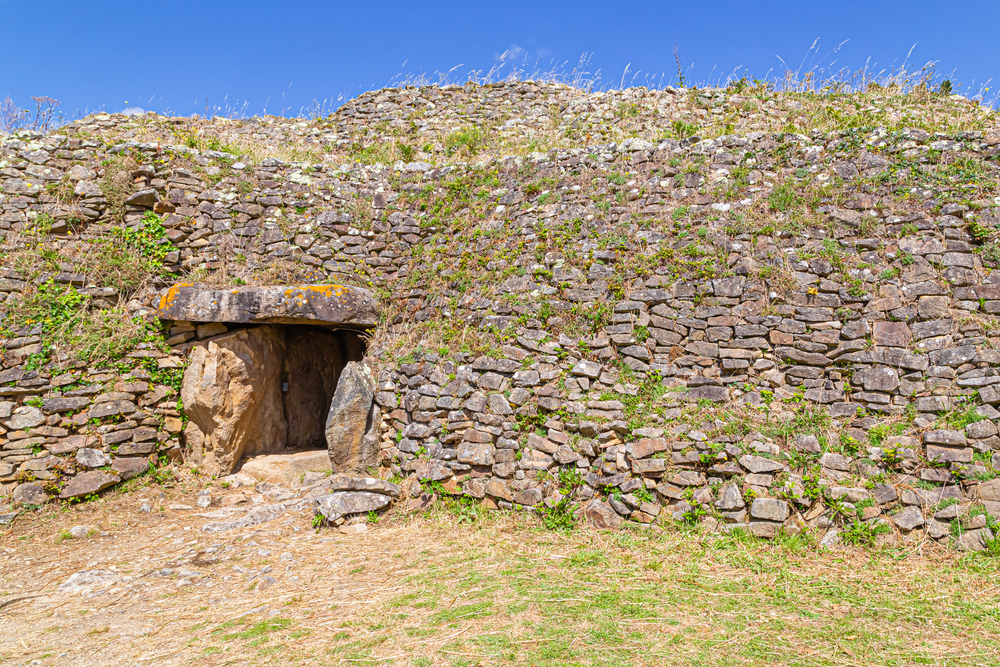
In the heart of the Gulf of Morbihan, the tiny island of Gavrinis is home to one of the most beautiful megalithic sites in the world. This small Breton island, virtually unknown to the general public, is home to an exceptional cairn dating back to the Neolithic period, some 4,000 years BC. At 33 metres above sea level, the funerary monument is the highest point in the gulf.
The Gavrinis cairn is impressive for the exceptional quality of its engravings. Twenty-three of the twenty-nine slabs are decorated with geometric motifs of remarkable finesse: spirals, crosses, axes, chevrons… These engravings are among the finest in European megalithic art. The 14-metre-long corridor leads to a burial chamber where high-ranking figures were once laid to rest.
Gavrinis Island is a protected site, so visits must be accompanied by a guide and bookings must be made in advance. Departures are from the port of Larmor-Baden, with options from Vannes in high season. Combined tickets for other megalithic sites are available from Port-Navalo or Locmariaquer, so you can combine the discovery of several of Morbihan’s prehistoric treasures.
In conclusion, the Breton islands are exceptional destinations for those seeking authenticity, scenic beauty and a change of scenery. Each has its own unique character, forged by history, geography and the action of the elements. Whether you’re a hiking enthusiast, a history buff, a fan of lounging on heavenly beaches or simply in search of tranquillity, you’ll find the island that suits you best among the twelve most beautiful Breton islands. Don’t hesitate to extend your stay to discover several of these island gems and soak up the very special atmosphere that reigns on these exceptional lands. Brittany awaits you for an unforgettable getaway on the water, between maritime tradition and unspoilt nature.
Frequently asked questions
Which is the most beautiful island in Brittany to visit?
Belle-Île-en-Mer is often considered the most beautiful island in Brittany, thanks to its exceptional diversity of landscapes, spectacular cliffs and dreamy beaches. However, Bréhat has a Mediterranean climate and flower-filled gardens, while Ouessant fascinates with its wild character. The choice depends on your preferences: each Breton island has its own unique charm.
How do I get to the Breton islands?
Access to the Breton islands is mainly by boat from various ports along the coast. Shipping companies run regular services, some all year round, others only during the tourist season. Ushant can also be reached by plane from Brest airport. It is advisable to book your tickets in advance, particularly in high season.
When is the best time to visit the Breton islands?
The best time to discover the Breton islands is from May to September. Spring offers the advantage of nature in flower, particularly on Bréhat and the island of Batz, with a moderate number of tourists. July and August offer plenty of sunshine, but attract more visitors. Autumn offers a more peaceful atmosphere, and the weather is still mild.
Is it possible to visit several Breton islands in the same holiday?
It’s perfectly possible to combine a visit to several of Brittany’s islands during the same holiday. The islands in the Gulf of Morbihan (Ile aux Moines, Ile d’Arz) can easily be visited in one day each. Houat and Hoëdic can also be discovered on successive excursions from Quiberon. For the more remote islands such as Belle-Île, Groix, Ouessant and Bréhat, allow at least two days per island to get the most out of them.
Are the Breton islands accessible by car?
Car traffic is highly regulated or even banned on most of the Breton islands. Bréhat, Île aux Moines, Houat and Hoëdic are completely car-free (except for residents and professionals). On Belle-Île, Groix and Ouessant, you can bring your own car, but it’s best to hire one locally. Cycling and walking are the best ways to discover these unspoilt islands and fully appreciate their charm.
200 audioguided tours for cities all around the world
Download