Descubre el circuito para visitar Montpellier
Una navegación interactiva
19 audioguías divertidas

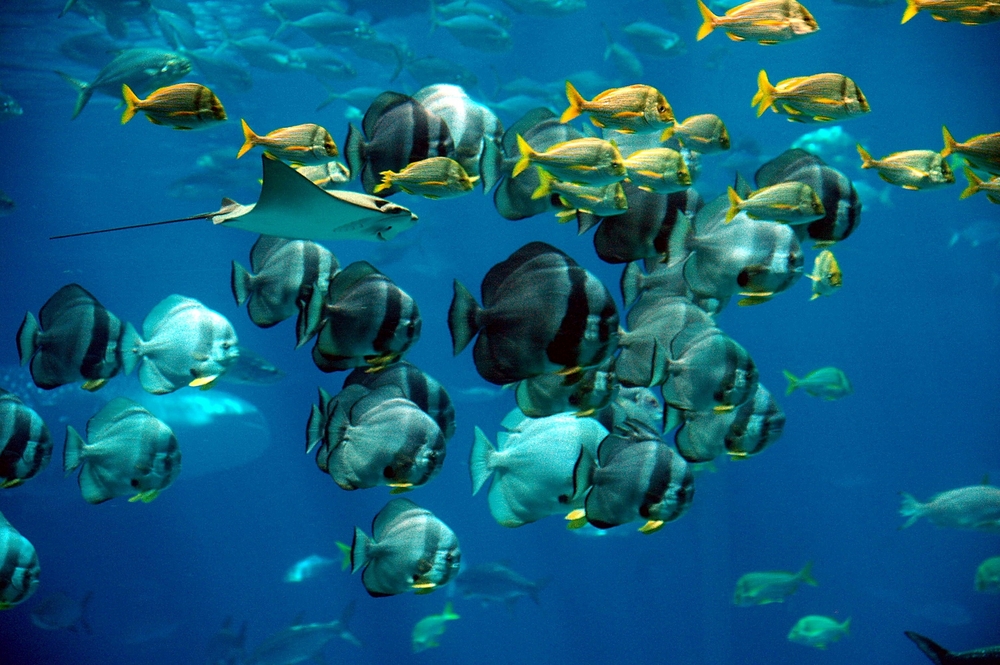

Located in the Petite Camargue on the shores of the Mediterranean, the Seaquarium in Le Grau-du-Roi is one of the most fascinating aquariums in the south of France. This centre for scientific culture offers an exceptional immersion in the marine world, with over 200 species of Mediterranean and tropical fish, around twenty species of shark, seals and sea lions. Whether you’re passionate about the aquatic world or looking for an enriching family outing, this visit promises memorable discoveries just a stone’s throw from the seaside resort of Le Grau-du-Roi.
Una navegación interactiva
19 audioguías divertidas
You can also read about the region in our guide:
The Seaquarium Institut Marin du Grau-du-Roi covers more than 2,400 m² and houses an impressive collection of marine life in 33 tanks containing almost 3 million litres of water. Inaugurated in 1989, the aquarium has gradually established itself as a major player in raising awareness of the need to protect the oceans. Recognised in 2024 as a centre of scientific culture, it combines wonder and education to help visitors discover the riches of the Mediterranean and tropical seabed.
The establishment stands out for its educational approach and its commitment to marine conservation. The CESTMed (Centre d’Études et de Sauvegarde des Tortues Marines de Méditerranée), part of the Seaquarium since 2003, cares for and rehabilitates injured sea turtles before releasing them back into their natural environment. This scientific dimension makes for a much richer visitor experience.
The Seaquarium adapts its opening times to suit the seasons, to welcome visitors all year round. During the summer months, particularly from 10 July to 31 August, the aquarium extends its opening hours until 11.30pm, so that families can enjoy an evening visit in a more intimate atmosphere. In winter, from October to March, opening times are shorter, from 9.30am to 6.30pm.
It’s important to note that the Seaquarium closes every year, usually in January, to carry out the maintenance work necessary for the well-being of the animals and the upkeep of the facilities. The last admission is always one hour before closing time. To plan your visit as well as possible, check the opening times on the official website before you go.
The Seaquarium’s prices remain affordable, allowing as many people as possible to discover the wonders of marine life. Tickets for adults (aged 16 and over) cost €17, while children aged 5 to 15 benefit from a reduced rate of €12.50. Toddlers under 5 get in free, making it an economical family outing.
A reduced rate of €15 is available for students, secondary school pupils and people with disabilities on presentation of proof. For large families, the family pass (2 adults + 2 children) costs €53.50 and is a great value option. Regular visitors can opt for the Seaq Pass, an annual pass offering unlimited access at a cost of €32 for adults and €22 for children.
Allow between 2 and 2? hours to explore the whole of the Seaquarium at your leisure. This time will allow you to fully appreciate each themed area, watch the animals being fed and enjoy the interactive exhibits. Families with young children will need a little more time to take breaks and allow the little ones to absorb all the discoveries.
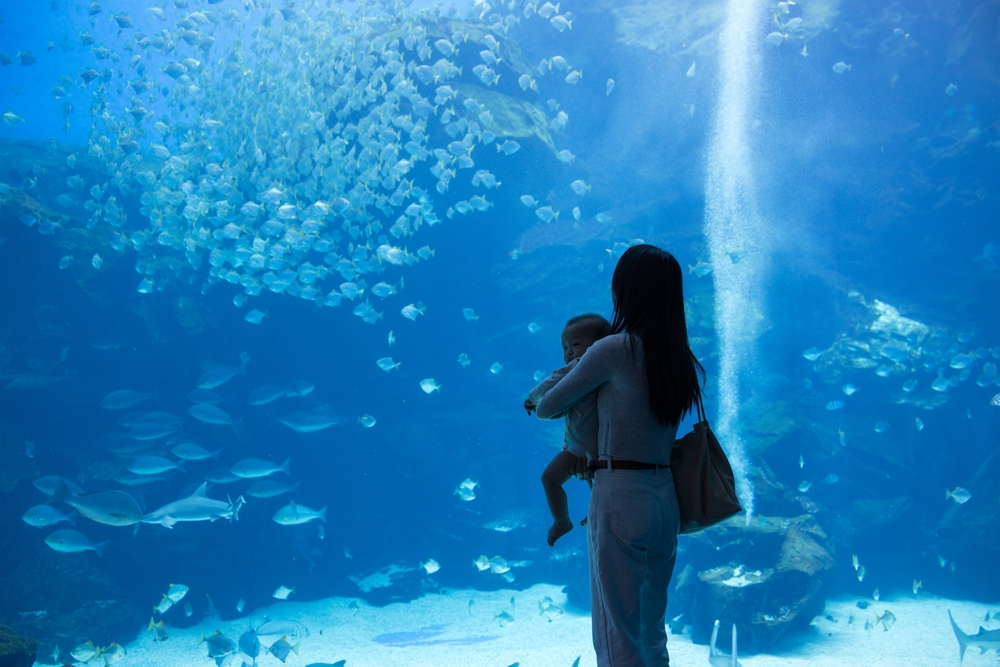
The Requinarium is the Seaquarium’s star attraction. This 1,000 m² area on two levels is entirely dedicated to these fascinating predators. The highlight of the visit is undoubtedly the 25-metre-long panoramic tunnel, where you can literally walk beneath the sharks. This glass walkway offers a 360° view of the giant tank containing more than 25 species of shark, including the impressive bull sharks.
As well as providing a visual spectacle, the Requinarium fulfils an essential educational mission by demystifying these often unloved animals. Explanatory panels detail their biology, their crucial role in the marine ecosystem and the threats to their survival. Visitors discover that sharks are much more threatened by man than they are by sharks, and this is an important step towards their conservation.
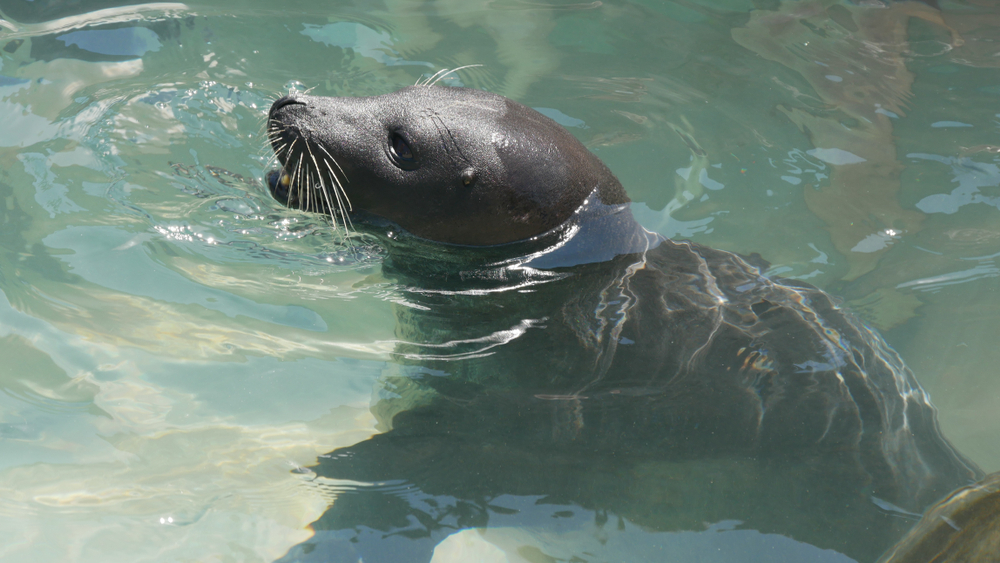
The outdoor pools are home to seals and sea lions in an environment adapted to their needs. Watching these marine mammals move gracefully in the water or bask in the sun is always a moment of wonder. Feeding sessions with commentary, organised several times a day, allow visitors to learn more about their behaviour, their diet and the conservation programmes they are involved in.
The Seaquarium’s care team looks after the daily well-being of these animals and participates in research programmes on marine mammals. These feeding sessions are also a time of enrichment for the animals, stimulating their physical and cognitive abilities. Don’t forget to check the schedule of events on your arrival to make sure you don’t miss anything.
Espace Méditerranée celebrates the often little-known riches of our sea. From moray eels and gilthead bream to sars and groupers, you can discover the unsuspected diversity of species that inhabit our coasts. These carefully reconstructed tanks reproduce the different Mediterranean habitats: Posidonia meadows, rocky bottoms and sandy areas.
This section also raises awareness of the ecological issues threatening the Mediterranean: pollution, overfishing and global warming. By presenting these local species, the Seaquarium reminds us of the importance of preserving this fragile ecosystem, which is part of our natural heritage. After your visit, you’ll be able to look at the Mediterranean with new eyes when you go swimming at Grau-du-Roi.
There’s a radical change of scenery in the tropical section, which transports you into the colourful world of coral reefs. Clownfish, surgeonfish and butterflyfish move among the living corals in an explosion of colour. These tanks recreate the conditions of reefs all over the world, from the Red Sea to the Pacific Ocean.
The aquarium highlights the fragility of these ecosystems, which are among the richest but also the most threatened on the planet. Coral bleaching, a direct consequence of global warming, is explained in an accessible way. This immersion in the tropical world is a particularly popular moment of contemplation for visitors of all ages.
The Turtle Museum offers a comprehensive tour of the evolution and diversity of marine and terrestrial turtles. This educational area traces their history over millions of years and presents the different species that exist today, from the leatherback turtle to the green turtle. Interactive displays give children a fun way to understand the life cycle of these fascinating reptiles.
The visit to MuséoTortue takes on an even more concrete dimension thanks to the presence of CESTMed. You can go behind the scenes of the care centre and find out how injured turtles are cared for before being released back into the sea. This hands-on approach to conservation means that the Seaquarium’s mission is much more than just a show.
The Seaquarium is located at the following address: 675 Avenue du Palais de la Mer, 30240 Le Grau-du-Roi(rated 4.3/5 on Google for over 9,000 reviews). Located on the left bank of the seaside resort, in the direction of Port-Camargue, the aquarium is easily accessible from the centre of Le Grau-du-Roi, around 10 minutes on foot.
By car, from the A9 motorway, take exit 26 towards Gallargues, then follow the D979 towards Le Grau-du-Roi. Free 2-hour parking is available for visitors, which should be more than enough time to enjoy your visit. In high season, arrive early to find a space easily. For those who prefer public transport, there are bus services to the resort from Montpellier and Nîmes.
Download the audio-guided tour to discover Montpellier on foot and on your own
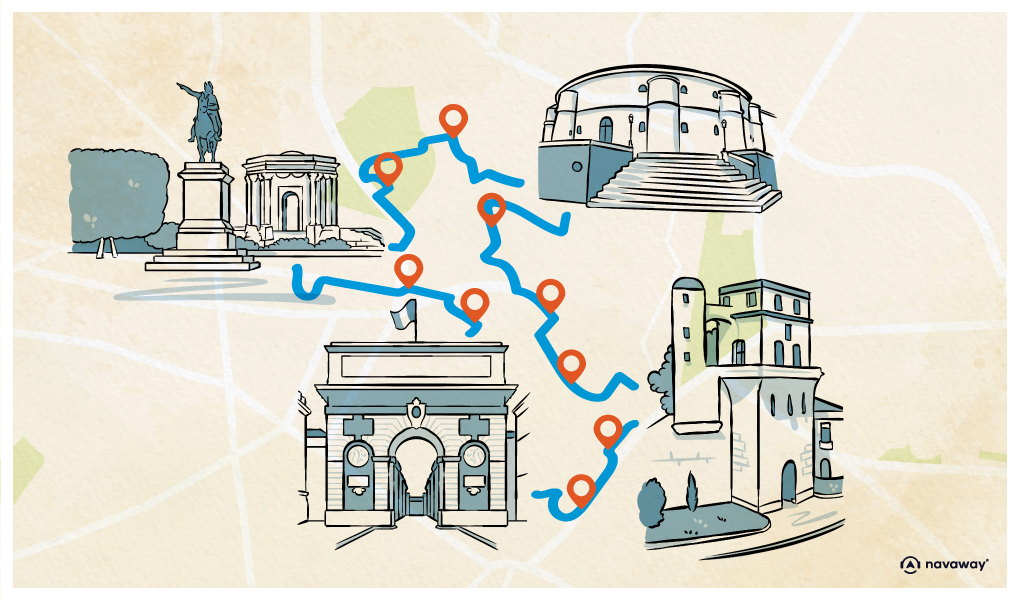
Make the most of your stay in the Gard to visit Montpellier, just 30 minutes from Le Grau-du-Roi. The capital of the Hérault region is packed with architectural and cultural treasures to discover on a guided tour. The Navaway app offers you a 3.5km audio-guided itinerary with 19 points of interest to explore the historic heart of the “Surdouée”. From the Place de la Comédie to the Arc de Triomphe, via the medieval streets of the Écusson, let yourself be guided into the secrets of this dynamic Mediterranean city.
To make the most of your experience at the Seaquarium, choose a visit in the morning or at the end of the day to avoid the crowds. Weekends and school holidays logically attract more people, so if you have the flexibility, opt for a weekday visit. Don’t forget to book your tickets online on the official website, so that you can benefit from unrestricted access and, in some cases, preferential rates.
Wear comfortable shoes, as the tour route is several hundred metres long. It is not possible to eat inside the aquarium, but there are plenty of restaurants and snack bars in the immediate vicinity where you can grab a bite to eat before or after your visit. The aquarium is fully accessible to disabled visitors and pushchairs.
The Seaquarium is the perfect addition to a full day out in Le Grau-du-Roi. After your immersion in the marine world, continue your discovery of the region by visiting the Espiguette beach, a wild stretch of fine sand considered to be one of the most beautiful beaches in France. Nature lovers will also appreciate a walk in the nearby Camargue to observe the pink flamingos in their natural habitat.
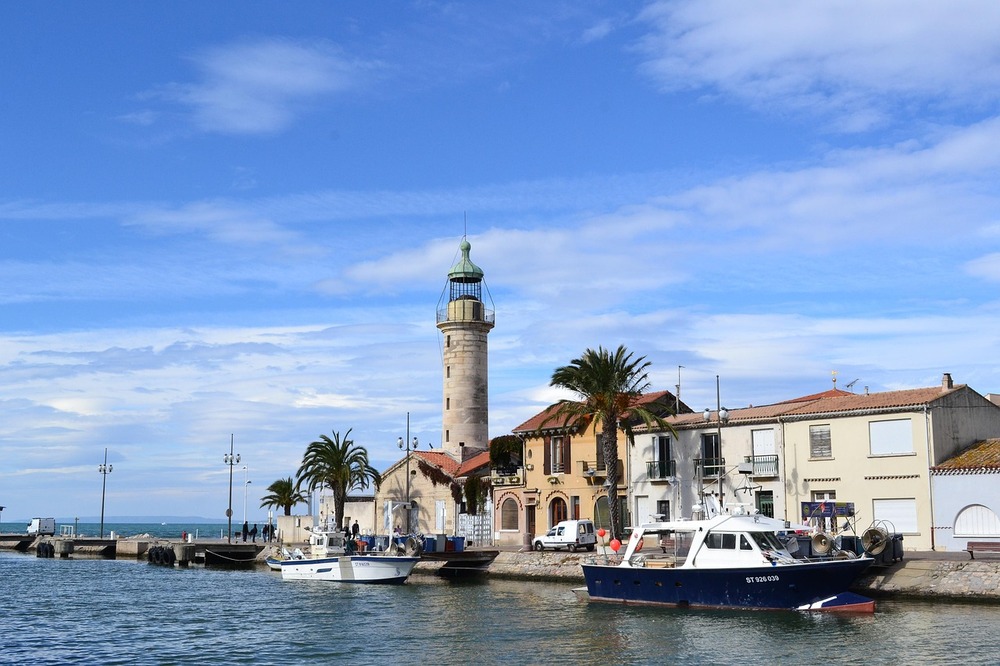
The port of Le Grau-du-Roi is also well worth a visit, with its colourful fishing boats and fresh fish restaurants. For families, the Espiguette lighthouse offers a fun climb with a panoramic view of the coast and the ponds of the Camargue. If you want to explore the region further, don’t hesitate to visit the Camargue, with its age-old traditions and unique landscapes.
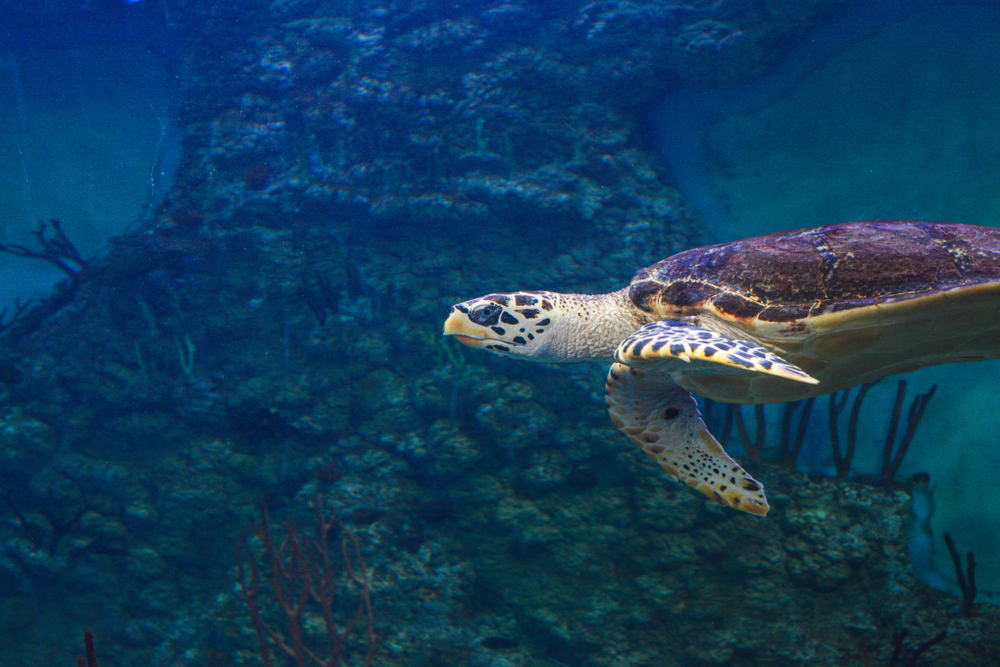
As well as raising public awareness, the Seaquarium is actively involved in protecting endangered marine species. Every year, the CESTMed, the aquarium’s integrated care centre, takes in and cares for injured sea turtles in the Mediterranean before releasing them once they have recovered. This work is accompanied by scientific research programmes to better understand and protect these emblematic species.
The aquarium also participates in international shark conservation programmes, working with renowned institutions to study their physiology and the threats to their survival. By visiting the Seaquarium, you are indirectly contributing to these conservation efforts, as part of the proceeds are reinvested in these programmes. This ethical dimension adds to the appeal of a visit that combines pleasure, discovery and civic commitment.
Le Grau-du-Roi and the surrounding area offer plenty of activities to extend your stay. History buffs can explore Aigues-Mortes, a remarkably well-preserved fortified medieval town just 10 minutes away by car. Its listed ramparts offer panoramic views over the salt marshes and the Camargue. The Aigues-Mortes salt marshes themselves make a fascinating visit, with their basins changing colour according to the concentration of salt.
For water sports enthusiasts, Port-Camargue, Europe’s largest marina, offers a wide range of activities including sailing, paddle-boarding, jet-skiing and sea excursions. The straw huts along the beach invite you to relax with your feet in the sand and savour the local specialities. If you’d like to discover more of the department’s wonders, take a look at our complete guide to the Gard and its must-sees.
In conclusion, the Grau-du-Roi Seaquarium is much more than just an aquarium: it’s a genuine invitation to travel to the depths of the sea, a place of wonder and ecological awareness. Between the breathtaking shark tunnel, the playful seals, the colourful tropical fish and the concrete commitment to saving the sea turtles, every visitor comes away enriched and aware of the fragile beauty of our oceans. Whether you’re on holiday with the family, as a couple or with friends, this must-see stop on the Gard coastline is well worth a visit. Make the most of your stay in the region to explore the authentic charms of the Camargue and let yourself be guided by the Navaway itineraries in Montpellier for a complete discovery of the area.
The Seaquarium is open all year round, with the exception of an annual closure in January for maintenance and upkeep of the facilities. It is advisable to check the specific opening times on the official website before your visit, as they vary according to the season.
In 2026, the adult rate will be €17, the child rate (5-15 years) €12.50 and admission will be free for children under 5. A family pass (2 adults + 2 children) is available for €53.50. Reduced rates are available for students, secondary school pupils and the disabled.
Allow between 2 and 2? hours to take full advantage of all the Seaquarium’s facilities. This allows you to observe all the tanks at your leisure, watch the feeding sessions with commentary and discover the interactive exhibits without hurrying.
Yes, the Seaquarium is home to a MuseoTortue, which presents different species of turtle. In addition, the CESTMed care centre, part of the aquarium, takes in and cares for injured sea turtles. Depending on the season, you may be able to observe these temporary residents before they are released back into the wild.
Yes, all the Seaquarium’s facilities are accessible to disabled visitors and pushchairs. The walkways are wide enough and lifts provide access to the different levels of the Requinarium.
Yes, the Seaquarium has a large car park with 2 hours’ free parking, which more than covers the average visit. There is a small additional car park directly in front of the aquarium, but spaces are more limited, especially in high season.
Yes, you may photograph and film freely during your visit for personal use. However, the use of flash is not recommended as it can stress the animals. The light conditions in the ponds generally allow good photos to be taken without flash.
Feeding times with commentary for seals, sea lions and other species vary from day to day and from season to season. We advise you to ask at the Seaquarium reception desk when you arrive to find out about the day’s programme and make sure you don’t miss any of the activities.
200 audioguided tours for cities all around the world
Download