Rome in 3, 4 or 5 days: itineraries

Whether you’re looking for a long weekend or a well-deserved break, Rome in 3, 4 or 5 days is enough to make you fall hopelessly in love with the Eternal City. The Colosseum, the Roman Forum, the Vatican, the Trevi Fountain, Trastevere… in just a few square kilometres, the Italian capital has one of the densest historical and artistic heritages in the world. But how can you organise a trip to Rome without getting lost or missing out on the must-sees? That’s precisely what this guide is all about.
Visiting Rome in 3, 4 or 5 days requires careful planning: there are many monuments to see, the queues can be long and the distances, although reasonable on foot, need to be anticipated. To help you make the most of each day, we have designed progressive itineraries, from the minimum three-day programme to the more confidential discoveries reserved for five-day stays. Visiting Rome has never been easier.
Whether you’re a fan of ancient history, a lover of Baroque art, a gourmet in search of the best carbonara or simply curious to wander through alleys steeped in history, Rome has something for everyone. Follow the guide!
Also read the Rome guide:
- 9 wonders of ancient Rome to discover
- 12 free things to do and see in Rome
- 14 must-see museums in Rome
- The Trevi Fountain in Rome, everything you need to know to discover and see it!
- Top 14 culinary specialities in Rome
- Natale di Roma: the anniversary of the birth of Rome
- Visiting the Vatican in Rome: prices and practical information
- Visit Hadrian’s Villa near Rome
- St Peter’s Square in Rome, the Vatican’s most famous square
- Top 7 best hotels in Rome
- What to do in Rome Top 8 activities and tips
1. Rome in 3 days: the essentials of the Eternal City
Three days in Rome is both short and long enough to capture the essence of the city. As long as you plan your days well, it’s perfectly possible to discover the most emblematic monuments of the immortal city without sacrificing quality for quantity. Here’s our Rome in 3 days itinerary, designed to alternate major historic sites with moments of Italian indulgence.
Day 1: Ancient Rome, between the Colosseum and the Capitol
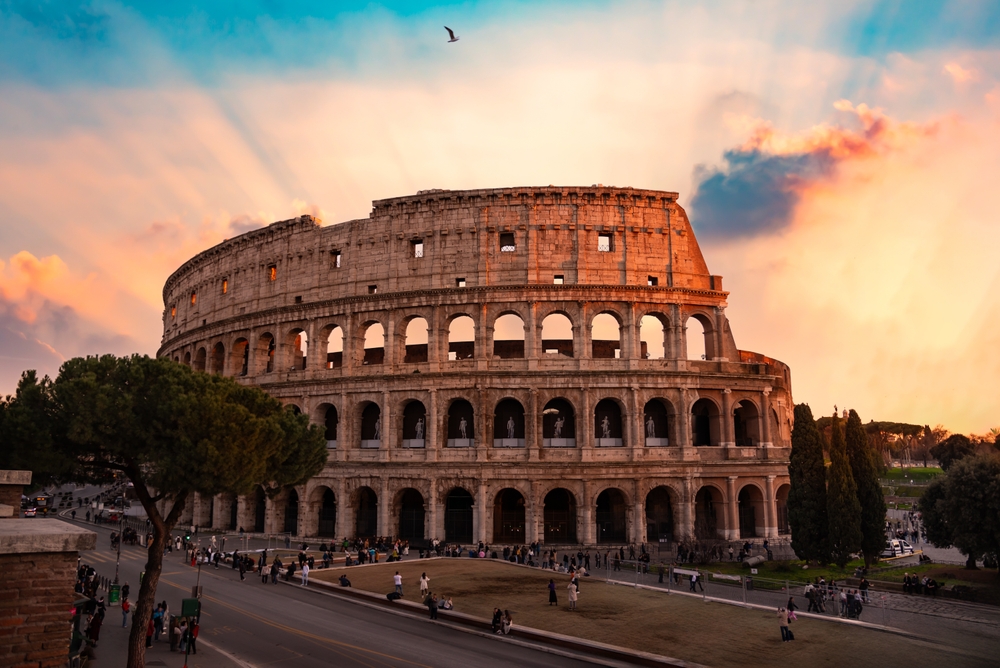
The first day of your stay in Rome is naturally devoted to ancient Rome, the city that has shaped the history of the Western world for millennia. Get up early – ideally before 8am – to be among the first to enter the gates of the Colosseum, Rome’s most emblematic monument. This Flavian amphitheatre, inaugurated in 80 AD under the Emperor Titus, could hold up to 50,000 spectators who came to watch gladiator fights and wild animal hunts. Its four levels of superimposed arcades bear witness to the extraordinary architectural mastery of Roman engineers. Make sure you book your tickets online several days in advance, especially in high season.
Right next to the Colosseum stands the Arch of Constantine, commissioned by the Roman Senate in 315 to celebrate the emperor’s victory over Maxentius. Take time to admire the finely sculpted bas-reliefs before heading for the Roman Forum, the political and religious heart of ancient Rome. Temples of Saturn and Vesta, Arch of Titus, Basilica of Maxentius… every stone here tells the story of two thousand years of history. The Forum is accessible with the same combined ticket as the Colosseum, which also includes Mount Palatine, the legendary hill where, according to tradition, Romulus founded Rome in 753 BC.
In the afternoon, make your way up to the Capitoline Hill, the smallest of Rome’s seven hills but one of the most symbolic. Piazza del Campidoglio, designed by Michelangelo, offers a breathtaking view of the ruins of the Forum. Take the opportunity to walk along the panoramic footbridge over the Imperial Forums, which offers a breathtaking view of the Via dei Fori Imperiali and the remains of Trajan’s Forum with its famous Trajan column. Finish the day with a visit to the Circus Maximus, the ancient chariot racing track 620 metres long that could hold 300,000 spectators.
Download the audio tour to discover Rome on foot and on your own
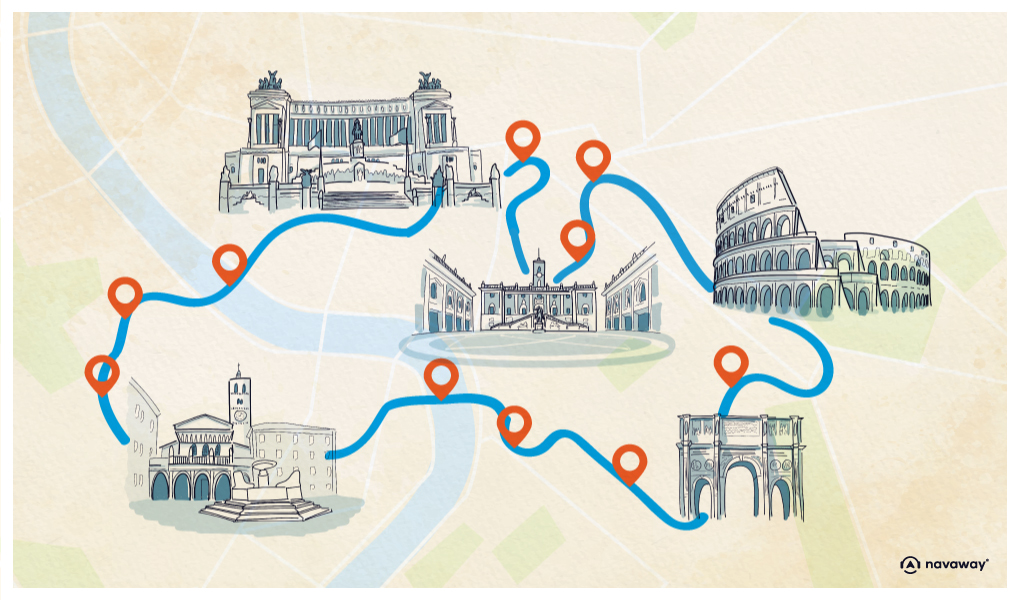
For an even richer experience of your first day in Rome, download the Navaway audio tour of Rome. This 7.3 km walking itinerary guides you through 23 points of interest – from the Colosseum to Trastevere and the Imperial Forums – with fascinating historical commentary and anecdotes delivered straight into your earpiece. No group, no time constraints: you explore the Eternal City at your own pace, in complete freedom. An ideal way to start your stay in Rome in 3, 4 or 5 days.
Day 2: Centro storico, Trevi Fountain and Castel Sant’Angelo
The second day of your Rome itinerary takes you through the historic centre, with its majestic Baroque squares, famous fountains and secret alleyways. Start with the steps of the Trinità dei Monti and the Piazza di Spagna (Piazza di Spagna, 00187 Rome – rated 4.7/5 on Google with over 100,000 reviews), one of the most photographed squares in Rome. These 135 travertine steps offer a beautiful panoramic view of the city centre.
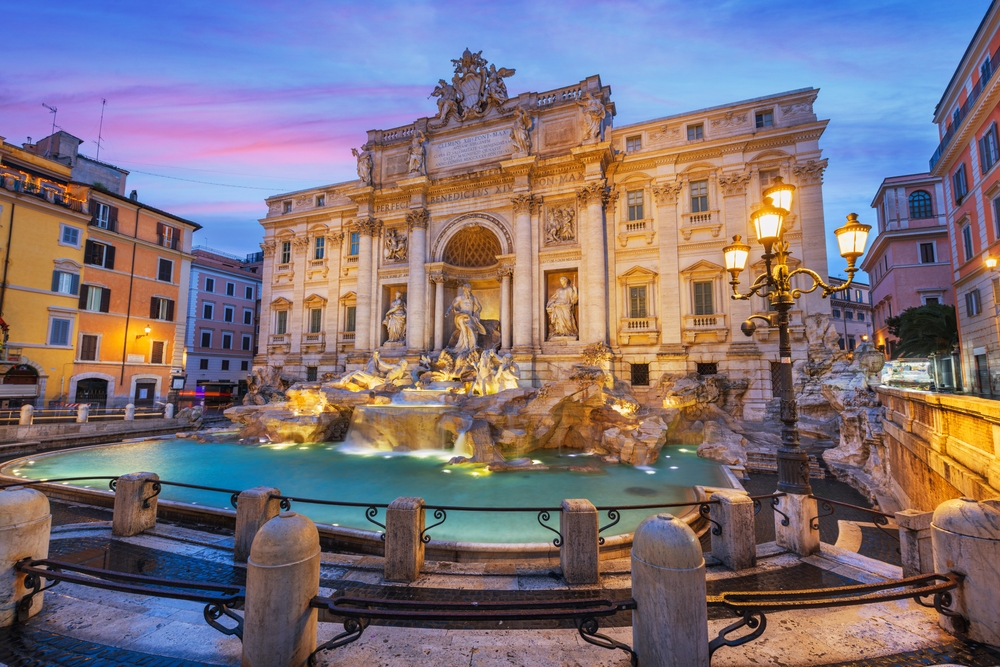
The next stop is the Trevi Fountain, the most famous Baroque monument in the world. 26 metres high and 49 metres wide, this 18th-century work of art features Neptune surrounded by sea horses and tritons. Don’t forget to toss a coin over your left shoulder: tradition has it that this will guarantee your return to Rome! Before leaving the area, enter the Pantheon (Piazza della Rotonda, 00186 Rome – rated 4.7/5 on Google for over 200,000 reviews), a temple built under Hadrian in the 2nd century whose 43-metre dome remains a unique architectural feat. The oculus – the 9-metre circular opening at the top – is the building’s only source of natural light.
After lunch in the Campo de’ Fiori (Piazza Campo de’ Fiori, 00186 Rome – rated 4.5/5 on Google out of over 50,000 reviews), a lively square with a colourful market every morning, head for Piazza Navona. Built on the site of Domitian’s old stadium, this 240-metre oval square is home to three Baroque fountains, including Bernini’s spectacular Fountain of the Four Rivers. The atmosphere here is always lively, with street artists, open-air painters and strollers from all walks of life.
In the late afternoon, cross the Tiber over the Ponte Sisto or Ponte Sant’Angelo, lined with statues of angels sculpted by Bernini, to reach Castel Sant’Angelo (Lungotevere Castello 50, 00193 Rome – rated 4.6/5 on Google for over 100,000 reviews). This former mausoleum of the Emperor Hadrian, successively transformed into a fortress and a state prison, offers one of the finest views of Rome from its upper terraces. Ideally visited at the end of the day, when the golden light illuminates the roofs of the Eternal City.
Don’t hesitate to let yourself be guided throughout the day by theNavaway audio-guided itinerary “From Trevi to the Vatican”, which covers 8.4 km and includes 24 audio commentaries linking the most beautiful points in the historic centre to the gates of the Vatican.
Day 3: The Vatican, the Sistine Chapel and St Peter’s Basilica
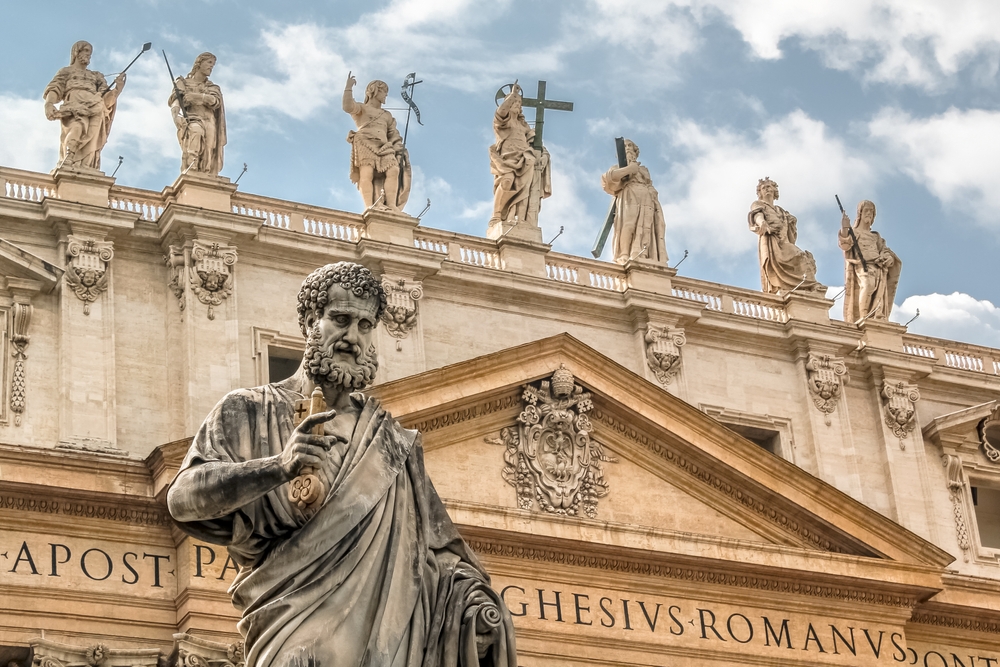
The third and final day of your Rome in 3 days itinerary is devoted entirely to the Vatican, the world’s smallest sovereign state, enclosed within Rome. Be sure to book your tickets for the Vatican Museums several weeks in advance: this is one of the most visited sites on the planet, with almost 6 million visitors a year, and queues without a reservation can exceed three hours. Ideally, the visit begins as soon as the museum opens (9am on weekdays).
The Vatican Museums house 26 collections spread across several apostolic palaces. Among the must-sees are the Gallery of Geographical Maps, a 120-metre corridor lined with topographical maps painted in the 16th century, and Raphael’s Rooms, four rooms adorned with gigantic frescoes commissioned by Pope Julius II. The highlight of the show is, of course, the Sistine Chapel (Vatican City, 00120 – rated 4.8/5 on Google for over 80,000 reviews), whose ceiling, painted by Michelangelo between 1508 and 1512, depicts nine scenes from Genesis, including the famous Creation of Adam. The Last Judgement, on the altar wall, completes this absolute masterpiece of the Renaissance.
After the museums, make your way to St Peter’s Square and its elliptical colonnade by Bernini – one of the largest squares in the world at 340 metres long. Then enter St Peter’s Basilica, the largest church in Christendom. Entry is free but subject to a strict dress code (shoulders and knees covered). Inside, don’t miss Michelangelo’s Pietà, sculpted in 1499 when the artist was just 24, or Bernini’s bronze baldachin over St Peter’s tomb. For the more courageous, the climb to the top of the dome (547 steps or partial lift) rewards you with an extraordinary panoramic view of Rome.
In the evening, after a day filled with artistic and spiritual emotions, treat yourself to dinner in the Prati district, right next to the Vatican, where there are many authentic trattorie and prices are more reasonable than in the historic centre.
2. Rome in 4 days: heading for the Villa Borghese and the Roman hills
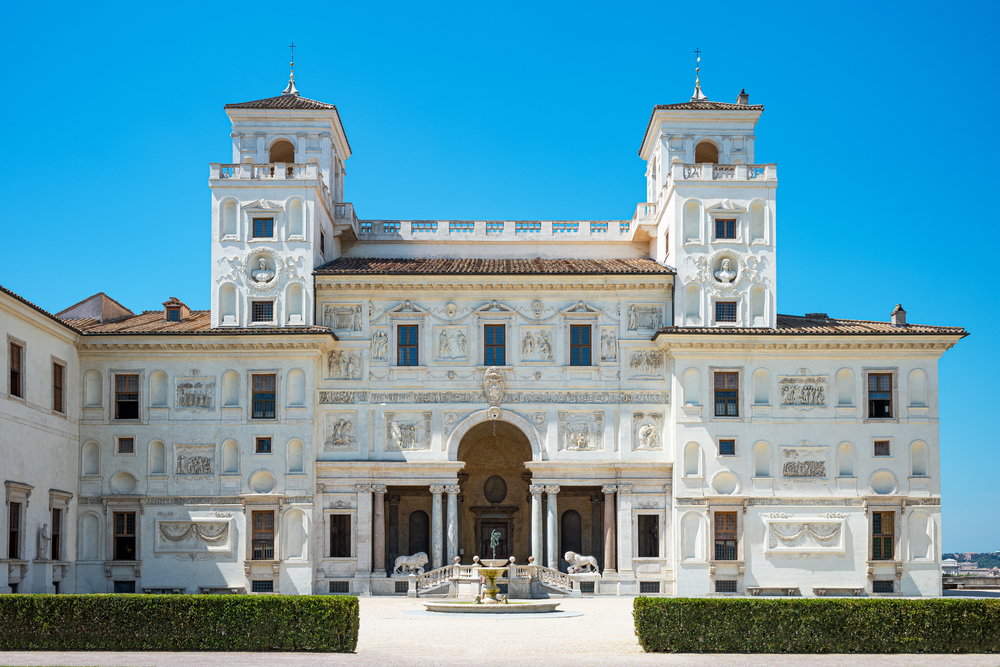
Are you lucky enough to have a fourth day for your stay in Rome? Take advantage of it to leave the crowds of the historic centre for a moment and recharge your batteries in one of Europe’s most beautiful parks. The Rome in 4 days itinerary is enriched by a day devoted to the Villa Borghese, the Borghese Gallery and the panoramic views from the Roman hills.
Day 4: Villa Borghese, Borghese Gallery and Pincio Terrace
Start day four with a visit to the Galleria Borghese (Piazzale Scipione Borghese 5, 00197 Rome – rated 4.7/5 on Google for over 40,000 reviews), one of the most extraordinary museums in the world. Visits are limited to 360 visitors every two hours: make sure you book your slot several weeks in advance, as tickets go very quickly. Inside, you’ll discover some of the most famous masterpieces of Baroque sculpture, signed by Bernini: theApollo and Daphne, the David and theAbduction of Proserpine rival each other in virtuosity. Among the paintings, Caravaggio, Raphael, Titian and Rubens make up a collection of rare quality.
After the gallery, stroll through the park of Villa Borghese (Piazzale Napoleone I, 00197 Rome – rated 4.7/5 on Google for over 70,000 reviews), Rome’s largest green space at 80 hectares. This English-style landscaped park features lanes shaded by umbrella pines, an artificial lake with boat hire, the Temple of the Nymphs, and several museums including the Villa Medici, home to the French Academy in Rome. The atmosphere is peaceful and bright, ideal for a well-deserved break in the middle of a busy stay in Rome.
In the late afternoon, climb up to the Pincio terrace, to the north of the park, to enjoy one of the most beautiful panoramic views of Rome – even more spectacular at sunset. On the way down, you’ll pass the Acqua Paola fountain, the most monumental in Rome, commissioned by Pope Paul V to supply the Vatican with water. If you’re travelling with the family, a trip to Bioparco, Rome’s historic zoo located in the park (open since 1911, one of the oldest in Italy), will delight the youngest visitors. To round off the day in style, head to Via Veneto for a typically Roman aperitivo in one of its many elegant cafés.
This fourth day is also an opportunity to let yourself be guided by the Navaway audioguided itinerary to explore the less touristy areas of Rome, those that reveal the true soul of the immortal city, far from the usual tours.
3. Rome in 5 days: three options for exploring Rome in greater depth
Five days in Rome is a luxury that allows you to get off the beaten track and personalise your stay according to your interests. The Rome in 5 days itinerary leaves room for an extra full day, which you can organise in three different ways depending on your travel profile.
Option A: the Capitoline, Trastevere and Bocca della Verità museums
For lovers of history and art, this fifth day begins at the Capitoline Museums, the oldest public museums in the world, founded in 1471. Housed in three Renaissance palaces in Piazza del Campidoglio (designed by Michelangelo), these museums are home to some exceptional collections: the Capitoline She-wolf, the symbol of Rome, the bronze equestrian statue of Marcus Aurelius, Bernini’s statuary group depicting Psyche revived by a kiss of love, and Rubens’ famous painting of Romulus and Remus. Allow at least two hours to enjoy all this.
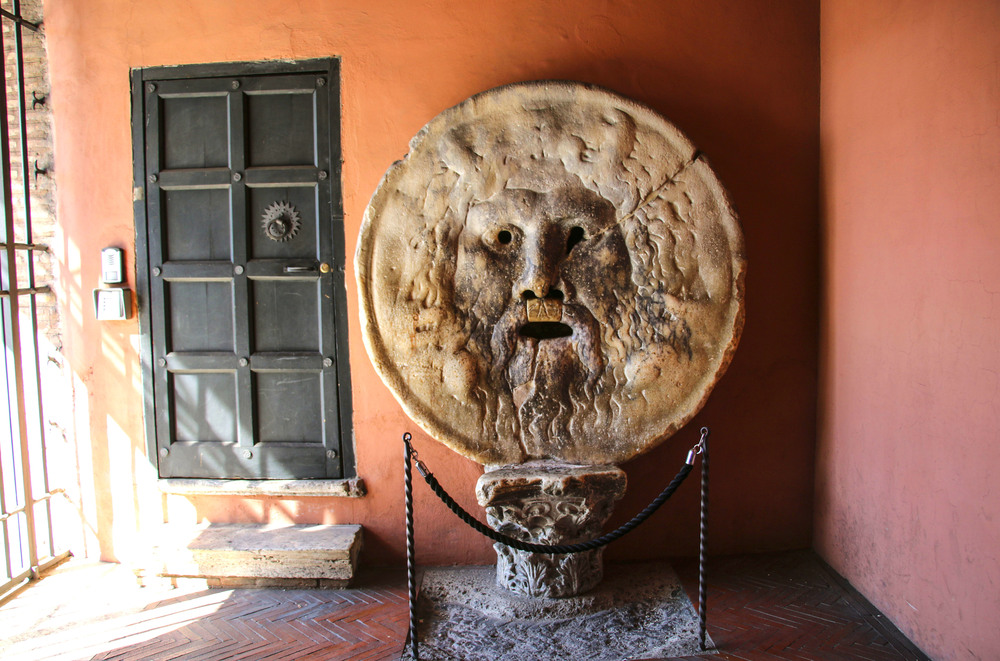
In the afternoon, cross the Tiber over the Palatine Bridge to immerse yourself in the authentic district of Trastevere (literally “beyond the Tiber”). Its cobbled streets, ivy-covered golden facades and lively little squares make it one of Rome’s most charming districts. Don’t miss the Basilica di Santa Maria in Trastevere, one of the oldest Christian churches in Rome, with its striking golden medieval mosaics. On the way, stop off at the Bocca della Verità, the first-century marble mask set in the porch of the church of Santa Maria in Cosmedin and made famous by the film Roman Holiday starring Audrey Hepburn. According to legend, any liar who plunges his hand into it will have it cut off!
In this district you can also discover the Forum Boarium, the ancient ox market of ancient Rome, with its two temples that are among the best preserved in the city, and the Fountain of the Turtles, a Renaissance jewel hidden in a small square in the Jewish ghetto. It’s the perfect day to let yourself be guided by the Navaway app, which will take you step by step through these districts steeped in history.
Option B: A gastronomic day in Roman style
Rome is a city to be savoured with both the eyes and the taste buds. For food lovers, a day devoted entirely to Roman gastronomy is a programme in itself. Start early in the morning at the Campo de’ Fiori market (Piazza Campo de’ Fiori, 00186 Rome), which comes alive at 6.30am with its stalls of seasonal fruit and vegetables, spices and fresh flowers. This is popular Rome in all its authenticity.
At lunchtime, take a seat in a local trattoria to try the emblematic specialities of Roman cuisine: rigatoni all’amatriciana, spaghetti cacio e pepe and, of course, spaghetti alla carbonara – the authentic Roman recipe contains no crème fraîche or peas, unlike the French versions. Rome’s culinary specialities alone deserve an entire article, and you’ll discover the extent of them if you venture outside the highly touristy areas. In the afternoon, treat yourself to a tasting of homemade gelato and explore the Testaccio district, the cradle of popular Roman cuisine, with its famous covered market. End the day in style with an aperitivo on the terrace of a bar overlooking the rooftops of Rome.
Option C: Cinecittà and the Baths of Caracalla, off the beaten track
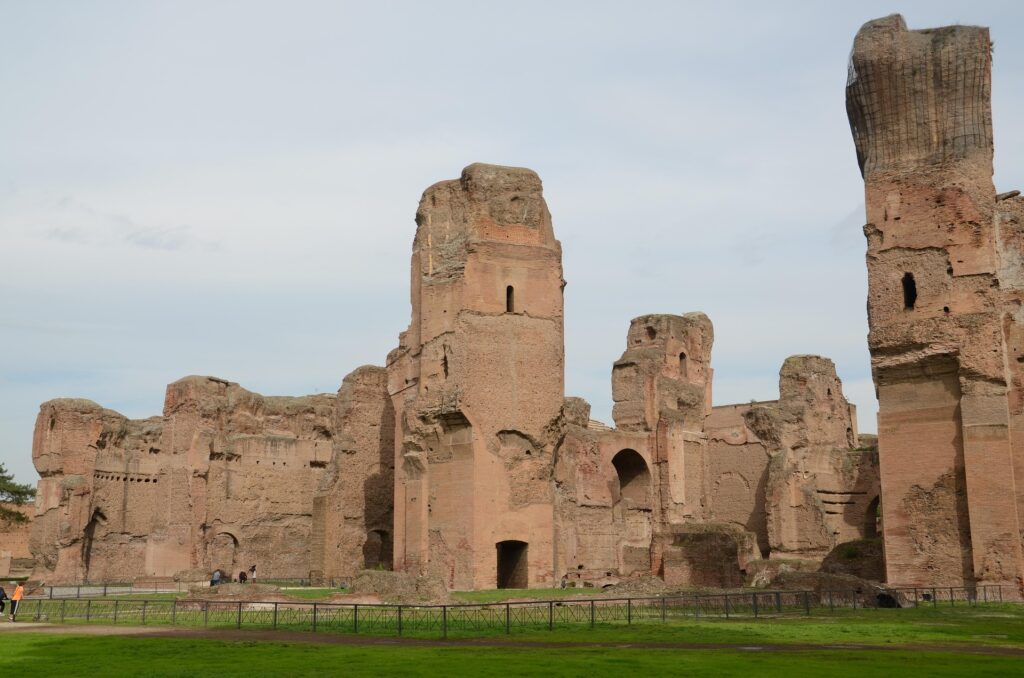
For a more unusual fifth day, why not alternate popular culture with ancient grandeur? Start with the Baths of Caracalla (Viale delle Terme di Caracalla 52, 00153 Rome – rated 4.6/5 on Google for over 40,000 reviews), built between 212 and 216 A.D. These monumental public baths, which could accommodate 1,600 bathers simultaneously in their 130,000 m² rooms, are among the best preserved in Rome. Their imposing ruins – 38 metres high – are one of the Nine Wonders of Ancient Rome. In summer, the site hosts open-air opera performances – an unforgettable experience.
In the afternoon, take the metro to the Cinecittà studios (Via Tuscolana 1055, 00173 Rome – rated 4.5/5 on Google for over 10,000 reviews), Rome’s equivalent of Hollywood. Opened in 1937 under Mussolini, these 21 studios have seen legendary films such as Fellini’s La Dolce Vita, Ben-Hur and Godfather 3. Take a guided tour through the reconstructed sets and learn about the history of Italian cinema through its most glorious moments. An original way to round off your 5-day visit to Rome, far from the usual tourist circuits.
4. Practical tips for organising your stay in Rome
Whether you’re planning a 3-day, 4-day or 5-day visit to Rome, a few organisational rules will help you make the most of your stay without any nasty surprises.
Booking tickets in advance is a must in Rome
Rome welcomes more than 16 million visitors every year, and the main monuments are packed from the moment they open. For the Colosseum, the Vatican Museums, the Sistine Chapel and the Borghese Gallery, online booking is absolutely essential – sometimes several weeks or even months in advance in the high season (March to October). Don’t try to queue on the spot: you’ll lose an entire day. On the first Sunday of the month, many national museums offer free admission, but the crowds are at their highest then.
The Roma Pass, an invaluable ally for your itinerary
If you’re planning to visit a number of paying sites, the Roma Pass (available in 48-hour or 72-hour formulas) gives you free entry, discounts on many museums and unlimited access to public transport. It includes entry to the Colosseum, the Baths of Caracalla and the Borghese Gallery, three of Rome’s most popular sights. A cost-effective option if you have a busy schedule.
Getting around Rome: first and foremost on foot
The good news is that the main sights of Rome in 3, 4 or 5 days are concentrated within a reasonable walking distance. Allow 20 to 30 minutes’ walk between the Colosseum and the Trevi Fountain, for example. For longer distances or busy days, Rome has an efficient public transport network: two metro lines (A and B), a well-developed bus network and six tram lines. As far as possible, avoid the car in the centre, which is a Restricted Traffic Zone (ZTL) with numerous cameras and hefty fines for non-residents.
When is the best time to visit Rome?
Rome enjoys a pleasant Mediterranean climate all year round. The best times to visit Rome are spring (April-May) and autumn (September-October), when temperatures are mild (15-25°C) and crowds less dense than at the height of summer. The Roman summer can be sweltering, with peaks of 38-40°C in July and August; prefer visits early in the morning and in the evening. Winter is mild and not very rainy, with temperatures around 8-14°C: an excellent time to enjoy the city without the tourist crowds.
FAQ – Rome in 3, 4 or 5 days
How many days does it take to visit Rome?
Three days are enough to discover the must-see sights of Rome (Colosseum, Forum, Vatican, Trevi Fountain, Pantheon). Four days allow you to add the Villa Borghese and a more in-depth visit to the district. Five days offer the luxury of an extra themed day (gastronomy, cinema, ancient thermal baths). In reality, Rome deserves weeks or even years of exploration – but even a short stay in Rome leaves lasting memories.
What should you see in Rome if you only have 2 days?
With just two days to spend, concentrate on the Colosseum, the Roman Forum and Mount Palatine on the first day, then the Vatican (museums, Sistine Chapel, St Peter’s Basilica) on the second. Slip in an evening visit to the Trevi Fountain and Piazza Navona, which are free to visit and are particularly magical at dusk.
How can you visit Rome without getting lost or using a guide?
The best way to visit Rome on your own is to download an audio tour. TheNavaway app offers two complete itineraries for Rome: the “Immortal City” tour (7.3 km, 23 audio commentaries) covering ancient Rome and Trastevere, and the “From Trevi to the Vatican” tour (8.4 km, 24 audio commentaries) for the historic centre. These walking tours take you step by step through interactive navigation, without the need for a group or human guide.
Do I need to book visits to Rome in advance?
Yes, absolutely. For the Colosseum, the Vatican Museums, the Sistine Chapel and the Borghese Gallery, online booking is essential, especially between March and October. Entrance to the Pantheon is subject to a charge, and it is now advisable to book online to avoid waiting times. Most of the other sites (Trevi Fountain, squares, parks, basilicas) are freely accessible without prior booking.
What are the best areas to stay in Rome?
For a 3, 4 or 5-day stay in Rome, the best districts are Centro Storico (ideal for walking to the Trevi Fountain, Piazza Navona and the Pantheon), Monti (close to the Colosseum and very lively in the evening), Prati (a stone’s throw from the Vatican) and Trastevere (for an authentic atmosphere). Wherever you choose to stay, the best hotels in Rome are within easy reach.
In conclusion, Rome in 3, 4 or 5 days is an experience that will leave a lasting impression on every traveller. The Eternal City delivers on all its promises: ancient grandeur, Baroque art, dolce vita and incomparable gastronomy combine in a unique symphony. To accompany you on this adventure and make sure you don’t miss out on any hidden treasures, let yourself be guided by the Navaway audio tour of Rome – interactive navigation and fascinating audio commentary, to be used at your own pace, as you please, as if a Roman friend were whispering the secrets of the immortal city in your ear. Andiamo!
200 audioguided tours for cities all around the world
Download