Northern Europe cruise: 5 exceptional sites to discover

A cruise in Northern Europe offers a unique opportunity to discover breathtaking landscapes and cities steeped in history. From the Norwegian fjords to the Baltic capitals, each port of call reveals a different facet of this fascinating region. Whether you’re a lover of wilderness, passionate about medieval architecture or curious about Nordic culture, Northern Europe promises an unforgettable maritime experience. Discover our selection of 5 exceptional sites that will leave their mark on your trip.
1. Bergen and the Norwegian fjords: the gateway to natural wonders
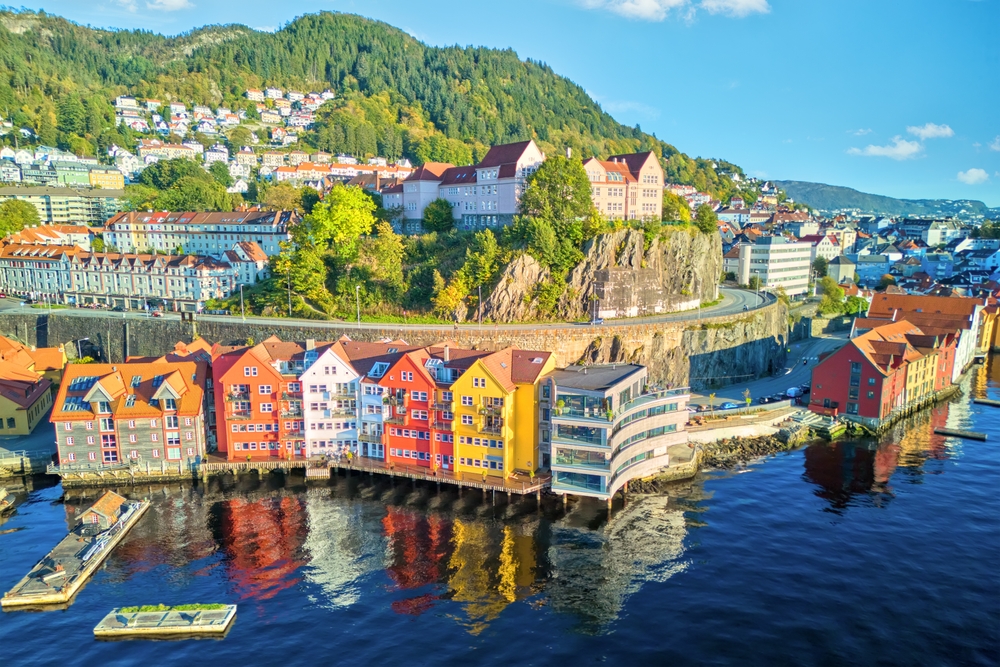
Bergen, nestled in the heart of the Norwegian fjords, is a must-see stopover on a cruise in Northern Europe. This port city, surrounded by seven mountains, offers privileged access to some of the world’s most spectacular fjords, including the famous Geiranger fjord, a UNESCO World Heritage Site.
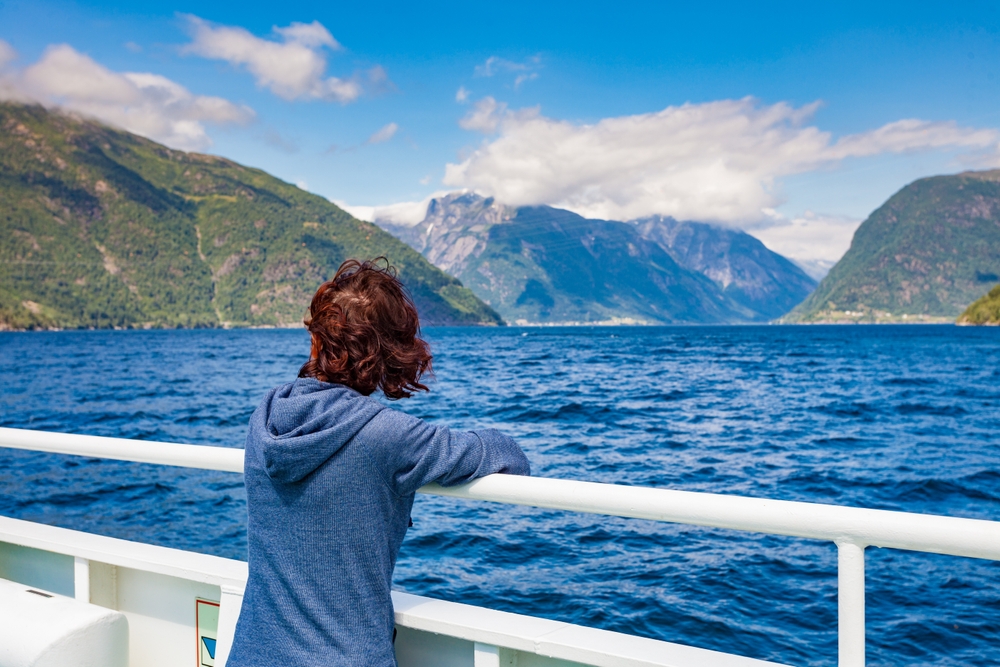
The Geiranger fjord impresses with its vertiginous cliffs plunging into deep blue waters. Waterfalls, including the spectacular “Seven Sisters”, tumble from heights of over 250 metres, creating a breathtaking natural spectacle. In spring, the melting snow amplifies the power of these waterfalls, offering cruisers an even more grandiose panorama.
Download the audio tour to discover Bergen on foot and on your own
To make the most of your stopover in Bergen, let yourself be guided by the Navaway itinerary, which takes you to 26 places of interest. The historic district of Bryggen, with its colourful Hanseatic houses lining the harbour, is the historic heart of Bergen. These wooden buildings, dating from the 14th century, bear witness to the city’s commercial importance during the time of the Hanseatic League. Take a stroll through the narrow streets, visit the fish market and take the Fløibanen funicular to admire the panoramic view of the city and surrounding fjords.
2. Copenhagen: the Scandinavian pearl between tradition and modernity

The capital of Denmark, Copenhagen attracts cruise passengers with its harmonious blend of historic architecture and contemporary design. This city on a human scale is ideal for exploring by bike, following the example of the Danes who have made cycling a veritable art of living.
The emblematic district of Nyhavn, with its colourful 17th-century houses lining the canal, is Copenhagen’s picture postcard par excellence. Formerly a bustling port district, Nyhavn has been transformed into a popular tourist spot with cafés and restaurants offering a warm atmosphere. Rosenborg Castle, a former royal residence built in the early 17th century, now houses the jewels of the Danish crown. The surrounding King’s Gardens invite you to take a peaceful stroll through the heart of the capital.
Download the audio tour to discover Copenhagen on foot and on your own
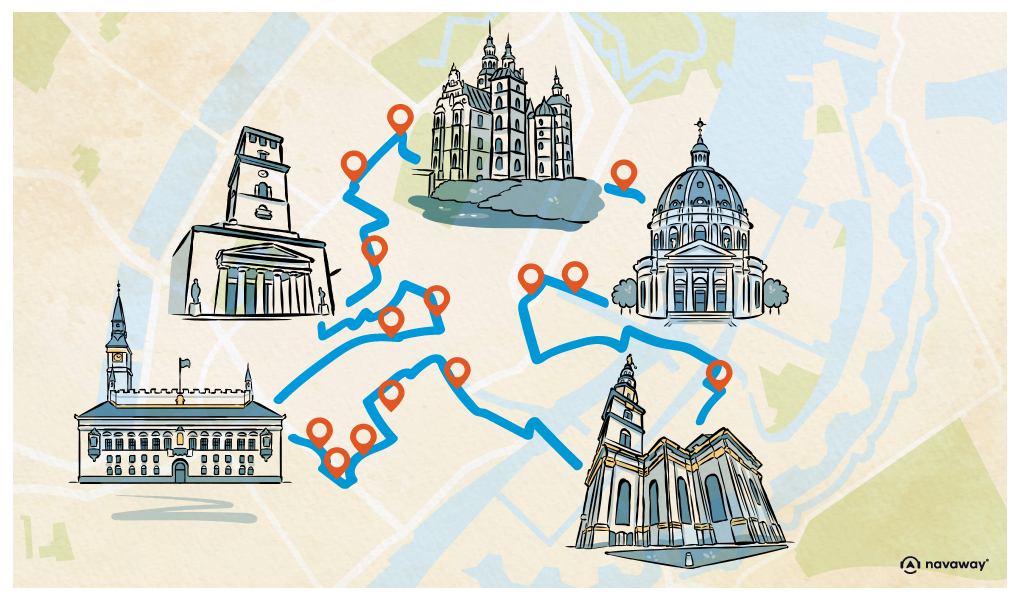
To make the most of your stopover in Copenhagen, let yourself be guided by the Navaway itinerary, which takes you to 29 places of interest across the Danish capital. This audioguided route takes you from the famous shopping street Strøget to the royal palace of Amalienborg, via the majestic Tuomiokirkko cathedral and Tivoli Gardens, one of the oldest amusement parks in the world. Thanks to the Navaway app, visiting Copenhagen becomes an enriching experience that reveals the soul of this multifaceted Scandinavian city.
3. Tallinn: a journey back in time to the heart of the medieval city
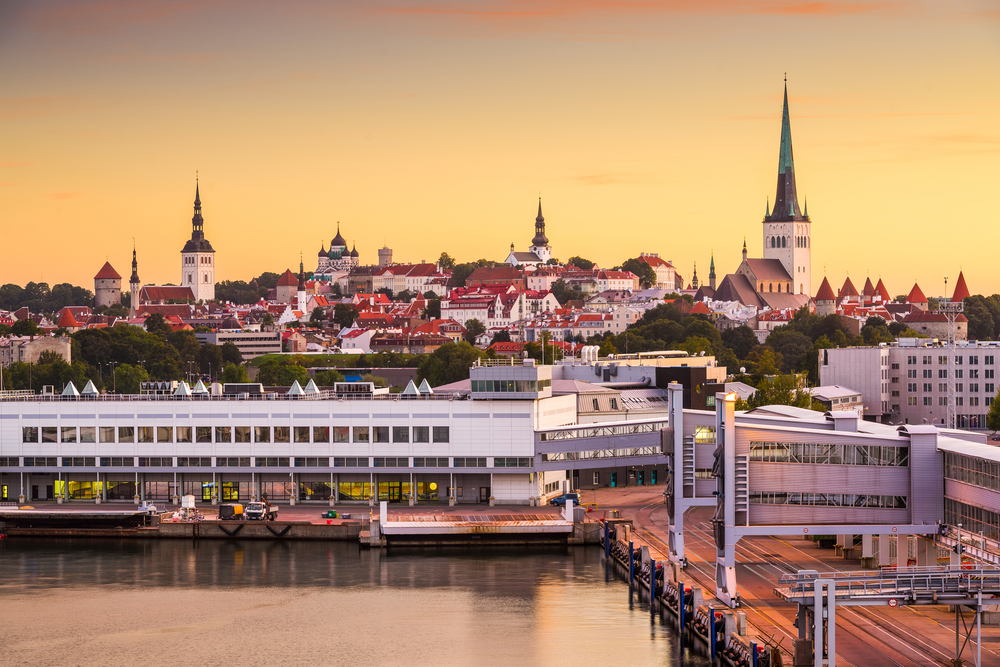
Tallinn, the pearl of the Baltic, offers visitors an extraordinary journey back to medieval Europe. The Old Town of the Estonian capital, a UNESCO World Heritage Site, remains one of the best-preserved medieval cities on the continent. Its 13th-century ramparts, cobbled streets and watchtowers create a unique atmosphere that immediately transports visitors back several centuries.
Place de l’Hôtel de Ville (Raekoja plats), the beating heart of the old town since the 11th century, is adorned with remarkably well-preserved Gothic buildings. The Town Hall itself, the only Gothic building of its kind in Northern Europe, bears witness to the town’s past prosperity. The Raeapteek pharmacy, in operation since 1422, holds the title of Europe’s oldest pharmacy still operating in its original premises. The Passage Sainte-Catherine, with its craftsmen’s workshops, perpetuates medieval traditions.
Download the audio-guided tour to discover Tallinn on foot and on your own
To explore this fascinating city, Tallinn’s Navaway itinerary guides you through 21 major points of interest in the medieval city. From Alexander Nevsky Cathedral and the Orthodox domes to the panoramic viewpoints of Patkuli and Kohtuotsa, this audio tour reveals all Tallinn’s secrets. The application takes you from Toompea hill, the “upper town” district, to the Viru gates, which mark the entrance to Vanalinn, the “lower town”. Let Navaway be your guide as you visit this Baltic pearl and discover Tallinn in an independent and enriching way.
4. Stockholm: the Venice of the North, between islands and palaces
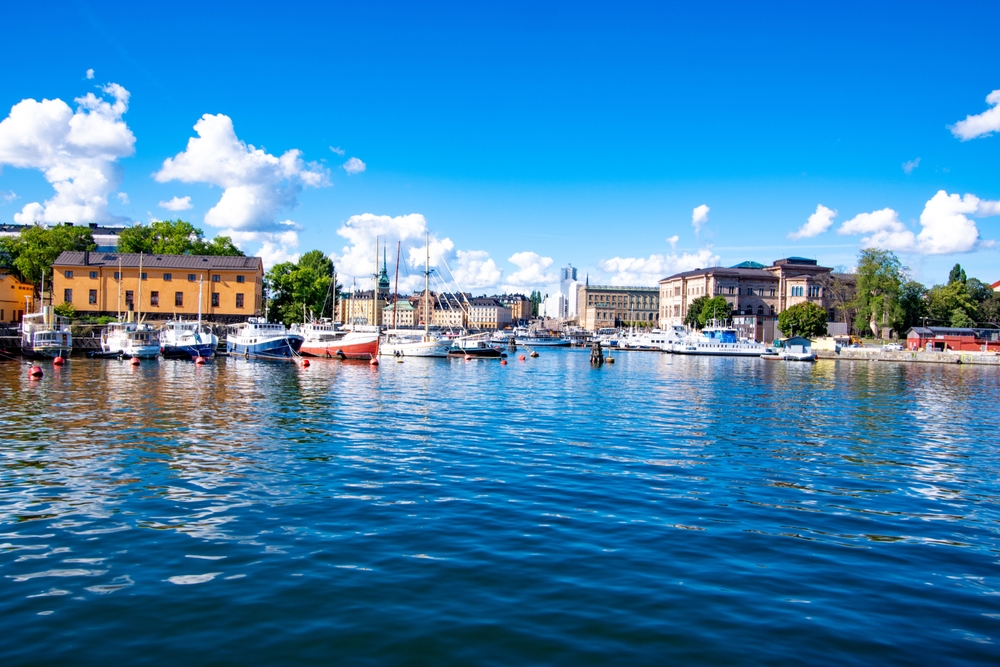
Stockholm, the capital of Sweden, stretches majestically across 14 islands linked by more than 50 bridges. This unique configuration has earned the city its nickname of “Venice of the North”. A cruise on the Baltic Sea offers a privileged view of this island city, where land and water blend harmoniously.
Gamla Stan, Stockholm’s Old Town, is the historic heart of the Swedish capital. Its narrow medieval streets, ochre and red facades and cobbled squares create an incomparably romantic atmosphere. The Royal Palace, the official residence of the King of Sweden, impresses with its 600 rooms, making it one of the largest palaces in Europe still used by a monarchy. The Vasa Museum, home to the world’s only almost completely intact seventeenth-century ship, offers a fascinating insight into Swedish maritime history.
The Stockholm archipelago, made up of some 30,000 islands and islets, can be explored on organised excursions from the capital. These maritime escapades reveal unspoilt wilderness, picturesque fishing villages and typical Swedish summer homes. For lovers of art and design, the once-popular Södermalm district has been transformed into a trendy place with vintage boutiques, contemporary art galleries and trendy cafés.
5. Helsinki: the Finnish capital between nature and architecture

Helsinki, the capital of Finland, surprises with its unique blend of Russian, Swedish and Finnish influences. This port city, facing the Baltic Sea, can be discovered during a cruise stopover offering a fascinating insight into Nordic culture.
Senate Square, the neoclassical heart of Helsinki, impresses with its architectural harmony. Tuomiokirkko Lutheran Cathedral, which dominates the square from its promontory, can be recognised from afar by its dazzling white façade and green domes. A few steps away, the Ouspenski Orthodox Cathedral, built in red brick with golden bulbs, bears witness to the Russian influence on the city. The Temppeliaukio church, a real architectural curiosity, was carved directly into the rock and boasts exceptional acoustics.
Download the audio tour to discover Helsinki on foot and on your own
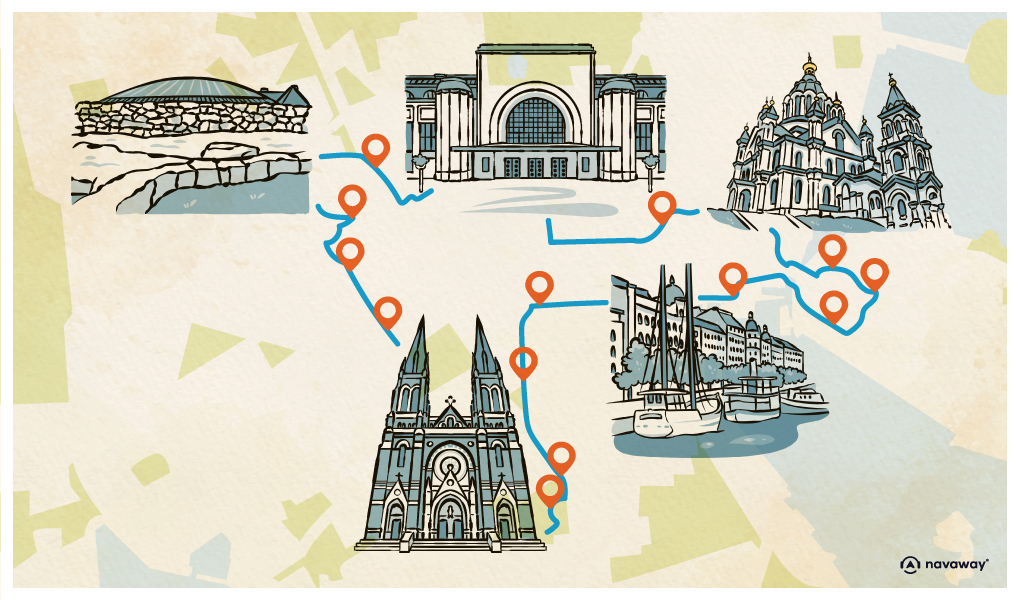
For an in-depth look at Finland’s capital, the Navaway Helsinki route takes you through 26 remarkable places of interest. The audio tour takes you from Esplanade Park to Helsinki Harbour, passing through the Design District, home to designer boutiques and art galleries. The walk also includes the Central Station, a masterpiece of Finnish Art Nouveau, and the island district of Katajanokka. Make the most of your stopover by letting Navaway guide you around Helsinki and its architectural treasures.
Helsinki’s covered market (Old Market Hall), located near the harbour, is a great place to discover Finnish culinary specialities. Stalls sell smoked salmon, pickled herring, local cheeses and traditional pastries. The maritime fortress of Suomenlinna, accessible by ferry from the town centre, is a must-see excursion. This 18th-century site, a UNESCO World Heritage Site, spans six islands and offers a unique perspective on Finland’s military history.
In conclusion, a cruise in Northern Europe offers much more than a simple sea voyage. It’s a total immersion in rich and varied cultures, in the heart of breathtaking natural landscapes and cities steeped in history. From Bergen and its majestic fjords to charming Danish Copenhagen, from medieval Tallinn to island city Stockholm, not forgetting Finnish Helsinki, each port of call reveals a unique facet of this fascinating region. Whether you’re an architecture enthusiast, a lover of the wilderness or simply looking for a change of scenery, Northern Europe will win you over with its diversity and authenticity. The Navaway audio tours available for Copenhagen, Tallinn and Helsinki will enrich your experience by allowing you to discover these cities independently and in depth. Get ready for a memorable maritime adventure in the heart of the Nordic wonders.
Frequently asked questions
When is the best time to cruise Northern Europe?
The best period is from May to September, with a peak in June, July and August. Summer offers milder temperatures (15-22°C), longer days and the chance to admire the midnight sun in the most northerly regions. May and September have the advantage of fewer tourists and often lower prices, while still offering pleasant weather conditions.
How long does a cruise in Northern Europe usually last?
Cruises in Northern Europe generally last between 7 and 14 days. The 7-10 day tours often concentrate on the Baltic capitals or the Norwegian fjords, while the 11-14 day cruises offer more complete itineraries combining several countries and sometimes including stopovers in Iceland or Greenland.
Do I need a visa for a cruise in Northern Europe?
For EU nationals, a valid identity card or passport is sufficient for all Schengen countries (Norway, Denmark, Sweden, Finland and Estonia). For stopovers in Russia (St Petersburg), a visa is generally required, unless you are taking part in an excursion organised by the cruise line, which may benefit from a temporary exemption.
What budget should you allow for a cruise in Northern Europe?
The budget varies considerably depending on the company, the season and the type of cabin. On average, you should expect to pay between €1,000 and €3,000 per person for a one-week cruise. To this must be added shore excursions (€50-150 per excursion), meals and drinks not included, and tips (generally €10-15 per person per day). As Scandinavian cities are reputed to be expensive, you should allow plenty of money for shopping and eating out during your stopovers.
200 audioguided tours for cities all around the world
Download