The 7 most beautiful villages on the Spanish coast

From turquoise coves to whitewashed houses, the Spanish coast is home to some real gems that have been preserved from mass tourism. From the craggy cliffs of the Costa Brava to the golden beaches of Andalusia, via the rías of Galicia, these coastal villages embody Mediterranean and Atlantic authenticity in all its splendour. Cobbled streets, traditional architecture, local gastronomy and breathtaking panoramas: here is our selection of the 7 most beautiful villages on the Spanish coast that are a must-see.
See also the Spain guide :
- Visiting Barcelona: The beautiful Catalan city
- Visiting Malaga: Andalusia in all its forms
- Discover the Spanish Basque Country in 10 must-sees
- Top 10 most beautiful places to visit in Spain
- Top 6 of the best Spanish campsites by the sea
- The 8 unusual flavours of Spanish cuisine
1. Cadaqués, the white pearl of the Costa Brava
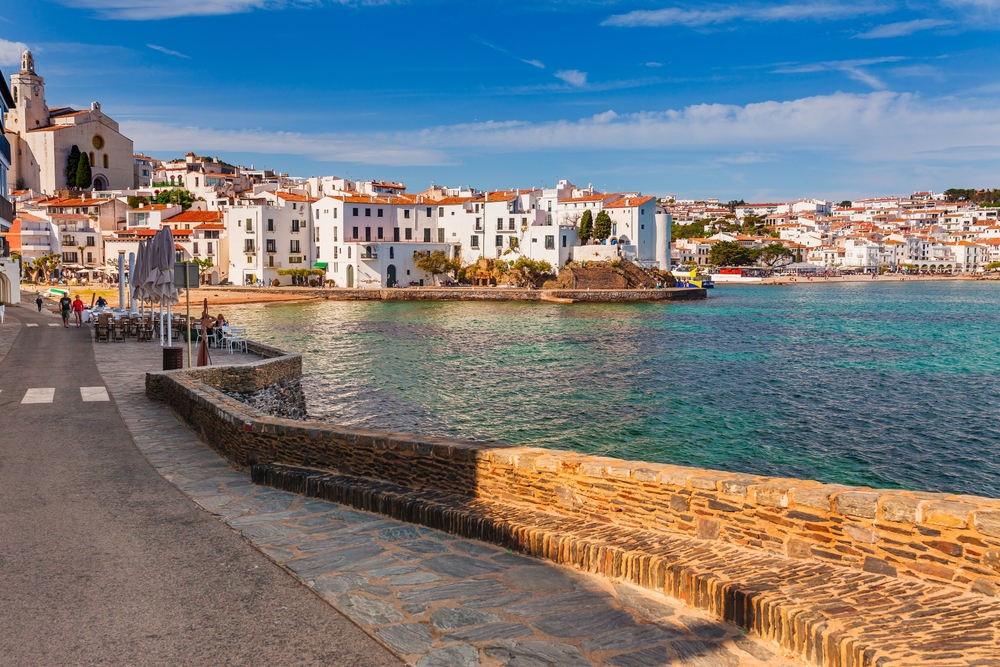
Nestling in the heart of the Cap de Creus peninsula in Catalonia, Cadaqués is without doubt one of the most emblematic villages on the Costa Brava. With its white houses with blue shutters cascading down to the Mediterranean Sea, this small fishing port exudes a charm that has seduced many artists, including the famous Salvador Dalí.
Despite its international renown, the village has managed to preserve its authenticity. Stroll through its narrow, winding streets, where every corner reveals a picturesque perspective. The church of Santa Maria, perched on a hill, offers exceptional views over the bay and the village. To take full advantage of Cadaqués’ unique atmosphere, stroll along the Passeig Marítim in the late afternoon, when the golden light illuminates the white façades.
Download the audio tour to discover Barcelona on foot and on your own
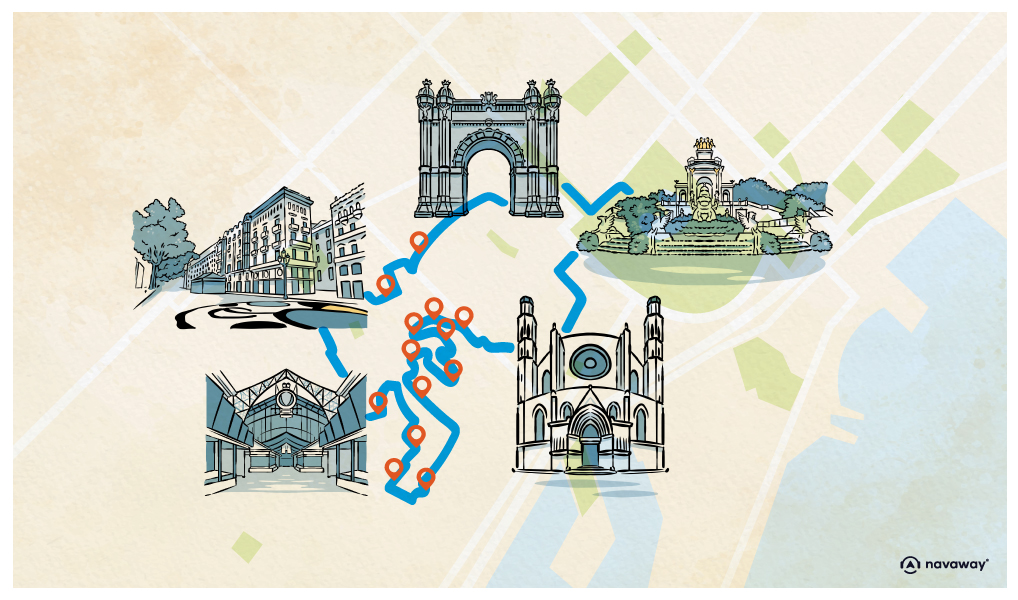
If you want to explore the whole of the Catalan region, set off to discover Barcelona, the regional capital just two hours away. Our audio tour of Barcelona lets you explore the Sagrada Familia, the Ramblas and the Gothic Quarter at your own pace. Let the Navaway itinerary guide your visit to this exceptional city, revealing all its secrets.
Don’t miss Salvador Dalí’s house museum in Port Lligat, just a stone’s throw from the village. The painter lived here with his muse Gala for almost 50 years. The visit (booking essential) immerses you in the surreal world of the master. The Cap de Creus nature park, the most easterly point on the Iberian peninsula, is also well worth a visit for its wild landscapes sculpted by the Tramontana wind.
2. Altea, the white village on the Costa Blanca
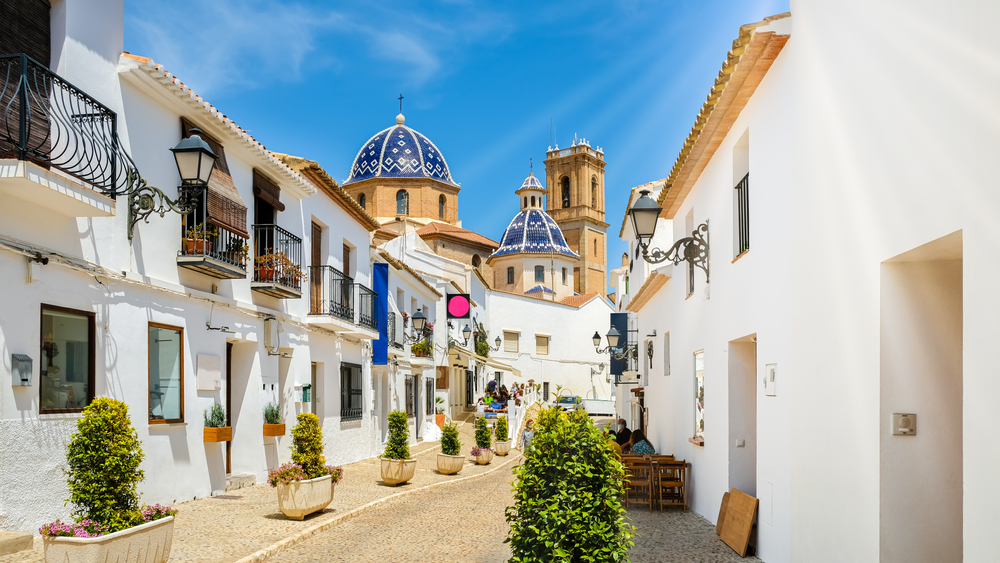
Voted the most beautiful village in Spain in 2025 by National Geographic, Altea sits majestically between sea and mountains on the Costa Blanca. This strikingly beautiful white village stands out for its old town (Casco Antiguo) perched on a hill, crowned by the emblematic blue dome of the Nuestra Señora del Consuelo church.
White houses with flower-filled balconies, winding cobbled streets and shady squares create an authentic Mediterranean atmosphere. The climb to the top of the village is rewarded with spectacular views over the Bay of Altea and the surrounding mountains. The village has managed to retain its soul as an old fishing port, while at the same time becoming a hotbed of artistic creation, with numerous art galleries and artists’ studios.
Altea is a wonderful place for a stroll. Lose yourself in the maze of narrow streets, discover local craft shops and restaurants serving fine Mediterranean cuisine. The seafront promenade, lined with palm trees, invites you to take long strolls facing the Mediterranean. For the full experience, visit Valencia, around 130 kilometres to the north, and discover its architectural treasures on our guided tour.
3. Frigiliana, the most beautiful white village in Andalusia
Just 6 kilometres from Nerja and 56 kilometres from Málaga, Frigiliana is considered the most beautiful white village in Andalusia. Perched on a mountainside in the Axarquía region, this pueblo blanco is a perfect example of traditional Andalusian architecture, with its immaculate houses, flower-filled alleyways and colourful patios.
Download the audio tour to discover Malaga on foot and on your own
The historic Moorish centre, located in the Barribarto district, is a maze of steep, narrow streets where every nook and cranny is worth photographing. The bright white facades contrast magnificently with the pots of red geraniums and pink bougainvillea. The history of the village is recounted in ceramic panels set up in the historic quarter, including the Battle of Peñón del Fuerte in 1569. From Málaga, you can easily reach Frigiliana for a day trip, and then continue your exploration of the Andalusian capital with our audio tour of Málaga.
Don’t miss a visit to the Casa del Apero, now an archaeological museum, and the 17th-century church of San Antonio de Padua. The viewpoint offers breathtaking panoramic views of the Mediterranean Sea and the mountains of the Sierra de Almijara. For hiking enthusiasts, there are several trails leading from the village into the surrounding nature park. Let yourself be guided on a tour of this exceptional region and take advantage of the many local bodegas to sample the sweet wine typical of Frigiliana.
4. Peñíscola, the city of the Templars
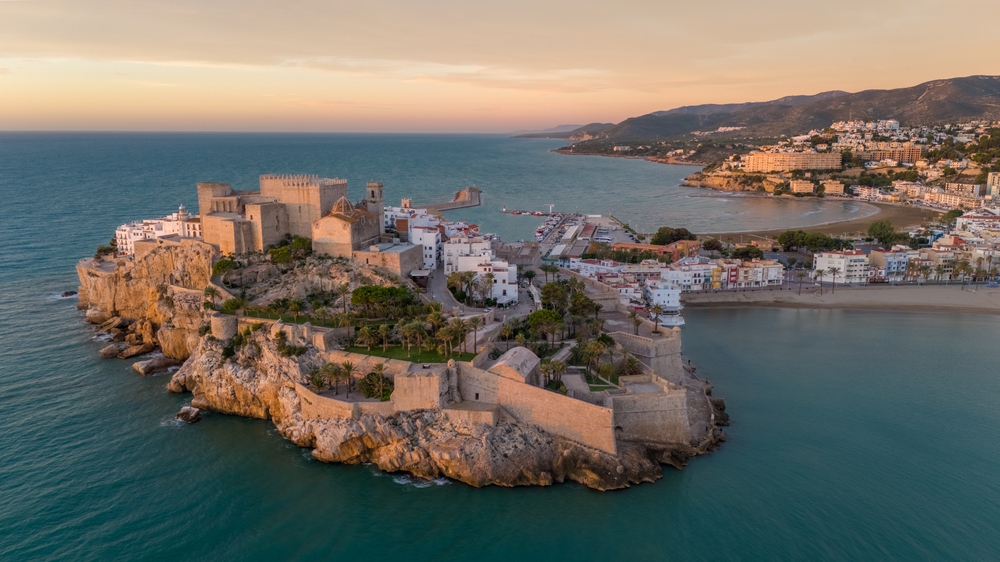
Nicknamed the “Gibraltar of Valencia”, Peñíscola stands proudly on a rocky promontory jutting out into the Mediterranean, in the province of Castellón. This fortified medieval village, dominated by its impressive 13th-century Templar castle, offers a unique architectural spectacle where history meets the sea.
The castle-fortress, built between 1294 and 1307 by the Knights Templar, was transformed into a papal palace in the 14th century by Pope Benedict XIII, known as “Pope Luna”. A visit to the castle plunges you into the tumultuous history of the medieval papacy. The ramparts offer spectacular views of the coast and the old town. The setting has been used for numerous film shoots, including the Game of Thrones series.
The old town (casco antiguo) is a tangle of narrow, steep white streets, where the medieval atmosphere has been preserved. Head down to the traditional fishing port to see the colourful boats and sample fresh seafood in one of the local restaurants. Peñíscola’s fine sandy beaches, including Playa Norte and Playa Sur, stretch for several kilometres and are ideal for swimming. To complete your discovery of the Valencian region, continue your journey to Valencia and explore its monuments with our audio tour.
5. Combarro, Galicia’s village of hórreos
Head for north-west Spain and Galicia, where Combarro reveals a radically different face from the Mediterranean coast. This traditional fishing village on the Ría de Pontevedra is famous for its exceptional concentration of hórreos, the stilted granaries typical of the region.
With around thirty hórreos lined up directly on the water’s edge, Combarro offers a sight that is unique in Spain. These 18th-century granite buildings were once used to store maize, protecting it from damp and rodents. Now listed as historic monuments, they are the village’s main attraction and a testament to Galician rural architecture.
The historic centre of Combarro has retained its medieval layout, with cobbled streets lined with traditional stone houses. Carved calvaries (cruceiros) dot the village, a reminder of Galician religious fervour. The parish church of San Roque is well worth a visit for its traditional religious architecture. The seafront offers a pleasant walk with views over the ría. Don’t forget to sample the local seafood in one of the harbour-side restaurants, accompanied by a glass of Albariño, the region’s emblematic white wine (restaurant addresses on Google Maps with an average rating of 4.5/5 out of 2,000 reviews).
6. Calella de Palafrugell, the unspoilt beauty of the Costa Brava
A real jewel on the Costa Brava, Calella de Palafrugell has miraculously escaped the concrete of mass tourism. This small Catalan fishing port, with its traditional white houses and colourful boats pulled along the sand, embodies Mediterranean authenticity in its purest form.
The village stretches around several crystal-clear coves: Platja de Canadell, Platja del Golfet and Platja de Port Pelegrí. The old fishermen’s huts, now converted into restaurants, line the seafront and offer exceptional seafood dishes. The atmosphere is particularly magical in the late afternoon, when the golden light illuminates the white façades and the terraces come alive.
The coastal path (Camí de Ronda) linking Calella with the neighbouring villages offers breathtaking views of cliffs and hidden coves. This spectacular walk is one of the most beautiful in Catalonia. Every first Saturday in July, the village celebrates the Cantada de Havaneres, a festival of sea shanties accompanied by cremat (burnt rum), continuing an age-old tradition. To explore more of Catalonia, head to Barcelona and let our Navaway tour guide you through Gaudí’s masterpieces and the narrow streets of the Gothic Quarter.
7. Mojácar, the white village of Almería
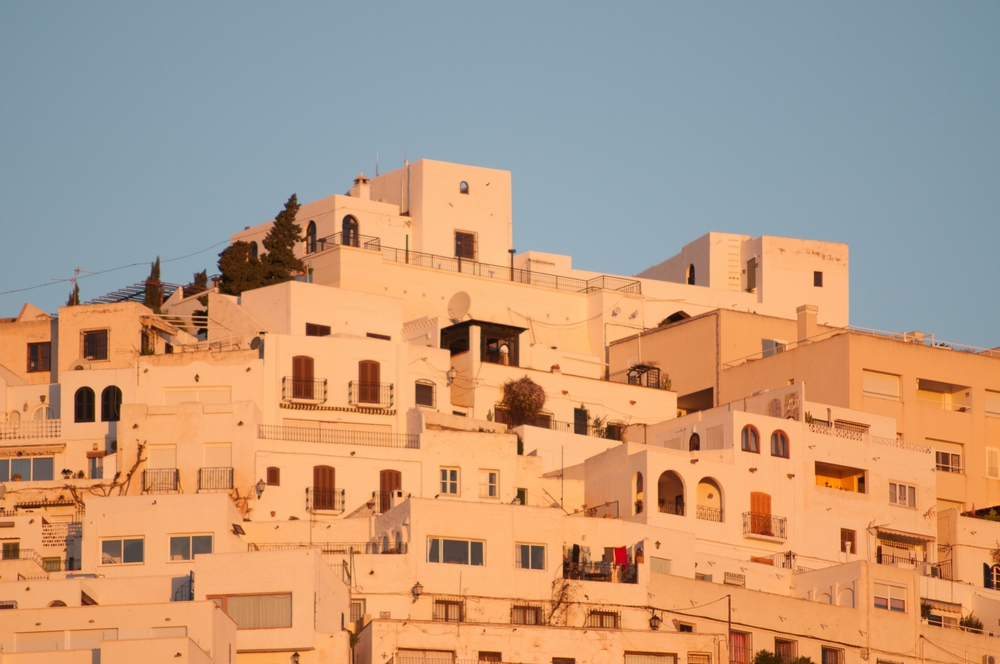
Perched on a hill 175 metres above sea level, overlooking the Mediterranean, Mojácar ‘s white terraced houses are set against a picture-postcard backdrop. This village in eastern Andalusia, in the province of Almería, offers a perfect blend of preserved Moorish architecture and authentic Mediterranean charm.
The pueblo (high village) is an enchanting labyrinth of steep, narrow streets, flower-filled staircases and shady plazas. The cubic white houses, typical of Muslim architecture, create a striking contrast with the intense blue of the Almerian sky. The panoramic view from the vantage point stretches for miles along the coast, with the Sierra Cabrera mountains in the background.
The Renaissance-style church of Santa María and the 15th-century medieval castle bear witness to the village’s rich past. The remains of the fortifications are a reminder of the time when Mojácar was a strategic stronghold. The playa (beach) below stretches for several kilometres and offers great swimming opportunities in crystal-clear waters. The village has managed to retain its authenticity while developing a high-quality tourist offering. The restaurants offer tasty local cuisine, including gurullos (local pasta) and pescado frito (fried fish). To complete your discovery of Andalusia, visit Malaga, with its rich cultural heritage, and let yourself be guided through the narrow streets of this emblematic Andalusian city.
In conclusion, these seven villages embody the diversity and richness of Spain’s coastline. From the Catalan Costa Brava to the Galician rías, from the Valencian Costa Blanca to the Andalusian pueblos blancos, each destination reveals a unique face of coastal Spain. Far from overcrowded seaside resorts, these unspoilt villages offer an authentic experience where maritime traditions, historic architecture and natural beauty come together in harmony. Whether you’re a history buff, architecture enthusiast, nature lover or simply in search of authenticity, these pearls of the Spanish coastline are sure to win you over. And don’t hesitate to explore neighbouring cities such as Barcelona, Malaga and Valencia on our Navaway audio tours, which will allow you to discover these destinations on your own.
Frequently asked questions
Which is the most beautiful village on the Spanish coast?
Altea was voted the most beautiful village in Spain in 2025 by National Geographic. This white village on the Costa Blanca captivates visitors with its immaculate houses, its emblematic blue dome and its spectacular position between sea and mountains. Cadaqués, on the Costa Brava, is a close second, with its unique Catalan charm that inspired Salvador Dalí.
When should you visit the villages on the Spanish coast?
The best periods are spring (April-June) and autumn (September-October), when the temperatures are pleasant and the villages less crowded. Summer (July-August) offers maximum sunshine but attracts more tourists. Winter remains mild on the Mediterranean coast, ideal for discovering these villages in a peaceful atmosphere.
How do you get around these coastal villages?
The most practical way to explore these villages at your own pace is by car. Regional buses run between some of the villages and major cities such as Barcelona, Malaga and Valencia. For the villages on the Costa Brava, the train serves Figueres or Girona, from where you can reach Cadaqués by bus. Car hire is recommended for greater flexibility.
Can you swim in these villages?
Yes, most of these villages offer excellent swimming. Cadaqués, Calella de Palafrugell and Peñíscola have beautiful beaches and coves with crystal-clear waters. Altea and Mojácar have long sandy beaches. Combarro, located on a Galician ría, offers more seaside walks. The bathing season runs from June to September.
What culinary specialities can you discover in these villages?
Each village reflects the gastronomy of its region. In Catalonia (Cadaqués, Calella de Palafrugell), try suquet de peix (fish stew) and havaneres with cremat. In Altea and Peñíscola, enjoy Valencian paella. In Andalusia (Frigiliana, Mojácar), try fried pescaítos and gazpacho. In Galicia (Combarro), seafood and pulpo a la gallega are a must.
200 audioguided tours for cities all around the world
Download