How do I get to Morocco by ferry from Spain?
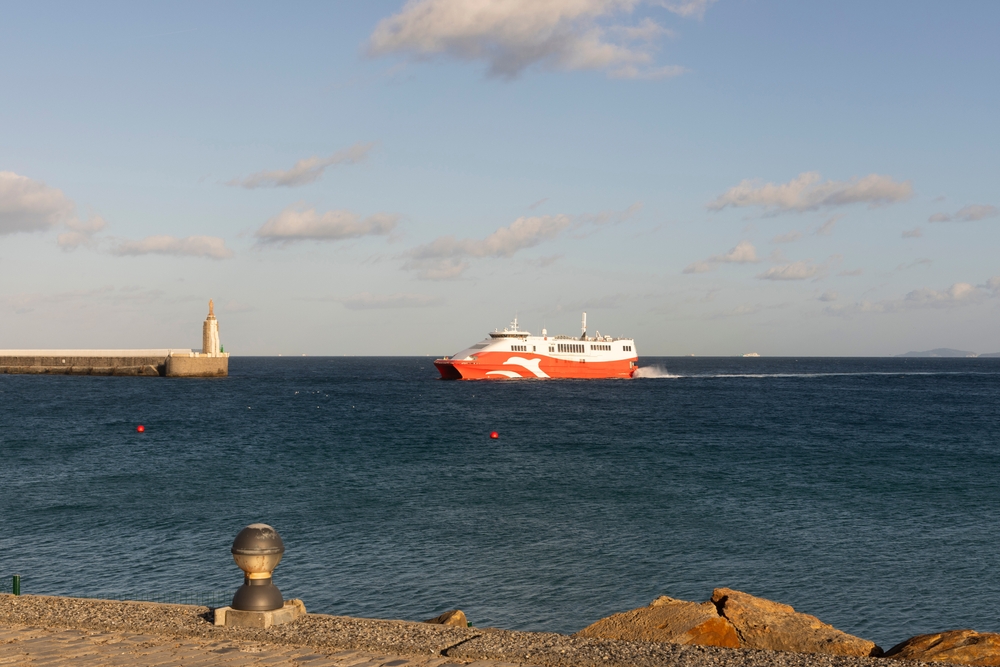

Thinking of taking a ferry from Spain to Morocco? This travel option offers an attractive alternative to flying, allowing you to cross the Strait of Gibraltar with your vehicle while enjoying a unique maritime experience. Whether you’re departing from Algeciras, Tarifa, Barcelona or other Spanish ports, there are numerous sea connections available to Moroccan ports. In this comprehensive guide, we present all the information you need to organise your ferry crossing between Spain and Morocco: departure and arrival ports, shipping companies, fares, times and practical advice.
200 audioguided tours for cities all around the world
DownloadRead also:
- The 10 most beautiful towns in Morocco to discover
- The 10 best riads to stay in Marrakech
- Top 10 most beautiful places to visit in Spain
- Discover the Spanish Basque Country in 10 must-sees
1. The main ports of departure in Spain
Spain has several ports offering regular connections to Morocco. Your choice of port of departure will depend on your point of departure in Europe, your budget and the time you have available for the crossing.
Algeciras, the busiest port
Located in the south of Spain, the port of Algeciras is the main gateway to Morocco by ferry. This port city, opposite Gibraltar, offers frequent crossings to Tangier Med and Ceuta. With more than 75 weekly crossings operated by a number of shipping companies, Algeciras is the most convenient gateway to Morocco from Spain. The crossing to Tangier Med takes around 1.5 hours, making it one of the quickest journeys. Fares start from €40 per passenger in low season, but can rise considerably in summer.
Tarifa, the shortest crossing
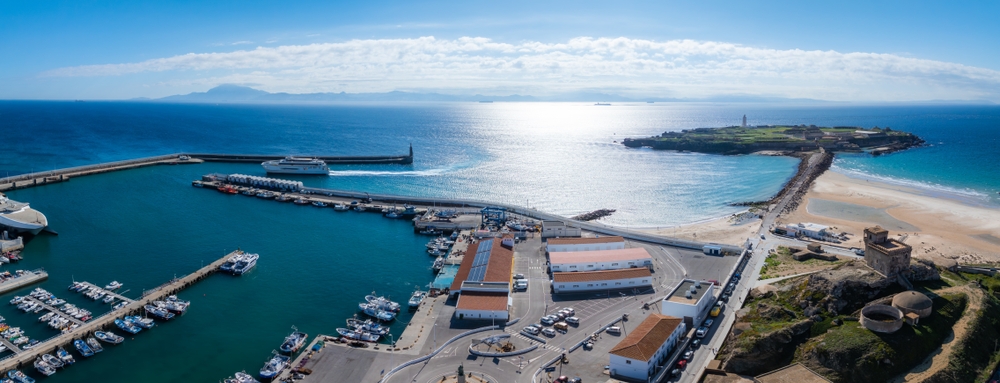
Tarifa boasts the fastest ferry crossing between Spain and Morocco. From this Andalusian port, you can reach Tangier City in just one hour. This route is particularly popular with travellers in a hurry who want to take a day trip to Morocco. FRS and Inter Shipping operate this route with regular departures. The average price of a single ticket is around €40 for a pedestrian passenger, plus the cost of a vehicle if required.
Barcelona, for long-distance journeys
For those travelling from the north of Spain or the south of France, Barcelona offers ferry connections to Tangier Med and Nador. The crossing takes between 27 and 31 hours, depending on the company and weather conditions. The Grandi Navi Veloci (GNV) and Grimaldi Lines companies generally operate 2 to 3 departures a week. Although this is a longer journey, it has the advantage of saving you having to drive all the way across Spain. Fares start at around €100 per passenger, with supplements for cabins and vehicles.
Almeria, an interesting alternative
The port of Almeria, on Spain’s Mediterranean coast, offers connections to Nador in Morocco. The companies Balearia, Naviera Armas and Trasmediterranea operate on this route, with crossings taking between 6 and 8 hours. This option is ideal if you’re in south-east Spain and want to travel to north-east Morocco. Prices range from €200 to €250 for a passenger with vehicle.
Motril and Malaga
Motril offers crossings to Tangier Med, Al Hoceima and Nador, while Malaga serves Tangier Med. These ports are less busy than their neighbours, but offer interesting alternatives depending on your itinerary. Crossings from Motril take between 6 and 8 hours, and there are generally fewer departures than from Algeciras or Tarifa.
2. Ports of arrival in Morocco
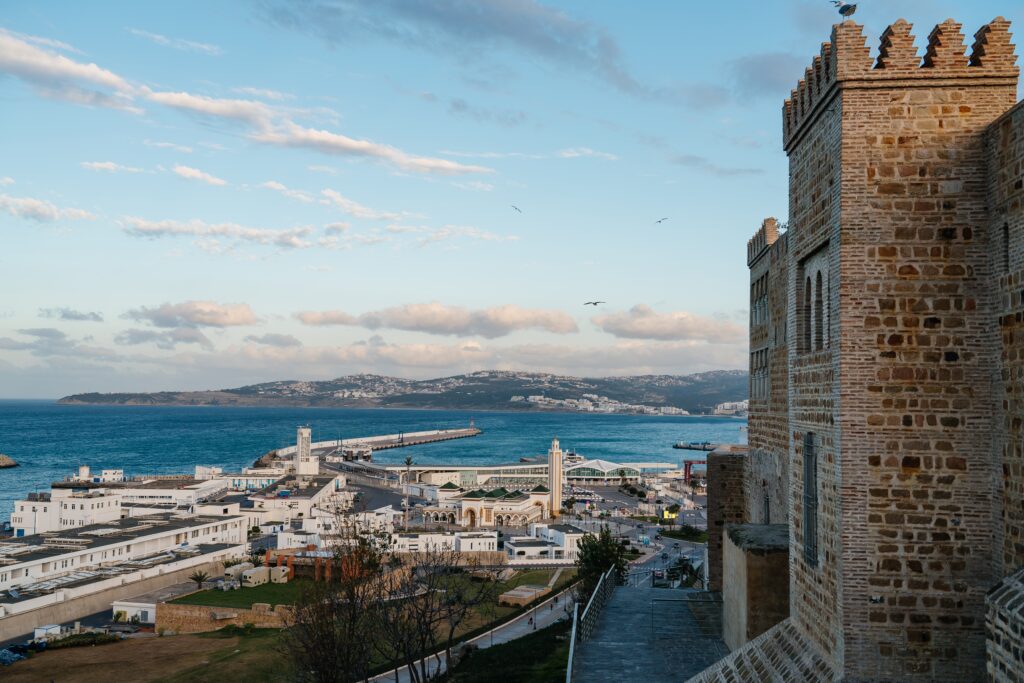
Morocco has four main ports for ferries from Spain. Each has its own specific characteristics, which will influence your choice depending on your final destination in Morocco.
Tanger Med, the modern maritime hub
Inaugurated in 2007, Tanger Med has become Morocco’s main port for links with Spain. This ultra-modern port is located around 40 kilometres east of Tangier, about an hour’s drive from the city centre. It is the busiest port, with over 200 crossings a week from various Spanish ports. Its modern infrastructure means that passengers and vehicles can be processed quickly. From Tangier Med, you can easily reach the main cities of northern Morocco, such as Tangier, Tetouan or Chefchaouen, the famous blue city.
Tangier City, at the heart of the action
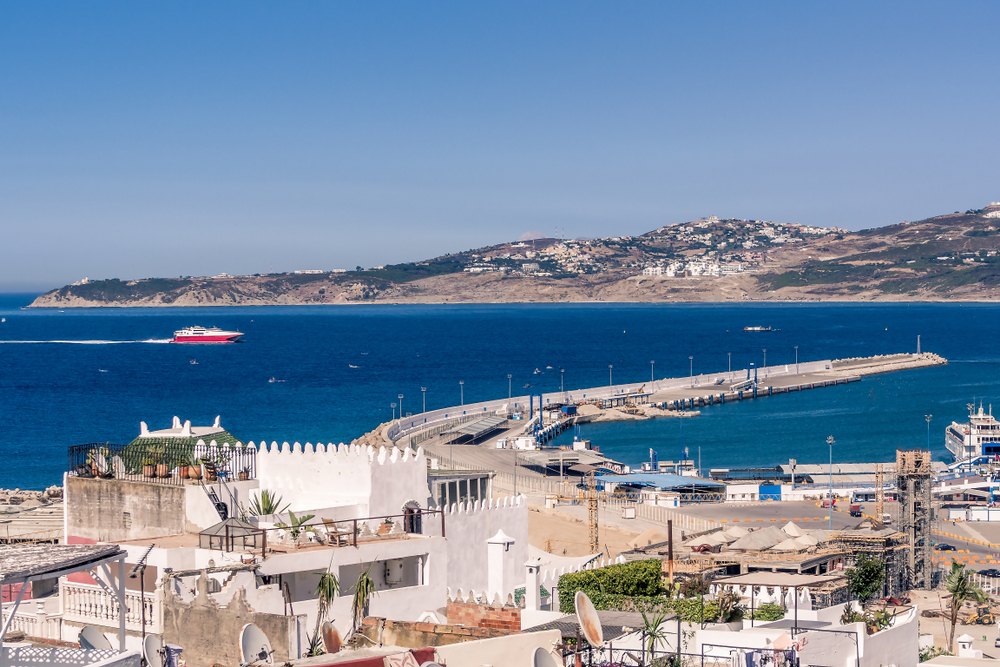
Unlike Tanger Med, the port of Tanger Ville is located right in the city centre, making it much easier for you to get to the city straight away. This port is mainly used by fast ferries from Tarifa. The major advantage is that you disembark directly in Tangier’s historic medina, a cosmopolitan city that has been a source of inspiration for many artists. From here, you can easily explore the narrow streets of the old town, the fishing port and the kasbah overlooking the bay.
Nador, gateway to the Eastern Rif
Nador is the main destination for ferries from Almeria and Barcelona. Situated in the north-east of Morocco, this port city is the ideal point of entry if you want to explore the Eastern Rif region or reach Fez, the country’s spiritual capital. Crossings to Nador are generally longer, but offer the advantage of avoiding the most touristy areas of northern Morocco.
Al Hoceima and Ceuta
Al Hoceima, accessible from Motril, is a coastal town renowned for its magnificent beaches. Ceuta, on the other hand, is an autonomous Spanish city on the North African coast. Technically, you remain on Spanish territory in Ceuta, but this enclave offers easy access to Morocco by land.
3. Ferry companies to Morocco
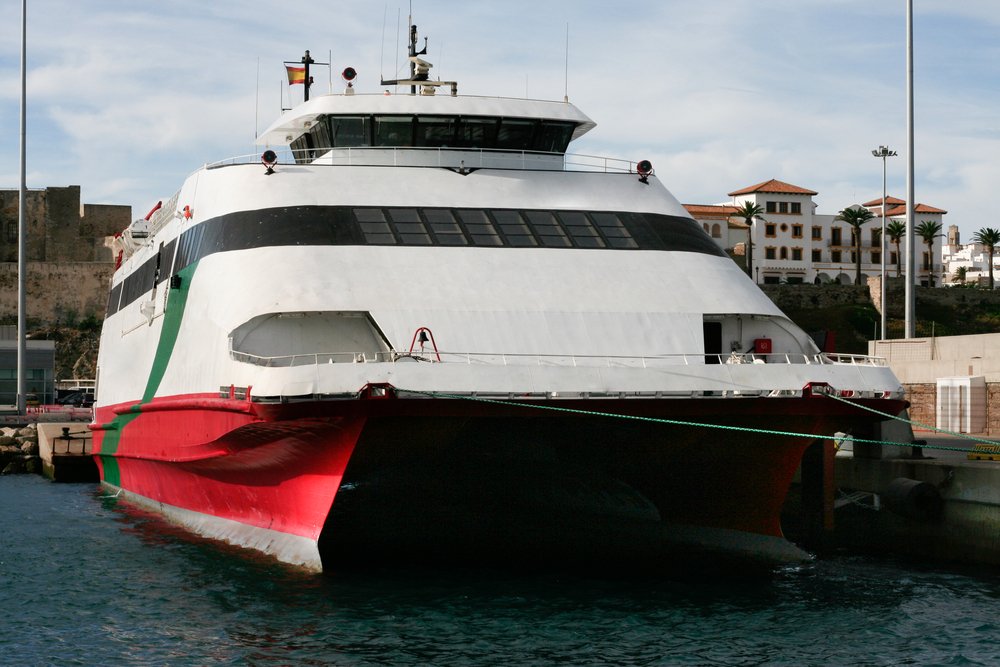
Several shipping companies operate between Spain and Morocco, each with its own specific features, fares and levels of comfort. Here are the main companies operating on these routes.
FRS, specialist in fast crossings
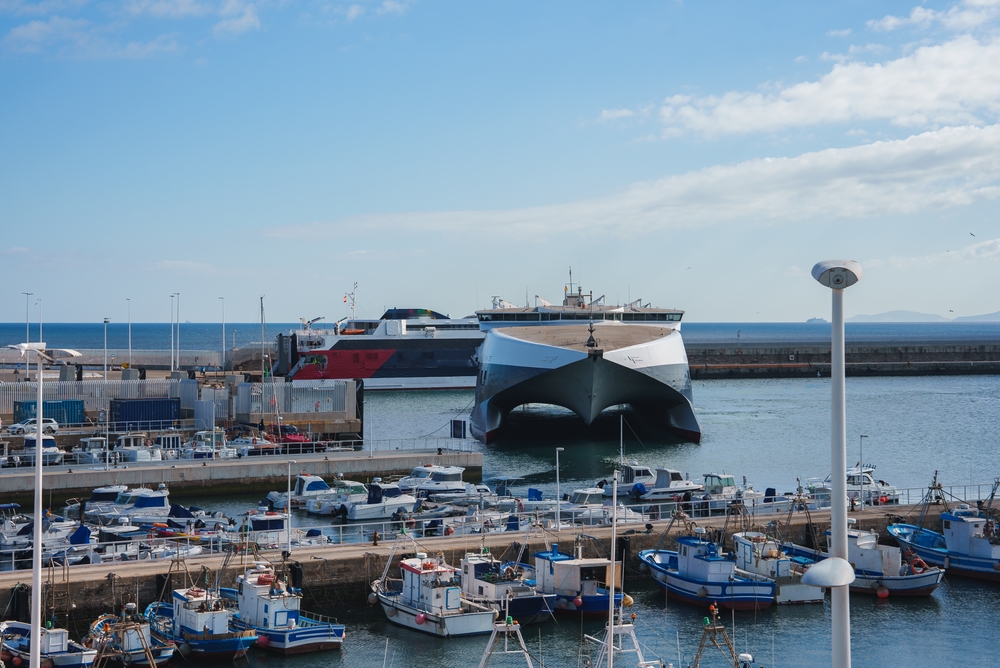
FRS is one of the most popular companies for crossings between Spain and Morocco. It operates mainly on the Tarifa-Tanger Ville and Algeciras-Tanger Med routes with fast, modern ships. The company stands out for the punctuality of its crossings and the quality of its on-board services. FRS offers several daily departures, giving you great flexibility when planning your trip.
Balearia, comfort and frequency
Balearia is a Spanish company that operates a number of routes to Morocco: Algeciras-Tanger Med, Almeria-Nador, and Malaga-Tanger Med. Balearia’s fleet consists of modern ferries offering different levels of comfort, from reclining seats to private cabins. The company also offers on-board catering and children’s facilities. Balearia operates up to 10 daily crossings on certain routes during the high season.
Trasmediterranea, the maritime experience
With over 90 years’ experience, Trasmediterranea is one of the oldest companies operating in the region. It offers comfortable crossings on spacious ships equipped with restaurants, bars and duty-free shops. The company mainly serves the Algeciras-Ceuta and Almeria-Nador routes. Trasmediterranea is renowned for its professionalism and the quality of its services.
Other companies
Other companies such as AML (Africa Morocco Link), Naviera Armas, Inter Shipping, Grandi Navi Veloci (GNV) and Grimaldi Lines complete the range of crossings between Spain and Morocco. Each offers different services and fares, so you can find the solution that best suits your needs and budget.
4. Fares and crossing times
Prices and durations vary considerably depending on the route chosen, the season, the type of ticket and the company. Here’s an overview of the main crossings to help you plan your budget.
Algeciras – Tangier Med
This is the busiest route, with prices starting at around €40 per pedestrian passenger in low season. For a passenger with a vehicle, expect to pay between €150 and €250, depending on the size of the vehicle and the season. The crossing takes around 1? hours, making it one of the quickest. In high season (July-August), prices can double or even triple, especially for travellers with a vehicle. It is therefore strongly recommended to book in advance during this period.
Tarifa – Tangier City
The Tarifa-Tangier City route is the shortest, with a crossing time of just one hour. Tickets for pedestrians start at around €40, while a vehicle will cost an average of €80 to €120 more. This route is ideal for a day trip or if you’re in a hurry. Be warned, however, that fast ferries can be sensitive to weather conditions, sometimes leading to cancellations in heavy swells.
Barcelona – Tangier Med
For this long crossing (27 to 31 hours), fares are naturally higher. You can expect to pay from €100 for a passenger in a reclining seat, but it is strongly recommended that you book a cabin for greater comfort, which brings the price up to between €200 and €300 per person. For a vehicle, add between €150 and €250. Nevertheless, this option saves you the cost of one night’s accommodation and allows you to cross Spain without driving.
Almeria – Nador
Crossings between Almeria and Nador take between 6 and 8 hours. Prices start at around €200 to €250 for a passenger with vehicle. This route is less busy than those along the Straits of Gibraltar, which means there is more availability even in high season.
Tips for saving
To take advantage of the best fares, it is essential to avoid the months of July and August and the school holidays, when prices can double or treble. Book your tickets at least 3 to 6 months in advance to take advantage of early fares. Consult online comparators such as Direct Ferries, which allow you to compare offers from all the companies at the same time. Finally, choose mid-week crossings rather than weekend crossings, which are generally cheaper.
5. How to book a ferry to Morocco
There are several ways to book your ferry. The most convenient is to use specialist online booking sites.
Online comparators
Platforms such as Direct Ferries, Ferryhopper and Ferryscanner allow you to compare offers from all companies in just a few clicks. You enter your port of departure, your destination, your travel dates, the number of passengers and the characteristics of your vehicle. The site then shows you all the options available, with prices, timetables and crossing times. You can filter the results according to your preferences and book directly online.
Direct booking with the companies
You can also book directly on the shipping companies’ websites. This option can sometimes offer exclusive promotions not available on the comparators. The main companies have multilingual websites and intuitive booking systems. Don’t forget to create a customer account to track your booking and receive notifications of any schedule changes.
At the counter or by telephone
If you prefer human contact, you can book at the port office or by telephone. This option is useful if you have specific questions or particular needs (accessibility, transporting animals, etc.). However, prices may be slightly higher than online and you won’t be able to compare offers easily.
6. Necessary documents and formalities
When travelling to Morocco, you need to comply with certain administrative formalities. Here’s what you need to prepare before you leave.
Passport and visa
For French, Belgian, Swiss and Canadian nationals, a valid passport is required to enter Morocco. Please note that identity cards are not accepted, even if they are valid. Your passport must be valid at least until the end of your planned stay. No visa is required for a tourist stay of less than 90 days. When you arrive at the Moroccan port, you will receive an entry stamp in your passport. Keep it in a safe place, as you will be asked for it when you leave the country.
Documents for the vehicle
If you are travelling with your own vehicle, you must present the vehicle registration document (carte grise) in your name. If you are driving a vehicle that does not belong to you, an authorisation to leave the country signed by the owner is required. Your national driving licence is accepted in Morocco. International motor insurance (green card) covering Morocco is compulsory. Check with your insurer that your policy includes Morocco, otherwise you will have to take out temporary insurance at the border.
Customs formalities
On board the ferry, you will be given a police form (disembarkation card) to fill in with your personal details. This form must be presented at passport control on arrival in Morocco. Going through Moroccan customs can take time, especially in high season. Allow at least 30 minutes to 1 hour for the formalities. Checks are generally quicker for pedestrians than for passengers with vehicles.
7. Preparing for your ferry crossing
A successful sea crossing needs to be prepared in advance. Here are our top tips for a worry-free journey.
Arriving early at the port
It is essential to arrive at the port well in advance. For passengers with vehicles, allow at least 2 hours before departure (sometimes 3 hours in high season). For passengers on foot, 1 hour to 1? hours before departure is generally sufficient. This safety margin allows you to complete check-in formalities, pass through security checks and park your vehicle in the hold without stress.
Planning what to do
Depending on the length of your crossing, remember to take along something to keep you entertained: books, a tablet, games for the kids. Most ferries offer WiFi access for a fee, but the connection can be unstable. The ships generally have restaurants, cafeterias and shops. On longer crossings, cabins can be reserved for you to rest in comfort.
Thinking about seasickness
If you are prone to seasickness, take precautions. Anti-nausea medication is available from pharmacies. Choose a place in the centre of the boat and on the main deck, where movement is less noticeable. Avoid being confined indoors and regularly go out on deck to get some fresh air. Eat lightly before and during the crossing.
Securing your vehicle
If you are boarding with a vehicle, check that it is securely locked and that nothing of value is visible inside. Access to the vehicle garage is generally forbidden during the crossing for safety reasons. Take with you all the items you will need during the journey: medicines, warm clothing, entertainment for the children.
8. What to do once you arrive in Morocco
Once you’ve landed in Morocco, the adventure is just beginning. The Cherifian kingdom is full of wonders to discover, from imperial cities to the desert landscapes of the Sahara.
Explore the towns of the North
If you land in Tangier, take the time to discover this cosmopolitan city that has inspired so many artists. Stroll through the medina, visit the kasbah and enjoy the unique atmosphere of the port. An hour’s drive away, Chefchaouen, the blue pearl of Morocco, awaits you with its blue-and-white-painted streets, nestling in the Rif mountains. Tétouan, a UNESCO World Heritage Site, is also well worth a visit for its authenticity and rich Andalusian heritage.
Discovering imperial cities
Morocco boasts four imperial cities that bear witness to the kingdom’s past grandeur. Fez, the spiritual capital, is home to the world’s oldest surviving university and a fascinating medina. Marrakech, the red city, seduces visitors with its colourful souks, sumptuous palaces and bustling Jemaa el-Fna square. Meknes impresses with its historic monuments, while Rabat, the administrative capital, offers a harmonious blend of tradition and modernity. Each of these cities has its own unique character and deserves several days’ visit.
Venturing into the desert
For an unforgettable experience, push on to the Sahara desert. Merzouga, at the gateway to the Erg Chebbi dunes, offers camel-back excursions and nights under the stars in Berber camps. The Dades valley and Todra gorges offer spectacular scenery along the way. Ouarzazate, known as the gateway to the desert, is also the ideal starting point for exploring the kasbahs of southern Morocco.
Enjoying the Atlantic coast
Morocco’s Atlantic coastline is full of surprises. Essaouira, a charming port town with white and blue ramparts, attracts water sports enthusiasts thanks to its constant winds. Agadir attracts sun-seekers with its long sandy beach and pleasant climate all year round. Casablanca, the economic capital, is worth a visit for its majestic Hassan II mosque and its art deco architecture.
In conclusion, travelling to Morocco by ferry from Spain is an excellent way to discover this magnificent North African country. Whether you opt for the express crossing from Tarifa to Tangiers or the longer journey from Barcelona, each route offers its own advantages, depending on your needs and budget. By planning your journey in advance, choosing the right period and complying with the administrative formalities, you can be sure of a smooth crossing to the Cherifian kingdom. Once there, Morocco opens its doors to you, with its imperial cities steeped in history, its breathtaking desert landscapes and the legendary hospitality of its people. Get your documents ready, book your ferry and let yourself be carried away by this Mediterranean adventure, which marks the start of an unforgettable journey between two continents.
FAQ: everything you need to know about Spain-Morocco ferries
What is the fastest ferry crossing between Spain and Morocco?
The fastest crossing is between Tarifa and Tangier City, taking around 1 hour. This service is provided by FRS and Inter Shipping. It’s the ideal option for a day trip to Morocco, or if you’re in a hurry.
Can I travel to Morocco with my identity card?
No, identity cards are not accepted for entry into Morocco, even if they are valid. A valid passport is compulsory for all European nationals. Make sure that your passport is valid at least until the end of your planned stay in Morocco.
How much does a ferry crossing to Morocco cost with a car?
Prices vary considerably depending on the route and the season. For the Algeciras-Tanger Med crossing, expect to pay between €150 and €250 for a passenger with vehicle in low season. In high season (July-August), fares can double or triple. The Tarifa-Tanger Ville crossing costs between €120 and €200 with a car.
When is the best time to take the ferry to Morocco?
The best periods are spring (March to May) and autumn (September to November). Prices are more affordable, temperatures are pleasant and there are fewer crowds. Avoid July and August if you’re looking to save money, as prices soar during this busy period.
Do I need to book my ferry in advance?
It is strongly recommended that you book in advance, especially in high season. Ideally, book 3 to 6 months before your departure to benefit from the best rates and guarantee your place. In low season, you can sometimes find last-minute seats, but the rates will be less advantageous.
Can I travel with my pet?
Yes, most companies accept pets for an additional fee (around €20 to €40). Your pet must have an up-to-date European passport, be identified by microchip and vaccinated against rabies. Some ferries offer pet-friendly cabins; please ask when booking.
How long before departure should I arrive at the port?
Passengers with vehicles should arrive 2 to 3 hours before departure (3 hours in high season). For passengers on foot, 1 to 1? hours in advance is generally sufficient. These times allow you to complete all boarding formalities and security checks with peace of mind.
Do ferries to Morocco have WiFi?
Most modern ferries offer WiFi access on board, but there is usually a charge for this and the connection can be unstable, especially out at sea. Make sure you have alternatives to keep you entertained during the crossing: books, tablets with downloaded content, board games.
200 audioguided tours for cities all around the world
Download