How do I get to England from France?
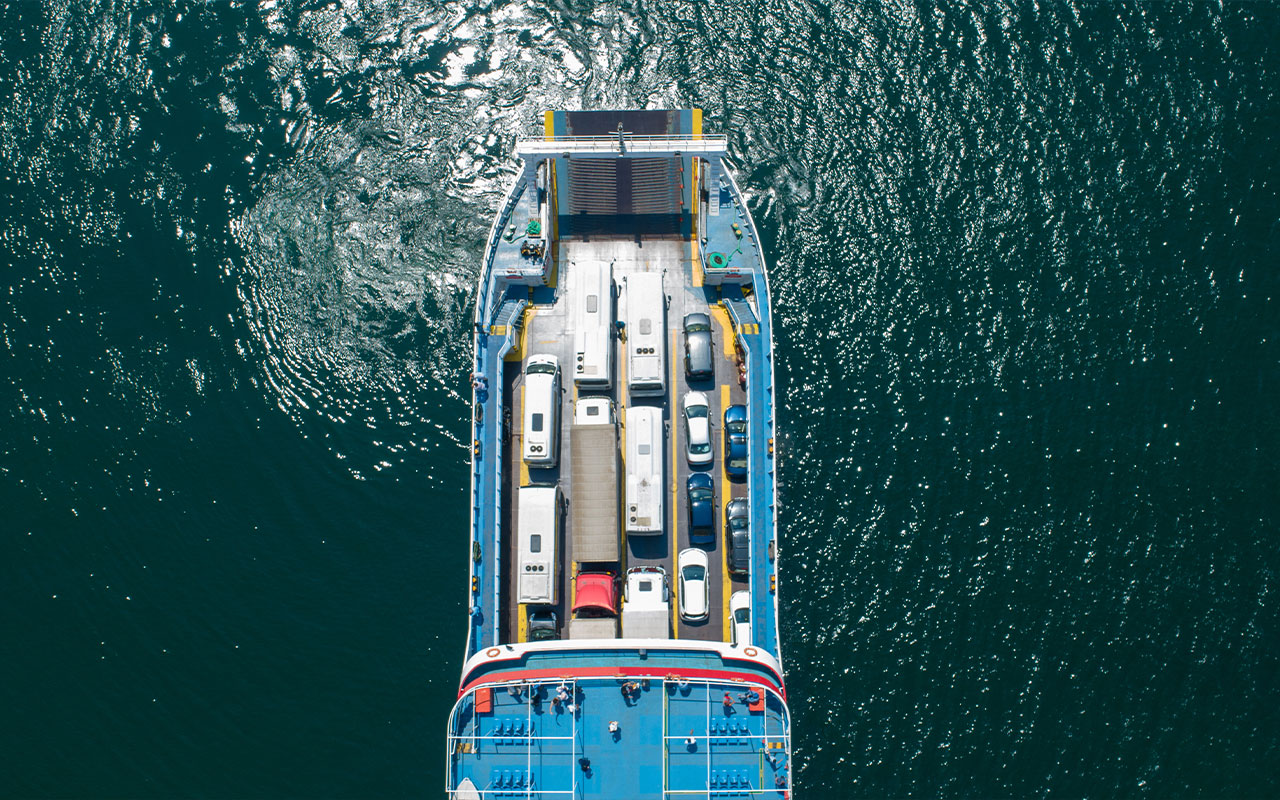

Do you dream of crossing the Channel to discover England? Taking a ferry from France to England is a unique experience that combines comfort, convenience and a change of scenery. Whether you want to go on a road trip with your car or simply enjoy a weekend getaway, there are several ferry connections available from different French ports. Embark on an unforgettable crossing to the British Isles!
The ferry crossing between France and England is an ideal alternative to the Eurotunnel. You can take your vehicle on board, enjoy the services on board and admire the maritime landscapes of the English Channel. From Calais to Cherbourg, via Dieppe or Saint-Malo, discover all the options available to you to reach the English towns of Dover, Portsmouth or Plymouth. This sea crossing is also the perfect way to start your holiday before visiting London or other British wonders.
Also read the London guide:
- Discover London: the royal visit
- Top 10 things to do in London
- Top 10 best hotels in London
- Top 11 culinary specialities in London
- Discover the 15 must-see places to visit in England
- Visit Cambridge University in England
1. From Calais to Dover: the fastest crossing
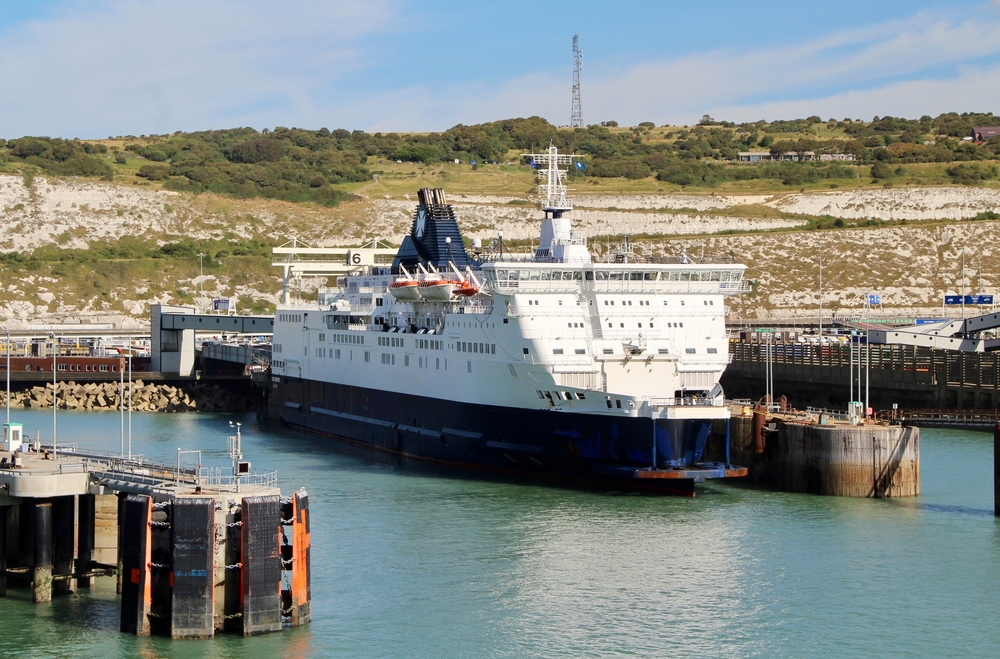
The sea link between Calais and Dover is undoubtedly the most popular ferry crossing to England from France. This legendary route takes you to the English coast in just 1? hours, making it the fastest option for travellers in a hurry.
Three major shipping companies operate this crossing daily: P&O Ferries offers up to 23 departures a day, DFDS Seaways operates around 15 crossings daily, and Irish Ferries completes the offer with several regular services. This exceptional frequency means you can plan your journey with great flexibility. The Port of Calais is just a 20-minute walk from Calais Ville railway station, and there are free shuttle buses for passengers with luggage.
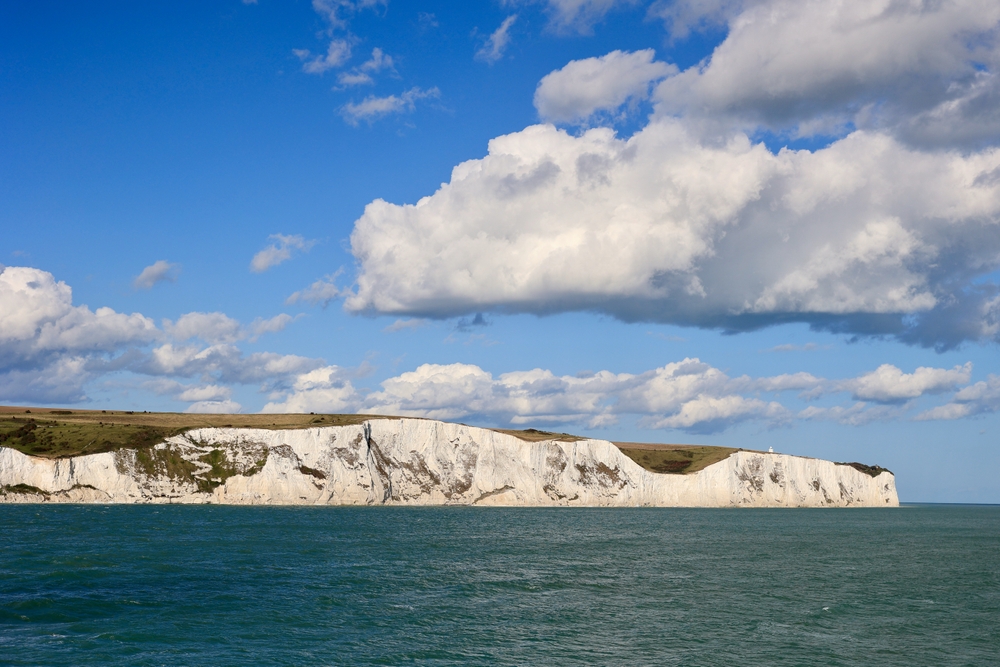
When you arrive in Dover, you’ll discover a charming port town dominated by its famous white cliffs. Be sure to visit the majestic Dover Castle, one of the most impressive historic sites in the south of England, before continuing your journey to London or other British destinations.
Download the audio tour to discover London on foot and on your own
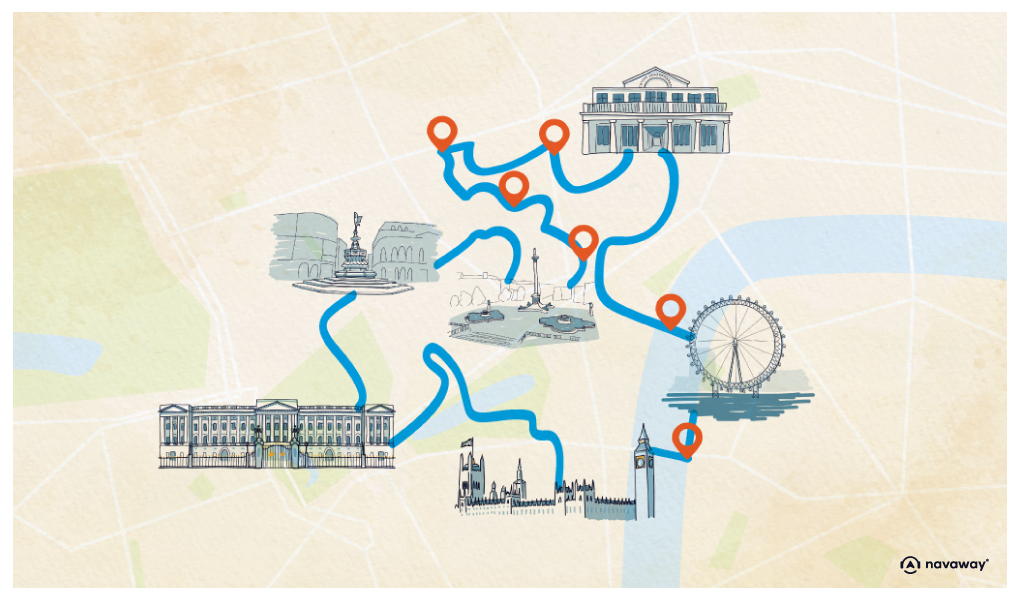
From Dover, London is just an hour and a half away. Make the most of your stay in the British capital to explore its legendary districts thanks to the Navaway audio tour of London. This 8 km route takes you to discover iconic monuments such as Big Ben, Buckingham Palace and Westminster Abbey, all at your own pace and in complete autonomy.
2. From Dunkirk to Dover: an alternative from the North
Just ten kilometres from the Belgian border, Dunkirk is an excellent alternative to Calais for ferrying to England. DFDS Seaways provides this service, with around 11 daily departures and a 2-hour crossing to Dover.
The Port of Dunkirk is easily accessible from the A16 motorway. If you arrive by train, allow around 20 minutes by taxi from the city centre station to the ferry terminal. Before you leave, take the time to wander around this industrial city with its rich maritime past and sample the local specialities, including the unmissable moules-frites or a generous platter of seafood.
This crossing gives you a little more time on board than on departure from Calais to take advantage of the ship’s facilities, do some duty-free shopping or simply relax and admire the sea.
3. Dieppe – Newhaven: heading for Sussex
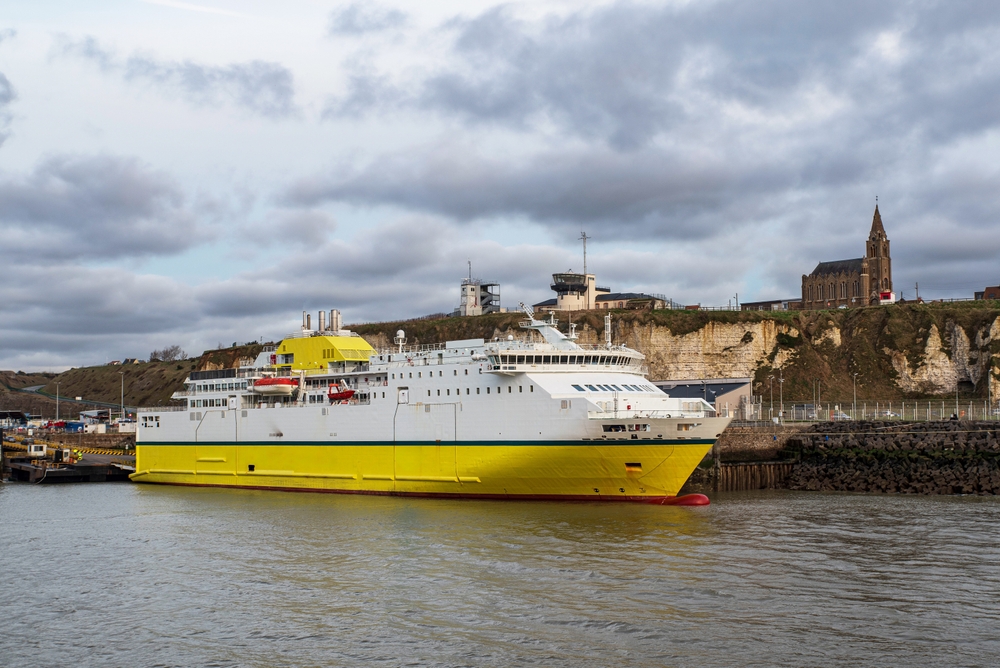
The crossing between Dieppe and Newhaven takes you to the south of England, to the charming county of Sussex. DFDS Seaways operates this route with 21 weekly departures, for a crossing time of around 4 hours. This longer crossing time allows you to really enjoy the experience on board and soak up the maritime atmosphere.
Dieppe, located in Normandy on the Channel coast, is famous for its castle-museum, its remarkable architecture and its delicious scallops. The town centre is just 3 kilometres from the port, which is easily accessible by public transport from Paris. On arrival in Newhaven, you will be around 20 minutes from the lively seaside resort of Brighton, perfect for a stopover before continuing on to London or other destinations in the south of England.
4. Le Havre – Portsmouth: heading for the English south coast
The sea link between Le Havre and Portsmouth is a 5h15 crossing operated by Brittany Ferries, with 11 weekly departures. This route takes you directly to the south coast of England and avoids the more congested ports of northern France.
The port of Le Havre, France’s second-largest, is remarkably well served. The train station is 1.5 km from the terminal, and free shuttle buses provide connections at ferry departure and arrival times. If you’re coming by car, take the A13 motorway and follow the signs for the E5 – it’s just 15 km from the motorway exit. Before boarding the ferry, take a moment to explore this city, which was completely rebuilt after the Second World War and is a UNESCO World Heritage Site.
Portsmouth, your port of arrival, is a historic port city with many maritime attractions. Portsmouth Historic Dockyard is home to legendary ships such as HMS Victory, and the Spinnaker Tower offers spectacular panoramic views of the coastline.
5. Caen (Ouistreham) – Portsmouth: at the heart of Norman history
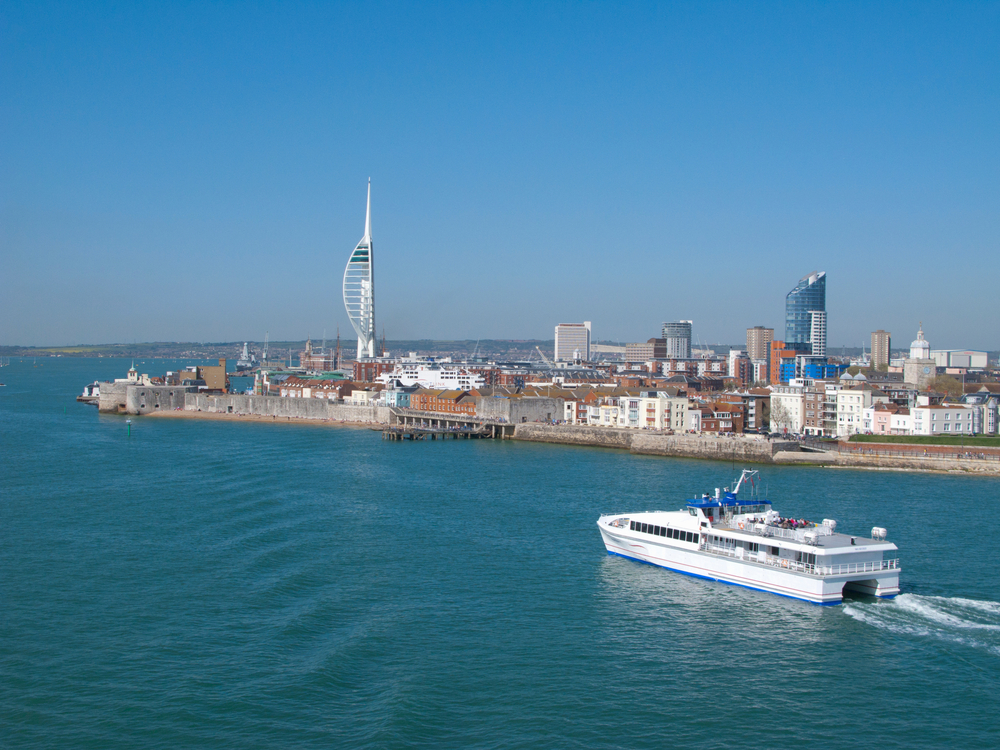
The port of Caen-Ouistreham, close to the famous D-Day landing beaches, offers a regular service to Portsmouth with Brittany Ferries. The crossing takes 5 hours 45 minutes and there are 21 weekly departures, so you can plan your trip with complete flexibility.
The terminal is 20 kilometres from the centre of Caen. To get there by car, follow the signs for “Ouistreham/Car Ferry” from the ring road and take the “Porte d’Angleterre” exit. There is a regular bus service from the town centre to the port, and taxis are available at peak times. This strategic location means you can combine your crossing with a visit to the historic sites of the Normandy Landings.
Portsmouth, a city that was heavily bombed during the Second World War, now has a harmonious blend of ancient heritage and modern architecture along its beaches. It’s the ideal base from which to explore the south of England.
6. Cherbourg to England: a choice of two destinations
Cherbourg, home of the Vikings in north-west France, offers two ferry links to England operated by Brittany Ferries. Depending on your final destination, you can choose between Poole and Portsmouth.
The crossing to Poole has 10 weekly departures and lasts 4? hours. You’ll arrive in this picturesque medieval town in Dorset, on the south coast of England. The alternative route to Portsmouth offers 9 sailings a week with a shorter crossing of around 3 hours, ideal for a quick trip to the south of England.
The port of Cherbourg can be reached via the D901, which is clearly signposted from the main roads. The railway station is just a 5-minute taxi ride from the terminal. Before you leave, take the time to discover this charming tourist town, rich in maritime heritage and cultural attractions.
7. Saint-Malo – Portsmouth: the Breton crossing
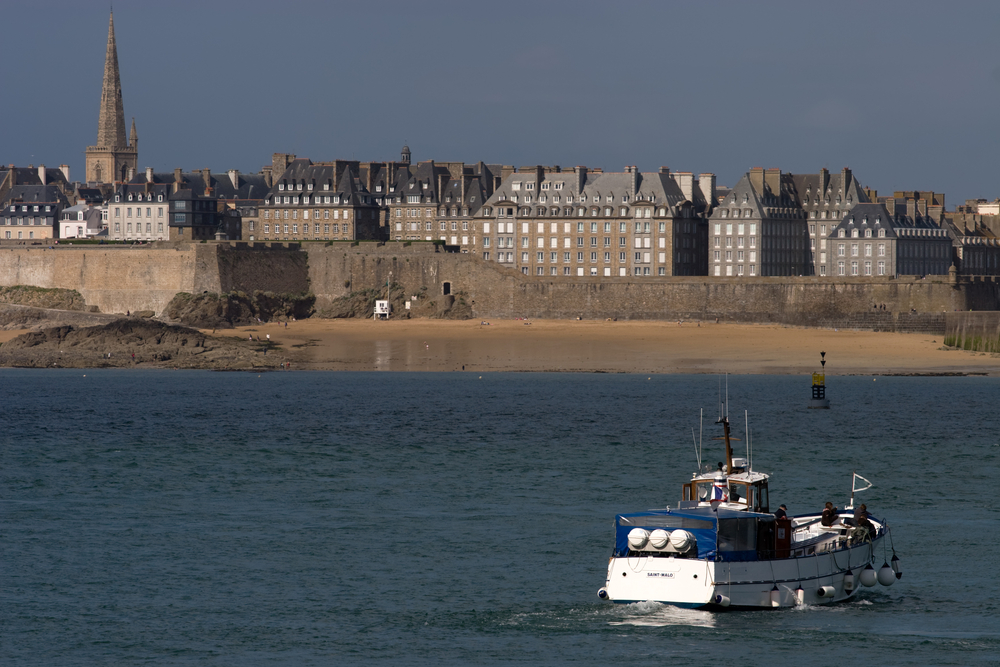
From the magnificent corsair town of Saint-Malo, Brittany Ferries operates 7 weekly crossings to Portsmouth. This 8.50-hour service offers you a real mini-cruise, perfect for relaxing and taking full advantage of the facilities on board.
The port of Saint-Malo is just a few minutes from the walled city centre. Taxis will take you there for around €10 from the station or the historic centre. A chargeable bus also runs between the city and the port and between the station and the port every 20 minutes. The station is about 25 minutes’ walk from the terminal if you prefer to walk. Before you leave, let yourself be guided through the cobbled streets of this town of incomparable charm and sample some of Brittany’s famous specialities.
This longer crossing allows you to really switch off and enjoy a night on board in the comfortable cabins offered by the company.
8. Roscoff – Plymouth: destination Cornwall
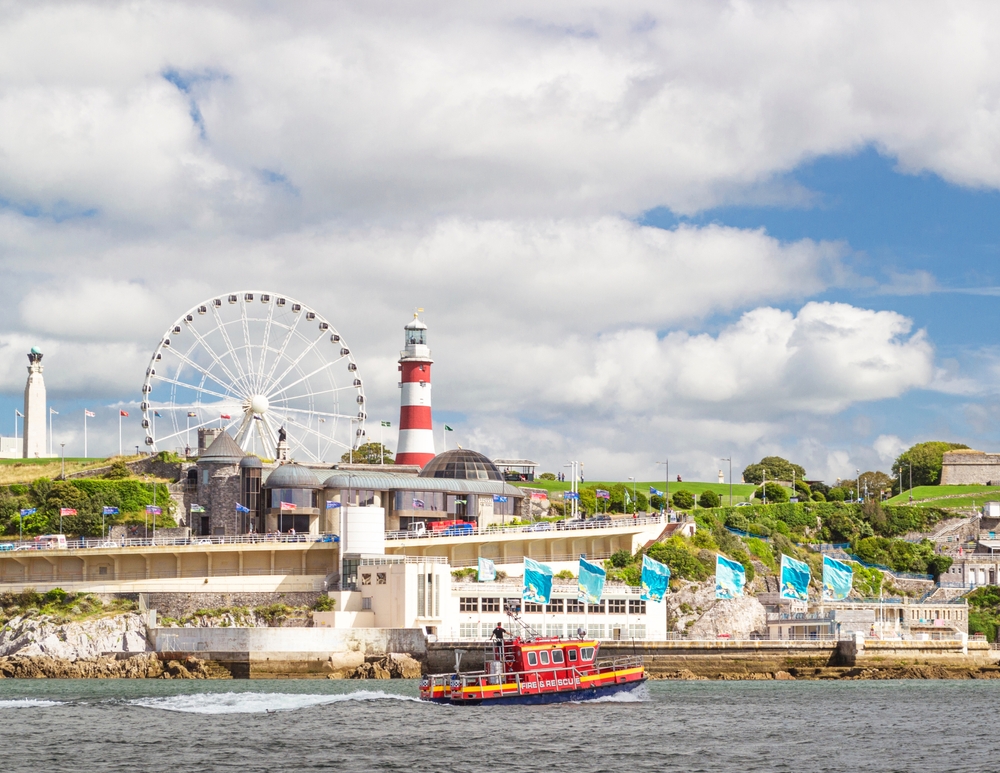
The crossing between Roscoff and Plymouth, operated by Brittany Ferries, takes you to the South West of England with 9 weekly departures and a minimum journey time of 5? hours. This route allows you to discover Plymouth, a city renowned for its exceptional maritime heritage and its well-preserved historic quarter.
Roscoff, a charming port town in Brittany, is renowned for its sublime architecture and characterful houses. Access to the terminal is easy via the expressway: follow the N12 to Morlaix, then continue towards Roscoff following the signs. The station and town centre are close to the port (around 20 minutes’ walk), and taxis are available by prior arrangement. There is also a regular bus service from Morlaix to Roscoff, which takes around 35 minutes.
This crossing is ideal for those wishing to explore English Cornwall, a region renowned for its spectacular coastal scenery and picturesque villages. Make the most of your time in Roscoff to relax in one of the thalassotherapy centres or sample the delicious Breton crêpes and galettes before you leave.
9. Eurotunnel The Shuttle: the overland alternative
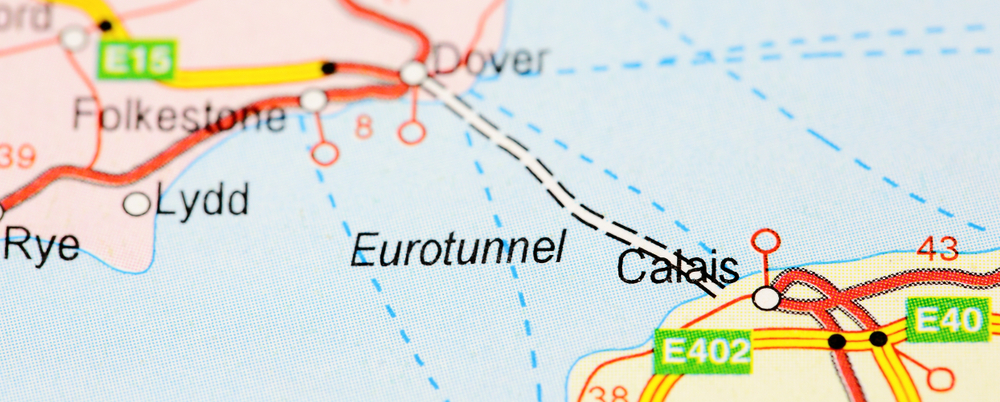
Although not strictly speaking a ferry, the Eurotunnel Le Shuttle deserves a mention as an alternative way of crossing the Channel. From Calais, this option takes you to Folkestone in just 35 minutes, with an exceptional frequency of up to 4 departures per hour.
Access to the Eurotunnel terminal is via exit 42 of the A16 motorway, following the Channel Tunnel signs. This ultra-fast solution is particularly appealing to travellers in a hurry or those who prefer to minimise the crossing time. However, it does not offer you the same maritime experience or the opportunity to take advantage of the on-board services offered by the ferries.
10. Preparing for your ferry crossing: documents and formalities
To make your ferry crossing from France to England, make sure you have a valid passport. Since Brexit, a simple identity card is no longer enough to enter the United Kingdom. Minors must hold an authorisation to leave the country signed by a person with parental authority, accompanied by a photocopy of the latter’s identity document. Children under the age of 16 may not travel alone. Pregnant women must present a medical certificate authorising them to travel.
Check-in begins with border controls, including checking your passport and your vehicle if you are travelling with one. Arrive at the port at least 1 hour before departure, or 1.5 hours if you are travelling with a pet or in a group of 10 or more. After check-in, you can relax in a lounge area with cafés and restaurants. Children’s play areas are also available in most terminals.
As you approach disembarkation, you will be given instructions and asked to vacate your cabins or seats early. Once ashore, various means of transport (taxis, buses, free shuttles) will enable you to reach your final destination easily.
11. Booking a ferry ticket: tips and advice
Online booking is highly recommended to take advantage of the best fares and guarantee your seat, particularly in high season. Prices vary considerably depending on the period, the company and the booking deadline. You should generally expect to pay between €50 and €200 for a crossing with one vehicle and two passengers, depending on the season and how early you book.
To book, enter the details of your crossing on the comparison websites or directly with the companies: destinations, number of passengers and their ages, whether you are crossing on foot or with a vehicle. You can then take out cancellation or change insurance as required. The site also allows you to refine your preferences: type of seat, access to the lounge, cabin reservation for long crossings.
Once you have filled in the passenger details and your contact details, you will receive your booking confirmation by email. Keep this in a safe place, as it will indicate the check-in time. Although it is possible to buy your ticket directly at the port, this is a risky option due to limited availability, particularly during school holidays and long weekends.
12. On board the ferry: services and facilities
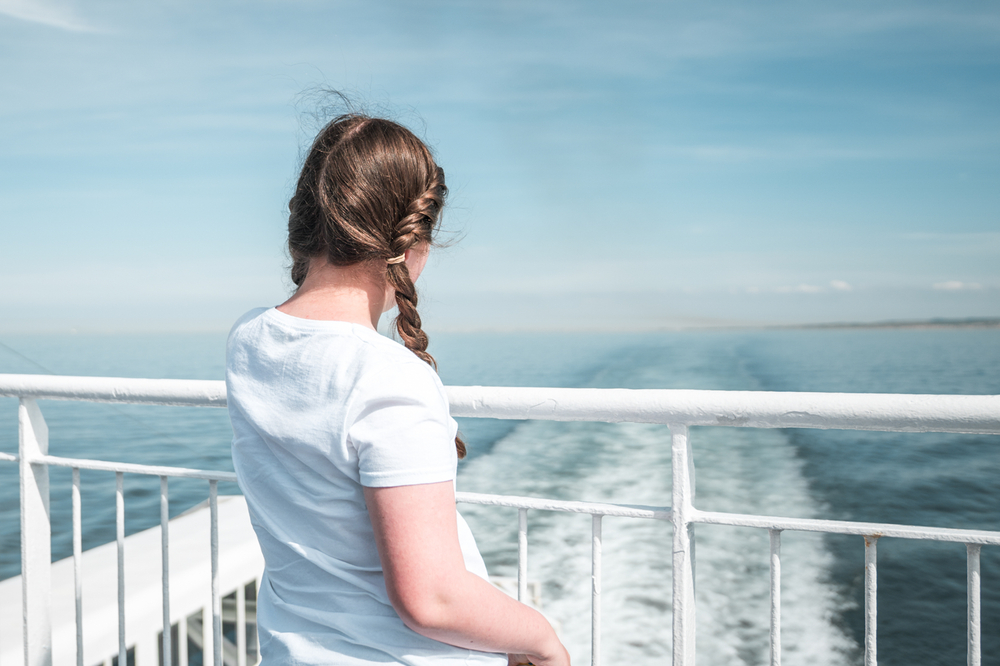
The modern ferries operating between France and England offer a remarkable level of comfort. Depending on the company and the ship, you can enjoy a wide range of services during your crossing. Restaurants and cafeterias offer everything from quick snacks to gourmet meals. Duty-free shops allow you to shop at bargain prices, particularly for alcohol, tobacco and perfumes.
For longer crossings, we strongly recommend that you book a cabin so that you can rest in comfort. The ships also have children’s play areas, cinemas and sometimes even casinos. There are also outdoor areas where you can get some fresh air and admire the sea views. WiFi is generally available on board, sometimes at an extra cost. For travellers with their own vehicles, there are secure parking decks for cars, motorbikes, camper vans and bicycles.
Companies like Brittany Ferries, P&O Ferries and DFDS strive to make your crossing as comfortable as possible. Don’t hesitate to let yourself be guided on board to discover all the services available and make the most of this maritime interlude before arriving in England.
13. Travelling with your vehicle: what you need to know
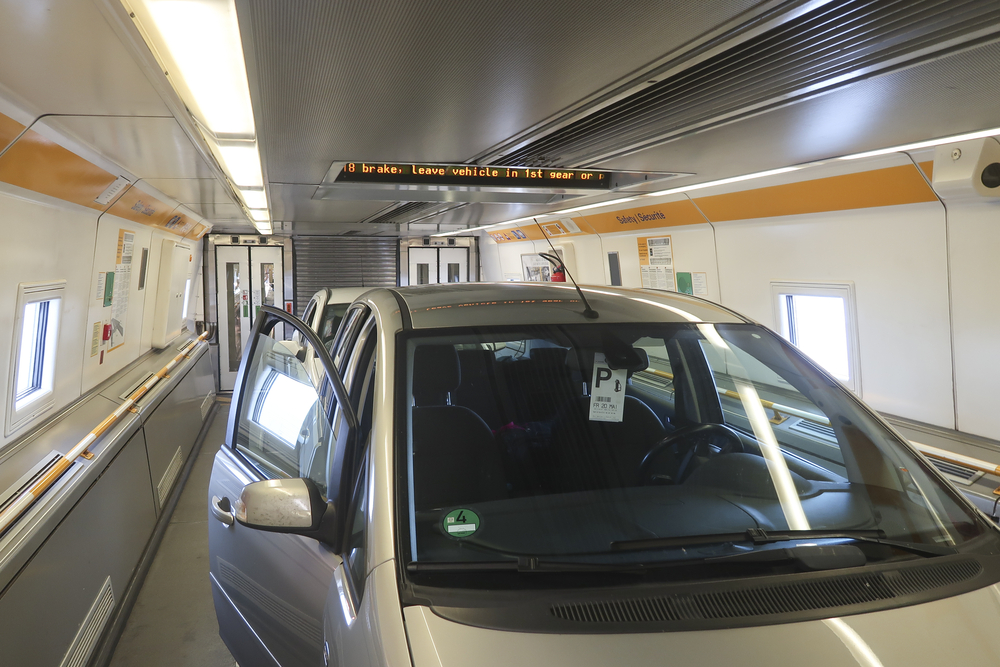
One of the great advantages of the ferry is that you can take your vehicle with you, whether it’s a car, motorbike, camper van or even a bicycle. This flexibility allows you to explore England in complete freedom once you arrive at your destination. Rates generally include the vehicle and a set number of passengers, with possible supplements depending on the size of the vehicle.
Before embarking, make sure your vehicle is in good working order and that you have all the necessary documents: valid driving licence, vehicle registration document, insurance with UK extension. Don’t forget that driving in England is on the left! Take the time to familiarise yourself with this particularity before taking to the road.
Once on board, you will have to leave your vehicle on the car deck and will generally not be able to access it during the crossing for safety reasons. So take everything you need with you to the passenger areas: travel documents, entertainment for children, warm clothes if you want to enjoy the outside decks.
14. Travelling with pets
If you want to take your dog or cat to England, you can do so by ferry! Ferry companies accept pets, but only under certain conditions. Your pet must be identified by microchip, vaccinated against rabies, and have an up-to-date European pet passport.
Depending on the company and the type of ship, you have several options: some ferries offer cabins that accept pets, while others have air-conditioned kennels on board where your companion will be comfortable during the crossing. On some short crossings, you can keep your pet in your vehicle on the car deck. Remember to book in advance and indicate the presence of your pet when making your reservation.
Arrive at the port an extra 30 minutes early if you are travelling with a pet, to facilitate boarding formalities. Fares for pets vary from company to company, generally between €20 and €50 per pet per crossing.
15. The best times to cross the Channel
The ideal time to make your ferry crossing to England depends on your preferences and travel objectives. The summer months, from June to August, offer the best weather conditions, with generally milder weather and calmer seas. This is also the peak tourist season, with full ferries and higher fares.
200 audioguided tours for cities all around the world
Download