Discover Seoul by district

A fascinating megalopolis where tradition and modernity coexist harmoniously, Seoul is best explored district by district. The South Korean capital, with its population of over 10 million, offers a mosaic of distinct faces: from the cobbled streets of the Hanok village of Bukchon to the futuristic skyscrapers of Gangnam, via the commercial bustle of Myeongdong and the bohemian atmosphere of Hongdae. To visit Seoul effectively and fully grasp the richness of this sprawling city, you need to explore it by geographical area. This detailed guide takes you on a journey of discovery through the emblematic districts of the Korean metropolis, each revealing a unique facet of the Seoulese soul.
200 audioguided tours for cities all around the world
DownloadSee also the Seoul guide :
- Top 6 things to do in Seoul
- Top 5 best hotels in Seoul
- Top 10 culinary specialities in Seoul
- Seoul, K-pop destination: festivals, concerts and Korean culture
- South Korea: 7 must-visit towns in this fascinating country
1. Bukchon Hanok Village, the traditional village
Nestling between the Gyeongbokgung and Changdeokgung palaces, Bukchon Hanok Village preserves over 900 traditional Korean houses (hanok) dating back 600 years. This authentic residential district offers a journey back in time through its sloping cobbled streets, stone walls and curved tiled roofs characteristic of Joseon architecture.
Unlike villages reconstituted for tourist purposes, Bukchon remains an inhabited area where several hundred families still live. This authenticity gives the area a special charm, but also means that certain rules must be observed: silence in the alleyways, no smoking and no eating while walking. Many hanok have been transformed into guest houses, cultural centres, museums, restaurants or tea rooms, giving visitors a chance to experience the traditional Korean way of life.
The village offers eight signposted walking routes, including the famous Viewpoint 2, which offers a postcard panorama of tiled roofs with the modern skyline of Seoul in the background. This striking juxtaposition of tradition and modernity perfectly symbolises the duality of the South Korean capital. As you wander through Bukchon, you’ll also come across a number of workshops where you can watch craftsmen and artists perpetuating their age-old skills: making traditional Hanji paper, embroidery, painting and calligraphy.
Download the audio tour to discover Seoul on foot and on your own
To make sure you don’t miss out on any of the treasures of Bukchon and the other historic districts, the Navaway itinerary for visiting Seoul guides you step by step through 19 major points of interest with enriching audio commentary. This intuitive application lets you explore the Korean capital on your own, at your own pace, with no time constraints or tourist groups.
2. Insadong, the artists’ and antique dealers’ district
Perpendicular to the main artery of Jongno, the Insadong district represents the artistic and cultural soul of Seoul. This lively pedestrian area is home to traditional art galleries, antique shops, authentic teahouses and craft workshops. It’s the perfect place to immerse yourself in ancient Korean culture while picking up quality handcrafted souvenirs.
The main street of Insadong-gil, which is closed to traffic at weekends, is teeming with small stalls selling calligraphy, ceramics, painted fans and lacquerware. Adjacent alleyways reveal charming courtyards housing traditional tea rooms where you can enjoy Korean tea accompanied by local pastries in a Zen atmosphere.
The Ssamziegil shopping centre is the district’s star attraction. This four-storey spiral complex offers a careful selection of contemporary Korean handicrafts: jewellery, clothing, accessories and decorative items. Its original architecture, in the form of a continuous ramp, allows you to climb gradually up to the panoramic terrace offering a beautiful view of the district’s rooftops.
Just a stone’s throw from Insadong is the Jogyesa temple, the spiritual centre of Korean Zen Buddhism. This urban temple, with its colourful architecture and thousands of lanterns, offers a haven of serenity in the midst of urban bustle. During Buddha’s birthday celebrations in May, the temple and surrounding streets are adorned with thousands of multicoloured lanterns, creating a magical spectacle.
3. Jongno, the historic heart of Seoul
Jongno has been the historical epicentre of Seoul for over 600 years. This district, which served as a political and cultural centre during the Joseon dynasty, is now home to some of the capital’s most precious heritage treasures. This is where the traditional heart of the Korean metropolis beats.
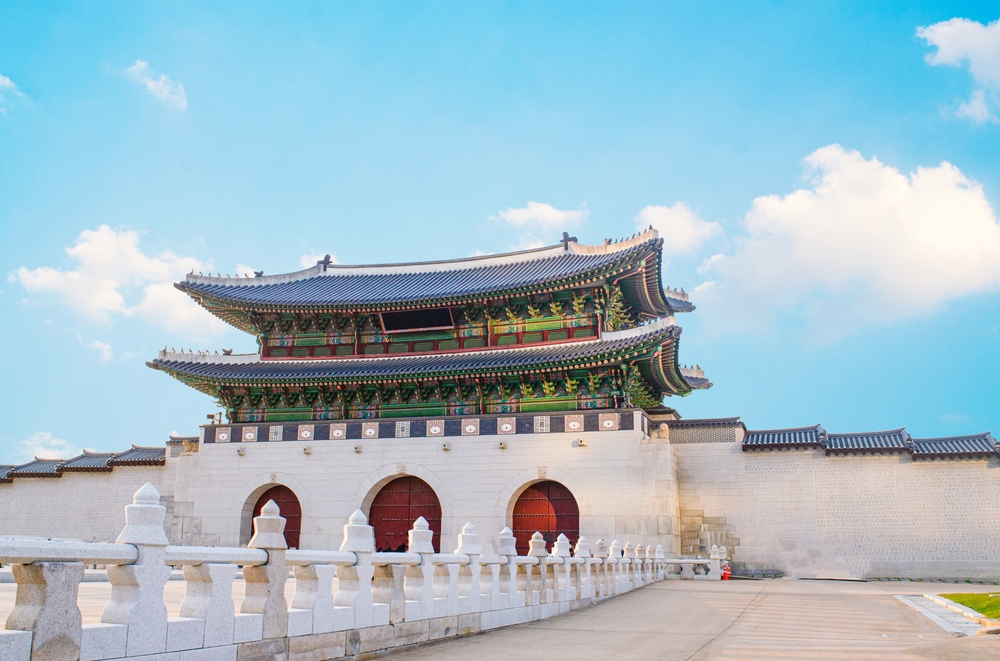
At the heart of Jongno stands the majestic Gyeongbokgung Palace, the largest and most emblematic of Seoul’s five royal palaces. Built in 1395, this impressive palace complex covers 410,000 m² and contains almost 7,700 rooms. The changing of the guard, which takes place three times a day in front of the Gwanghwamun Gate, is a colourful spectacle that immerses visitors in the atmosphere of the Joseon royal court.
Not far from the palace, the Jongmyo sanctuary, a UNESCO World Heritage Site, is well worth a visit. This Confucian shrine, the longest wooden building in Asia, was used to honour the ancestral tablets of the kings and queens of the Joseon dynasty. Every first Sunday in May, a spectacular ritual ceremony, the Jongmyo Daeje, is held here, with dances, traditional music and period costumes.
The district is also notable for Gwanghwamun Square, the very heart of Seoul, where the statues of King Sejong the Great and Admiral Yi Sun-sin, two major figures in Korean history, take pride of place. This monumental esplanade offers a breathtaking view of the surrounding mountains and is the ideal starting point for exploring the historic centre. The Navaway audioguide tour will take you through all these emblematic sites to help you discover more about Seoul’s heritage.
4. Samcheong-dong, the bohemian and creative district
A natural extension of Bukchon to the north, Samcheong-dong is characterised by its relaxed, artistic atmosphere. This hilly district has a harmonious mix of renovated hanok housing contemporary art galleries, design cafés, designer boutiques and trendy restaurants. Samcheong-dong-gil, the main thoroughfare, exudes a European ambience with its century-old trees, café terraces and peaceful pace.
Art lovers will particularly appreciate Seoul’s National Museum of Modern and Contemporary Art (MMCA), housed in a building with remarkable architecture combining traditional and contemporary influences. Its permanent collections and temporary exhibitions showcase the best of Korean and international artistic creation. Admission is generally free, making it a cultural stop-off accessible to all.
The district also boasts a number of small independent galleries tucked away in the side streets, regularly revealing young Korean talent. This creative effervescence attracts a young, trendy clientele, giving Samcheong-dong a resolutely contemporary energy while preserving its historic character. At weekends, the main street becomes a favourite strolling spot for Seoulese in search of tranquillity and gastronomic delights.
5. Myeongdong, the temple of shopping
The epicentre of shopping in Seoul, Myeongdong concentrates an extraordinary density of boutiques, shopping centres, Korean cosmetics brands and restaurants in just a few pedestrian streets. This ultra-touristy district bustles with activity from morning till night, attracting foreign visitors as well as Koreans from all over the country who come to do their shopping.
The K-beauty brands reign supreme here, with their flashy shop windows and dynamic sales staff generously handing out samples and face masks. Innisfree, Etude House, Tony Moly and The Face Shop are all found on several floors, offering a dizzying array of beauty products at attractive prices. This unique concentration makes Myeongdong a mecca for beauty addicts from all over the world.
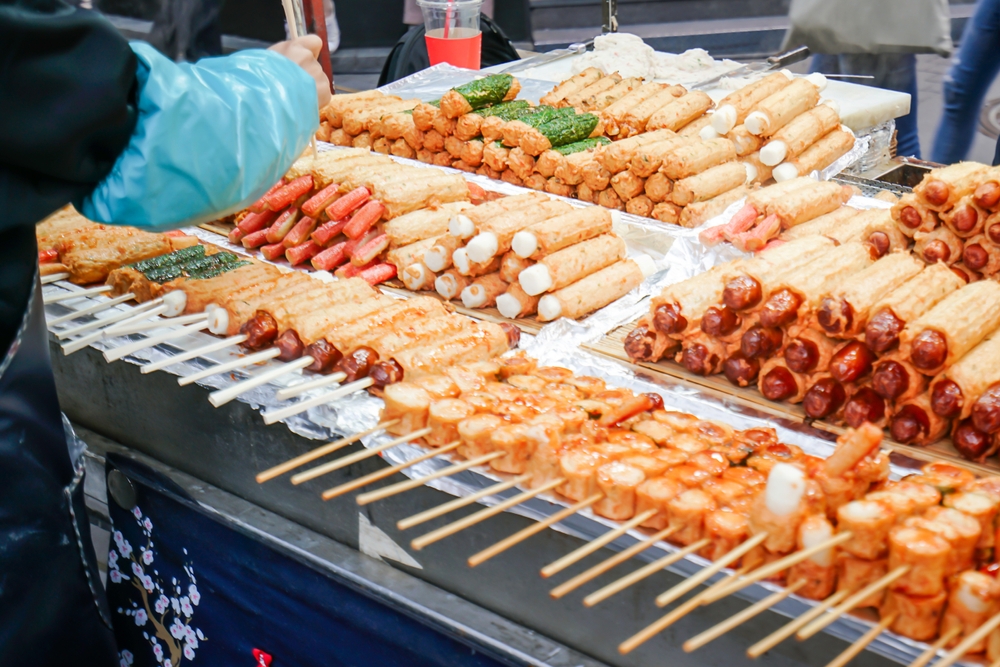
As well as shopping, the district also boasts a rich culinary scene, with numerous street food stalls offering Korean specialities and international snacks. Tteokbokki (spicy rice cakes), hotteok (sweet pancakes), fried cheese kebabs, Korean fried chicken: the street food scene caters for all tastes at all times. At night, Myeongdong reveals a different side, with its illuminated signs and festive atmosphere reminiscent of Tokyo or Hong Kong.
Myeongdong Cathedral, Korea’s first Gothic-style Catholic church built in 1898, majestically dominates the district. This imposing red brick structure offers a striking contrast to the surrounding commercial hubbub, and is well worth a visit for its remarkable architecture and its historic role in the democratisation of the country.
6. Dongdaemun, the fashion district
Located to the east of the historic city centre, Dongdaemun is the heart of Korea’s textile and fashion industry. This sprawling commercial district is home to more than 30 shopping centres and markets operating 24 hours a day, supplying both private customers and fashion professionals from all over the world. The intense activity day and night gives Dongdaemun a unique energy.
The huge Doota, Migliore, Hello apM and Nuzzon Mall complexes offer thousands of shops spread over several floors, selling clothes, shoes and accessories at wholesale or semi-wholesale prices. Activity peaks at night, from 10pm to 5am, when wholesalers come to stock up on new merchandise. This makes Dongdaemun a truly unique shopping destination.
The Dongdaemun Design Plaza (DDP), designed by architect Zaha Hadid, brings a futuristic touch of modernity to the district. This immense cultural complex with its organic silver shapes houses exhibition halls, design boutiques, cafés and event spaces. At night, the illuminated building offers a striking architectural spectacle. The Design Market, held regularly at night, is a chance to discover the creations of young independent Korean designers.
There are also traditional markets nearby, such as the Gwangjang market, one of the oldest in Seoul (1905), renowned for its section dedicated to authentic Korean street food. It’s the ideal place to try bibimbap, bindaetteok (mung bean cake) and other local specialities in a popular and friendly atmosphere. Let yourself be guided by your Navaway audio tour to discover these must-see places without missing a single one.
7. Itaewon, the international district
Renowned as Seoul’s most cosmopolitan district, Itaewon has for decades been home to a large expatriate community and boasts a cultural diversity that is unique in the capital. Formerly a US military zone, the area has retained a distinctly international atmosphere, evident in its eclectic range of restaurants and English-language signage.
Itaewon’s main street is home to restaurants from all over the world: Indian, Mexican, Turkish, Thai, Italian and French cuisine rub shoulders with traditional Korean establishments. This gastronomic diversity, unrivalled in the capital, makes Itaewon the destination of choice for Seoulese in search of exotic flavours. Prices are generally higher than elsewhere in the city, reflecting the upmarket positioning of many establishments.
The district is also a hot spot for Seoul’s nightlife, with countless bars, clubs and lounges frequented by expatriates and Koreans alike. Homo Hill, a gay-friendly district within Itaewon, is home to bars, clubs and restaurants with an inclusive and open atmosphere. This relative tolerance makes it a much-appreciated area of freedom in a Korean society that is still sometimes conservative.
In recent years, the Itaewon area has expanded towards Hannam-dong, which has become Seoul’s new trendy district. Hannam-dong attracts a young, affluent clientele with its concept stores, designer cafés and innovative fusion restaurants. The Hannam The Hill complex, with its luxury boutiques and contemporary art galleries, symbolises this gradual move upmarket.
8. Hongdae, the student and party district
Gravity around Hongik University, which specialises in the arts, the Hongdae district embodies Seoul’s creative and alternative youth. This energetic area attracts students, artists and underground culture lovers thanks to its relaxed atmosphere, live concerts, clubs, vintage shops and ubiquitous street art.
The pedestrianised streets of Hongdae play host to street artists, amateur K-pop dancers and independent musicians who transform the district into a permanent open stage. At weekends, the Free Market allows young designers to showcase their work: jewellery, illustrations, customised clothing and decorative objects. This creative effervescence gives Hongdae a bohemian identity that is unique in Seoul.
Hongdaesque nightlife rivals that of Itaewon, but in a younger, more relaxed vein. Indie clubs, bars with offbeat themes (video games, manhwa, cats), colourful karaoke and clubs playing K-pop and electro are all concentrated in a small area, making for easy bar crawls. On Friday and Saturday nights, Hongdae is transformed into a gigantic open-air party where young Seoulese come to have fun until the early hours.
The district also boasts a thriving culinary scene marked by innovation and fusion. From revisited Korean restaurants and Asia-Western fusion establishments to eccentric themed cafés, Hongdae cultivates originality in its culinary offerings. Chicken & beer, a local speciality, can be enjoyed here in countless late-night establishments.
9. Gangnam, the business district
Made world-famous by Psy’s song of the same name, Gangnam represents the modern, luxurious and dynamic face of Seoul. Located south of the Han River, this business district is home to the headquarters of chaebols (Korean conglomerates), luxury boutiques, gourmet restaurants and select clubs frequented by the Seoulese elite.
Gangnam-daero Avenue, the district’s main thoroughfare, impresses with its futuristic buildings housing offices, shopping centres and five-star hotels. The COEX, the largest underground shopping centre in the world at 260,000 m², is the area’s star attraction. This gigantic complex includes shops, cinemas, an aquarium, the Starfield Library and a conference centre. The Starfield Library, with its monumental shelves rising three storeys high, has become a must-see Instagram spot.
Rue Garosu-gil, nicknamed the Korean Champs-Élysées, is home to designer boutiques, flagship stores for international brands, trendy cafés and contemporary art galleries. The hundred-year-old trees lining the pavements provide a welcome touch of greenery in this ultra-urban environment. At weekends, Garosu-gil is transformed into a popular strolling area, where strutting your stuff in the latest fashion is still a national sport.
Despite its image as a flashy, superficial district, Gangnam has a few cultural surprises in store, such as the Bongeunsa temple, a haven of Buddhist peace nestled at the foot of the skyscrapers. This striking juxtaposition of age-old spirituality and unbridled modernity symbolises the complexity of contemporary Seoulese identity. To explore all these districts without getting lost, discover the Navaway itinerary that accompanies you on your visit to Seoul.
10. Apgujeong, the luxury and K-beauty district
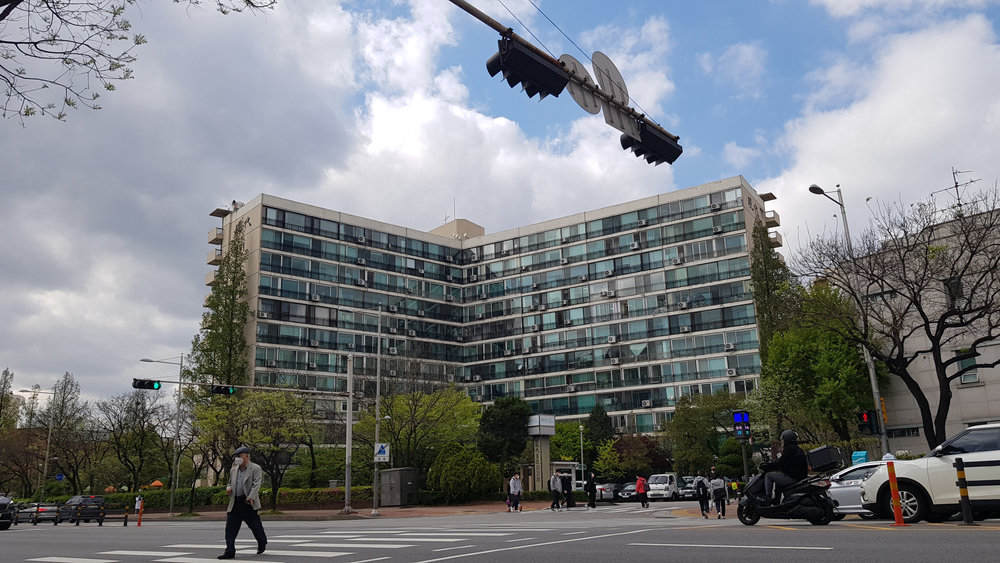
A chic extension of Gangnam, Apgujeong-dong is the epitome of Korean luxury. This upmarket residential area is home to the country’s most renowned cosmetic surgery clinics, fuelling the medical tourism that attracts thousands of foreign patients every year. The streets of Apgujeong are a testament to Korea’s obsession with appearance, with an exceptional concentration of beauty salons, high-end hair salons and premium cosmetics shops.
Apgujeong’s Rodeo Street rivals Garosu-gil when it comes to luxury shopping, offering a mix of prestigious international brands (Chanel, Hermès, Louis Vuitton) and emerging Korean designers. The bold, modern architecture of the shops contributes to the exclusive atmosphere of the area. The prices charged clearly reflect the district’s upmarket positioning.
Apgujeong also attracts K-pop fans thanks to the proximity of the branches of the main boybands and girlbands: SM Entertainment, JYP Entertainment. If you’re lucky, you might bump into Korean idols in the district’s cafés and restaurants. Some establishments even proudly display photos of the celebrities who frequent them, turning the simple act of having a coffee into a starwatching experience.
11. Namsan and the surrounding area, Seoul’s green lung
Mount Namsan, 262 metres high in the heart of Seoul, offers a welcome natural breathing space in this dense megalopolis. The surrounding Namsan Park offers a number of hiking trails that allow visitors to escape the hustle and bustle of the city while remaining right in the city centre. This unique proximity between nature and urbanity is characteristic of Seoul’s approach to spatial planning.
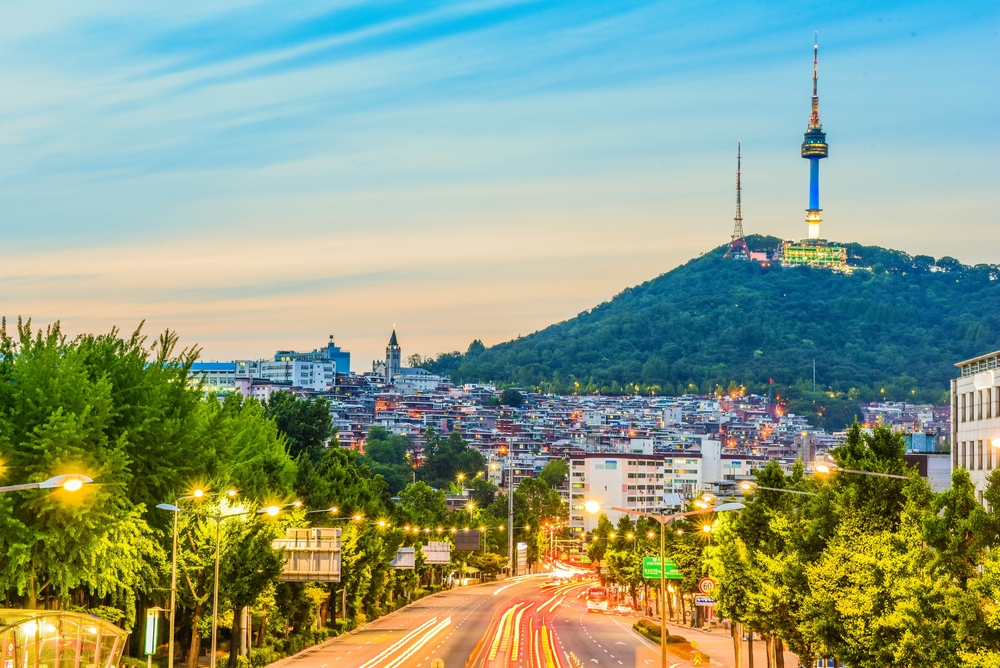
At the top is the famous N Seoul Tower, a telecommunications tower that has become an iconic symbol of the capital. At 236 metres high (480 metres above sea level), the observatory offers a breathtaking 360° panorama of the vastness of Seoul and its surrounding mountains. At night, the tower, illuminated in changing colours, can be seen from almost anywhere in the city. The thousands of love padlocks hanging from the terrace railings are testament to the popularity of the place with Korean couples.
The Namsangol district, at the foot of the mountain, recreates a traditional Korean village with five authentic hanok moved from different parts of the country. This open-air museum provides an insight into the yangban (aristocratic) lifestyle of the Joseon dynasty. Demonstrations of traditional crafts and folk dance performances are regularly held here, offering a cultural immersion experience that is free of charge.
12. Practical tips for visiting Seoul by district
To get the most out of your visit to Seoul, take a thematic approach, devoting a day (or half a day) to each district. This way, you can fully appreciate the identity of each area without wasting time travelling from place to place. The Seoul metro, with its 23 lines and English-language announcements, is remarkably efficient, making it easy to move from one district to another.
Get a T-money card as soon as you arrive: this rechargeable card allows you to use all public transport (metro, bus) and even to pay in certain shops. It also offers a small discount on journeys and saves you the hassle of buying individual tickets. Metro stations have handy lockers where you can leave your purchases between visits.
The language barrier can be intimidating, but many Seoulese, especially young people, speak enough English to help you. In tourist areas (Myeongdong, Itaewon, Hongdae), bilingual menus and signs make the experience much easier. The Papago application (Naver translator) is extremely useful for translating texts and conversations instantly, thanks to its photo and voice function.
In terms of budget, allow around 50,000 to 70,000 won per person per day (€40-55) to cover transport, meals and entrance to tourist sites. This budget will allow you to eat well in local restaurants, use public transport without restriction and visit the main attractions for which admission is charged. Royal palaces, temples and some museums offer free or very low-cost admission.
Spring (April-May) and autumn (September-October) are the ideal times to visit Seoul. The mild, pleasant temperatures make it easy to stroll around the city’s districts. The cherry blossom in April transforms the city into an impressionist painting, while the autumn foliage adorns the parks and mountains in flamboyant colours. Avoid July-August, which are very hot and humid, and January-February, which are freezing with frequent sub-zero temperatures.
In conclusion, visiting Seoul district by district allows you to grasp all the richness and diversity of this fascinating capital where thousand-year-old tradition and hyper-modernity coexist harmoniously. From the quiet backstreets of Bukchon to the bustling nightlife of Hongdae, from the spirituality of the Jogyesa temple to the consumerist glitz of Myeongdong, each area reveals a unique facet of Seoul’s identity. To make the most of your stay without missing any of the must-sees, the Navaway app accompanies you step by step with its informative audio guides and intuitive navigation, turning your exploration into an unforgettable experience.
FAQ – Frequently asked questions about visiting Seoul
How many days does it take to visit Seoul?
Allow at least 4 to 5 days to discover the main districts of Seoul and its must-see sites. A week allows you to explore the city at a more leisurely pace and include excursions to the surrounding areas, such as the DMZ or Suwon Fortress.
Where is the best place to stay in Seoul?
For a first stay, Myeongdong offers a central location with excellent transport links. Hongdae is suitable for travellers looking for a young and festive atmosphere, while Itaewon will appeal to visitors who appreciate an international environment. Gangnam offers upmarket accommodation in a modern district.
Can you visit Seoul without speaking Korean?
Yes, absolutely. The metro, tourist signs and many restaurants offer directions in English. In tourist areas, many shopkeepers speak English. The Papago application makes it much easier to communicate and translate menus.
What neighbourhoods should I avoid in Seoul?
Seoul is a very safe city overall. There are not really any dangerous areas to avoid. Some outlying residential areas are simply of little tourist interest. Safety is excellent everywhere, including at night.
What’s the difference between Gangnam and Hongdae?
Gangnam is the chic and luxurious business district south of the Han River, frequented by a wealthy clientele. Hongdae, the student and artistic district near Hongik University, has a relaxed, creative and festive atmosphere, with more affordable prices.
When can you see the cherry blossoms in Seoul?
The cherry blossom usually blooms in early April in Seoul, peaking around 7-15 April depending on the year. Yeouido Park and the banks of the Seokchon River offer the most beautiful floral displays. This very popular period corresponds to the high tourist season.
200 audioguided tours for cities all around the world
Download