Discover 6 must-see things to do on the island of Krk
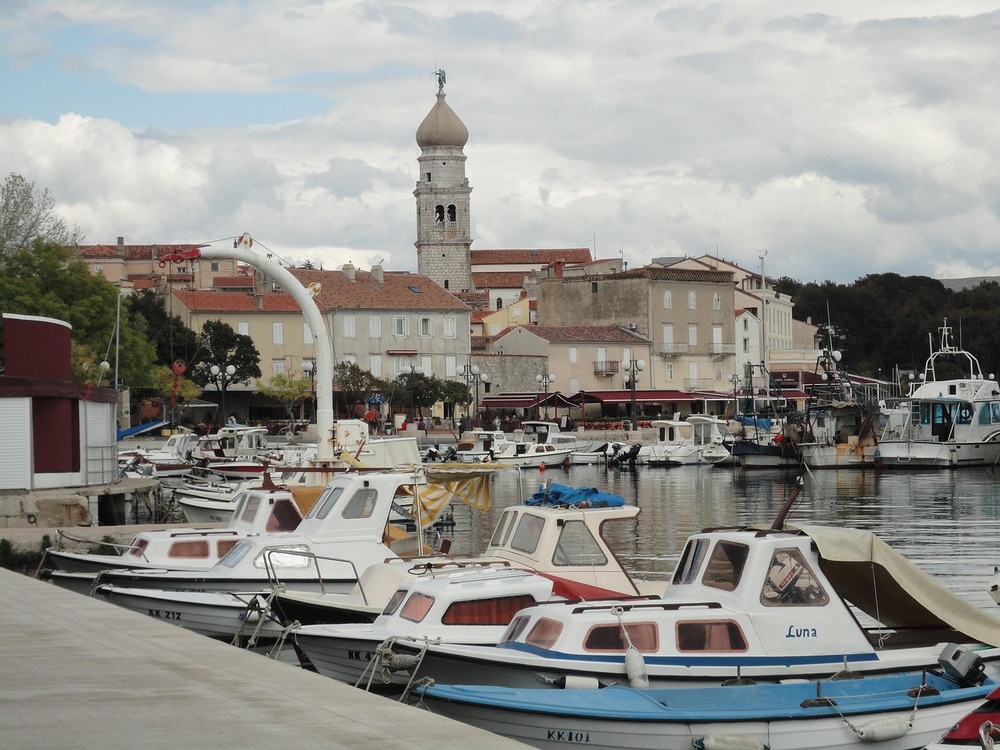

The island of Krk, nicknamed the “Golden Island” because of its exceptional Mediterranean climate, is the largest island in the Adriatic Sea. Situated in the Bay of Kvarner in the north of Croatia, this pearl of the Adriatic captivates visitors with its diversity: fortified medieval towns, pebble beaches with crystal-clear waters, mysterious caves and vineyards as far as the eye can see. Accessible by an impressive bridge from the mainland, Krk offers a perfect blend of ancient history and unspoilt nature. Whether you’re a fan of lounging, a history buff or a wine enthusiast, this Croatian island is sure to charm you. Here are the 6 must-do things to do in Krk for an unforgettable stay.
Also read the Croatia guide:
- Visit Dubrovnik: the pearl of the Adriatic
- The 9 most beautiful beaches in Dubrovnik
- Top 7 things to do in Dubrovnik
- Top 10 culinary specialities in Dubrovnik
- 7 islands to discover without delay on your trip to Croatia
- Top 10 must-try dishes in Croatia
- Following in the footsteps of Games of Thrones in Dubrovnik
1. Explore the old town of Krk
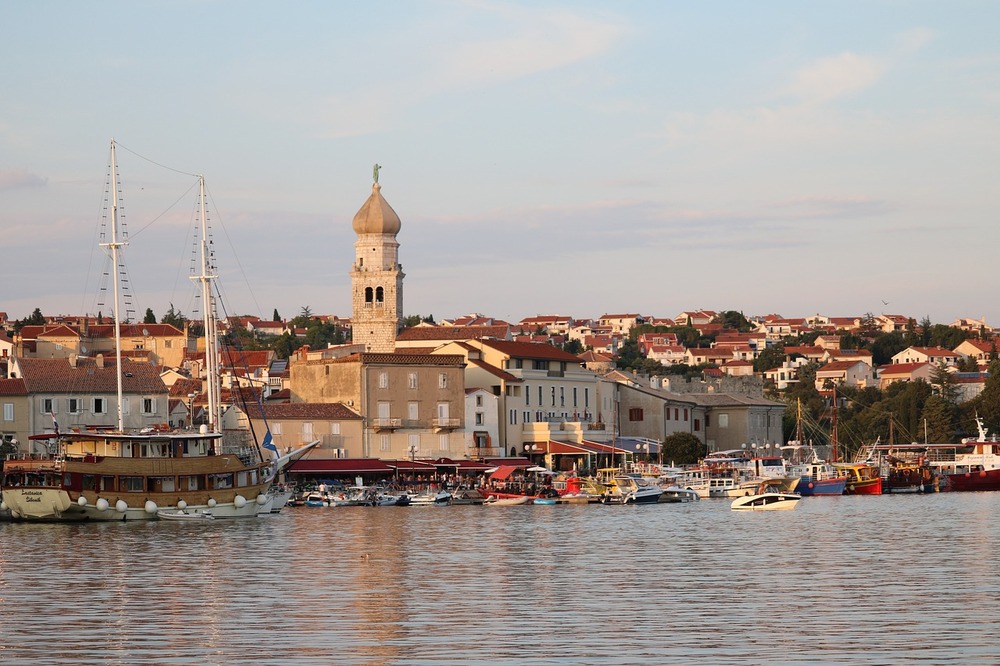
The island’s capital, Krk, is a medieval jewel well worth a visit. Surrounded by impressive ramparts dating back to Roman times, the old town can be discovered by passing through one of its four monumental gates. Once inside, you plunge into a maze of cobbled streets where history blends harmoniously with modern life.
The historic heart of the town is centred around the Cathedral of the Assumption of Mary (Ul. Kamplin 6, 51500, Krk, rated 4.7/5 on Google for over 600 reviews), a remarkable building that blends Romanesque and Baroque styles. And don’t miss Frankopan Castle, an imposing fortress that once dominated the town and bears witness to the power of this illustrious Croatian family.
Stroll along Place Vela, protected by the Straža tower, and lose yourself in the narrow streets until you discover the secret garden of Volsonis, a haven of peace where you can refresh yourself away from the summer crowds. The two monasteries, Franciscan and Benedictine, as well as several ancient churches, complete this exceptional architectural heritage, making the town of Krk a must-see during your stay.
2. Discover the Biserujka cave
Located around twenty kilometres from the town of Krk, near the village of Rudine, the Biserujka cave (Rudine, 51513, Dobrinj, rated 4.2/5 on Google for around 1,200 reviews) is a natural wonder not to be missed. Nicknamed the “Cave of Pearls”, its poetic name derives from a local legend according to which smugglers and pirates once hid a considerable treasure there.
This 110-metre-long underground cavern is a fascinating sight, with stalactites and stalagmites sculpted by water over thousands of years. You can explore the different chambers on a specially-designed circuit, and discover some impressive calcite columns. The most curious visitors will even be able to see the remains of almost fossilised bear bones, evidence of the cave’s former occupation by prehistoric fauna.
The cool, damp atmosphere of the cave offers a welcome break on hot summer days. Allow around 45 minutes for the whole visit, and don’t forget to bring warm clothing as the temperature is a constant 15°C all year round.
3. Enjoy the island’s most beautiful beaches
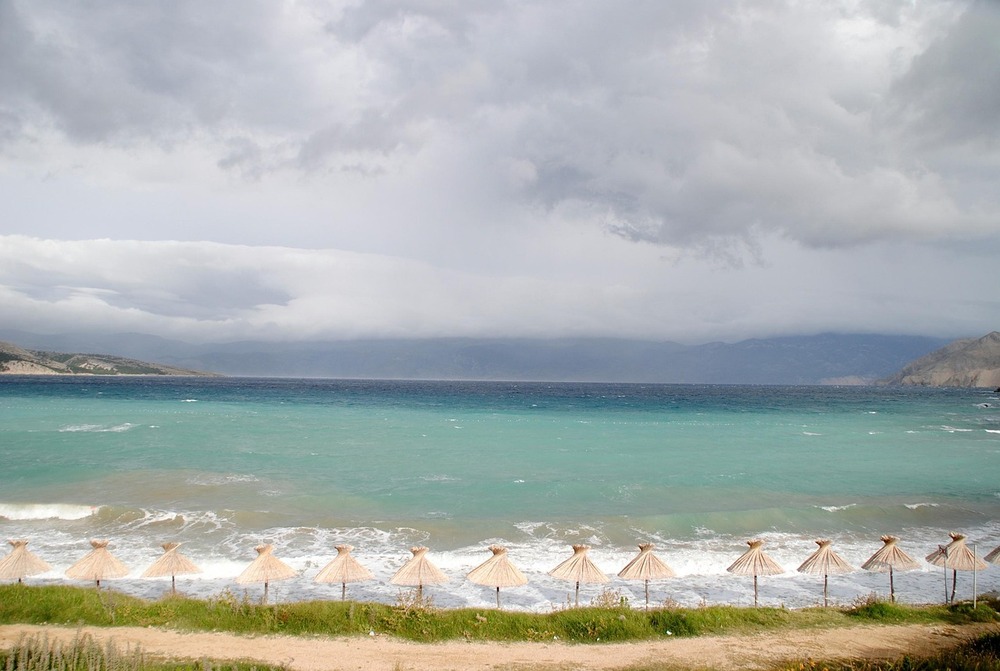
With over 2,500 hours of sunshine a year, Krk is an ideal destination for bathing and relaxing. The island abounds in magnificent beaches with crystal-clear waters, even if most of them are made up of the pebbles typical of the Adriatic coast. However, this feature guarantees exceptionally clear water.
Vela Plaža in Baška is undoubtedly the most famous: this ‘big beach’ stretches for almost 1.8 kilometres and offers all the services you need. Beware, however, as its fame also makes it one of the busiest in high season. For more peace and quiet, head for Vela Luka, 6 kilometres from Baška, which has even been voted Croatia’s most romantic beach thanks to its unspoilt natural setting.
On the outskirts of Krk town, Redagara beach boasts fine sand, a rarity in the region. The Porporela, close to the harbour, offers sun loungers and parasols for hire, as well as a breathtaking view of the marina. The secret coves of Stara Baška will delight those seeking privacy and breathtaking turquoise waters.
4. Stroll through old Baška
The village of Baška, at the southern tip of the island, is much more than just a seaside resort. Its historic centre contains a cultural treasure of the utmost importance: it was here that the famous Baška tablet was discovered, a text in Glagolitic script dating from around 1100 AD, considered to be one of the oldest documents in the Croatian language.
You can admire this historic stele in theChurch of St Lucia (Ul. Zvonimira 67, 51523 Baška, rated 4.6/5 on Google out of around 400 reviews), a small Romanesque building that is a place of pilgrimage for many Croatians. As well as this cultural aspect, Baška has a peaceful, authentic atmosphere.
Stroll through the narrow streets of the old town, where the colourful houses create a picturesque tableau. The small fishing port retains its traditional charm, and the walk along the pier is particularly pleasant at the end of the day. Enjoy an artisanal ice cream or dinner in one of the many restaurants serving freshly caught fish.
5. Visit the Košljun monastery
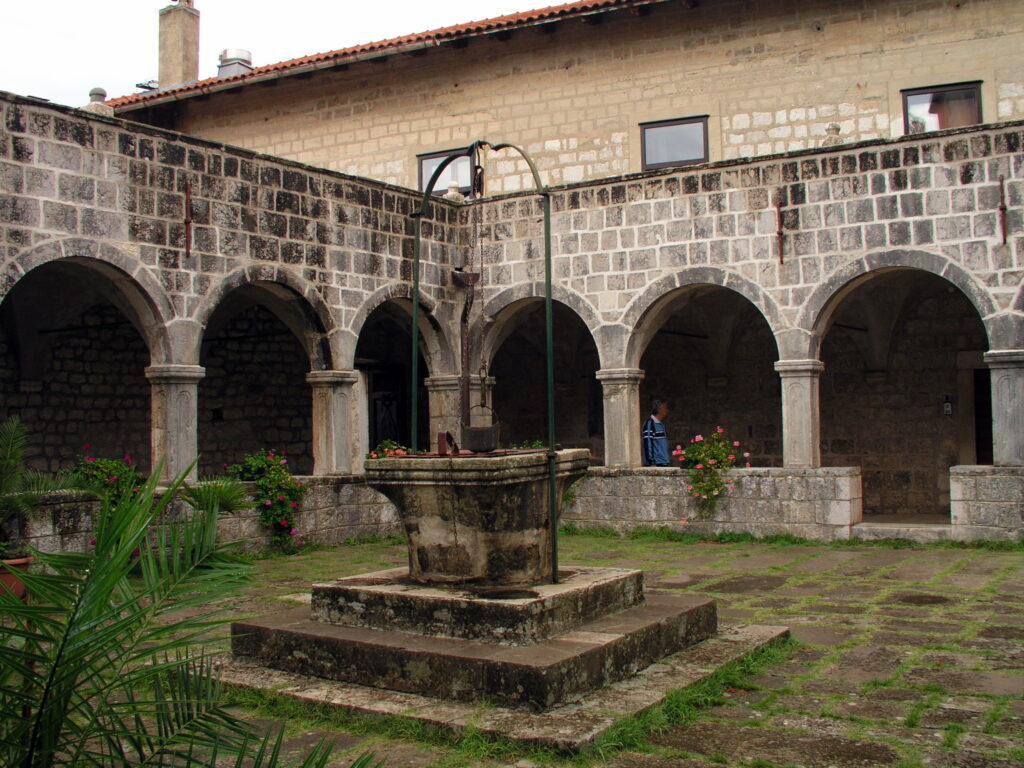
The islet of Košljun, located in the bay of Puntarska Draga near the village of Punat, is home to a Franciscan monastery that is one of the most important spiritual sites on the island of Krk. To get there, take a water taxi from Punat: the crossing takes just a few minutes but transports you to another world, out of time.
The monastery, founded in the 15th century, is still inhabited by a community of Franciscan monks who maintain the site with devotion. A visit to the monastery’s museum is absolutely fascinating: you’ll discover an exceptional collection of ancient liturgical objects, illuminated manuscripts, traditional Croatian costumes and period furniture. Some of the ethnographic items on display are extremely rare and bear witness to the island’s rich cultural heritage.
The monastery church is also well worth a visit for its frescoes and sober yet elegant architecture. After your visit, take the time to wander through the forest that covers the islet: signposted paths allow you to walk all the way round, enjoying the lush Mediterranean vegetation and the absolute calm that reigns here. This spiritual and natural getaway is an unmissable rejuvenating break during your stay in Krk.
6. Wine tasting in Vrbnik
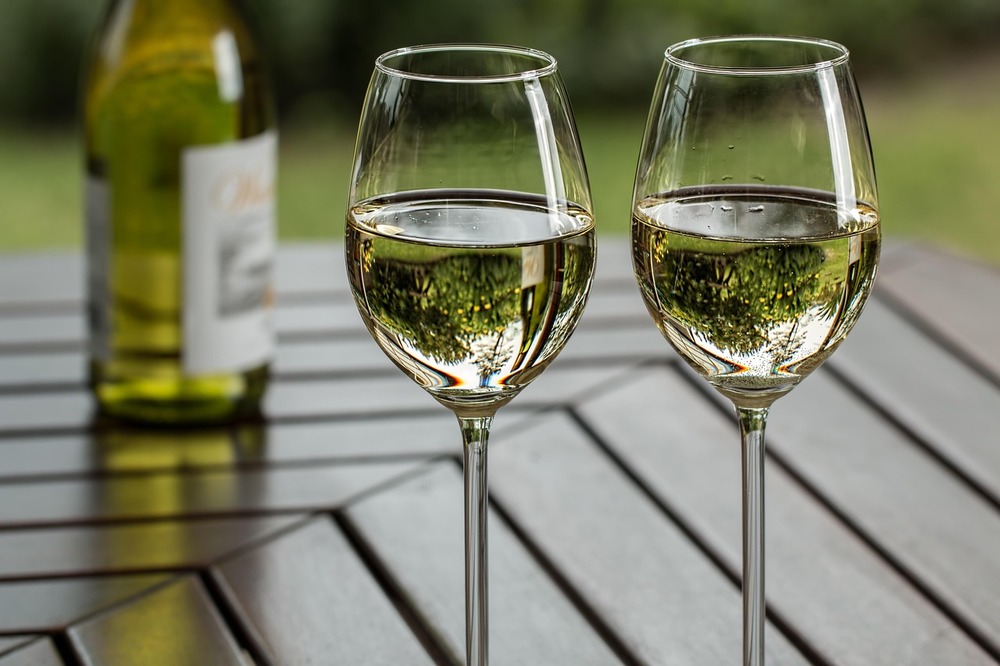
The village of Vrbnik, perched on a 50-metre cliff overlooking the Adriatic Sea on the island’s east coast, is one of the most beautiful villages on Krk. This spectacular location offers breathtaking views of the sea and surrounding islands. But Vrbnik is best known for its centuries-old wine-growing tradition and its indigenous grape variety, Žlahtina.
More than 100 hectares of vineyards surround the village, producing the fruity, slightly salty dry white wine that is the pride of the region. Many family-run wine cellars open their doors to visitors for tastings accompanied by passionate explanations of traditional winemaking methods. Some producers also make champagne and brandy from the same Žlahtina grape.
As well as its wine, Vrbnik has another astonishing feature: rue Klančić, which is said to be the narrowest street in the world at just 50 centimetres wide! Trying to squeeze through it has become a must for visitors. Stroll through the cobbled medieval streets, admire the typical stone architecture and soak up the peaceful atmosphere of this authentic village that has managed to preserve its rural way of life and traditions.
In conclusion, the island of Krk offers a remarkable diversity that will satisfy all types of traveller. With its exceptional historical heritage, unspoilt natural beauty, magnificent beaches and wine-growing traditions, every day spent on this Croatian island brings its own share of discoveries and wonder. Whether you’re looking for seaside relaxation, cultural escapades or authentic experiences, Krk will win you over with its Mediterranean charm and gentle way of life. The island’s accessibility by bridge from the mainland also makes it a practical destination for a road trip in Croatia. Don’t hesitate to take the time to explore this pearl of the Adriatic, and you’ll have some unforgettable memories.
FAQ: everything you need to know to visit Krk
How do I get to Krk from France?
The island of Krk has its own airport (Rijeka airport) located on the northern part of the island, which handles flights from several European cities, usually with a stopover in Belgrade, Munich or Warsaw from Paris. You can also reach the island by car via the Krk bridge, which links the island to the Croatian mainland, from Zagreb (2h20), Split (4h20) or Dubrovnik (more than 6h). Bus connections are also available from Croatia’s main cities.
When is the best time to visit Krk?
The best time to visit Krk is from May to September, when you can make the most of the beaches and swimming. June and September are particularly pleasant because they are less crowded than July and August, while still enjoying a warm, sunny climate. Spring (April-May) and autumn (September-October) are ideal for discovering the island in a quieter atmosphere and for hiking.
How long does it take to visit Krk?
To discover the main sites on the island of Krk without being in a hurry, allow at least 3 to 4 days. This will allow you to visit Krk’s old town, explore the Biserujka cave, enjoy the beaches, discover Baška and Vrbnik, and visit the Košljun monastery. If you also want to take time to relax and explore the secret coves, a week would be ideal.
Do I need to hire a car to visit Krk?
Although a network of buses serves the island’s main towns, renting a car is highly recommended if you want to make the most of your stay on Krk. It will give you the freedom to explore secluded coves, move easily between villages and discover places less accessible by public transport. The road network is in excellent condition and distances are short (20 minutes between Krk town and Vrbnik, for example).
200 audioguided tours for cities all around the world
Download