How do I get around the Cyclades by ferry?


Sailing from island to island through the Cyclades is one of the most magical experiences Greece has to offer. With their white houses perched on volcanic cliffs, their turquoise waters and their unique atmosphere, these islands in the Aegean Sea attract hundreds of thousands of visitors every year. To make the most of this archipelago, which comprises 24 inhabited islands out of a total of 250, the ferry remains the essential means of transport. Between Santorini, Mykonos, Paros, Naxos and the other pearls of the Cyclades, understanding the maritime transport system is essential for organising a successful holiday. This comprehensive guide will help you plan your ferry journeys around the Cyclades.
See also the Cyclades guide :
- When to go to Santorini Climate, crowds and advice for each season
- Visit Santorini: 10 must-sees for the capital of the Cyclades
- The 20 most beautiful Greek islands to visit
- 10 must-see hidden treasures in Greece
- The 10 most beautiful beaches around Athens
- What to do in Crete
- Visit the Saronic Islands, off the coast of Greece
- Visiting Greece
1. Why choose the ferry to travel to the Cyclades?
Ferries are the best way to discover the Cyclades. Unlike planes, which only serve a few islands such as Santorini, Mykonos, Paros, Naxos, Syros and Milos, the maritime network links all the inhabited islands of the archipelago. This flexibility means you can create personalised itineraries and explore less-frequented destinations such as Folegandros, Sifnos and Amorgos. As well as being practical, a ferry crossing is an experience in itself: watching the sun set over the Aegean Sea, seeing the islands on the horizon and feeling the freedom that is part of island travel. Fares are also affordable, especially compared with domestic flights, with tickets starting from €25 for the most common routes.
2. The main ferry companies in the Cyclades
Several shipping companies share the ferry network across the Cyclades, each offering different services and routes. SeaJets dominates the market with no fewer than 226 daily crossings in high season. The company specialises in high-speed ferries, which cut journey times considerably. SeaJets catamarans can sail from Piraeus to Mykonos in just 2 hours 40 minutes, compared with 4 hours 30 minutes to 5 hours for a conventional ferry. The onboard experience is similar to that of an aeroplane, with row seats and different classes available (economy, business and sometimes platinum).
Blue Star Ferries is the second major company, with 69 daily crossings. These conventional ferries offer more space and comfort for longer crossings. The ships have several decks with lounges, restaurants, shops and often cabins for overnight journeys. Blue Star Ferries also makes it easy to take on board a vehicle (car, motorbike or bicycle), which is very appealing to travellers wishing to explore the islands on their own.
Golden Star Ferries completes the offer with 101 crossings per day and is positioned as an interesting alternative with often competitive fares. Other companies such as Hellenic Seaways, Minoan Lines, Cyclades Fast Ferries and Aegean Sea Lines operate specific routes and enrich the maritime network. This diversity makes it easy to compare offers and choose the option best suited to your needs in terms of price, duration and comfort.
3. The main departure ports from Athens
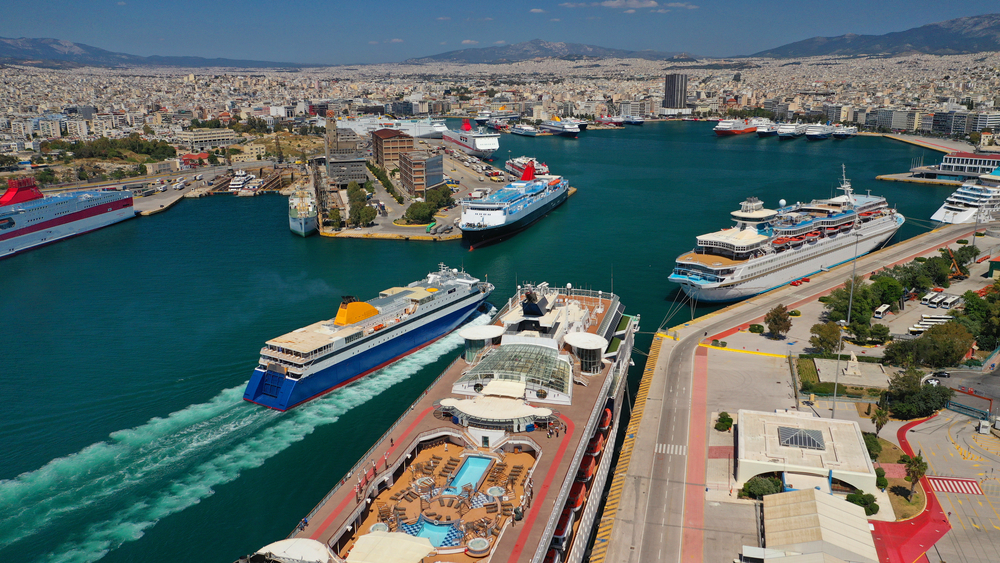
Athens has three main ports of call to the Cyclades, each with its own advantages depending on your final destination. Piraeus is Greece’s most important maritime hub and the preferred point of departure for most of the Cycladic islands. Located around ten kilometres from the centre of Athens, this gigantic port complex serves Santorini, Mykonos, Paros, Naxos, Ios, Milos, Folegandros, Serifos, Sifnos and many other destinations on a daily basis. Departures are staggered from early morning into the evening, offering great flexibility in planning your trip. To get there from the city centre, you can take the metro (line 1, Piraeus station), the bus or a taxi (allow 20-30 minutes depending on traffic).
Rafina, located on the east coast of Attica around 30 kilometres from Athens, is an interesting alternative for getting to the northern and central Cyclades. Smaller and less busy than Piraeus, Rafina offers regular services to Andros, Tinos, Mykonos, Paros and Naxos. The advantage of Rafina lies in its proximity to Athens International Airport (just 15 minutes away by car), making it a wise choice for those arriving directly by plane and wishing to save time.
Lavrio, the southernmost of the three ports, lies 60 kilometres south-east of Athens. Less frequently used than its two rivals, it mainly serves the smaller Cyclades such as Kea, Kythnos and occasionally Syros. Services from Lavrio are more limited, but can be useful for specific itineraries off the beaten track.
4. The most popular Cycladic islands
Among the 24 inhabited islands of the Cyclades, six destinations account for most of the sea traffic: Santorini, Mykonos, Paros, Naxos, Ios and Milos. These flagship islands enjoy several daily connections from Piraeus and between them, making it much easier to organise an island tour. Santorini, with its famous white houses clinging to the cliffs of the caldera and its legendary sunsets, is the most popular destination. Fast ferries run from Piraeus to Santorini in 5 to 6 hours, while classic ferries take between 7 and 10 hours, depending on the port of call.
Mykonos, the cosmopolitan island renowned for its nightlife and heavenly beaches, is 2hrs 40mins by fast ferry or 4hrs 30mins by conventional ferry from Piraeus. Paros and Naxos, in the heart of the Cyclades, are often used as hubs for connections to neighbouring islands. Paros is known for its charming fishing villages and secret coves, while Naxos, the largest island in the archipelago, is known for its lush green mountains and long sandy beaches. Both islands are around 3h30 to 4h30 from Piraeus by classic ferry.
Ios attracts a younger clientele with its festive atmosphere, while Milos fascinates with its unique geological formations and crystal-clear waters. In addition to these must-sees, islands such as Sifnos, Folegandros, Amorgos, Syros and Andros are well worth a visit for their unspoilt authenticity and quieter atmosphere. Connections to these less-frequented destinations do exist, but are less frequent, particularly out of season.
5. How do I book ferry tickets to the Cyclades?
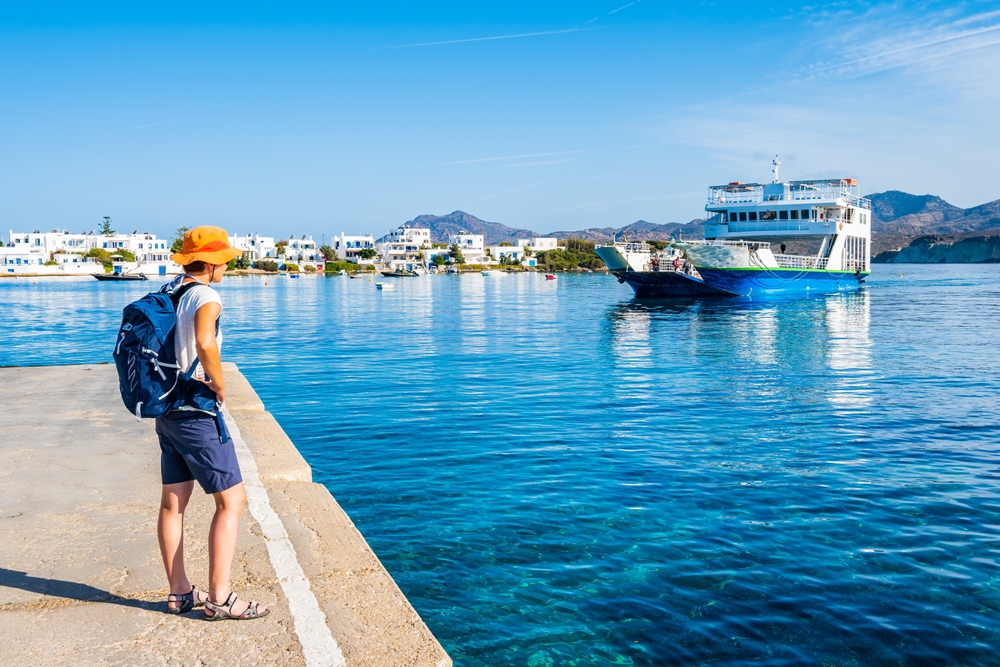
There are several ways to book ferry tickets to the Cyclades. Online comparison platforms such as Direct Ferries, Ferryhopper and Ferryscanner are the easiest and most efficient way to plan your journey. These sites bring together all the shipping companies and allow you to compare timetables, prices and crossing times instantly. The intuitive interface makes it easy to search: just enter your port of departure, destination, travel dates and number of passengers. The system then displays all the available options, with the option of filtering by company, duration or price.
Download the audio tour to discover Athens on foot and on your own
Before you set off for the Cyclades, make the most of your time in the Greek capital to explore its thousand-year-old treasures. The Navaway app offers you a complete itinerary for visiting Athens, with 25 fun audio guides to take you around the Acropolis, the Plaka district, the Monastiraki market and all the city’s emblematic sites. Wander at your own pace through the historic streets and let the interactive navigation, which adapts to your position, tell you all about the fascinating history of this ancient city.
Once on the booking platform, you will need to create an account or proceed as a guest, then enter your personal details (first name, surname, email address and telephone number). Payment is made securely by credit card. You will then receive your electronic ticket (e-ticket) by email, which you will need to present when boarding, either on your smartphone or printed out. Some travellers prefer to book directly on the shipping companies’ websites, which can be a good way of taking advantage of exclusive promotional offers or loyalty programmes.
It is also possible to buy tickets directly from the port ticket offices, but this is a risky option, especially in high season when ferries sell out quickly. Advance booking is therefore the golden rule, especially between June and September. Ideally, book your trips 2 to 3 months in advance for July and August, and at least 2 to 3 weeks for the other summer periods. This advance booking will not only guarantee you a seat, but also better fares, as prices generally rise closer to the departure date.
6. Ferry fares in the Cyclades
Ferry fares to the Cyclades vary considerably according to a number of criteria: the company chosen, the type of ferry (fast or conventional), the class of seat, the distance travelled and the period of travel. To give you an idea, you should expect to pay from €35 for a standard crossing from Piraeus on a conventional ferry. Fast crossings with companies such as SeaJets generally cost around €60. Between the islands, fares start at around €25 for short trips such as Paros-Naxos or Mykonos-Tinos.
There is a substantial extra charge for taking a vehicle on board. Expect a supplement of at least €70 for a car, depending on the size of the vehicle and the distance. For a motorbike or scooter, the supplement is around 30 to 40 euros. Bicycles can usually be taken on board for an extra 10 to 15 euros, or even free on certain routes. If you are travelling with your family or in a group, look out for special offers and discounts for children offered by some airlines. Babies under the age of 2 generally travel free if they do not occupy a seat.
Private cabins, available on conventional ferries for night crossings or long journeys, offer additional comfort but add significantly to the cost of the journey. Expect to pay between €80 and €150 for a cabin, depending on the level of comfort and the number of berths. This option is particularly popular for crossings lasting several hours, allowing you to rest comfortably and arrive fresh at your destination.
7. The different types of ferries and their characteristics
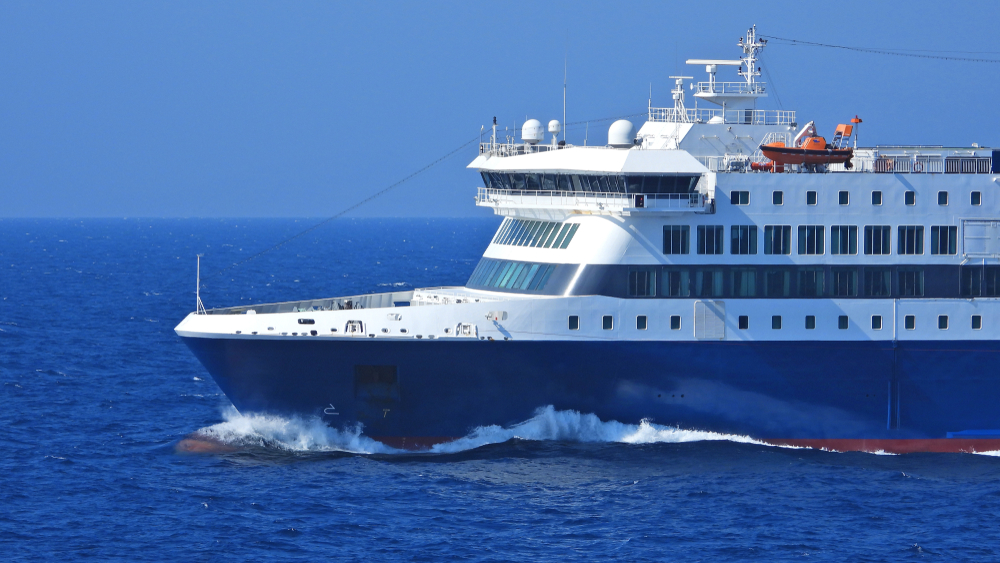
The Cyclades maritime network offers two main categories of ferries, each catering for specific needs. High-speed ferries, operated mainly by SeaJets, Golden Star Ferries and Hellenic Seaways, use catamaran technology to achieve high speeds. These modern ships can cut journey times in half compared with conventional ferries. The interior layout is reminiscent of an aeroplane, with numbered seats arranged in rows. Several classes are offered: economy class with standard seats, business class offering more space and comfort, and sometimes a platinum class with premium services.
The main advantage of fast ferries is obviously the time they save, making them ideal for optimising your stay and increasing the number of ports of call. On the other hand, there are a few disadvantages: the higher price, limited space for luggage, greater sensitivity to bad weather (crossings may be cancelled in strong winds) and sometimes a less pleasant experience for those prone to seasickness due to the catamaran’s more pronounced movements.
Conventional ferries like those operated by Blue Star Ferries offer a more relaxed and spacious travel experience. These large ships have multiple decks with a variety of spaces: air-conditioned lounges with armchairs, outside decks to enjoy the view and the sea air, restaurants and cafeterias, duty-free shops, and private cabins for longer crossings. The atmosphere is more convivial and allows you to stretch your legs freely. These ferries can easily accommodate all types of vehicle thanks to their vast garages. They sail in (almost) all weathers, unlike fast ferries which can be immobilised by the weather. The main disadvantage is the journey time, which is sometimes twice as long as with a fast ferry.
8. Practical advice for boarding and travelling
Good preparation makes ferry travel in the Cyclades a much easier experience. As far asarriving at the port is concerned, you should arrive at least 30 to 45 minutes before the departure time shown on your ticket, or even 1 hour in high season or if you are taking a vehicle. Check-in desks generally close 20 minutes before departure. Ferries in the Cyclades have a fairly flexible policy: you can go straight to the boarding gate with your electronic ticket. No baggage check-in is required, and you keep your belongings with you throughout the crossing.
For luggage, there is no strict weight limit for passengers on foot, but common sense recommends travelling light, especially if you have to carry your suitcases. Take a small rucksack or travel bag that is easy to carry. Larger suitcases can be left in the dedicated areas near the ferry entrance, but keep your valuables and essentials with you during the crossing. Security on board is generally good, but it’s best not to tempt the devil with unattended valuables.
In terms of comfort, make sure you have something to occupy you for the duration of the journey: a good book, music, games or simply a desire to contemplate the landscape. Most ferries have Wi-Fi, although the connection can be unstable. You should also bring a small jacket or jumper, as the air conditioning inside can be cool, and it can be windy on the outside decks even in midsummer. If you are prone to seasickness, prefer the more stable conventional ferries, sit in the centre of the boat (an area less subject to movement), watch the horizon, and don’t hesitate to take preventive medication before departure.
To discover the treasures of each island, consider downloading the Navaway audio guide itineraries, which allow you to visit the Cyclades on your own, with enriching commentaries on local history and culture.
9. When to travel to the Cyclades by ferry?
The travel period has a major influence on the ferry experience in the Cyclades. High season runs from mid-June to mid-September, with a peak in July and August. During this period, ferries are plentiful and frequent, with almost hourly departures to the main islands. This abundance of choice makes it easy to organise your travel and gives you great flexibility. On the other hand, prices are at their highest, bookings have to be made well in advance, and the boats are often overcrowded. Ports are also very busy, with sometimes long queues at embarkation.
The shoulder seasons (May-early June and mid-September-October) represent an excellent compromise. Fares are significantly lower, ferries still run regularly (although less frequently than at the height of summer), and tourist numbers are lower. The weather generally remains mild, although a few windy days can occur. This is the ideal time to enjoy the Cyclades in optimum conditions, with more authentic islands and quieter crossings.
In the low season (November to April), maritime services are drastically reduced. Only the main routes from Piraeus to Santorini, Mykonos, Paros and Naxos maintain a reasonable frequency (generally a few departures a week). Inter-island connections are becoming rare, or even non-existent for certain destinations. In addition, winter weather conditions can lead to frequent cancellations. If you plan to visit the Cyclades out of season, you’ll need to be very flexible in your planning and accept that some islands may be difficult to access. In return, you will discover an archipelago out of time, with islands returned to their inhabitants and a unique atmosphere.
10. Create your itinerary in the Cyclades
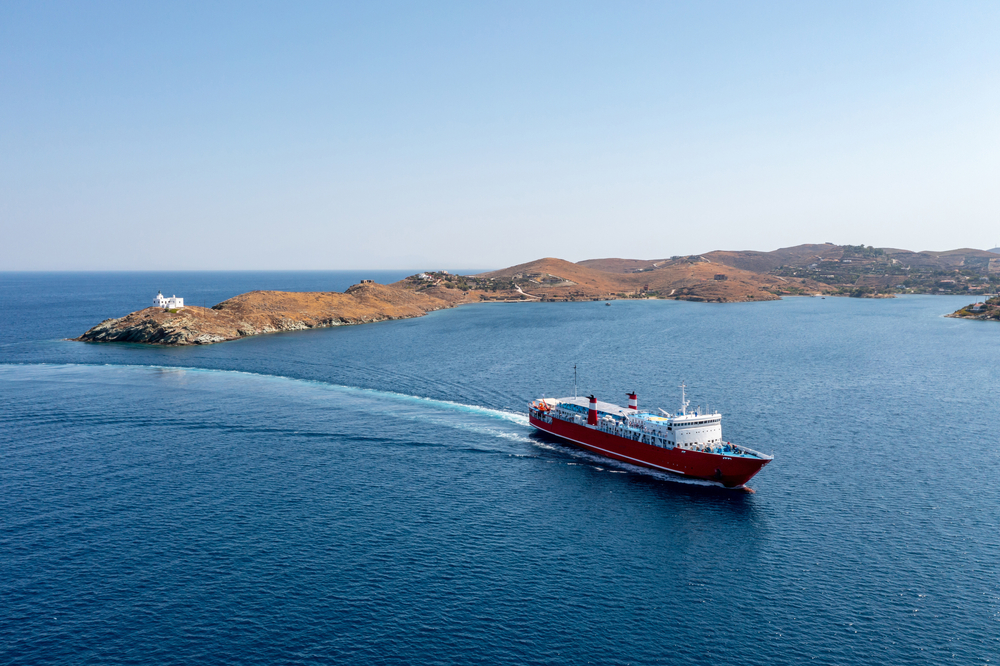
Planning an itinerary through the Cyclades means striking the right balance between the number of islands visited and the time spent on each. The classic mistake is to try to do too much, visiting one island after another every day or two. This exhausting approach turns the holiday into a marathon and doesn’t allow you to really soak up the atmosphere of each destination. For a one-week holiday, opt for a maximum of 2 or 3 islands, staying at least 2 or 3 nights on each. Over 10 days to 2 weeks, you can envisage 3 to 5 islands, depending on your wishes.
Several classic routes stand out. The Athens – Paros – Naxos – Santorini route is a great classic offering great diversity. Paros seduces with its fishing villages and quiet beaches, Naxos impresses with its mountainous landscapes and gastronomy, while Santorini offers the finishing touch with its spectacular panoramas. This tour benefits from frequent connections and reasonable distances between the islands. For lovers of parties and nightlife, the Athens – Mykonos – Ios – Santorini itinerary combines the glamour of Mykonos with the festive atmosphere of Ios and the romance of Santorini.
Travellers in search of authenticity will appreciate the Athens – Sifnos – Milos – Folegandros itinerary, which allows you to discover three islands still untouched by mass tourism, with breathtaking natural landscapes and a more traditional atmosphere. And don’t forget the inter-island links: not all the islands are directly connected. Paros and Naxos are often used as connecting hubs to neighbouring islands. Check the timetables carefully and make sure there are connections between your destinations. Some routes require changes or detours via an intermediate island.
Don’t forget to include in your schedule the possibility of exploring each island in depth. Apps like Navaway accompany you on your visits with audio tours that reveal the secrets of each destination.
11. Dealing with unforeseen circumstances and schedule changes
Ferry journeys in the Cyclades involve a degree of unpredictability that needs to be anticipated. The wind, called Meltemi, blows regularly in the Aegean Sea during the summer, particularly in July and August. When it reaches force 7 or 8 on the Beaufort scale, the port authorities may decide to cancel certain services, particularly those operated by fast ferries that are more sensitive to weather conditions. Conventional ferries are generally more resilient and continue to sail, but sometimes with delays. These last-minute cancellations or postponements can disrupt a tight schedule.
To minimise inconvenience, always allow a safety margin in your itinerary, especially before a return flight or an important connection. If you have to fly back from Athens, return to the continent at least 24 hours before your international flight. This precaution avoids the stress and additional costs associated with a missed flight change. Shipping companies are not obliged to compensate you in the event of cancellation due to weather conditions.
Remain flexible and consider these unforeseen events as part of the adventure. Sometimes an extra day’s stopover on an island can turn into a pleasant surprise. Keep in touch with your next accommodation to let them know of any delays. Most hotels and rental accommodation in the Cyclades understand these contingencies and are very understanding. If necessary, take out travel insurance to cover itinerary changes and extra hotel nights in the event of force majeure.
Finally, ferry timetables can change from one year to the next, or even during the season. Some companies may discontinue certain services while others open new routes. Always check the updated timetables a few days before your departure on booking websites or directly with the shipping companies. Websites such as GTP Ferry Connection or booking platform applications offer up-to-date information in real time.
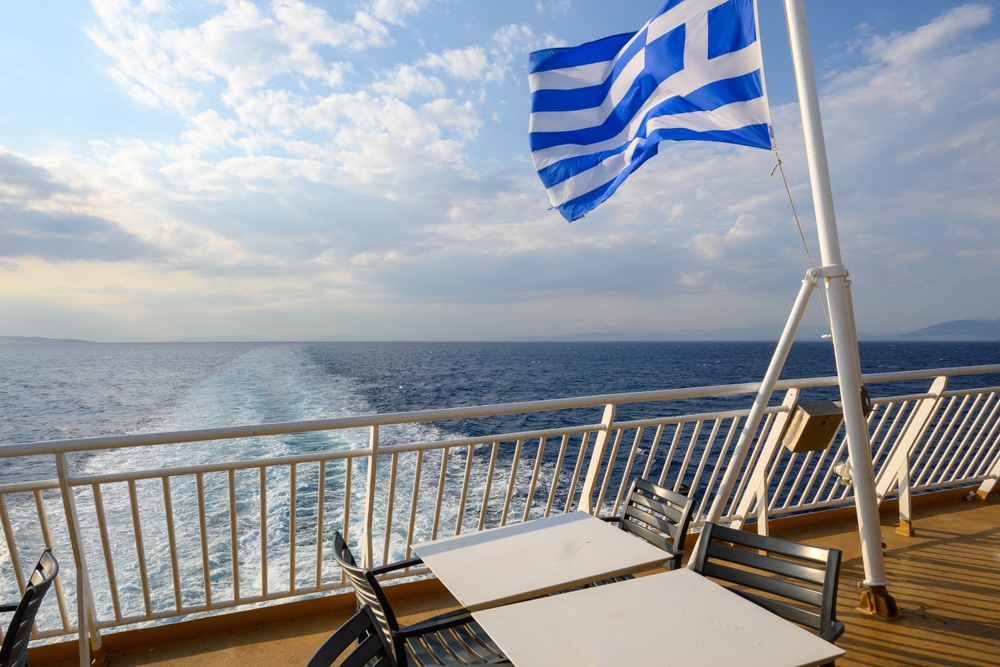
In conclusion, travelling by ferry in the Cyclades is much more than just a means of transport: it’s an experience in its own right that punctuates an island trip. From contemplative crossings on the deck of a conventional ferry to express catamaran connections, every traveller will find the formula to suit their desires and budget. The key to a successful holiday lies in good preparation: booking in advance, choosing your companies and itineraries wisely, remaining flexible in the face of unforeseen circumstances, and above all, taking the time to savour every moment. The Cyclades have to be earned and discovered as you sail from island to island, following the winds and the people you meet. Whether you’re exploring the hilltop villages of Santorini, the heavenly beaches of Milos, the hustle and bustle of Mykonos or the gentle pace of life on Naxos, the ferries will open the doors to this magical archipelago. Let Navaway’s audioguided tours be your guide as you explore, turning every visit into a rewarding and memorable adventure.
FAQ – Frequently asked questions about ferries in the Cyclades
Do I need to book ferry tickets in advance?
Yes, booking in advance is strongly recommended, especially in high season (June to September). For July and August, ideally book 2 to 3 months in advance. Not only does this guarantee you a place on the ferry of your choice, but it also means you can take advantage of better fares, as prices generally rise closer to the departure date.
How much does a ferry to the Cyclades cost?
Fares vary according to a number of criteria. You can expect to pay from €25 to €35 for short classic ferry connections, and around €60 for fast ferries from Athens. Between the islands, prices start at €25. It costs at least another 70 euros to take a car on board, 30 to 40 euros for a motorbike, and 10 to 15 euros for a bicycle.
How long are the ferry crossings?
Times vary considerably depending on the destination and the type of ferry. From Piraeus, allow 2 hours 40 minutes to 5 hours 30 minutes for Mykonos, 3 hours 30 minutes to 4 hours 30 minutes for Paros and Naxos, and 5 hours to 10 hours for Santorini. Fast ferries generally halve the journey time compared with conventional ferries.
Can I take luggage with me on the ferries?
Yes, there is no strict weight limit for foot passengers’ luggage. However, it is advisable to travel light to make it easier to get around. You can keep your luggage with you during the crossing or leave it in the spaces provided near the entrances. Always keep your valuables with you.
What should I do if my ferry is cancelled due to bad weather?
Cancellations due to weather conditions (particularly the Meltemi wind) occur occasionally, especially in summer. Airlines are not obliged to compensate for such cancellations. You can usually rebook your ticket on the next available departure. This is why it is crucial to leave a safety margin in your planning, especially before a return flight from Athens (return at least 24 hours before your international flight).
200 audioguided tours for cities all around the world
Download