A unique winter experience in Canada
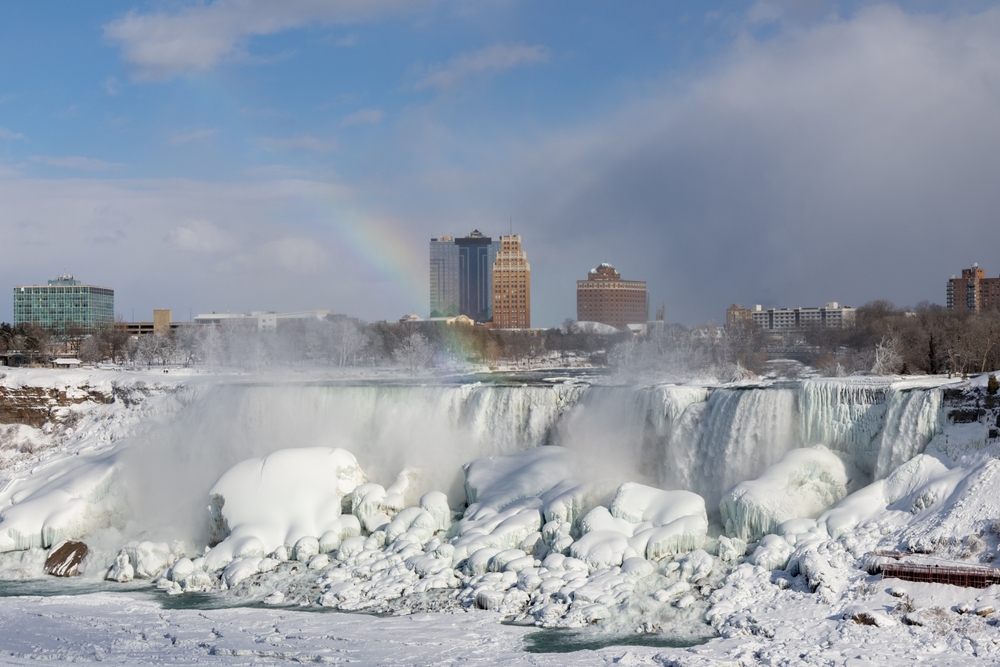

And if ever there was a paradise for winter sports enthusiasts, it’s Canada. Don’t be put off by the extreme temperatures and length of the dreaded Canadian winter, because when you love it, you don’t count! In both East and West, the country rolls out its white carpet, much to our delight. So how can you make the most of the Canadian winter?
Read also about the Finland guide :
- Visit Toronto in 1 day: 23 things to do and see on foot
- Visit the Canada
- Road-Trip in Canada
- Top 10 culinary specialities in Toronto
- Top 6 things to do in Toronto
Seeing Niagara Falls frozen
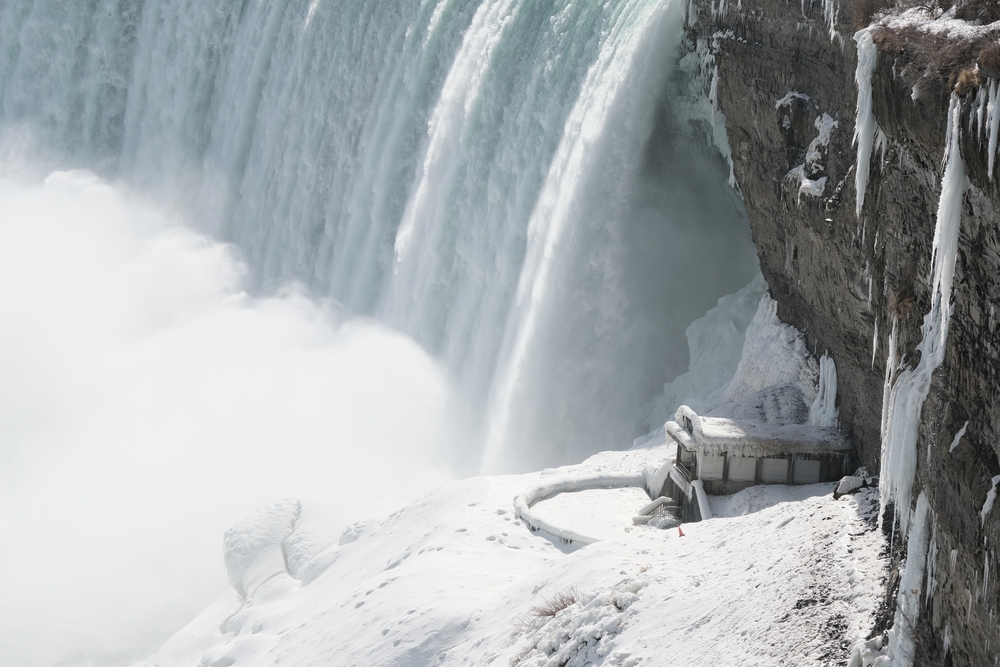
It may sound crazy, but it’s not that rare! All it takes is for temperatures to remain below -5°C for several days for the magic to happen. The water continues to flow over the site’s three waterfalls (American Falls, Horsehoe Falls and Bridal Veil Falls), but the surrounding landscape freezes over and is covered in snow. The famous falls have only frozen over completely once in their (documented) history, and that was in 1848. It’s also the season for the ‘Winter Festival of Lights’ (Niagara Falls), when you can experience the kind of breathtaking light show that North America is famous for, coupled with fireworks that illuminate the Falls.
Taking part in winter celebrations
With winter as long as it is harsh, our Canadian friends have no choice but to embrace the season to the full, and learn how to make the most of it! Here are just some of the festivities you can take part in:
- The Quebec Winter Carnival: quite simply the biggest winter carnival in the world! Ice palaces and sculptures, canoe races, not forgetting the huge night-time parade led by Bonhomme Carnaval!
- Igloofest in Montreal: come and dance all bundled up and melt the snow in the Old Port! For 4 weekends from January to February, the best DJs are coming to raise the temperature in Montreal!
- Winterlude in Ottawa: this festival showcases a range of winter highlights, from ice sculpture competitions to skating on the Rideau Canal Skateway, but also highlights Canada’s cultural and artistic diversity with a number of venues offering special free programming.
- Festival du Voyageur (Winnipeg): A tribute to the history of the French coureurs des bois and explorers, with music, historical demonstrations and family activities in the Francophone quarter of Saint-Boniface.
- Yukon Sourdough Rendezvous: A festival to immerse yourself in the days of the gold rush, with axe throwing competitions, log splitting, chainsaw carving demonstrations and more.
- Jasper in January (Alberta): If you’re in the Rockies, this festival combines skiing, culture and gastronomy in the spectacular setting of Jasper, one of the country’s most beautiful national parks.
- Hotdog day (British Colombia): the small resort of Fernie invites you to travel back in time and ski in the 80s! Get out your best fluorescent overalls and hit the slopes to the rhythm of the DJs on the slopes!
- Whistler World Ski and Snowboard Festival: the country’s largest resort brings together mountain professionals and artists for a 10-day festival. While proriders battle it out on the slopes, headliners give free concerts in the resort’s bars. Film screenings, fashion shows and other types of exhibitions are also organised.
- Toonik Tyme (Iqaluit): this festival celebrates the return of the sun to the Arctic. The Inuit organise activities such as igloo building, sled races and demonstrations of local traditions such as ice fishing and handicrafts.
Visit a sugar shack
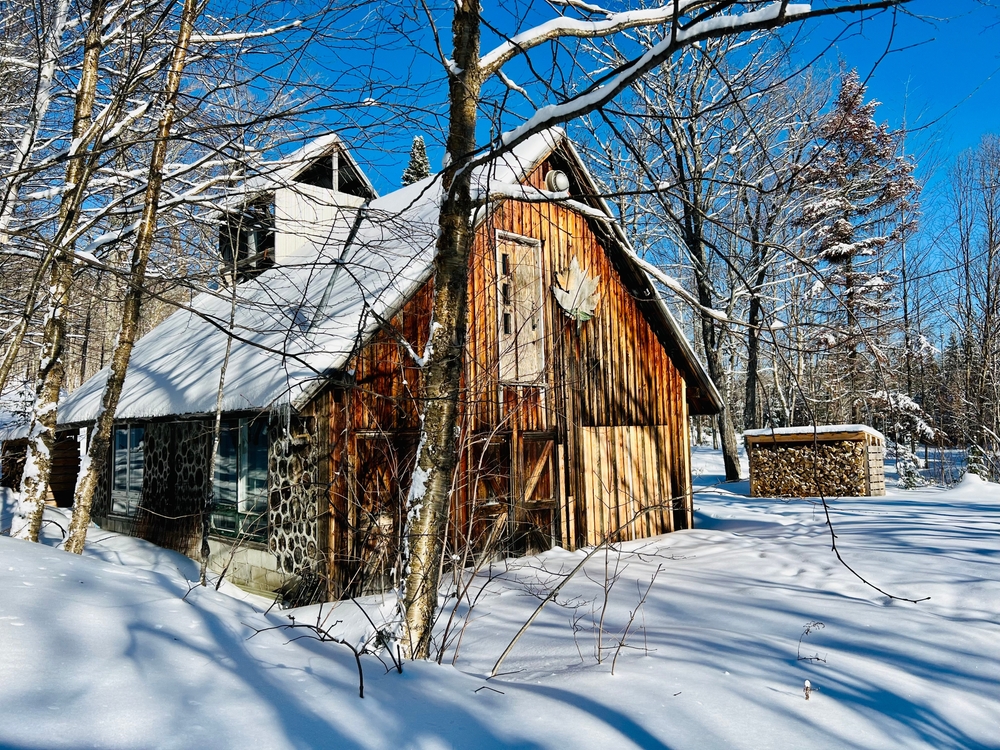
These sugar shacks, or maple groves, are where the spring sap from the maple trees is harvested to produce maple syrup. It’s hard to imagine a more Québécois experience than a sugar shack, so don’t miss out! Although the ideal time to visit is from February to April, some sugar shacks are open all year round, offering you the chance to discover the world of maple sugaring!
A short history of sugar shacks
The aboriginal peoples, close to nature and sharing its secrets, were the first to collect water from maple trees to sweeten their food and drink. The trees were tapped with tomahawks (traditional axes) and the sap collected in bark cones. Legend has it that a young boy, hunting partridges, stuck his arrow into a tree. When he saw a thick liquid flow from the arrow, he tasted it and discovered the sweetness of maple water.
How does it work?
The sugaring season begins at the end of February and lasts around twenty days. Maple growers (the people who run the maple groves) start by tapping the maple trees, then install tubes, connected to collection pipes, that will allow the sap to be collected. The maple water is generally collected in spring, when the temperature rises above 0° during the day but falls below 0° at night (the process is a little complicated, but basically it allows the sap to flow!) This sugary water is then concentrated before being evaporated to produce syrup, butter or maple sugar, depending on the desired level. For your information, it takes around 40 litres of maple water to make 1 litre of syrup!
What can you expect when you visit a sugar shack?
A visit to a sugar bush is first and foremost a chance to immerse yourself in the customs and traditions of rural Quebec. The rustic wooden huts are usually located in the middle of the forest, and immediately immerse you in the warm authenticity of Canada. You can discover how maple syrup is harvested and processed, and watch demonstrations of maple taffy on snow. It’s one of the great sugar shack traditions! Hot maple syrup is poured directly onto the snow, which solidifies it slightly. You then wrap this delicious treat around a stick and enjoy.
But the heart of the visit is the hearty Quebecois meal served on long wooden tables covered with red and white checked tablecloths. Generous and drizzled with maple syrup, it’s a moment of sharing and conviviality with the other guests. You’ll generally be served pea soup, baked beans, cretons (minced pork rillettes with spices), oreille de crisse (fried salted bacon crisps), omelette, maple ham, sausages in syrup, tourtière (meat pie), pickled beetroot, homemade red or green ketchup, and thick pancakes covered in, you guessed it, maple syrup.
The already festive atmosphere is rounded off by musicians playing folk tunes and sometimes by games and dances organised for the children. The tour ends with a visit to the souvenir shop, where you can buy some of the delicious maple products that are the pride of the local people and the pride of the country.
Powered by GetYourGuide
Skating on the Rideau Canal in Ottawa
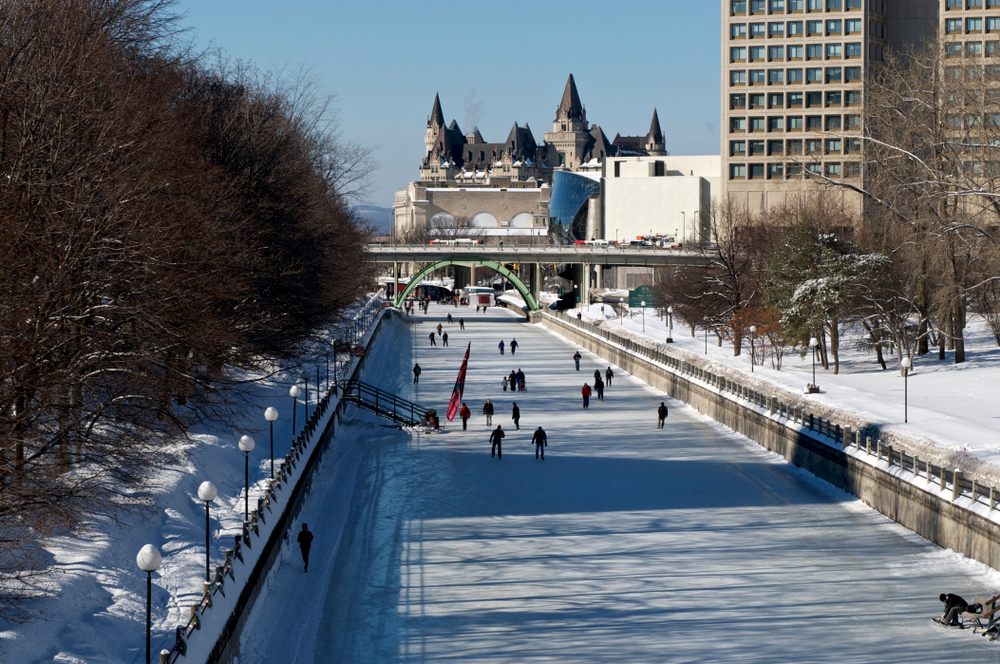
This is one of Canada’s most emblematic winter activities! Every year, this exceptional UNESCO-listed site is transformed into the world’s largest natural ice rink! The canal freezes over in winter, providing a link between downtown Ottawa and Dow’s Lake, 8 km away. The surface is well maintained, with various entrances providing access, and the authorities keep a very close eye on the quality and thickness of the ice. The Rideau Canal can be used for both leisurely strolls and sporting activities! You’ll even see some people using it to get to work! Heated chalets are set up all along the way, allowing you to hire equipment or enjoy beaver tails, a famous sweet snack resembling an elongated doughnut. During Winterlude, the canal is decked out in winter decorations, with shows and festive entertainment. It’s really something not to be missed if you’re lucky enough to pass through Ottawa at this time of year!
Feast your eyes on the Canadian Rockies
Breathtaking scenery, spectacular mountains, metres of exceptional fresh snow – there are not enough superlatives to describe the experience of the Rockies in winter. Most travellers opt to visit Canada in summer, some try their hand at the Quebec winter experience, but few dare to venture into Western Canada in the heart of the winter season. If you have a one-year visa (PVT or student type), then you might find it easier to go and marvel at the famous Rocky Mountains, but others shouldn’t miss out on this unique opportunity!
Breathtaking landscapes
The great classics of the Rockies, such as Lake Louise, Banff and the Columbia Icefield, look like magical postcards once they’ve been dusted with snow, and without the usual groups of tourists. You can enjoy iconic sites in a more intimate setting and experience nature at its wildest!
Experience an exceptional powder day!
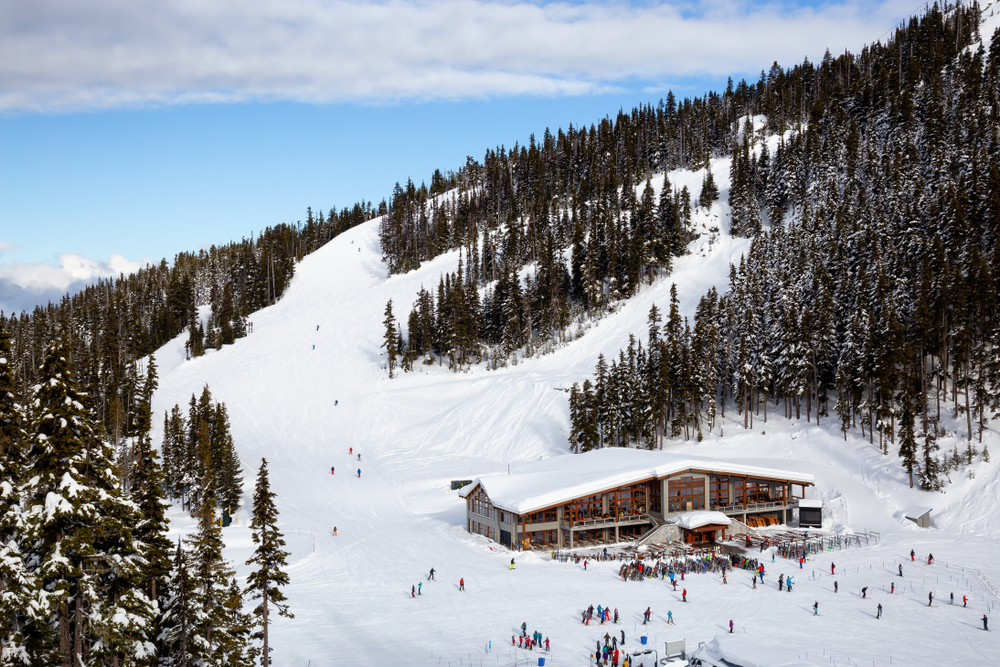
If you’re a fan of freeriding among the fir trees, the Rockies offer a spectacular playground that’s easy to get to. Here are some of the best resorts to try out straight away!
The best resorts :
- Whistler Blackcomb (British Columbia): one of the most famous in the country and the largest ski area in North America! There’s a lot of precipitation, but the snow is wetter than in the rest of the Rockies, due to its proximity to the Atlantic coast. This is the resort to go to if you want to party and enjoy the lively village life. On the other hand, prices are fairly high.
- Banff (Alberta): the Banff ski area encompasses the Sunshine and Lake Louise ski areas, offering a wide variety of runs for all abilities. The powder snow is often dry and of excellent quality. Prices here are lower than in Whistler and there is plenty of accommodation. Right in the heart of one of the country’s most beautiful national parks, Banff is the ideal choice for combining winter sports with spectacular views.
- Revelstoke (British Colombia): Revelstoke is said to have the best snow in the country! Famous for its impressive vertical drops and legendary off-piste skiing, it is the favourite resort of experienced skiers and snowboarders. Accommodation is affordable, but ski passes are expensive. This is the resort to choose if you like off-piste skiing and have a good level of skiing. However, there are very few pistes suitable for beginners.
- Fernie (British Colombia): While everyone knows about Revelstoke’s legendary powder, Fernie is a little better kept secret. The resort is renowned for its abundant powder and tree rides. The area offers varied terrain and large wooded areas ideal for intermediates and experts. The town itself is more authentic and less touristy. This is the resort to choose if you want to experience retro Canadian charm and ride in the powder between the fir trees.
- Kicking Horse (British Colombia): wild and adventurous, this resort beckons the most intrepid of you to come and hit the slopes. Its excellent powder lends itself perfectly to freeride, and you’ll find plenty of off-piste areas. This is a resort for advanced and expert skiers, with few areas for beginners. Prices are a little higher than in Fernie or Revelstoke, but cheaper than in Whistler. This is the resort to choose if you’re not afraid of the cold and are looking for a thrill away from the crowds.
Admire the frozen waterfalls:
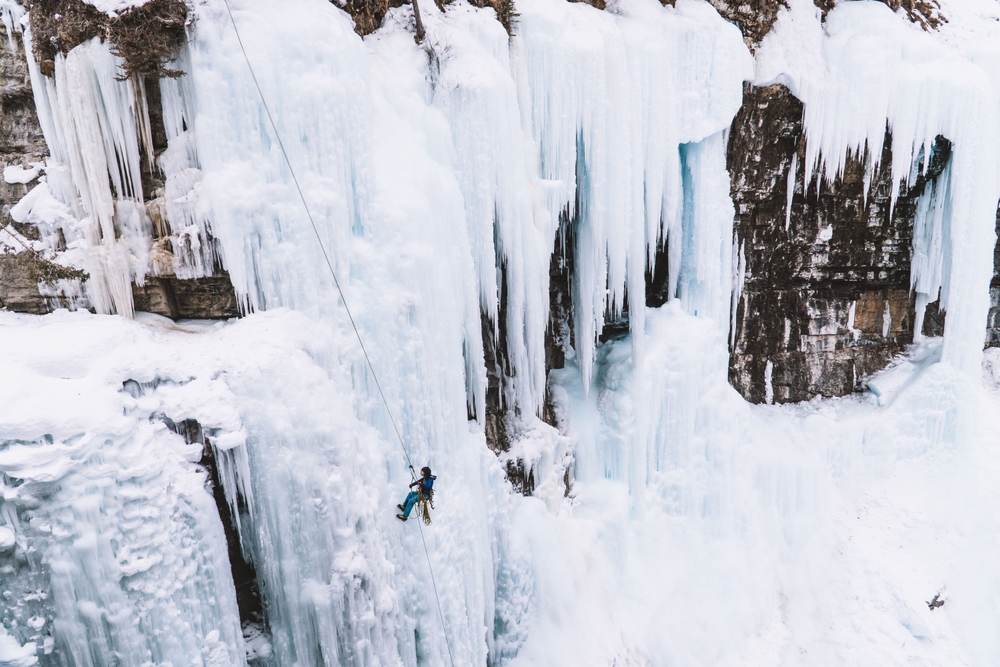
Just because it’s winter doesn’t mean you can’t go hiking! It’s the perfect opportunity to wander through a breathtaking landscape, frozen in ice! Here are a few emblematic sites where you can see the beautiful frozen waterfalls of the Rockies.
- Johnston Canyon (Banff NP): one of Banff’s most popular winter hikes! A boardwalk takes you as close as possible to the Lower and Upper Fall, transformed into columns of ice by the cold. Climbers, grab your gear – this is a popular spot for ice climbing!
- Maligne Canyon (Jasper NP): one of the deepest canyons in the region, its walls are covered in ice stalactites in winter, plunging you into a strange, fairytale world of ice and snow.
- Weeping Wall (Icefields Parkways): this immense rock face becomes a gigantic frozen waterfall in winter. It is one of the most impressive in terms of its size and appearance. It is very popular with climbers and photographers alike.
- Takakkaw Falls (Yoho NP): one of the highest waterfalls in the country (373 m), very popular with tourists in summer, is transformed into an icy wonder in winter. The hike leading to it is more difficult to access (you’ll need snowshoes or skis) but well worth the diversions.
- Grotto Canyon waterfall (Canmore): easy to get to, these waterfalls are ideal for a family outing. What’s more, you’ll be able to see petroglyphs – engravings and drawings that have been present in the rock for thousands of years and were made by the indigenous peoples of the region.
Wildlife watching :
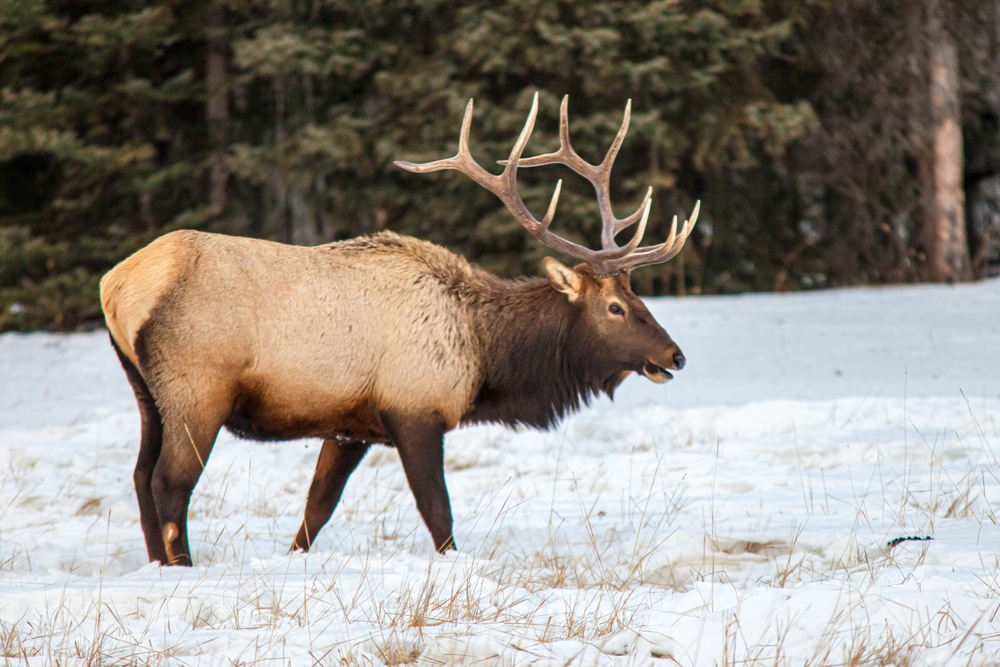
One of the highlights of a trip to Canada is often an emotional encounter with a moose, bear or caribou. Even though many animals hibernate or hole up in winter, you’ll still have the chance to spot wolves, elk and the beautiful white mountain goats in Banff, Yoho and Jasper national parks. What’s more, the snow allows you to observe tracks and learn a little more about these wild animals.
Emblematic animals visible in winter
- Wolves: in winter, wolf packs hunt deer and elk, and it’s easy to see their tracks in the snow. To see them, choose Jasper Park, near the Athabasca River, and along the Icefields Parkway.
- Wapitis: to escape the expanses covered in deep snow, wapitis move closer to the plains in winter. You’re sure to catch a glimpse of one near the small town of Banff or in the Bow Valley.
- Mountain goats: You might think that white on white, mountain goats would be hard to spot, but they are actually quite visible on the rocky cliffs of the snow-capped mountains. You may be able to see one near Johnston Canyon or on the roads around Mount Edith Cavell.
- Arctic hares: their white coats help them to camouflage themselves in the snow, but you may come across them on a snowshoe walk in the forests and open plains.
- Golden eagles and bald eagles: look up and you may see large birds circling in the sky, flying over the valleys in search of prey. Stay close to rivers, as in the Bow Valley or when walking along the Athabasca River.
- Beavers and river otters: beavers are harder to see in winter, but you can admire the superb constructions of these little river engineers. Otters, on the other hand, remain active in winter and continue to swim in the partially frozen waters.
- The Canada lynx: you’re going to have to be very lucky here, because spotting a lynx is a rare and precious event. This snow feline prefers the boreal forests and remote areas of densely wooded mountains. Their thick fur takes on a pale grey colour that camouflages them in the snow. Choose the most remote areas of the parks or take a guide with you if sightings have been reported.
How and when to observe them
- Guided walks focusing on wildlife: if you’re passionate about wildlife, there’s nothing like being accompanied by a guide who specialises in the subject. He’ll teach you how to follow the tracks of wild animals and answer all your questions!
- Wildlife safari: if you prefer not to walk for hours in the snow, you can also take part in a game drive, in a group, accompanied by an experienced guide.
- Snowshoeing or cross-country skiing: it’s alone and in total communion with nature that you’ll have the best chance of letting the animals come to you. You can rely on the tracks they leave in the snow and on the trees (deer and elk often leave marks by rubbing against the bark).
- When should you go? Early inthe morning, when the light is soft and there is less noise, the animals are more confident and more active. The same applies to sunset.
- Recommended equipment: give the wild animals their space, and take binoculars or a camera with a good zoom lens with you so that you can observe them without getting too close. If you leave in the morning or return late at night, don’t forget your headlamp.
- Safety: if you are going alone, don’t forget to tell someone about your itinerary. It is also advisable to take a first-aid kit with you and to follow the park’s instructions on how to behave in the event of an encounter with predators such as wolves or pumas.
As you can see, winter is a wonderful season if you know how to enjoy it. Whether it’s discovering snow-covered landscapes, observing winter wildlife or practising winter sports, each destination offers a unique experience that promises to amaze adventure lovers and nature enthusiasts alike. From the magic of the French Alps to the vast expanses of snow in Canada, from the northern forests of Finland to the ancient customs of Japan, winter reveals many treasures to explore. Wherever you go, the important thing is to make the most of this magical season and create unforgettable memories, while enjoying the incomparable beauty of winter all over the world.
200 audioguided tours for cities all around the world
Download