12 waterfalls in Occitanie where you can swim in the heart of nature
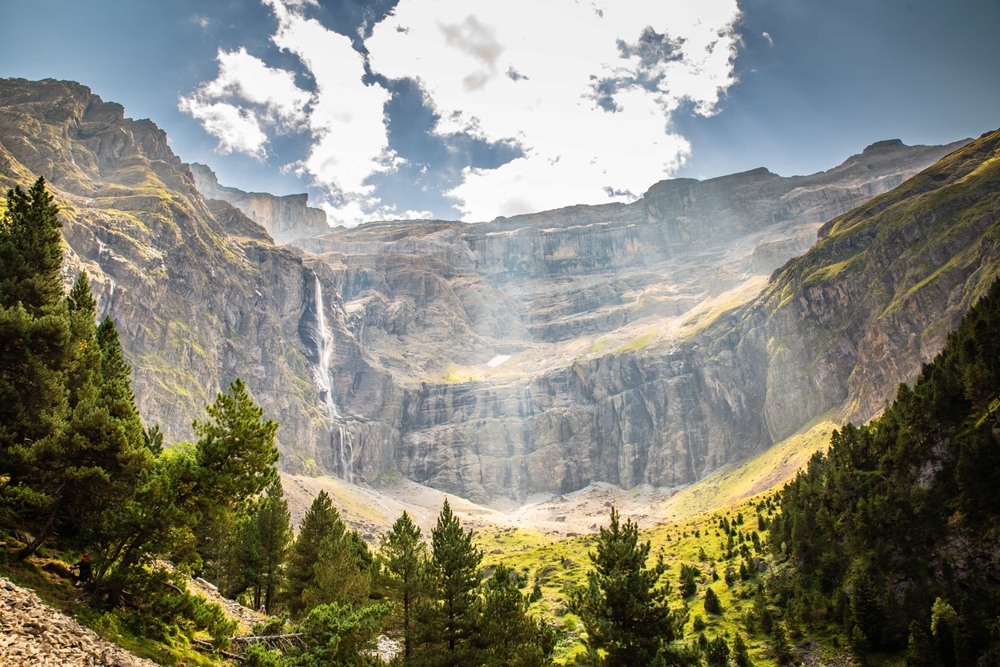

The Occitanie region abounds in natural treasures, perfect for cooling off on a hot summer’s day. With its wild gorges, crystal-clear pools and spectacular waterfalls, the region offers some exceptional swimming spots. From the Pyrenees to the Cévennes, via the Causses and Corbières, these waterfalls in Occitanie invite you to plunge into natural pools of breathtaking beauty. Whether you’re a fan of leisurely family swims or a thrill-seeker who jumps from the rocks, you’re bound to find something to suit you among these 12 remarkable sites.
See also the Occitanie guide :
- The 18 must-sees to discover Occitania
- Top 10 must-see things to do in Occitanie
- The most beautiful villages to discover in Occitanie
- 7 things to do in Rocamadour
- 20 excursions around Montpellier
- 20 must-see weekend ideas around Montpellier
- Explore the exceptional site of the Orgues d’Ille-sur-Têt
1. The Duilhac waterfalls – Moulin de Ribaute, Aude
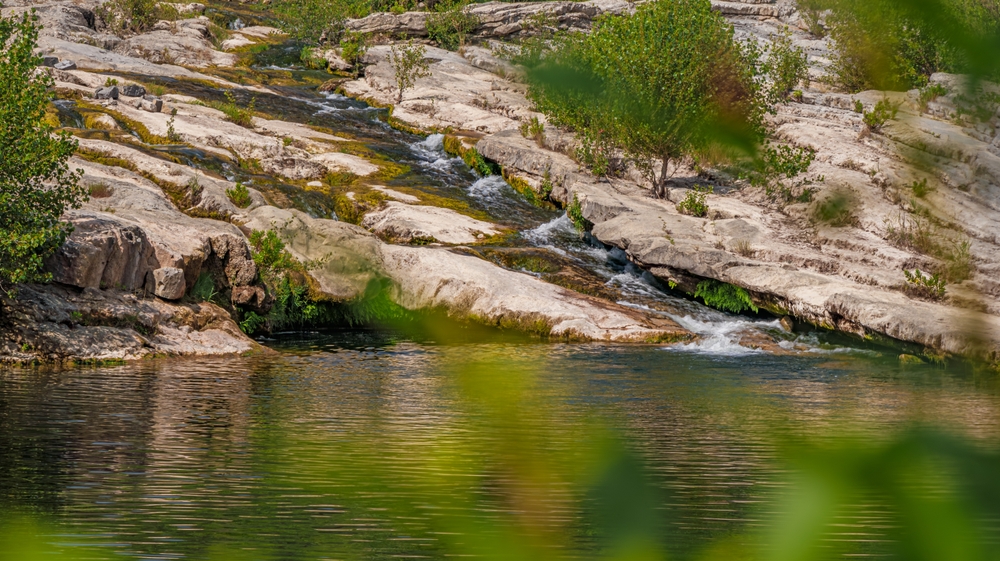
In the Verdouble gorges, just 1 km from the village of Duilhac-sous-Peyrepertuse, the Moulin de Ribaute waterfalls offer an idyllic setting for a refreshing swim. The water trickles down in a succession of small waterfalls, pools and natural lakes carved out of the limestone rock. This Corbières site is notable for the excellent quality of its water, which flows through a spectacular canyon.
Families will particularly enjoy this spot, as swimming is supervised in high season. There are several pools at different levels, some of which are deep enough for the more adventurous to jump off the cliffs. The green, shady setting makes this spot particularly pleasant even on the hottest days.
Access: Moulin de Ribaute car park (fee payable in season), then an easy 10-minute walk along the footpath. The site can be reached from Narbonne in 1 hour 15 minutes via the A9 and then the D117.
2. The Sautadet waterfalls – Gard
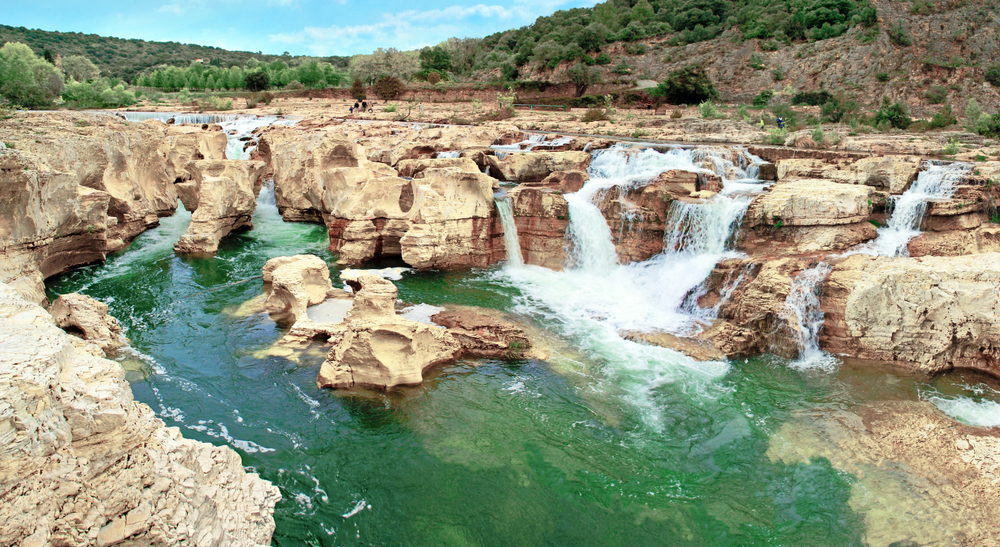
At La Roque-sur-Cèze, the Sautadet waterfalls offer an impressive natural spectacle. The river Cèze has carved a lunar landscape of pools, whirlpools and tumultuous waterfalls out of the limestone. These exceptional geological formations create a striking backdrop that attracts thousands of visitors every year.
Warning: swimming is strictly forbidden at the waterfalls due to the dangerous currents and whirlpools that have caused numerous accidents. However, there is an authorised bathing area downstream from the falls, where you can enjoy the clear waters of the Cèze in complete safety.
The hilltop village of La Roque-sur-Cèze, listed as one of France’s most beautiful villages, is also well worth a visit, with its medieval streets and stone houses.
Access: Car park at the foot of Pont Charles Martel (chargeable in summer, maximum €7/day). The site is accessible on foot from the car park.
3. The Saint-Laurent-le-Minier waterfall – Gard
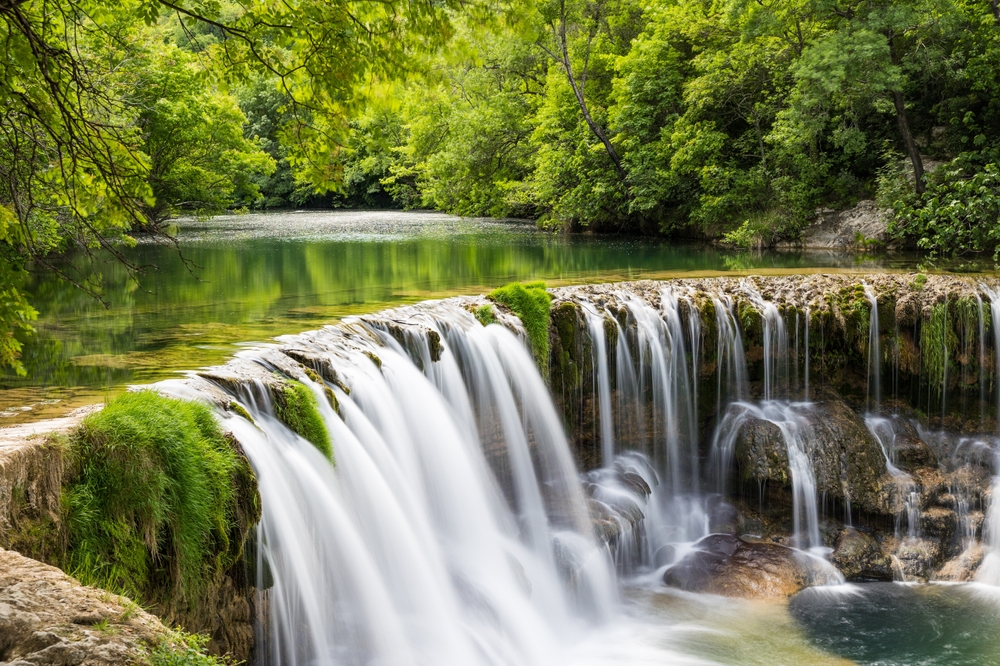
On the river Vis, the Saint-Laurent-le-Minier waterfall is one of the most popular swimming spots in Occitanie. Listed as a UNESCO World Heritage site, this impressive waterfall cascades into a large natural pool of exceptionally clear turquoise water. There are several natural pools in the Vis valley, but the most spectacular are to be found around Saint-Laurent-le-Minier.
The site is perfect for families with its shallow swimming areas, but also for thrill-seekers with its deeper zones. The beauty of the setting, with its limestone cliffs and Mediterranean vegetation, makes it a truly enchanting spot. However, you can expect crowds in high season, as this spot is very popular with the residents of Montpellier and Nîmes.
Access: Two car parks available: one free and one paying. Access to the waterfall is easy, approximately 10 minutes’ walk. Swimming is permitted but unsupervised, at the bathers’ own risk.
4. The Nielle waterfalls – Aude
On the southern outskirts of Saint-Laurent-de-la-Cabrerisse, the Nielle descends a series of natural rock steps to form an original waterfall. The water trickles down steps sculpted by erosion before flowing into a vast natural pool. This little-known tourist site offers a calm and wild setting, ideal for those seeking tranquillity.
Bathing here is particularly pleasant, with clear, cool water that invites you to relax. The site is surrounded by dense vegetation that provides shade, making it the perfect spot to spend a whole day by the water. The surrounding area also offers great hiking opportunities to discover the natural heritage of the Corbières.
Access: From Saint-Laurent-de-la-Cabrerisse, walk south along the Nielle. Access is quick and easy.
5. The waterfalls of Roquefort-les-Cascades – Ariège
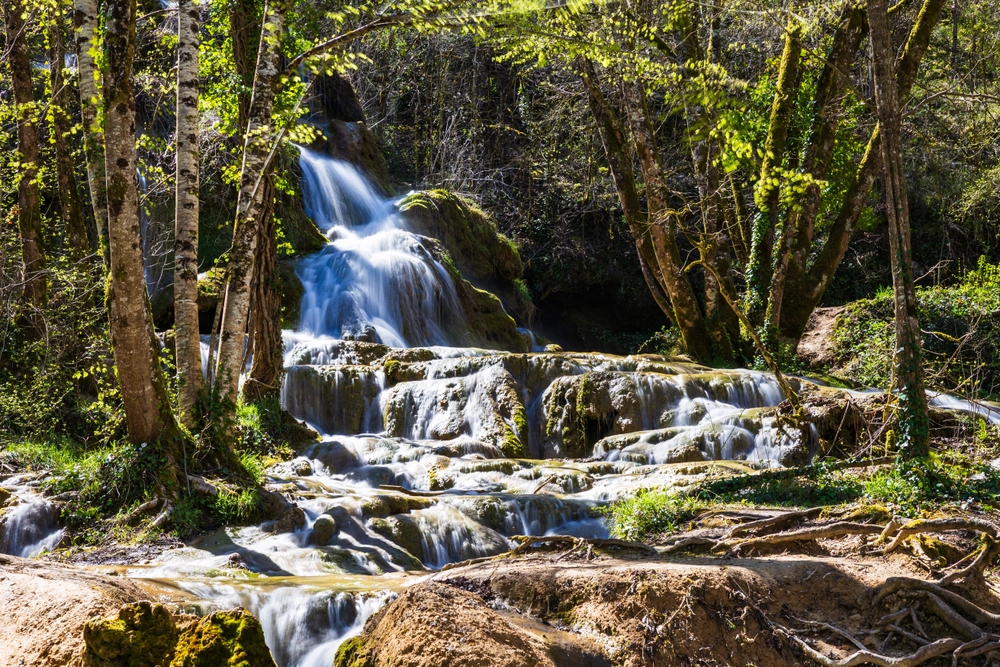
In the Plantaurel massif, near Lavelanet, the Roquefort-les-Cascades waterfalls are a remarkable geological curiosity. It’s a tuffière, a petrifying waterfall formed from tuff, a white to beige porous limestone rock. Some thirty metres high, the water flows along mineral concretions that give the whole an almost supernatural appearance.
Although swimming is not really possible in summer due to the lack of water, the site is well worth a visit for its unique character. The best time to admire the waterfalls is in spring or autumn, when the flow is greatest. The site is also perfect for a family picnic in an exceptional natural setting.
Access: Free car park, then around 1h to 1h30 walk there and back along a signposted path. The walk is accessible to all but requires good footwear.
6. A waterfall near Agen d’Aveyron – Forêt des Palanges
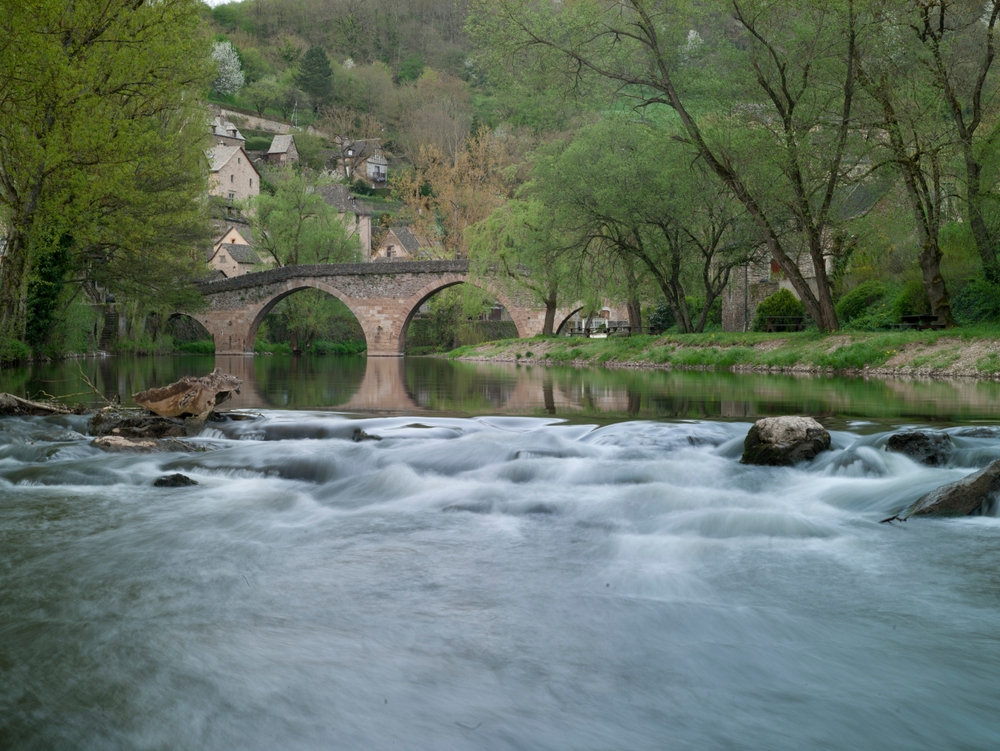
In the heart of the Palanges forest, high above the Aveyron valley, lies a magnificent two-level waterfall. It’s one of the most beautiful waterfalls in Occitanie, nestling in an unspoilt wooded setting. The waterfall has two levels, offering a refreshing spectacle amidst the greenery.
Important notice: Following a recent rock fall, access to the site is currently prohibited for safety reasons. The commune of Agen d’Aveyron has appointed a firm of experts to assess the situation. Please check the state of access before visiting the site.
Access (where authorised): From Rodez, take the D162, the D217, then the D29. Go through the village of Agen d’Aveyron and follow the signs. Allow around 45 minutes’ walk there and back on a fairly steep path at the start.
7. Saut de la Truite waterfall – Tarn
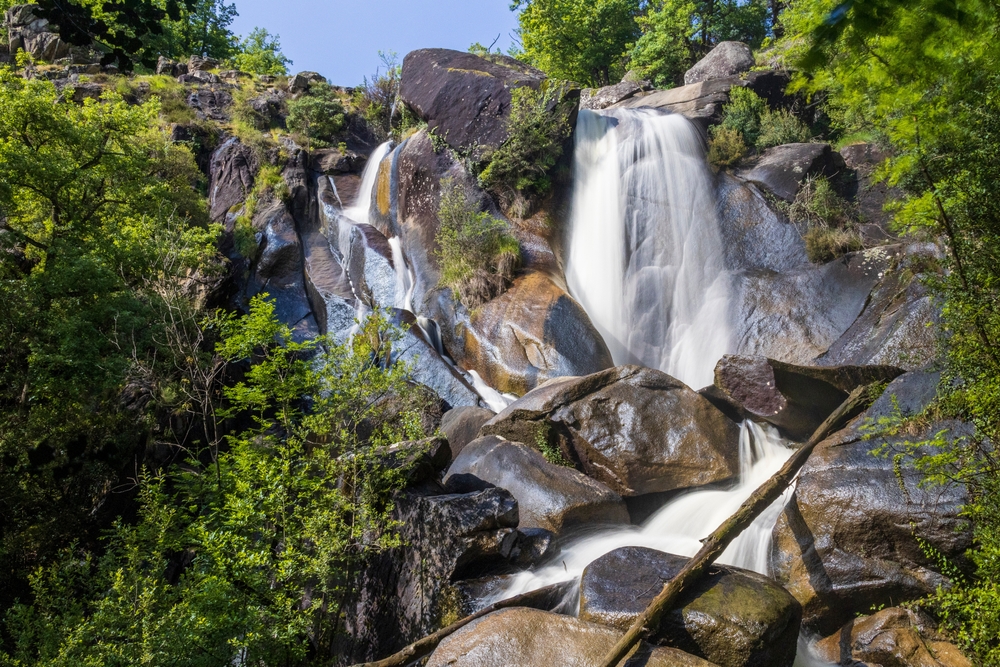
Near Burlats, in the Sidobre granite massif, the Saut de la Truite waterfall is fed by the Aiguebelle stream. This 25-metre-high waterfall plunges into a green setting in the heart of a shady forest. The path to get there is as pleasant as the site itself, offering a refreshing stroll under the trees.
You can swim at the foot of the waterfall, although the pools are fairly small and shallow. It’s more a place to cool off and enjoy the fresh air than a real swimming spot. The site is perfect for a family outing combining hiking and nature discovery.
Access: From Castres, leave Burlats and drive for 1.5 km. Take the road on the right as it bends sharply downhill. The car park is signposted, then there are steps leading down into the forest. Allow 20 to 30 minutes’ walk there and back.
8. The Déroc waterfall – Lozère
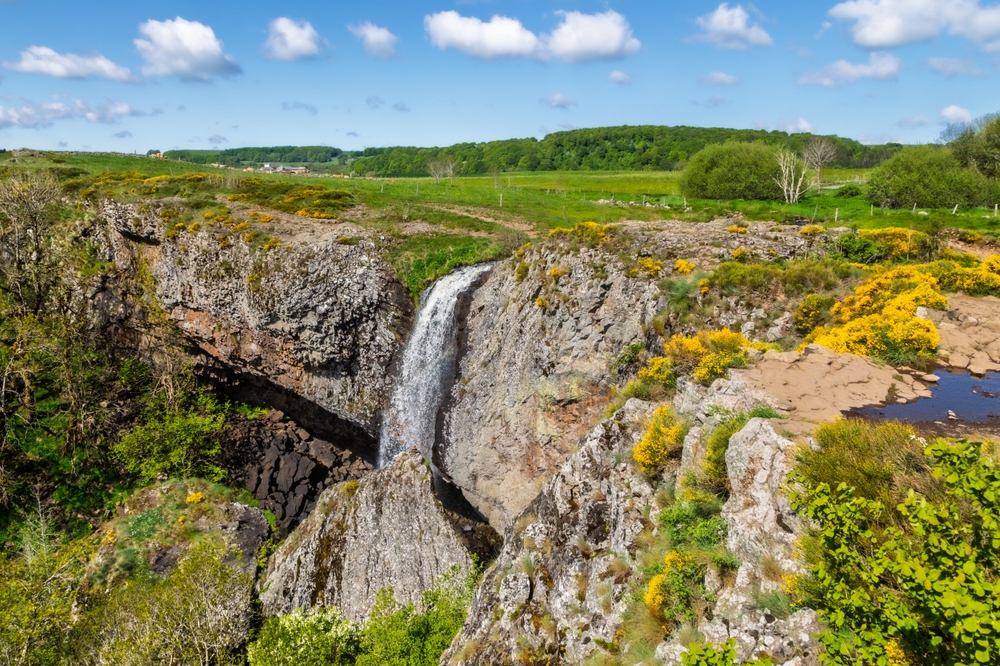
On the Aubrac plateau, near Nasbinals, the Déroc waterfall towers 30 metres above the small glacial valley of the Gambaïse stream. The starting point for the Route des Lacs de l’Aubrac, this site offers breathtaking views over the Marchastel region. The waterfall is made up of a tributary of the Bès and the outlet of the Lac des Salhiens, which come together to plunge into the void.
The high mountain environment gives this place a special atmosphere, with moorland and peat bogs typical of the Aubrac region. Although the waterfall itself is not really suitable for swimming, the nearby Lac du Moulinet offers a water sports base and supervised bathing facilities.
Access: The waterfall is accessible on foot via a signposted loop from Nasbinals (PR “Du Déroc à la Peyrade”), or directly by car from a nearby roadside car park.
9. The Runes waterfall – Lozère
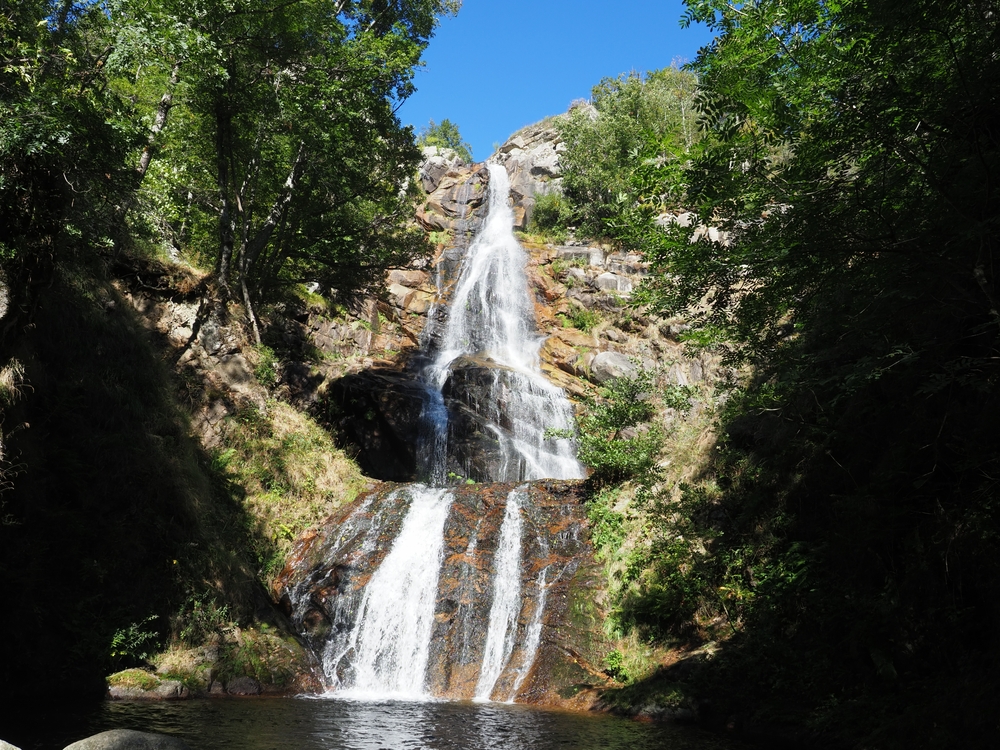
At the entrance to the hamlet of Runes, in Pont-de-Montvert, the waterfall drops 60 metres in two spectacular chutes (46 metres and 24 metres) onto the River Miral. Access is via a steep but safe path that follows the stream through dense forest. The site, located in the heart of the Cévennes National Park, offers an unspoilt natural setting of great beauty.
You can swim in the pools at the foot of the waterfall, where the water is very cool all year round. The main pool is deep enough for a refreshing swim. However, beware of the careless who might throw stones from the top of the waterfall. The site is now secured with barriers at dangerous points.
Access: Car park at the entrance to the village of Runes on the D35. Allow around 40 minutes’ walk there and back along a steep path.
10. The Martinet waterfall – Lozère
At Saint-Étienne-Vallée-Française, on the Gardon de Mialet, the Martinet waterfall is renowned for its translucent, high-quality waters. The natural pools and unspoilt setting make it a popular spot for bathers and hikers alike. The water is exceptionally clear, allowing you to see the bottom at depths of up to 2 metres without any algae.
Although the site is not as wild as you might expect due to the crowds in high season, it is nonetheless one of the best swimming spots in the Cévennes. There is a succession of pools offering different depths to suit all ages. Remember to bring water shoes, as the bottom is stony.
Access: Park in the Le Martinet restaurant car park. Follow the canal for around 10 minutes to reach the waterfall.
11. The Ars waterfall – Ariège
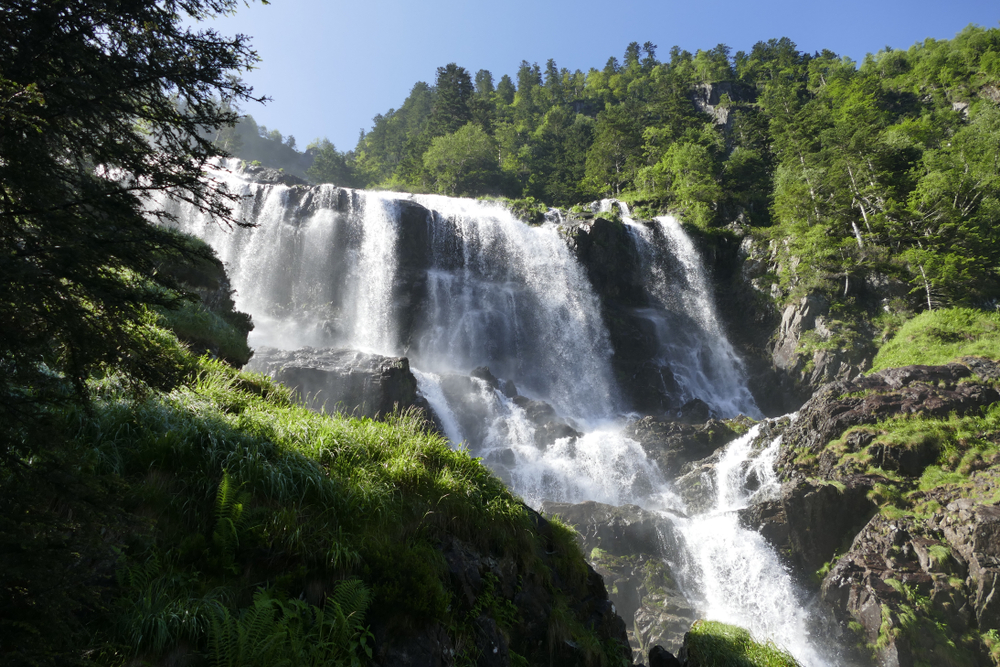
Near Aulus-les-Bains, in the Ariège Pyrenees Regional Nature Park, the Ars waterfall is undoubtedly one of the most famous in the Ariège. Standing 246 metres high and divided into three levels, it is one of the highest waterfalls in France. Situated at an altitude of more than 1,300 metres in the heart of the forest, it offers a breathtaking spectacle in an unspoilt Alpine setting.
Swimming in the high altitude lakes is not recommended to preserve this fragile environment. However, you can cool off in the pools above the main waterfall after a pleasant hike. The excursion to the waterfall takes around 4 hours round trip and requires you to be well equipped with good hiking boots.
Access: From Aulus-les-Bains, take the D8 towards the Col de Latrape. The start of the trail is signposted in the first bend, 200 metres from the tourist office. Medium difficulty, suitable for the whole family.
12. The Baumes waterfall – Tarn
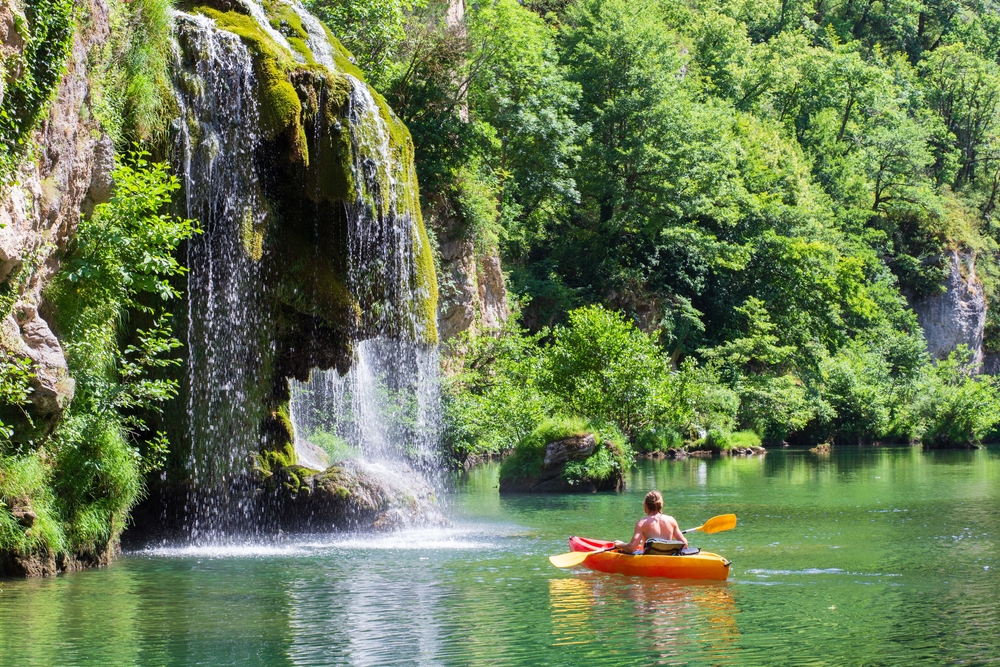
In the heart of the Parc naturel des Grandes Causses, at Saint-Rome-du-Tarn, the Cascade des Baumes is probably the most beautiful waterfall in France and certainly one of the most spectacular in the Occitanie region. Over 18 metres high, it flows directly into the Tarn, creating an emerald pool of breathtaking beauty.
The special feature of this site is that it is only accessible by river, by kayak, canoe or by swimming from the beach at Saint-Rome-Plage, where you can hire boats. This limited accessibility helps to preserve the wild character of the site. Bathing under the waterfall is an unforgettable experience, with clear, deep waters perfect for swimming.
The Saint-Rome-Plage site also has a fine sandy beach with supervised swimming in July and August, water sports (canoeing, paddle-boating, pedal-boating) and a guinguette for eating out.
Access: Saint-Rome-Plage water sports centre. Boats need to be hired to reach the waterfall (approximately 15-20 minutes’ sailing). There are also several hiking trails in the surrounding area, but not directly to the waterfall.
Practical tips for enjoying waterfalls in Occitania
Before setting off to discover these natural wonders, a few recommendations are in order. Choose spring and early summer to take advantage of optimum water flow, as some waterfalls can run dry at the height of summer, particularly in Mediterranean areas. Wear water shoes to avoid slipping on the rocks, and don’t forget your biodegradable sun cream to preserve these fragile ecosystems.
Be sure to observe any swimming bans that have been put in place for your safety, such as at the Sautadet waterfalls where the currents can be lethal. Find out about the accessibility of the sites before you leave, as some may be temporarily closed for safety reasons. Finally, be eco-responsible by not leaving any rubbish behind and by staying on the marked trails to preserve the beauty of these exceptional natural sites.

In conclusion, the Occitanie region offers a remarkable diversity of waterfalls to bathe in, each with its own unique character. From the wild gorges of the Corbières to the peaks of the Pyrenees, via the Causses and the Cévennes, these 12 sites are an invitation to discover and refresh yourself. Whether you’re looking for thrills or peace and quiet by the water, you’re bound to find what you’re looking for among these natural gems. So don’t hesitate, pack your bag and your water shoes and set off to discover these aquatic paradises, which make the Occitanie region a must-see destination for nature-lovers.
Frequently asked questions
When is the best time to visit the waterfalls in Occitanie?
Spring (April to June) is the ideal time to enjoy the high water flow and pleasant temperatures. Summer remains the most popular period for swimming, although some waterfalls may have a reduced flow. Autumn also offers beautiful colours and less-frequented sites.
Is swimming supervised in these waterfalls?
Only a few sites offer supervision in high season, notably the Duilhac waterfalls and certain areas downstream of the Sautadet waterfalls. Most bathing sites are unsupervised and visitors swim at their own risk. So be particularly careful.
Can young children access the waterfalls?
Some sites, such as the Duilhac, Saint-Laurent-le-Minier and Martinet waterfalls, are relatively accessible and suitable for families. Others, such as the Ars or Runes waterfalls, require a longer hike and are not recommended for very young children. Always check access conditions before setting off.
Do you have to pay to access the waterfalls?
Access to the waterfalls is generally free, but parking charges may apply in high season (as at the Sautadet, Duilhac and Saint-Laurent-le-Minier waterfalls). Allow between €5 and €7 for a day’s parking. Some sites have free car parks further afield.
What precautions should I take when swimming in the waterfalls?
Wear water shoes to avoid slipping, never dive without checking the depth beforehand, respect swimming bans, constantly supervise children, and beware of currents, which can be treacherous even in apparently calm waters. If you have any doubts about the safety of a site, don’t go.
200 audioguided tours for cities all around the world
Download